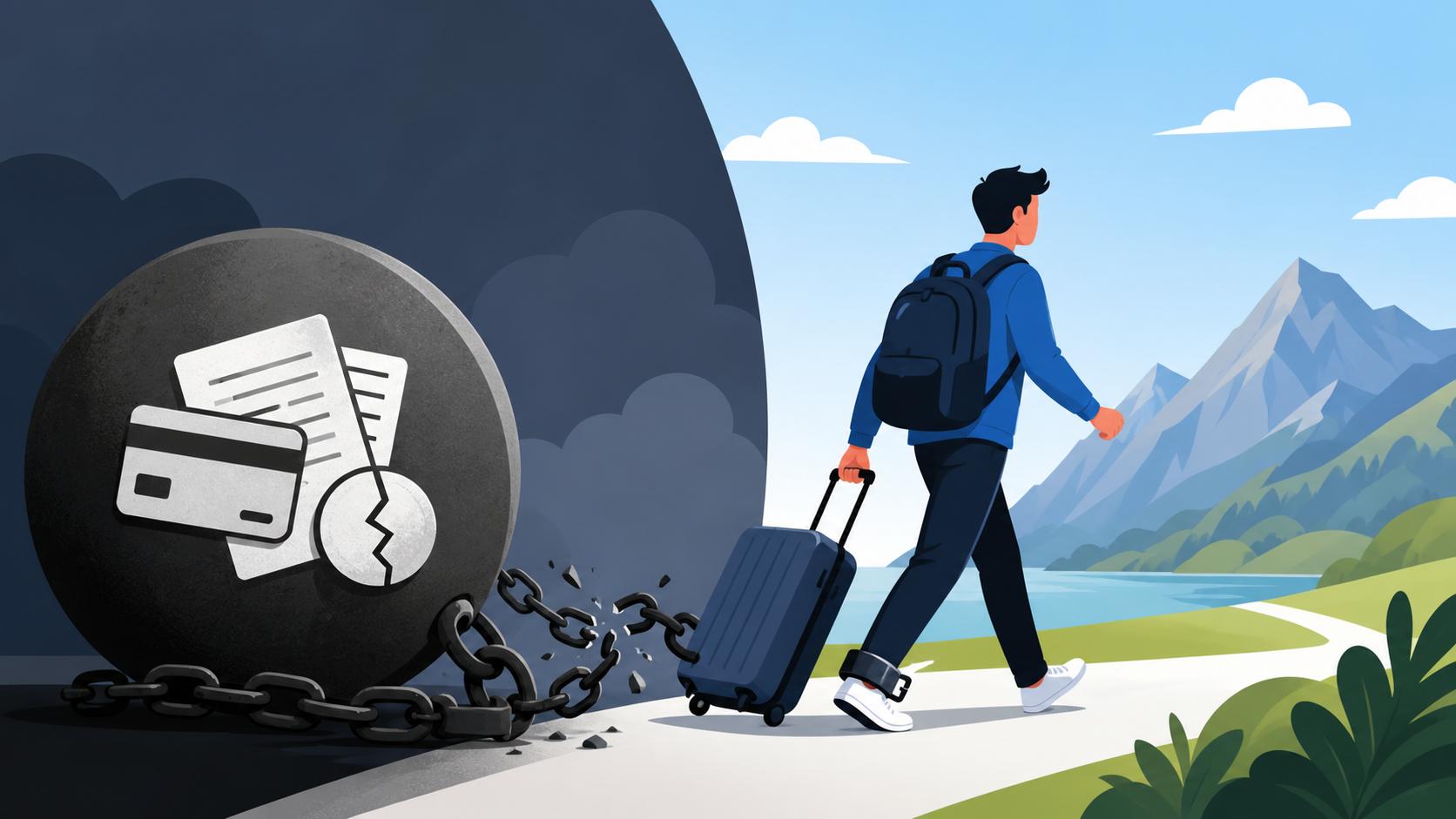
What Happens to Your Debts in Switzerland If You Leave the Country?
Leaving Switzerland is a whirlwind of packing boxes, saying goodbyes, and navigating the infamous 14-day deregistration window at your local Gemeinde. The most haunting question often remains: what happens to those lingering bills or a forgotten credit card balance once you cross the border? I remember the cold sweat I broke into when I realized a disputed dental bill was still sitting in my drawer just days before my flight. This guide settles the anxiety by explaining exactly how Swiss debt follows you, the legal reach of the authorities, and how to settle your affairs properly.
The Myth of the Clean Slate Departure
There is a persistent "expat legend" that once you hand in your residence permit and receive your Abmeldebescheinigung (deregistration certificate), your Swiss financial past vanishes into the Alpine mist. I can tell you from watching friends try this—and fail—that the Swiss system is far more integrated than it looks. When you deregister, you aren't just leaving a country; you are leaving a paper trail that the Swiss authorities and private creditors are very adept at following.
In Switzerland, the debt collection process is governed by a specific federal law (SchKG/LP), and it doesn't simply stop because your address changes to London, New York, or Singapore. Creditors have a legal right to pursue you internationally, and the "clean slate" only exists if you have proactively closed every loop. If you leave with outstanding balances, you aren't just leaving debt; you are potentially closing the door on ever returning to Switzerland for work or residency.
Understanding the Cost of Living in Switzerland 2026: Budgeting for Singles and Families is essential before you even plan your exit, as many expats find that their final month’s expenses—including "clean-out" costs and final utility tallies—are higher than expected. Leaving without settling these can trigger a chain of events that is much harder to manage from a distance.
The Betreibung System and Its International Reach
The Swiss debt collection system, known as Betreibung in German-speaking cantons, is unique because almost anyone can initiate a claim against you without immediate proof of the debt's validity. This claim is recorded in your Checking Your Debt Register Extract (Betreibungsauszug) for Loans. This document is the "financial passport" of Switzerland. If you leave with an open Betreibung, it remains on your record for years.
The Role of the Debt Collection Office
The Betreibungsamt (Debt Collection Office) is a cantonal entity. When you move abroad, the creditor can request that the debt be pursued at your new location. Switzerland is a signatory to the Lugano Convention, which facilitates the recognition and enforcement of judgments in civil and commercial matters across the EU and EFTA countries. This means if you move to Germany, France, or Italy, a Swiss debt can be "domesticated" in your new country with surprising speed.
International Debt Collection Agencies
For countries outside the Lugano Convention, such as the United States or Australia, Swiss companies often sell their "bad debt" to international collection agencies. These agencies specialize in cross-border recovery. They will find your new address, your new employer, and start the process according to your local laws. The original debt of CHF 500 can easily balloon to CHF 1,500 once international legal fees, interest, and "finding fees" are tacked on.
If you have a disputed claim, it is much better to handle it while you are still a resident. You might need to learn Clearing an Unjustified Betreibung from the Swiss Debt Register to ensure your name is clear before the Abmeldung process is finalized.
Specific Debt Categories and Their Consequences
Not all debts are treated equally. The Swiss government is far more aggressive about certain types of arrears than others. Knowing which ones carry the most weight can help you prioritize your final payments.
| Debt Type | Aggression Level | International Recovery Likelihood | Consequences for Return |
|---|---|---|---|
| Cantonal/Federal Taxes | Extreme | High (Bilateral Treaties) | Permit Denial / Entry Issues |
| Health Insurance (KVG) | High | Moderate to High | Future Insurance Rejection |
| Private Loans/Credit Cards | Moderate | High (via Agencies) | Credit Score Damage |
| Utility/Telecom Bills | Low to Moderate | Moderate | Blacklisted for Services |
| SBB/Fines | Moderate | High | Potential Police Stop at Border |
Taxes and Social Security
This is the big one. If you are on a B Permit, your taxes are usually deducted at source (Quellensteuer). However, if you earn over a certain threshold and are Filing a Swiss Tax Return (C Permit or High Earners on B Permit), you might owe a balancing payment. The Swiss tax authorities do not forget. They have bilateral agreements with dozens of countries to share financial data.
Before you leave, you must file a final tax declaration. If you have been saving for this, you might use an investment platform like Trade Republic to keep your funds liquid yet earning interest until the final bill arrives. If you neglect this, the tax office can place a lien on your future Swiss assets, including your pension.
Mandatory Health Insurance
In Switzerland, Is Basic Health Insurance (KVG) Mandatory for Expats? A Plain-English Guide for a reason—it’s a legal requirement until the day you officially leave. Many expats make the mistake of stopping their premium payments the moment they pack their bags. If you owe premiums, the insurance company will start a Betreibung. Since you must provide a new address when you deregister, they will have your coordinates to send the bill.
Private Contracts and Small Debts
Gym memberships, mobile phone contracts, and Private Liability Insurance (Privathaftpflicht): Why Expats Need It often have long notice periods. Simply leaving the country does not automatically cancel these contracts unless there is a specific "relocation clause." If you don't cancel them according to the terms, the monthly charges will continue to accrue, eventually leading to a collection process.
Using Your Swiss Assets to Settle Debts
The irony of the Swiss system is that while you may have debts, you likely also have significant assets locked in the pension system. These can be used strategically to clear your slate.
The Pillar 2 (LPP) and Pillar 3a
When you leave Switzerland permanently to a non-EU/EFTA country, you can often withdraw your entire pension (Pillar 2). Even if you move to the EU, you can usually withdraw the "extra-mandatory" portion. This cash influx is the most common way expats settle their final Swiss debts. However, the process takes months.
If you have been diligent about your Exactly How to Claim the CHF 7,258 Pillar 3a Tax Deduction for 2026, those funds are also available for withdrawal upon permanent departure. Some expats use these funds to pay off car leases or bank loans before they even board the plane. It is also worth checking The 5-Year Rule: Claiming an AHV Refund for Non-EU/EFTA Citizens if you are from a country like the USA or India, as this refund can be a substantial financial cushion.
Moving Money Securely
When it comes time to actually pay those final bills from abroad, do not use a traditional bank transfer if you can avoid it. The "hidden" exchange rate margins can cost you hundreds of francs on a large debt settlement. Using a service like Wise allows you to pay your Swiss QR-bills in CHF from your new local currency with transparency. If you have been holding digital assets on Binance, you may need to consider the tax implications of liquidating those to pay for your move, especially as Switzerland begins to tighten its crypto-tax reporting.
What Happens if You Ever Want to Return?
This is where the reality of unpaid debt truly hits. Switzerland’s border control and migration offices are highly digitalized.
- Permit Denials: If you apply for a new B or L permit in five years, the migration office will pull your Betreibungsauszug. If it shows unpaid debts to the state (taxes, health insurance) or major private creditors, your permit application can be summarily rejected on the grounds of "financial instability."
- The "Border Surprise": While civil debt doesn't usually result in an arrest warrant, unpaid criminal fines (including significant speeding tickets or How to officially Leave the Church in Switzerland to Stop Kirchensteuer disputes that escalated to court) can be flagged at Zurich or Geneva airport. You might be pulled aside and required to pay the fine on the spot before being allowed to enter or leave the country.
- Blacklisting: Good luck getting a Swiss mobile plan or renting an apartment if you return. Your name stays in the private databases of credit agencies like Intrum or Crif for years, even after the official debt register entry might have expired.
Step-by-Step Checklist for a Debt-Free Departure
To ensure you don't have a "financial ghost" following you, follow these steps at least three months before your move:
- Audit Your Contracts: Make a list of every recurring payment. Send registered letters (Einschreiben) to cancel your gym, internet, and insurance.
- Request a Final Tax Statement: Visit your local Steueramt and ask for a "provisional final bill." They can calculate what you owe up to your departure date.
- Handle Your Medical Bills: Check every How to Read a Swiss Medical Bill (Rückforderungsbeleg) and Claim Refunds you have received. Ensure the insurance has paid their part and you have paid your franchise/copay.
- The Apartment Handover: Ensure your security deposit is handled correctly. Use a platform like Trade Republic to hold the equivalent of three months' rent in case your landlord tries to claim damages that exceed your deposit.
- Set Up a Forwarding Address: Use the Swiss Post's forwarding service. This ensures that any "final-final" bills actually reach you at your new home so you can pay them before they go to collection.
Leaving Switzerland should be a celebration of a new chapter, not a panicked flight from creditors. By being proactive and using the tools available, you can ensure that your time in the Land of Milk and Honey remains a positive memory rather than a legal headache.
Disclaimer
The information provided in this article is for general informational purposes only and does not constitute legal or financial advice. Debt collection laws and international treaties are subject to change. Always consult with a qualified legal professional or financial advisor regarding your specific situation before making decisions about leaving Switzerland with outstanding financial obligations.