Sustainable Travel in Switzerland: Eco-Friendly Ways to Explore
When you first move to Switzerland, the sheer beauty of the mountains, lakes, and pristine towns often feels like a dream. But as you start to explore, it's easy to fall into the same old travel habits that might not be kind to this delicate environment. Many expats grapple with wanting to see everything, yet also feel a deep responsibility to protect the very nature that drew them here. This guide is all about helping you navigate Switzerland in a way that’s both adventurous and deeply respectful of its unparalleled ecological integrity, making your explorations truly sustainable.
Journeying Green: Mastering Switzerland's Public Transport
Let's be real, the first time you hop on a Swiss train, it's a game-changer. Coming from countries where public transport can be a headache, the Swiss system feels like magic. It’s not just about convenience; it’s about making a genuinely positive environmental impact, something we can all feel good about.
The Swiss Transport System: Your Eco-Warrior Chariot
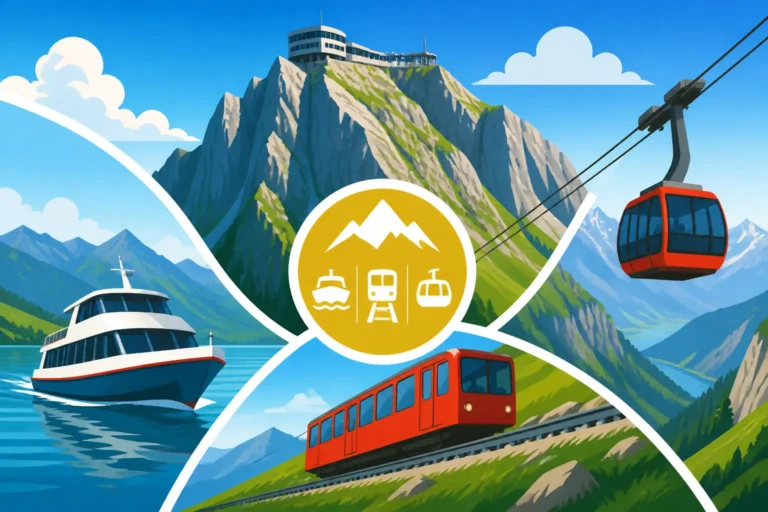
Switzerland boasts one of the most efficient, punctual, and extensive public transport networks in the world, primarily operated by the SBB (Swiss Federal Railways). This isn't just a point of national pride; it's a cornerstone of sustainable living and exploration here. Relying on trains, buses, and boats significantly reduces your carbon footprint compared to driving, especially when you consider that a large portion of the SBB network runs on hydropower.
Imagine gliding past the turquoise waters of Lake Thun or through the snow-capped peaks of the Engadine Valley, all while sipping a coffee, reading a book, or simply soaking in the views, rather than stressing about traffic or parking. This is the everyday reality of Swiss public transport. For us expats, it’s not just a means to an end; it’s an integral part of the Swiss experience itself. Planning your trips via the SBB website or app is incredibly easy, and you’ll find connections to even the most remote mountain villages. Websites like Omio can also be helpful for comparing routes and booking tickets efficiently, ensuring you always have the best green travel option at your fingertips.
To truly embrace this green way of moving around, consider investing in one of the fantastic travel cards. The Half-Fare Travelcard, known as the Halbtax, is, in my opinion, a non-negotiable for most residents. It gives you 50% off nearly all train, bus, boat, and even most mountain railway tickets. It pays for itself remarkably quickly if you plan even a few day trips a year. Then there’s the Generalabonnement (GA), which, while a significant investment, offers unlimited travel across the entire public transport network. For those who frequently commute or plan extensive trips, it's an unparalleled level of freedom and an incredibly green choice. You can read more about how beneficial these are in our guide on The Half-Fare Travelcard (Halbtax): The Must-Have Pass for Swiss Residents and SBB Travelcards: Is the Generalabonnement (GA) Worth the CHF 4000+ Cost?. For more spontaneous trips, look out for the Saver Day Pass (Spartageskarte), which can offer incredible value if booked well in advance. These passes truly unlock the country, allowing you to explore without the environmental guilt of excessive car use.
Beyond the Rails: Buses, Boats, and Two Wheels
While the SBB trains are undeniably the backbone of Swiss public transport, the network extends far beyond railway tracks. The iconic yellow PostAuto buses are your trusty companions for reaching those picture-postcard villages nestled high in the Alps or hidden away in quiet valleys. These buses are a quintessentially Swiss experience, often navigating incredibly narrow, winding roads with impressive skill. They connect seamlessly with train stations, making last-mile travel efficient and car-free.
Then there are the boats. Switzerland's stunning lakes are not just for admiring; they're also part of the public transport system! Regular boat services ferry passengers across Lake Geneva, Lake Lucerne, Lake Zurich, and many others, offering breathtaking perspectives of the shoreline, castles, and surrounding mountains. A boat trip on Lake Thun to visit Oberhofen Castle or a cruise on Lake Lucerne with views of Mount Pilatus and Rigi are not only scenic excursions but also integrated, eco-friendly transport options. It's an absolute joy to combine boat and rail, often part of the same fare system, allowing you to explore different regions in a truly unique and sustainable way. For tips on combining these modes, check out our piece on Combining Boat and Train Trips on Swiss Lakes.
And let's not forget about cycling. Switzerland is a cyclist's paradise, with a well-maintained network of national, regional, and local cycling routes. Renting an e-bike or a regular bicycle is incredibly easy in most towns and at larger train stations. Exploring a region like the Lavaux vineyards or the flat paths along the Aare River by bike offers an intimate, zero-emission way to experience the landscape. Many regions offer fantastic guided e-bike tours, which you might find listed on platforms like GetYourGuide, combining adventure with local insights. We even have a dedicated guide on Cycling Infrastructure in Swiss Cities: Bike Lanes and E-Bike Rules because it’s such a fantastic way to get around. This multimodal approach – trains, buses, boats, and bikes – means you can plan an entire trip without ever needing a car, making your adventures inherently more sustainable.
Conscious Choices: Accommodation and Culinary Delights
The magic of Switzerland isn't just in its landscapes, but in how locals live in harmony with them. As expats, we have a unique opportunity to embed ourselves in this philosophy, especially when it comes to where we stay and what we eat. Every choice, big or small, contributes to the overall sustainability of our travel footprint.
Sleeping Soundly: Sustainable Stays and Unique Experiences
When it comes to finding a place to rest your head, the options for eco-conscious accommodation in Switzerland are growing. It's more than just choosing a hotel that recycles; it's about looking for places that actively minimize their environmental impact and contribute positively to their local community. Many hotels and guesthouses are now proudly displaying sustainability certifications. Keep an eye out for labels like Ibex Fairstay, which is Switzerland's leading sustainability label for tourism businesses, or similar international certifications. These certifications often mean the establishment uses renewable energy, sources local food, minimizes water usage, and treats its employees fairly.
You can often filter for eco-friendly options when booking through popular platforms like Booking.com, making it easier to identify places that align with your values. However, don't overlook the charm and inherent sustainability of smaller, family-run guesthouses (Gasthäuser or chambres d'hôtes). These often rely on local produce, employ local staff, and have a strong connection to their community, often making them a naturally greener choice without needing a specific label.
For a truly unique and sustainable experience, consider agritourism. Imagine waking up on a working farm, enjoying a breakfast made with ingredients sourced just metres from your room, and spending your days exploring the surrounding nature. Options like "Schlaf im Stroh" (sleeping on straw) offer a rustic, memorable, and incredibly low-impact stay. We have an entire guide dedicated to Agritourism in Switzerland: Sleeping on a Farm (Schlaf im Stroh) which can open your eyes to these charming alternatives. Another incredible option for the adventurous are the Swiss Alpine Club (SAC) huts. These mountain refuges offer basic but cozy lodging high in the Alps, serving simple, often locally sourced meals. They are designed for hikers and climbers, encouraging a minimalist approach to travel and a deep appreciation for the pristine alpine environment. To learn more about this, check out Mountain Huts vs Hotels: Where to Stay in the Swiss Alps. By choosing these types of accommodations, you're not just finding a place to sleep; you're actively supporting local economies and minimizing your ecological footprint.
Eating Local: Savoring Switzerland's Bounty Responsibly
Switzerland is a land of incredible culinary delights, and eating sustainably here means diving headfirst into the local food culture. One of the best ways to do this is to frequent farmers' markets (Bauernmärkte). Found in almost every town and city, these markets are vibrant hubs where you can buy fresh, seasonal produce directly from the growers. Not only does this reduce food miles, but it also gives you a chance to interact with local producers and truly understand what's in season. From crisp apples in autumn to succulent berries in summer, and a dazzling array of cheeses and cured meats year-round, these markets are a feast for the senses. Our guide to Swiss Farmers' Markets: Where and When to Shop Local will give you the lowdown on where to find them.
Beyond the markets, be mindful of food waste. Switzerland, like many developed nations, still grapples with this issue. When dining out, order consciously, and if you have leftovers, don't hesitate to ask for a "Doggy Bag" (though the term "takeaway" or "zum Mitnehmen" might be better understood). At home, plan your meals, use up what you buy, and compost food scraps if your municipality offers it.
And let's talk about tap water. Switzerland has some of the best tap water in the world – seriously, it's often cleaner and better-tasting than bottled water. Always carry a reusable water bottle and refill it from public fountains (there are thousands of them!) or your tap. This simple habit drastically reduces plastic waste and saves you money.
Finally, embrace the regional specialties. Switzerland has an amazing diversity of food, from the cheesy delights of Gruyère and Emmental to the hearty rösti of the German-speaking cantons and the Italian-inspired flavors of Ticino. Opting for these local dishes means you're consuming food that's been produced nearby, supporting regional economies, and experiencing the true taste of Switzerland. Curious about the cheeses? Our article on Regional Swiss Cheeses: Gruyère, Emmental, Appenzeller, and More is a great starting point for any dairy connoisseur.
Tread Lightly: Respecting Swiss Nature and Culture
Switzerland’s natural beauty is its greatest asset, drawing millions of visitors and residents alike. With this privilege comes a deep responsibility to protect it. As expats, we are stewards of this environment and culture, and our actions, however small, have an impact.
Leave No Trace: Protecting Pristine Landscapes
The concept of "Leave No Trace" is absolutely paramount in Switzerland, especially when you're out hiking in the Alps or enjoying a lakeside picnic. This means exactly what it sounds like: leaving the environment as, or even better than, you found it. Every piece of litter, no matter how small, has a lasting impact on these pristine landscapes. Always carry out everything you carry in, including fruit peels, tissues, and packaging. Swiss recycling rules are incredibly strict and effective, but they start with you disposing of your waste correctly. Many cantons use specific paid garbage bags (like the famous Züri-Sack in Zurich or Bebbi-Sagg in Basel), which encourages conscious waste reduction. Get familiar with these local rules; our guide on Swiss Recycling Rules: Cantonal Paid Garbage Bags (Züri-Sack, Bebbi-Sagg) can help you navigate the municipal specifics.
When hiking, stick to marked trails. This isn't just for your safety; it's crucial for protecting delicate ecosystems and preventing erosion. Going off-path can damage fragile plant life, disturb wildlife, and contribute to trail degradation. Respect wildlife by observing them from a distance and never, ever feeding them. Human food can be harmful, and it can make animals dependent on handouts, altering their natural foraging behaviors.
Fire safety is another critical point, especially in dry periods. Always check local fire bans before considering a barbecue or campfire. If fires are allowed, use designated fire pits and ensure your fire is completely extinguished before leaving. The Swiss Alps are beautiful, but they can be unforgiving. Before heading out, always check the weather forecast and be appropriately equipped. Rapid weather changes are common in the mountains, and a sudden storm can turn a pleasant hike into a dangerous situation. Being prepared also means not having to rely on emergency services, which itself is a sustainable practice. For a comprehensive overview of staying safe in the mountains, don't miss our article on Mountain Safety in Switzerland: Weather, Gear, and Emergency Numbers.
Cultural Immersion: Engaging with Local Life
Sustainable travel isn't just about the environment; it’s also about fostering positive relationships with the local communities and respecting their culture. One of the simplest yet most impactful ways to do this is to learn a few basic phrases in the local language – be it Swiss German, French, or Italian. A simple "Grüezi," "Bonjour," or "Buongiorno" goes a long way in showing respect and often opens doors to more genuine interactions. While many Swiss people speak excellent English, making an effort in their language is always appreciated.
Support local businesses directly. Instead of buying mass-produced souvenirs, seek out local artisans, craft shops, or independent boutiques. Purchase regional products – cheese, wine, chocolate, handmade goods – that directly benefit the local economy and preserve traditional craftsmanship. These items not only make more meaningful souvenirs but also keep money circulating within the community. Platforms like GetYourGuide can offer tours that highlight local crafts and culinary experiences, often guided by locals who provide authentic insights.
Understanding and respecting Swiss customs and etiquette is also vital. The Swiss value punctuality, order, and quiet, especially during designated "Ruhezeiten" (quiet hours), particularly on Sundays. Avoid loud activities or anything that might disturb your neighbors during these times. This respect extends to public spaces, where cleanliness and consideration for others are highly valued. Our guide to Swiss Customs and Etiquette: Social Norms Every Newcomer Should Know provides an excellent overview of these nuances. Engaging in local clubs (Vereine) or volunteering can also be a fantastic way to integrate, meet Swiss people, and contribute to the community, further enriching your sustainable experience. Find out more in Volunteering and Local Clubs (Vereine): The Best Way to Meet Swiss People. By being a mindful and respectful guest, you help preserve the unique cultural fabric of Switzerland, ensuring it remains vibrant for generations to come.
Practical Tips for a Greener Swiss Journey
Okay, so you’re committed to sustainable travel in Switzerland – brilliant! Now, let’s get down to the nitty-gritty of making those green choices effortless and effective. It's about small habits that add up to a big impact, making your life easier while also protecting this incredible country.
Packing Smart and Minimizing Impact
Before you even step out the door for your next Swiss adventure, think about what you're bringing along. Packing smart is a huge step towards minimizing your environmental footprint. Firstly, invest in quality, multi-functional items. Think sturdy reusable water bottles (as mentioned, Swiss tap water is divine!), reusable shopping bags, and travel-sized toiletries in refillable containers. These small changes dramatically reduce single-use plastic waste.
Secondly, embrace digital documents. Train tickets, hotel reservations, and museum passes can almost always be stored on your phone. This cuts down on paper waste and means one less thing to keep track of. When possible, opt for brands and products with minimal packaging or those made from recycled materials. If you’re visiting specific attractions, check if they offer digital maps or audio guides to avoid paper brochures.
Finally, think about your purchases. Instead of buying a new outfit for every trip, consider versatile pieces that can be mixed and matched. When you do shop, prioritize local, sustainably produced goods that support Swiss craftsmanship and reduce shipping emissions. Buying less, buying better, and buying local are three powerful pillars of sustainable consumption that translate perfectly to your travel habits here.
Carbon Offsetting and Awareness
While the focus of sustainable travel within Switzerland is primarily on reducing direct emissions by using public transport and making conscious local choices, it's also worth considering the broader picture, especially if you're flying into or out of Switzerland. Many airlines now offer carbon offsetting programs when booking flights. While not a perfect solution, contributing to these programs can help fund projects that reduce greenhouse gas emissions elsewhere. This is especially relevant for expats who might frequently travel internationally.
Beyond offsetting, simply being aware of the environmental impact of your choices is incredibly powerful. Use apps that help you find eco-friendly businesses, calculate your travel footprint, or suggest sustainable alternatives. For instance, some apps provide information on restaurants sourcing local ingredients or shops selling ethical products. Knowledge is power, and being informed empowers you to make better choices on the go.
Don't forget the importance of having appropriate travel insurance, even for domestic trips. While it might not seem directly related to sustainability, being properly covered means you're prepared for unexpected events without creating additional strain on resources or emergency services due to unforeseen issues. Our guide on Travel Insurance for Domestic Trips Within Switzerland can help ensure you’re always prepared. Ultimately, sustainable travel in Switzerland is about adopting a mindset of respect and responsibility. It's about enjoying this beautiful country to its fullest while ensuring it remains just as breathtaking for future generations. Every choice we make as expats can contribute to this collective goal.
Disclaimer
The information provided in this guide is for general informational purposes only and is subject to change. While we strive to provide accurate and up-to-date content, specific regulations, prices, and availability of services may vary. Always verify details with official sources, service providers, or local authorities before making travel plans or financial decisions. We are not liable for any losses or damages arising from the use of this information.