Switzerland on a Budget: Realistic Daily Costs for Day Trips
Oh, Switzerland, you beautiful, breathtaking, and often bafflingly expensive enigma! Many of us expats arrive here, full of dreams of hiking iconic peaks and cruising turquoise lakes, only to be hit with the stark reality of the Swiss franc when we try to plan a simple day trip. The constant worry about draining your bank account just to see the Rhine Falls or visit a charming old town is a frustration I know all too well. But don't despair! This guide is here to demystify the actual, realistic daily costs for day trips in Switzerland and arm you with the strategies to explore this stunning country without having to take out a second mortgage. We'll dive into what you can realistically expect to spend and how to dramatically cut those costs, allowing you to enjoy your Swiss adventures to the fullest.
The Sticker Shock is Real: Understanding Swiss Daily Trip Expenses
Let's be honest, Switzerland has a reputation for being pricey, and it's well-earned. When planning a day trip, it's not just the fancy restaurant meals that add up; seemingly innocuous things like a train ticket or a quick coffee can make your eyes water. Understanding where your money is likely to go is the first step to conquering the cost challenge.
Transportation Costs: Your Biggest Budget Item
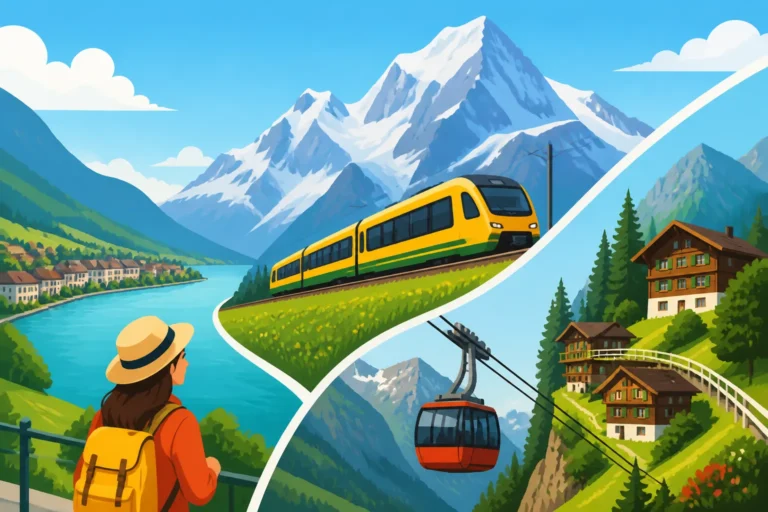
Without a doubt, public transport will likely be the heftiest part of your day trip budget, especially if you’re traveling a fair distance or heading up a mountain. The Swiss Federal Railways (SBB) network is phenomenal – punctual, clean, and comprehensive – but convenience comes at a price. A standard, full-fare return ticket from, say, Zurich to Interlaken can easily set you back well over CHF 70, and that's just for one person. Add in a mountain railway ticket, like the one to Jungfraujoch, and you're suddenly looking at hundreds of francs for a single day.
This is where many newcomers get caught out. They might glance at a train schedule and assume the prices are similar to what they're used to back home. Spoiler alert: they're not. For example, a trip to Zermatt involves a train ride, and then potentially the Gornergrat railway if you want those iconic Matterhorn views. Each leg is priced, and while worth it for the views, it requires careful budgeting. Furthermore, if you're exploring different regions, like hopping from the German-speaking part to the French-speaking Romandie, those fares accumulate rapidly. Even shorter trips within a canton can feel expensive if you're buying individual point-to-point tickets. It's crucial to acknowledge this upfront so you can strategize.
Food & Drink: Picnics vs. Restaurants
Eating out in Switzerland is a luxury. A casual lunch at a restaurant, even a modest one, can easily cost CHF 25-40 per person for a main course and a drink. Factor in dinner, and you're quickly hitting CHF 50-80+ per person daily, excluding alcohol or fancy coffees. A simple coffee can be CHF 5-7, and a bottle of water might be CHF 4 at a kiosk or train station. These small costs, often bought on the go, accumulate silently but swiftly throughout your day.
The allure of a lakeside terrace or a cozy mountain hut is undeniable, and sometimes, you just want to treat yourself. But if you do that for every meal and snack, your budget will evaporate faster than snow in July. I remember my first few months, mindlessly grabbing a sandwich and a drink at the train station only to realize I’d spent CHF 15 on something I could have made for a fraction of the cost. This is a common expat mistake, especially when you're caught up in the excitement of a new place. Don't be that expat!
Activities & Attractions: Mountain Peaks and Museums
Switzerland boasts some truly incredible attractions, from the soaring peaks accessible by intricate cable car systems to world-class museums and historic castles. However, entrance fees and activity costs can also be a significant budget drain. Visiting the "Top of Europe" at Jungfraujoch, for instance, can cost over CHF 200 per person even with some discounts. Many popular mountain excursions, like a trip up Mount Pilatus from Lucerne or Mount Titlis, involve expensive cable car or cogwheel train tickets that are separate from your SBB fare.
Even smaller attractions, like visiting a medieval castle or a regional museum, often have entrance fees of CHF 10-25. If you're traveling as a couple or a family, these costs multiply quickly. You might think, "Oh, it's just one castle," but if you're doing a day trip that involves public transport, lunch, and then two or three paid activities, your budget will feel the squeeze. For specific tours or guided experiences, using platforms like GetYourGuide can sometimes offer packaged deals or slightly better prices than buying directly, but these are still considered "splurge" activities for budget travelers. It’s all about picking your battles and knowing which experiences are truly non-negotiable for your day.
Smart Strategies for Slashing Day Trip Costs
Now that we've grimly stared down the beast of Swiss prices, let's talk about how to tame it. Over the years, I've gathered a treasure trove of tips and tricks that allow me to explore Switzerland extensively without constantly checking my bank balance. These aren't just for tourists; they're essential for residents who want to make the most of their adopted home.
Leveraging SBB Travelcards and Deals
This is the holy grail of saving money on Swiss transport. Relying on individual point-to-point tickets for every journey is a recipe for financial distress. The trick is to invest in a travelcard or hunt for specific deals.
The absolute game-changer for most expats is The Half-Fare Travelcard (Halbtax): The Must-Have Pass for Swiss Residents With a Half-Fare Card, you get 50% off almost all public transport – trains, buses, boats, and even most mountain railways. It costs around CHF 185 per year, and if you plan even a few day trips, it pays for itself incredibly quickly. Seriously, if you live here, get one. You can compare the cost of a few return trips, and you'll see the savings immediately. For longer, more intensive travel periods, some might consider if the SBB Travelcards: Is the Generalabonnement (GA) Worth the CHF 4000+ Cost? makes sense, offering unlimited travel, but that's a serious commitment usually for daily commuters.
Beyond the Half-Fare, always be on the lookout for Saver Day Pass (Spartageskarte): How Residents Save on Day Trips. These are limited-availability tickets that offer full-day travel across Switzerland for a fixed, often much lower, price, even without a Half-Fare Card (though it's even cheaper with one!). You need to book these well in advance, sometimes weeks or months ahead, but the savings can be substantial. For example, a Saver Day Pass can be as low as CHF 29 with a Half-Fare card or CHF 52 without one if booked early, for unlimited travel that day. That's an incredible deal compared to a single return ticket.
Another lesser-known gem is the municipal day pass (Gemeinde Tageskarte or Flexicard). Some communes offer daily SBB passes to their residents at a heavily discounted rate (e.g., CHF 40-50). Check your local commune's website, as these are also limited and require booking in advance.
When planning your route, use the SBB Mobile App, but also consider other options like Omio for comparing journey times and potential prices, especially if you're considering a cross-border trip for a day, like Cross-Border Trips: Visiting Milan and Lake Como from Switzerland. Sometimes, combining a regional bus with a train for part of the journey can cut costs, though it might take a bit longer.
The Art of the Swiss Picnic: DIY Meals
This is perhaps the single most effective way to cut down on your day trip expenses. Embrace the picnic culture! Switzerland is absolutely littered with stunning spots for an al fresco meal, from picturesque lakeside benches to panoramic mountain viewpoints.
Before you head out, pop into a Coop or Migros supermarket. These are ubiquitous, even in smaller towns, and offer a fantastic selection of fresh bread, local cheeses, cold cuts, fruits, and pre-made salads. You can assemble an incredible picnic for two for around CHF 10-15 – that's less than the price of one single mediocre sandwich from a train station kiosk. Don’t forget to bring your own reusable water bottle, as Switzerland’s tap water is famously safe and delicious, and there are often public fountains for refills. A thermos of coffee or tea will save you those CHF 5-7 cafe stops.
I learned this lesson quickly. My first year here, I spent a fortune on lunch. Now, my backpack for any day trip contains a fresh baguette, some Gruyère cheese, local apples, and maybe a small piece of chocolate. It’s not only cost-effective but also part of the Swiss experience. Many picnic spots even have public grills (Brätlistelle), so if your day trip destination has one, you can even pack some sausages (Bratwurst!) and enjoy a full BBQ experience. For more tips on this, check out our guide on Picnicking in Switzerland: Where to Buy Supplies and Sit.
Free and Low-Cost Activities: Nature is Your Friend
Switzerland's greatest treasures are its natural landscapes, and the best part is that most of them are free to enjoy! Hiking, swimming, and simply admiring the views don't cost a thing (beyond your transport, of course).
Instead of paying for every single museum, focus on the outdoors. Explore charming old towns, many of which are beautiful simply to wander through. Take a dip in one of the many pristine lakes or rivers during summer – check out Best Lakes for Swimming Near Zurich in Summer. Many cities also offer free walking tours, or you can download a self-guided one.
For mountain experiences, research options that are accessible with just a hike, or with a shorter, cheaper cable car ride. For instance, instead of a full trip to Jungfraujoch, consider hiking around a lower-altitude mountain like Rigi, which is still incredibly scenic and much more affordable via the cogwheel railway if you use your Half-Fare card. There are countless accessible hikes for all levels, from gentle strolls around a lake to more challenging alpine routes. Consulting resources like Swiss Hiking for Beginners: Trail Grades and the SAC System can help you find suitable and stunning trails.
Even if you choose a paid activity, look for combo deals or resident discounts. Often, booking online in advance can save you a few francs compared to buying at the counter. And while platforms like GetYourGuide are great for inspiration and convenience for paid tours, always cross-check prices directly with the attraction's website. If you are a resident, you might find specific local discounts not available elsewhere.
Sample Day Trip Budgets: Realistic Scenarios
Let's put these strategies into practice with some hypothetical, yet very realistic, day trip scenarios. These budgets are for one person, assuming you have a Half-Fare Card, which is truly the baseline for budget travel here.
A Budget-Friendly Lake & City Exploration (e.g., Lucerne or Thun)
This kind of day trip focuses on easy-to-reach cities with beautiful natural surroundings, minimal paid activities, and a strong reliance on self-catering.
| Category | Budget Approach (CHF) | Moderate Approach (CHF) |
|---|---|---|
| Transport | CHF 25-35 (e.g., Zurich to Lucerne, return with Half-Fare, or a Saver Day Pass (Spartageskarte): How Residents Save on Day Trips) | CHF 35-45 (slightly longer distance or more local transport) |
| Food & Drink | CHF 10-15 (Picnic lunch, snacks, water bottle refill, maybe one cheap coffee) | CHF 25-40 (Lunch at a casual cafe, a couple of coffees, small snack) |
| Activities | CHF 0-10 (Free walking, lake swim, exploring old town, maybe a small museum entry) | CHF 15-30 (Boat cruise on Lake Lucerne, entrance to Glacier Garden or Musegg Wall) |
| Miscellaneous | CHF 5 | CHF 10-15 |
| Total | CHF 40-65 | CHF 85-130 |
Example Day: Head to Lucerne. Take an early train from Zurich using your Half-Fare. Pack a picnic lunch and enjoy it by Lake Lucerne, perhaps after a refreshing swim. Wander through the beautiful old town, admire the Chapel Bridge, and visit the Lion Monument – all free. Maybe you splurge CHF 5 on an ice cream. For more ideas on how to spend minimal money, check out Free Things to Do in Swiss Cities on a Budget.
A Moderate Mountain Adventure (e.g., Rigi or Pilatus)
This involves a mountain excursion, which automatically raises costs, but we'll still keep it reasonable with smart choices.
| Category | Budget Approach (CHF) | Moderate Approach (CHF) |
|---|---|---|
| Transport | CHF 30-40 (Train to base, plus mountain railway with Half-Fare) | CHF 40-55 (More complex mountain ascent, multiple cable cars) |
| Food & Drink | CHF 15-20 (Hearty picnic, hot drink in a thermos) | CHF 30-50 (Lunch at a mountain restaurant, a couple of coffees/drinks) |
| Activities | CHF 0-10 (Hiking, enjoying views, short walks) | CHF 15-30 (Viewing platform, small exhibit, maybe a sled run if available) |
| Miscellaneous | CHF 5 | CHF 10-15 |
| Total | CHF 50-80 | CHF 95-150 |
Example Day: Tackle Mount Rigi. Take the train to Vitznau or Arth-Goldau with your Half-Fare. Your mountain railway ticket will be around CHF 30-40 return with the Half-Fare. Pack a substantial picnic and eat it overlooking the incredible views. Spend your time hiking one of the many trails (like the panorama trail from Rigi Kulm to Rigi Kaltbad). A hot chocolate at a mountain hut might be your only "splurge." Remember that Mountain Railway Discounts With the Half-Fare Card can make a big difference here.
The "Treat Yourself" Day (Still with Some Savings!)
Even when you want to splurge a bit, smart planning prevents runaway costs. This might include one significant paid activity and a nicer meal.
| Category | Budget Approach (CHF) | Moderate Approach (CHF) |
|---|---|---|
| Transport | CHF 35-50 (Train to base, plus moderate mountain ascent/boat trip with Half-Fare) | CHF 50-70 (More distant or more expensive mountain journey) |
| Food & Drink | CHF 20-30 (Nice cafe lunch OR simple picnic with a restaurant coffee & cake) | CHF 40-60 (Restaurant lunch, multiple drinks, maybe an Apéro snack) |
| Activities | CHF 40-60 (One main paid attraction, e.g., a specific boat cruise or a mid-range mountain ascent like a trip up a smaller peak in the Getting to Jungfrau Region: Interlaken to Grindelwald and Wengen area) | CHF 70-120 (A more premium experience like a longer boat tour with a meal, or a higher-cost mountain excursion) |
| Miscellaneous | CHF 10 | CHF 15-25 |
| Total | CHF 105-150 | CHF 175-275 |
Example Day: Perhaps a day trip to Gruyères, combining culture with indulgence. Train to Bulle/Gruyères with your Half-Fare. Visit Gruyères Castle (CHF 12-15 entry). Then, enjoy a traditional fondue for lunch in the village (around CHF 25-35 per person). Afterward, a walk around the charming village and maybe a visit to the Maison Cailler chocolate factory nearby (admission is free for the interactive tour, though tasting is extra, so check before you go). You still get a fantastic, memorable day without hitting the triple-digit transport costs of the highest peaks.
Planning Your Budget-Friendly Adventures
Successful budget day tripping isn't just about saving money on the day itself; it starts with smart planning. A little bit of homework can go a long way in ensuring you get the most bang for your buck.
Researching and Booking Smart
Never, ever just show up and expect to find the best deals. Switzerland rewards planners. Always start your research by looking at SBB.ch or the SBB Mobile App for train times and ticket prices. As mentioned, buying Saver Day Pass (Spartageskarte): How Residents Save on Day Trips early can drastically cut transport costs. If you're planning several trips over a short period, consider if a multi-day pass like a Swiss Travel Pass (usually for tourists, but sometimes valid if you don't have a Half-Fare and travel extensively) makes sense, though typically for residents the Half-Fare is superior.
For activities, look for websites of the specific attractions. Many will have "early bird" discounts or family passes that aren't widely advertised. Sometimes, the tourism office of the specific town (e.g., Zermatt Tourism, Lucerne Tourism) will have packages or local cards that offer discounts on multiple attractions. Don't forget to pack What to Pack for a Day Trip to the Swiss Alps, especially if you are venturing into the mountains. Proper gear can save you from unexpected purchases or discomfort.
If you're looking for curated experiences or perhaps even a slightly better deal on a specific tour that combines transport and entry, platforms like GetYourGuide can be useful. While I always advocate for DIY to save money, sometimes a specific, pre-packaged tour can offer convenience or access to something you couldn't easily arrange yourself, particularly for more niche activities. For example, if you wanted to do a specific cheese-making workshop and tour, GetYourGuide might bundle that.
Essential Tools and Apps
Beyond the SBB app, there are a few other digital companions that will become your best friends for budget travel in Switzerland:
- Google Maps / SwitzerlandMobility: Essential for planning routes, finding walking paths, and knowing public transport connections. SwitzerlandMobility is fantastic for detailed hiking and cycling routes, often showing public transport connections to trailheads.
- Weather Apps: Always check the weather before a day trip, especially to the mountains. Swiss weather can change in an instant! MeteoSwiss is the local favorite.
- Supermarket Apps: Download the Coop and Migros apps. They often have digital coupons and loyalty programs that can shave a few francs off your picnic supplies.
- Omio: While SBB is king for direct Swiss train tickets, if you're exploring options for more complex journeys or cross-border connections, Omio can help you compare different modes of transport (train, bus, even flights for longer distances) from various providers, potentially revealing cheaper alternatives for parts of your journey or for future trips beyond Switzerland.
- Booking.com: While mainly for overnight stays, if you're ever thinking about extending a day trip into an overnight stay to explore more or get an early start, Booking.com is a good place to scout for affordable accommodation in your chosen base town. Sometimes, a cheap hostel or guesthouse can make a multi-day exploration more feasible than rushing back and forth every day.
By being proactive, researching diligently, and embracing the "Swiss way" of sensible spending, you absolutely can explore the stunning beauty of Switzerland without breaking the bank. It just takes a little planning, a good backpack, and a love for a well-packed sandwich!
Disclaimer
Please remember that all information provided in this guide is for general informational purposes only and is subject to change. While we strive to provide accurate and up-to-date information, prices, regulations, and availability can fluctuate. Always double-check current prices, opening hours, and specific requirements with official sources before making any travel plans or financial decisions. We do not assume any liability for the accuracy, completeness, or timeliness of the information.