Cross-Country Skiing (Langlauf) in Switzerland for Beginners
When you first arrive in Switzerland, the sheer spectacle of the Alps can feel a bit daunting, especially when everyone seems to be effortlessly gliding down black diamond slopes on their downhill skis. It's easy to feel like winter sports are an exclusive club you're not quite ready for. But I'm here to tell you there’s a much more serene, accessible, and equally beautiful way to embrace the Swiss winter landscape: cross-country skiing, or Langlauf as the locals call it. This guide will walk you through everything you need to know to get started, from gear to gorgeous trails, without feeling overwhelmed.
Why Cross-Country Skiing, Anyway? The Gentle Winter Sport for Expats
Let's be honest, downhill skiing in Switzerland can be an intimidating, and frankly, expensive affair for newcomers. The crowded slopes, the high-speed lifts, the constant fear of a wipeout in front of a sea of experts – it's not for everyone. Cross-country skiing, however, offers a completely different, much calmer experience that I've come to adore during my years here. It's truly one of the best ways to experience the pristine winter beauty without the adrenaline rush, and it's a fantastic full-body workout to boot!
The Allure of Langlauf: What Makes It Different
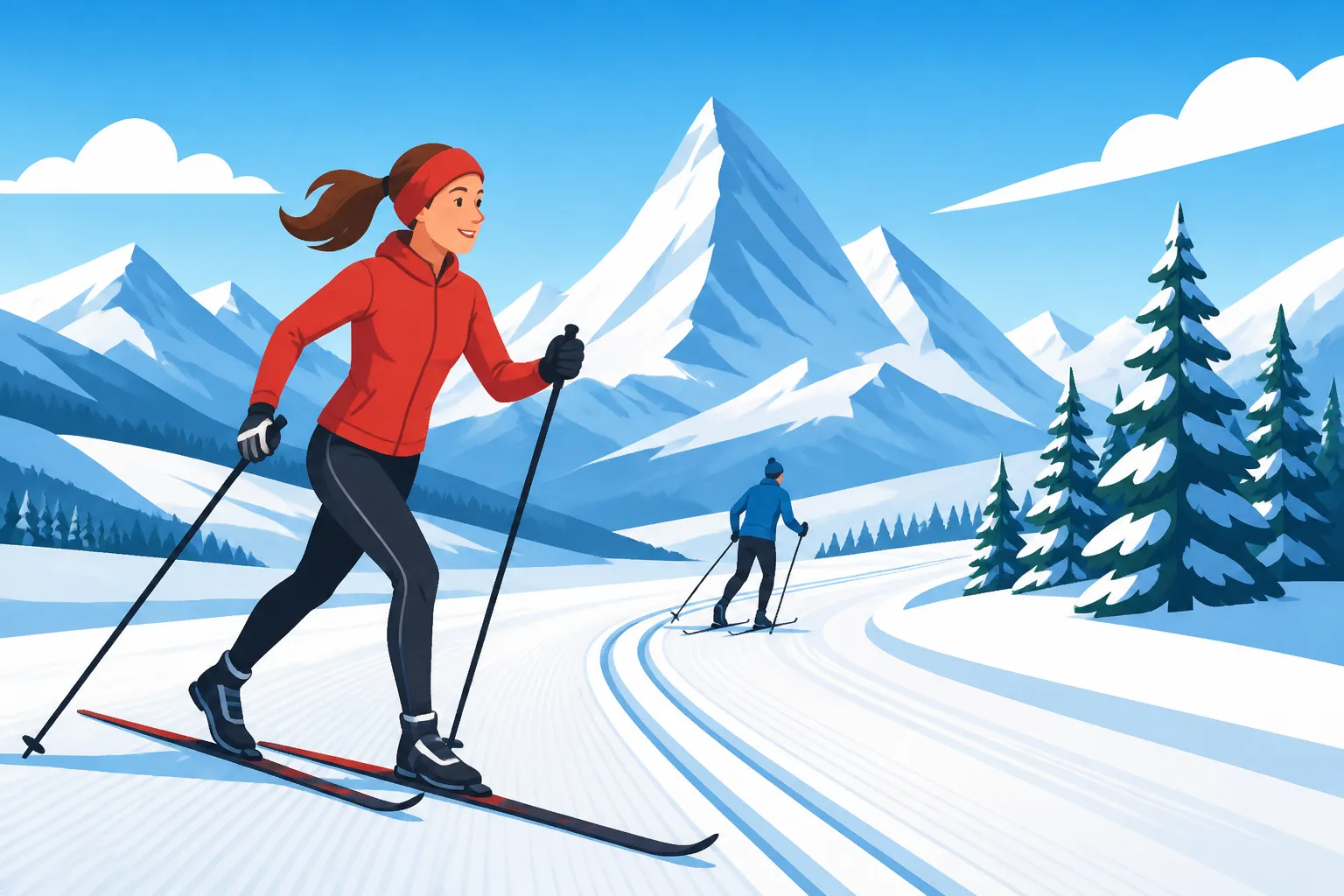
Imagine gliding through a silent, snow-covered forest, the only sounds the soft swish of your skis and your own steady breath. No lift queues, no jarring descents, no crowds jostling for space. That's the magic of Langlauf. It’s often described as a graceful dance or a brisk walk on skis, engaging every major muscle group in your body while allowing you to soak in the tranquil surroundings. For many expats, it's a revelation – a winter activity that combines exercise, mindfulness, and breathtaking scenery in a way that downhill just can't match.
It's also significantly less prone to serious injury compared to downhill skiing, making it a wonderful option for families or anyone a bit hesitant about high-speed sports. You're typically on relatively flat or gently rolling terrain, allowing for a relaxed pace where you can truly appreciate your surroundings. Plus, the gear is lighter and easier to manage, which is a huge bonus when you're still getting the hang of things. If you're looking for other ways to experience the quiet beauty of the snow without skis, consider exploring options for Snowshoeing and Winter Hiking in Switzerland for Non-Skiers.
Classic vs. Skating: Understanding the Styles
Before you even touch a pair of skis, it's helpful to understand that there are two main styles of cross-country skiing, each with its own technique and equipment:
- Classic Style (Diagonal Stride): This is probably what you picture when you think of cross-country skiing. You essentially shuffle or "walk" on skis in parallel tracks carved into the snow (called Loipen). Your skis stay relatively straight, and you use a kicking and gliding motion. It feels very natural, almost like a brisk walk, and is generally the recommended starting point for beginners. The technique is intuitive, and you'll find yourself moving forward with surprising ease after just a little practice.
- Skating Style (Freestyle): As the name suggests, this style is more akin to ice skating, using a V-shaped motion to propel yourself forward on wide, groomed trails. It's faster, more dynamic, and requires a higher level of fitness and coordination. The equipment is also different – shorter skis, stiffer boots, and longer poles. While it looks super cool, it’s definitely not where you want to start as a beginner. Master the classic style first; you'll have plenty of time to try skating once you've built confidence and technique.
For your first foray into Langlauf, stick with the classic style. It's forgiving, fun, and offers a gentler introduction to the sport.
Gearing Up Without Breaking the Bank: Equipment Essentials & Where to Find Them
One of the beautiful things about cross-country skiing is that the equipment is much less cumbersome and generally more affordable than downhill gear. Still, as a beginner, the last thing you want to do is invest in expensive equipment only to find it's not your cup of tea. That's why renting is always the smart first move.
Skis, Boots, Poles: What You Need
Let’s break down the essential pieces of equipment for classic cross-country skiing:
- Skis: Classic cross-country skis are longer and narrower than downhill skis, designed to glide smoothly in the groomed tracks. Crucially, they have a "kick zone" underfoot that helps you grip the snow when you push off, and glide zones at the tip and tail. For beginners, wider, more stable "touring" skis are often recommended, as they offer better balance.
- Boots: Cross-country boots are lightweight and resemble hiking boots, but with a toe piece that clips into the binding on the ski, leaving your heel free to lift. Classic boots are softer and allow for more ankle flexibility compared to the stiffer skating boots. They’re designed for comfort and control in the tracks.
- Bindings: These are the mechanisms that connect your boot to the ski. Don't worry too much about the specific system (NNN, SNS, Prolink) when renting; the rental shop will ensure your boots and skis are compatible.
- Poles: Cross-country poles are longer than downhill poles, typically reaching your armpit or shoulder when standing. They assist with balance and propulsion, helping you get that full-body workout.
When you rent, the staff will help you choose the right size skis (based on your height and weight) and poles, and ensure your boots fit comfortably. It’s exactly the same process as Renting Ski Equipment in Switzerland: Costs and Where to Book for downhill, just with different gear!
Layering Like a Local: Clothing for Comfort
The key to staying comfortable while Langlaufing is layering. You’ll be exercising, so you'll generate a lot of body heat, but you also need protection from the cold, wind, and potentially snow. Avoid cotton at all costs; once it gets wet, it stays wet and makes you cold.
Here’s a typical setup:
- Base Layer: A moisture-wicking synthetic or merino wool top and bottom. This is crucial for drawing sweat away from your skin.
- Mid-Layer: A fleece or thin insulated jacket for warmth. You might take this off once you warm up.
- Outer Shell: A windproof and water-resistant jacket and pants. These should be breathable to prevent overheating. Many cross-country specific jackets are thinner and more flexible than downhill jackets.
- Accessories: A warm hat (or headband), thin gloves that allow for good grip on poles, and a neck gaiter or scarf. Wool socks are a must!
Think activewear rather than bulky ski suits. You want to be able to move freely. If you're preparing for a day out in the elements, much of this advice overlaps with What to Pack for a Day Trip to the Swiss Alps.
Where to Rent and Buy Gear
For beginners, renting is absolutely the way to go. Most major ski resorts and many smaller winter sports villages in Switzerland have rental shops. Look for:
- Local Sports Shops: Chains like Intersport Rent and Ochsner Sport often have cross-country rental packages. Many independent sports shops in areas known for Langlauf will also offer rentals.
- Online Booking: Some rental shops allow you to book your equipment online in advance, which can save time, especially on busy winter weekends.
- Resort Centers: Many cross-country centers have their own rental facilities right by the trails. This is super convenient!
Expect to pay around CHF 30-50 for a full day's rental of skis, boots, and poles. Multi-day rentals usually offer a slight discount. If you decide to commit to the sport, then you can start looking at purchasing gear, perhaps from larger retailers or even second-hand markets.
Finding Your Groove: Best Beginner-Friendly Trails and Lessons in Switzerland
Once you're geared up, it's time to hit the Loipen! Switzerland is crisscrossed with thousands of kilometers of beautifully maintained cross-country trails. Many areas are incredibly beginner-friendly, and booking a lesson will make all the difference.
Choosing the Right Trail: Loipen Types and Signs
Swiss Loipen are meticulously maintained, and you'll often see clear signage indicating the difficulty, length, and style (classic or skating).
- Trail Markings:
- Green/Blue: Easy, flat, or gently rolling terrain, perfect for beginners.
- Red: Medium difficulty, with more ascents and descents.
- Black: Difficult, steep climbs and challenging downhills, for experienced Langlaufers.
- Loipenpass: This is crucial! Most well-groomed cross-country trails require a Loipenpass, which is essentially a trail fee. A national Loipenpass costs around CHF 160 for the season, but individual day passes or weekly passes are also available, usually costing CHF 10-20. This money goes directly towards maintaining the superb quality of the trails. You can often buy these at tourist offices, sports shops, or directly at the start of the Loipen. Understanding local customs like this is part of Swiss Customs and Etiquette: Social Norms Every Newcomer Should Know.
Always start with blue trails. They are designed for learning and offer a safe, enjoyable experience.
Top Beginner Spots in Switzerland
Switzerland boasts some truly spectacular Langlauf regions. Here are a few that are particularly welcoming for beginners:
- Goms, Valais: Often called the "paradise for cross-country skiers," Goms in the Valais canton offers over 100 km of Loipen with breathtaking views of the Rhone Valley. Many sections are flat and easy, ideal for beginners, and there are several cross-country centers offering rentals and lessons. It's easily accessible by train, making it a perfect destination for a car-free winter escape.
- Kandersteg, Bernese Oberland: This charming village offers a range of Loipen, including lovely flat loops along the valley floor that are perfect for getting your rhythm. The scenery here is dramatic, with towering peaks all around. The cross-country center is well-equipped for beginners.
- Engadin, Graubünden: While famous for its challenging trails and the Engadin Skimarathon, areas around St. Moritz, Pontresina, and Zuoz also feature extensive networks of beginner-friendly Loipen. The wide, open valleys provide ample space to learn, and the high-altitude ensures reliable snow. You might consider using a platform like Booking.com to find accommodation here and secure your stay close to the trails.
- Les Mosses / La Lécherette, Vaud: In the French-speaking part of Switzerland, this area offers beautiful trails through forests and open pastures. The gentler terrain here is fantastic for beginners and families, with stunning views of the surrounding Vaudois Alps.
Many of these locations are well-connected by Switzerland's fantastic public transport system. You can easily plan your journey via train, and for tickets, I highly recommend checking out Omio for convenient booking options, especially if you're venturing out of your usual canton.
Lessons Are Your Best Friend
Seriously, don't try to teach yourself. A professional instructor will correct bad habits before they form and get you gliding confidently in no time. Most major cross-country centers and even smaller village ski schools offer lessons:
- Group Lessons: These are more affordable and a great way to meet other beginners. You'll learn the basics in a supportive environment.
- Private Lessons: If you prefer one-on-one attention, a private lesson can accelerate your learning curve significantly.
- English-Speaking Instructors: In popular tourist areas, you'll almost always find instructors who speak English. Don't hesitate to ask when booking.
Many places offer packages that include equipment rental, a trail pass, and a group lesson. Look for these "try-out" packages on local tourism websites or through platforms like GetYourGuide, which sometimes offers beginner winter sports experiences. It's worth every penny to get proper instruction from the start!
Practical Tips for a Smooth First Langlauf Experience
So you've got your gear, you know where you're going, and you're ready to embrace the tracks. Here are a few final tips to make your first Langlauf adventure as enjoyable as possible.
The Loipenpass and Trail Etiquette
As mentioned, the Loipenpass is your ticket to the tracks. Make sure you purchase one. It's a small investment that ensures the trails remain in excellent condition for everyone to enjoy. Respecting this system is part of integrating into Swiss life.
Beyond the pass, there's a simple etiquette to follow:
- Stay in the Tracks (for classic): If you're classic skiing, use the tracks provided. Don't ski outside them unless you're on a designated skating trail.
- Keep Right, Pass Left: Like driving, generally keep to the right side of the track. If you're passing someone, do so on their left and give them plenty of space.
- Don't Stop in the Tracks: If you need to stop for a break, to adjust your gear, or just to admire the view, move off to the side of the Loipen to avoid obstructing others.
- Know Your Direction: Many Loipen are one-way loops. Pay attention to the signs to ensure you're going in the correct direction.
- Clean Up: Pack out everything you pack in. Leave no trace of your presence.
These small courtesies ensure everyone has a pleasant experience on the trails.
Getting There: Public Transport & Planning
One of the great joys of living in Switzerland is the unparalleled public transport system. Most cross-country areas are incredibly accessible by train and bus.
- SBB (Swiss Federal Railways): Plan your journey on the SBB website or app. It's incredibly user-friendly and will give you exact connections and timings. Many smaller PostBus routes connect directly from train stations to the Loipen access points.
- Travelcards: If you plan to explore Switzerland by Train: The SBB Network, Scenic Routes, and Day Trips, especially during winter, investing in a The Half-Fare Travelcard (Halbtax): The Must-Have Pass for Swiss Residents is a no-brainer. It cuts the cost of virtually all train, bus, and boat tickets by 50%. While a SBB Travelcards: Is the Generalabonnement (GA) Worth the CHF 4000+ Cost? might be overkill for just Langlauf trips, the Half-Fare Card is almost always a good investment.
- Luggage: You can often transport your skis on trains, sometimes for a small fee, or by using the SBB's luggage services if you're staying for a few days.
Fuelling Your Adventure: Food, Drink, and Breaks
Even though it's a gentle sport, Langlauf is still exercise! Make sure you stay hydrated and fueled.
- Carry Water and Snacks: A small backpack with a water bottle and some energy bars, nuts, or fruit will be your best friend.
- "Beizli" and "Langlauf-Stübli": Many Loipen networks have small, cozy inns or "Stübli" (small rooms) along the way where you can stop for a warm drink, a simple meal, or a traditional Swiss snack. These are perfect for a mid-ski break and to warm up. Don't be afraid to try some local specialties; it's all part of the Swiss Food and Drink Culture: Regional Specialties and Dining Etiquette.
- Sun Protection: Even on cloudy days, the reflection off the snow can be intense. Wear sunglasses and apply sunscreen to any exposed skin.
Cross-country skiing offers a peaceful and rewarding way to experience the Swiss winter. It's an opportunity to slow down, connect with nature, and get a fantastic workout without the pressures of more intense winter sports. So, grab your gear, find a blue Loipen, and embrace the gentle glide!
Beginner-Friendly Cross-Country Skiing Areas in Switzerland
To help you get started, here's a quick overview of some excellent beginner-friendly cross-country skiing regions in Switzerland.
| Region / Canton | Key Features for Beginners | Rental Shops On-site / Nearby | Loipenpass Cost (Day/Season est.) | Public Transport Access |
|---|---|---|---|---|
| Goms, Valais | Extensive flat tracks, beautiful scenery, dedicated centers. | Yes, at cross-country centers | CHF 15 / CHF 160 | Excellent (train to main villages) |
| Kandersteg, Bern | Charming village, scenic valley loops, relaxed atmosphere. | Yes, in the village | CHF 10 / CHF 120 | Good (train to Kandersteg) |
| Engadin, Graubünden | Wide, open valleys, reliable snow, high altitude, diverse trails. | Yes, in St. Moritz/Pontresina | CHF 10 / CHF 170 | Good (train to St. Moritz/Pontresina) |
| Les Mosses, Vaud | Forested and open terrain, gentler slopes, family-friendly. | Yes, in Les Mosses | CHF 10 / CHF 100 | Fair (bus from Le Sépey train station) |
| Sörenberg, Lucerne | High-altitude moorland, diverse trails, good for nature lovers. | Yes, in Sörenberg | CHF 10 / CHF 90 | Fair (bus from Schüpfheim train station) |
(Note: Costs are approximate and subject to change each winter season. Always check official regional tourism websites for the most current information.)
Disclaimer
The information provided in this article is intended for general guidance and informational purposes only. While we strive to offer accurate and up-to-date content based on common expat experiences in Switzerland, rules and regulations can change, and individual circumstances vary greatly. We recommend consulting official government websites, local authorities, and professional advisors for personalized advice regarding visas, legal matters, financial planning, or any specific situation you may encounter. Our aim is to share insights from an expat's perspective, but this should not be considered a substitute for official information or professional consultation.