Trail Running in the Swiss Alps for Beginners
The Swiss Alps call to you, don't they? That crisp mountain air, the panoramic views, the sheer scale of nature – it’s intoxicating. But when you look at those towering peaks, the idea of running through them can feel utterly daunting, like an impossible feat reserved only for those superhuman ultra-marathoners you see gracing magazine covers. Believe me, I've been there, staring up at a path thinking, "There's no way." This guide is for every expat and visitor who feels that pull but needs a realistic, empathetic hand to get started with trail running in this magnificent country. We'll break down the myths, equip you with the right mindset and gear, and point you to the best beginner-friendly routes, so you can transform that intimidation into exhilaration.
Why Trail Running in the Swiss Alps is a Game Changer (and a Challenge)
Let's be honest, the idea of pounding pavement feels a bit… boring when you're surrounded by such natural grandeur. Trail running offers an entirely different sensory experience, but it also comes with its own unique set of demands that are crucial to understand before you lace up.
The Allure: Breathtaking Scenery and Physical Benefits
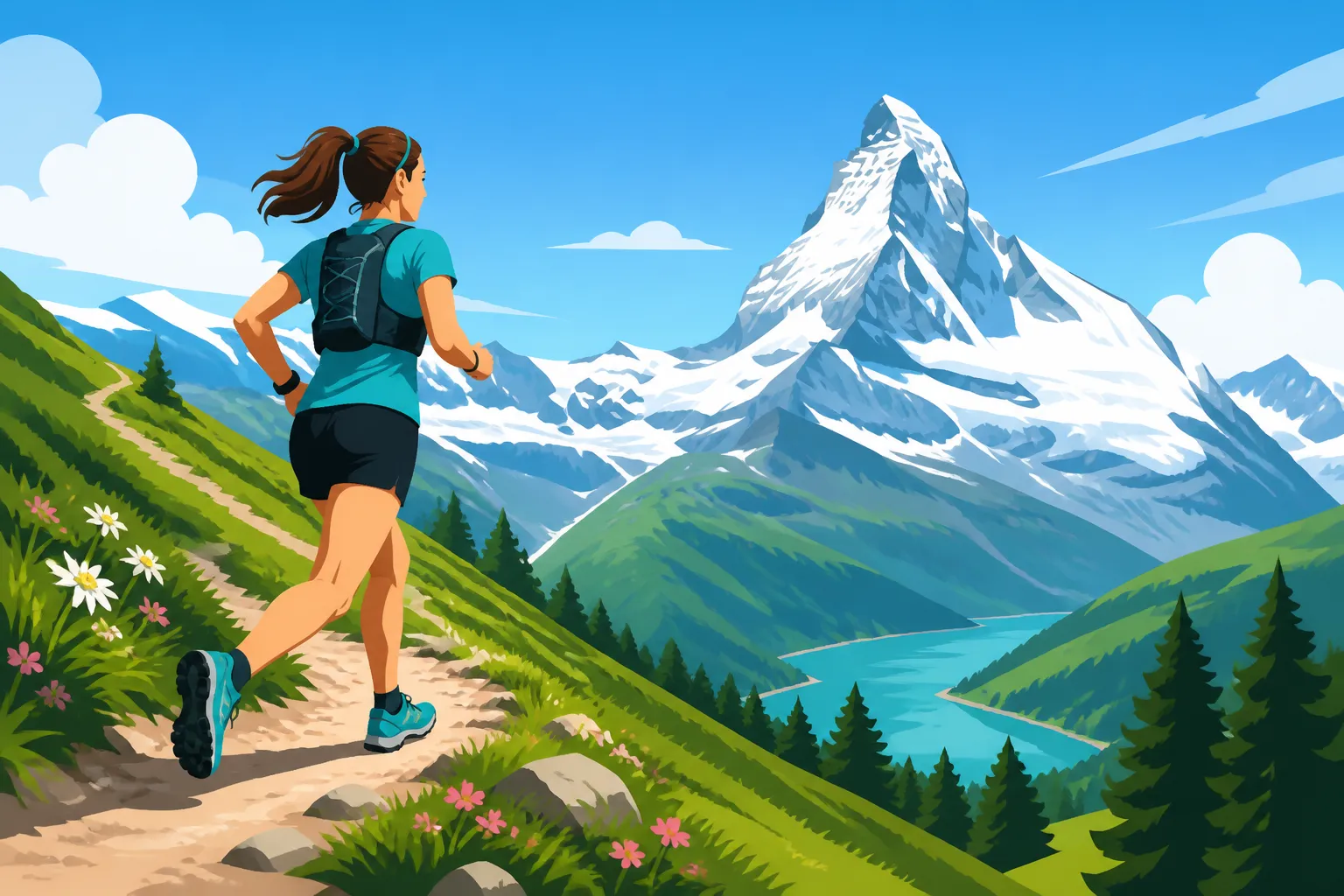
There's something profoundly therapeutic about leaving the asphalt behind and finding your stride on a dirt path, surrounded by pine forests and the distant chime of cowbells. When you trail run in the Swiss Alps, you’re not just exercising; you're immersing yourself in a living, breathing postcard. Imagine cresting a ridge and being greeted by an uninterrupted vista of snow-capped peaks, or running alongside a turquoise glacier lake, feeling the cool spray on your face. It's a mental escape as much as a physical workout. The uneven terrain constantly engages different muscle groups that road running simply doesn't, strengthening your ankles, improving your balance, and boosting your core stability. The fresh, crisp mountain air feels invigorating, clearing your lungs and your mind, often leaving you with a profound sense of calm and accomplishment that lasts long after your run. It's an antidote to city life, a way to truly connect with Switzerland's wild heart.
The Reality Check: What Makes Alpine Running Different
Now, let's get real. Those picturesque trails are also demanding. The biggest difference you'll immediately notice is the terrain itself. Forget flat, predictable surfaces; you'll be navigating everything from loose gravel and exposed roots to slippery rocks, mud, and narrow singletrack paths. Ascents can be incredibly steep and seemingly endless, while descents will challenge your quads and your nerve in ways you never thought possible. Then there's the altitude. Even at moderate elevations, you might find yourself breathing harder and feeling fatigued quicker than at sea level. Your body needs time to adapt, so don't expect to hit your road running paces.
Perhaps the most underestimated challenge is the notoriously fickle Swiss mountain weather. A sunny morning can quickly turn into a chilly, rainy, or even snowy afternoon, even in summer. This isn't just an inconvenience; it can be a safety concern. Navigation can also be trickier than in a city park. While Swiss trails are generally well-marked, it's easy to get disoriented, especially if fog rolls in or you venture onto less-traveled paths. This isn't to scare you off, but to prepare you. Respecting the mountains means understanding their power and planning accordingly.
Getting Started: Essential Gear, Training, and Safety for Beginners
Jumping into trail running doesn't require an enormous investment, but a few key pieces of gear will make all the difference for your comfort and safety. More importantly, a smart training approach and a solid understanding of mountain safety are non-negotiable.
Kitting Out: What You Actually Need (and What You Can Skip)
First and foremost: trail running shoes. This isn't just marketing hype. Road running shoes won't cut it. You need shoes with aggressive lugs for grip on uneven surfaces, better ankle support, and often a rock plate for protection against sharp stones. Brands like Salomon, Hoka, and Brooks (with their specific trail models) are popular choices and can be found at local sports shops or online retailers like Galaxus. Don't cheap out here; your feet will thank you.
Next, layers. Even on a warm day, temperatures drop significantly at higher altitudes or when the sun disappears behind a cloud. A lightweight, breathable base layer, a mid-layer for warmth (like a fleece), and a packable, waterproof/windproof jacket are essential. Avoid cotton, which holds moisture and can make you cold. Look for technical fabrics that wick sweat away. A small hydration vest or backpack (5-10 liters) is crucial for carrying water, snacks, your layers, a basic first-aid kit, and your phone. Forget running with a water bottle in hand; you'll need both hands free for balance.
Optional but highly recommended for beginners: Trekking poles. They might feel awkward at first, but they significantly reduce strain on your knees during descents and provide extra stability on tricky terrain. You can pick up a decent pair at most Decathlon stores or local sports retailers. You probably don't need fancy GPS watches or super-light racing gear when you're just starting; focus on the fundamentals. For a more comprehensive overview of essentials, check out our guide on What to Pack for a Day Trip to the Swiss Alps.
Building Your Base: Training for the Trails
If you're already a road runner, you've got a great foundation, but trail running uses different muscles. Start by incorporating hills into your regular runs. Find some steep inclines and practice power hiking up them, then controlling your descent. This builds quad strength and confidence. Focus on foot placement – don't just stare at the ground, but look a few steps ahead to anticipate obstacles. Cross-training is also your friend: strength training for your core and legs will prevent injuries, and activities like hiking or cycling will build aerobic fitness without the high impact.
The key is to start slow and gradually increase your distance and elevation. Don't be discouraged if your pace drops significantly. Trail running is more about time on feet and vertical gain than raw speed.
Here's a simple progression table for beginner trail runners:
| Phase | Focus | Activity Examples | Duration |
|---|---|---|---|
| Phase 1 | Walk/Run Introduction | Flat, easy dirt paths (park trails, lake shores), 1-2 min run, 5 min walk | 2-4 weeks |
| Phase 2 | Gentle Incline Adaptation | Rolling hills, gradual ascents; focus on power hiking uphills, gentle running descents | 3-5 weeks |
| Phase 3 | Varied Terrain & Strength | Moderate trails with roots/rocks, longer continuous running sections, strength training (lunges, squats) | 4-6 weeks |
| Phase 4 | Longer Efforts & Mountain Prep | Longer runs (90+ min), more technical trails, practice with pack weight, incl. 1-2 actual mountain trail runs | Ongoing |
Remember, consistency beats intensity. If you find yourself struggling with persistent aches or pains, don't ignore them. Consulting with a specialist for Medical Fitness and Physiotherapy: Getting a Doctor's Prescription for Rehab can help identify imbalances and prevent more serious injuries down the line.
Safety First: Navigating the Unexpected
The Swiss Alps are stunning, but they demand respect. Always, always check the weather forecast before heading out, especially on sites like MeteoSwiss or by using a reliable weather app. Be prepared for conditions to change rapidly, packing those layers even if it starts sunny. Inform someone of your planned route and estimated return time – a quick text to a friend or family member can be a literal lifesaver. Carry enough water and snacks; you'll burn more calories than you think.
A fully charged phone is essential, but don't rely solely on it. Consider carrying a small, physical map and compass, or at least have an offline map downloaded (like the SwissTopo app or Gaia GPS). Learn to recognize Reading Swiss Trail Signs: Yellow, White-Red-White, and Blue Markers as these are your primary navigation tools. If visibility drops due to fog or storm, or if you feel unwell, don't hesitate to turn back. There's no shame in postponing a run for another day. In case of a serious emergency, knowing the local numbers is vital; familiarize yourself with Emergency Medical Services: Ambulances, REGA, and Crisis Protocols so you know when to call 144. For more details on staying safe, our guide on Mountain Safety in Switzerland: Weather, Gear, and Emergency Numbers is a must-read.
Finding Your Feet: Beginner-Friendly Trails and Resources
So, where do you actually start without throwing yourself off a cliff (metaphorically speaking, of course)? The good news is, Switzerland is crisscrossed with thousands of kilometers of trails, many of which are perfect for easing into the sport.
Where to Begin: Accessible Trails for Your First Alpine Runs
When choosing your first trail, look for routes that are relatively flat or have gentle, sustained climbs rather than short, sharp, and technical ascents. Trails around lakes, in lower-lying valleys, or those designated as easy hiking routes are ideal. For example, the trails around Lac de Joux in the Jura mountains offer stunning lakeside views with minimal elevation gain, providing a great taste of natural terrain without the intimidating alpine feel. Similarly, many paths in the Emmental Valley, famous for its cheese, feature rolling hills and scenic countryside that are perfect for building confidence on varied surfaces.
If you're near a major city, look for easy trails just outside. For those in the German-speaking part, the Uetliberg near Zurich offers excellent, well-maintained paths that provide fantastic city views and a good workout without extreme alpine conditions. Similarly, the Salève mountain just outside Geneva offers beautiful panoramic views and a network of trails suitable for beginners, accessible by public transport. Our guide on Best Easy Day Hikes Near Zurich and Geneva provides some excellent starting points that can easily be adapted for a beginner trail run.
Always check the trail difficulty – Swiss trails are well-graded. Start with yellow-marked hiking paths; they are generally well-maintained and less technical. As you gain confidence, you can move to white-red-white marked mountain trails. Utilize online resources like SwitzerlandMobility, which offers a vast network of mapped routes across the country, complete with elevation profiles and difficulty ratings. Many modern trail runners also swear by Hiking Apps for Switzerland: SwitzerlandMobility and Komoot for navigation and route planning.
Guided Runs and Groups: Easing into the Alpine Community
One of the best ways to kickstart your trail running journey is to not go it alone. Joining a guided run or a local running group can provide invaluable local knowledge, introduce you to suitable trails, and offer a sense of camaraderie. Many larger towns and cities have running clubs (Vereine) that organize group runs, often catering to different paces and experience levels. These groups are fantastic for meeting fellow expats and locals alike, and you’ll discover trails you might never have found on your own. It's a great way to delve into Volunteering and Local Clubs (Vereine): The Best Way to Meet Swiss People and quickly feel at home.
For those who prefer a more structured experience, consider booking a beginner-friendly trail running tour. Platforms like GetYourGuide offer a variety of outdoor activities, and you might find local guides who specialize in introductory trail running experiences in regions like Interlaken or the Bernese Oberland. These guides can provide tailored advice on technique, pacing, and safety, allowing you to focus on the experience without worrying about navigation. Plus, there’s safety in numbers, which is always a bonus when you're exploring unfamiliar mountain terrain.
Planning Your Adventure: Transport and Accommodation Tips
Switzerland's public transport system is legendary, and it's your best friend when it comes to accessing trailheads. The SBB train network, complemented by an extensive PostBus system, can get you to almost any starting point in the Alps. Use the SBB Mobile app to plan your journeys, check connections, and buy tickets. For regular users, investing in The Half-Fare Travelcard (Halbtax): The Must-Have Pass for Swiss Residents is almost always a no-brainer, saving you a substantial amount on train and bus fares. This makes even remote trailheads easily reachable, allowing you to venture further afield without needing a car. You can often reach fantastic trail spots via a simple Day Trips by Train: The Best Swiss Destinations Within Two Hours from your base.
If you're planning a multi-day trail running adventure or simply want to stay close to your chosen trails, consider booking accommodation strategically. Websites like Booking.com are excellent for finding hotels, guesthouses, or even mountain huts (though hut stays require a bit more planning and often earlier booking, especially in peak season). Staying in a small mountain village means you can literally step out your door and onto a trail, maximizing your running time and minimizing travel stress.
Maintaining Motivation and Progressing Your Trail Running Journey
The initial excitement might be high, but like any new sport, maintaining momentum is key. Trail running is a journey, not a sprint, and there will be days when it feels incredibly tough.
Embrace the Power Hike: It's Not Cheating!
This is perhaps the most important mindset shift for road runners transitioning to trails, especially in the Alps. You will encounter hills so steep that running them is simply unsustainable, if not impossible, for long stretches. This is where the "power hike" comes in. It's a fast, efficient walk that still elevates your heart rate and moves you forward. Even elite trail runners power hike up the steepest sections of races. There’s no shame in it – it’s a strategic choice that conserves energy, allows you to maintain momentum, and prevents burnout. Focus on consistent effort and smooth movement rather than trying to run every single step. Think of it as embracing the unique demands of the terrain rather than giving up. Your body will adapt over time, and you’ll find yourself running more and more of those challenging climbs.
Listen to Your Body and Recover Smart
Trail running, particularly in the mountains, places significant stress on your body. The uneven terrain and constant changes in elevation work your muscles and joints in unique ways. It's crucial to listen to your body and prioritize recovery. Don't fall into the trap of overtraining, especially in the early stages. Rest days are just as important as running days, allowing your muscles to repair and strengthen. Incorporate stretching, foam rolling, and perhaps even a relaxing dip in one of Switzerland's stunning lakes or thermal baths to aid recovery. Hydration and proper nutrition, including sufficient protein, are also critical for supporting muscle repair and overall energy levels. Pushing too hard, too fast, is a surefire way to invite injury and dampen your enthusiasm. Be patient with yourself; progress on trails often feels slower than on roads, but the rewards are far greater.
The Community and the Journey: Finding Your Tribe
As you continue on your trail running journey, you'll find that the community aspect is incredibly enriching. Whether it's through local running clubs, online forums, or just striking up conversations with fellow runners on the trails, sharing experiences and tips can be hugely motivating. Switzerland has a vibrant outdoor culture, and many expats find their strongest connections through shared hobbies. You might even find yourself inspired to participate in one of the many local trail races that take place throughout the summer and autumn. These events are often less about winning and more about the shared challenge, the stunning scenery, and the incredible atmosphere. Embracing this sense of community, celebrating small victories, and enjoying the process are what truly make trail running in the Swiss Alps such a unique and rewarding experience. It's about finding your stride, yes, but also about finding your place in this incredible landscape and connecting with others who share your passion.
Disclaimer
The information provided in this guide is for general informational purposes only and does not constitute professional advice. While we strive to provide accurate and up-to-date information, rules, regulations, and best practices can change. Always consult with relevant authorities, professional guides, or medical experts for specific advice tailored to your situation. Outdoor activities carry inherent risks; always prioritize your safety, assess conditions, and be prepared.