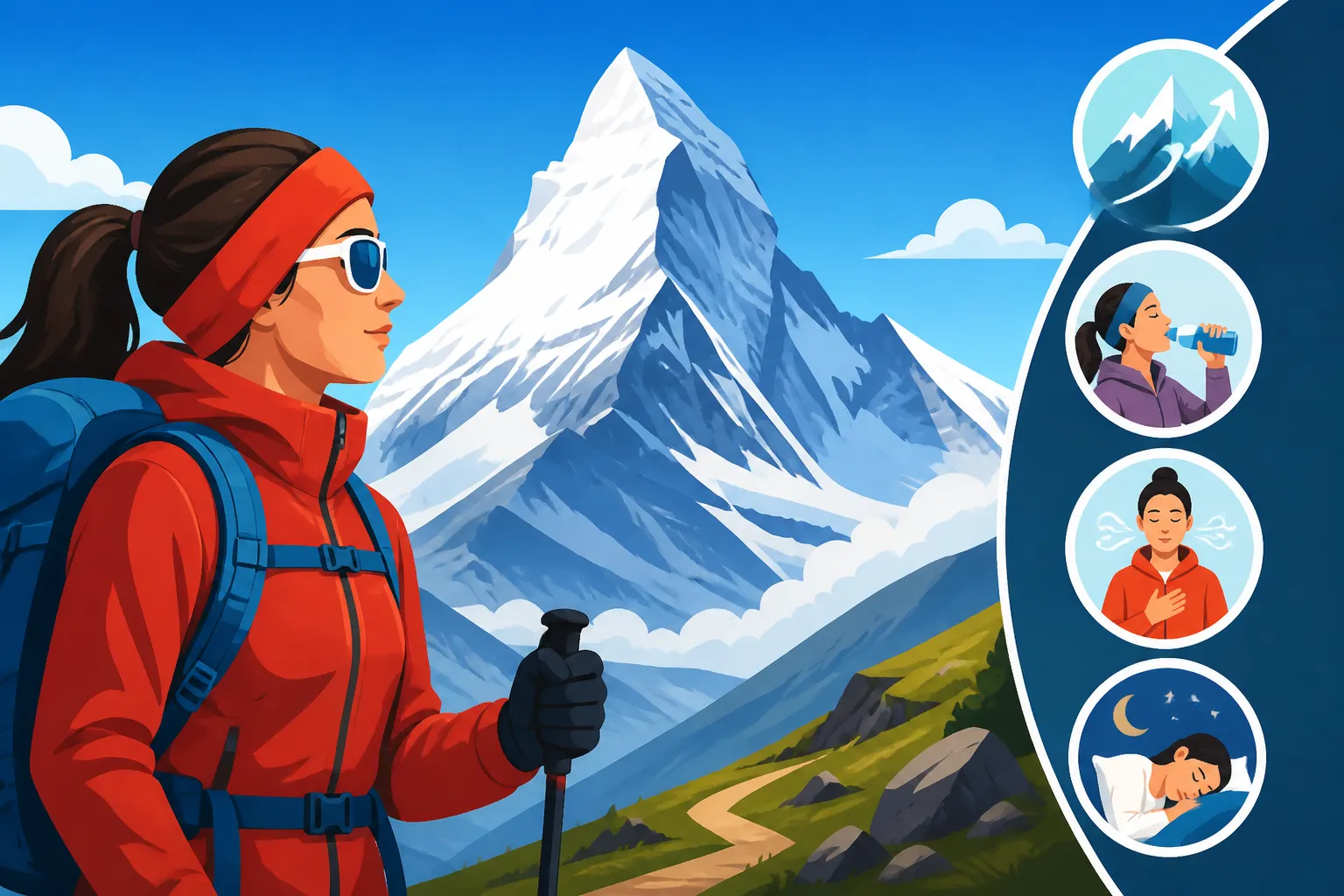
Altitude and Acclimatization Tips for High Swiss Peaks
You've just arrived in Switzerland, and the towering peaks are calling your name – the Jungfraujoch, the Matterhorn Glacier Paradise, the allure of being "on top of Europe" is incredibly strong. It's easy to get swept up in the excitement, to jump on the next mountain train without a second thought. But trust me, as an expat who's seen a few too many eager tourists (and even fellow residents!) turn green at altitude, ignoring the subtle science of your body at higher elevations can quickly turn a dream trip into a dizzying nightmare. This guide is here to walk you through everything you need to know about altitude and acclimatization in the stunning, but sometimes challenging, Swiss Alps.
Understanding the Swiss Altitude Landscape
Switzerland is famous for its mountains, and rightfully so. They're breathtaking. But with those impressive heights comes the reality of thinner air, and that's something you simply can't ignore. It’s not about being "fit" or "unfit"; it's about how your body handles less oxygen, and everyone reacts differently.
What Qualifies as "High Altitude" in Switzerland?
When we talk about high altitude, generally, anything above 2,000 to 2,500 meters (around 6,500 to 8,200 feet) starts to become noticeable for many people. In Switzerland, this isn't some obscure, remote peak only accessible to seasoned mountaineers. Many of our most iconic and easily accessible tourist destinations fall squarely into this category. Think about it: the Jungfraujoch's Sphinx Observatory sits at a staggering 3,571 meters (11,782 feet). The Klein Matterhorn, home to the Matterhorn Glacier Paradise, is at 3,883 meters (12,740 feet). Even popular hiking passes or ski areas can hover well above the 2,000-meter mark.
The primary issue is the decrease in atmospheric pressure as you ascend. This means that while the percentage of oxygen in the air remains constant (around 21%), each breath you take delivers fewer oxygen molecules to your lungs. Your body needs time to adjust to this, producing more red blood cells and making other physiological changes to compensate. For someone coming from sea level, a rapid ascent to these heights, perhaps after a long international flight, can be a real shock to the system.
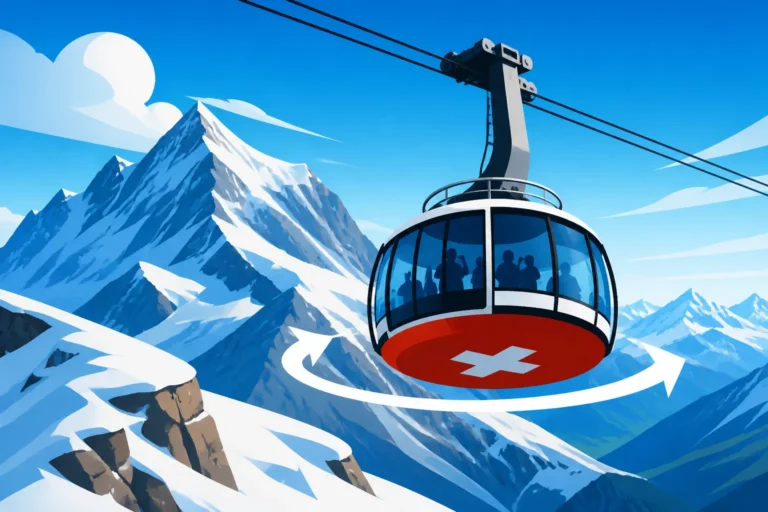
Even if you're feeling perfectly fine at 1,500 meters, jumping straight to 3,000 meters or more for an extended period can catch you off guard. Places like Zermatt itself is at about 1,600 meters, which is moderate, but many of its cable cars will whisk you up another 2,000 meters in minutes. It's this speed of ascent that often causes the most problems.
Common Symptoms of Altitude Sickness AMS
Altitude sickness, or Acute Mountain Sickness (AMS), isn't some rare ailment – it's actually quite common, and it can affect anyone, regardless of age, fitness level, or previous experience. I’ve seen marathon runners succumb to it and sedentary folks be perfectly fine. The most common symptoms are often described as feeling like a really bad hangover or the flu.
Typically, the first signs include a persistent headache that doesn't go away with regular painkillers, coupled with feelings of nausea or even vomiting. You might feel unusually fatigued, even after a short walk, and experience dizziness or lightheadedness. Sleep can become a real challenge, with frequent waking or vivid, disturbing dreams. These symptoms usually appear within 6 to 24 hours after arriving at a higher altitude.
It's crucial to distinguish these common symptoms from the rarer, but far more dangerous, severe forms of altitude sickness: High Altitude Pulmonary Edema (HAPE) and High Altitude Cerebral Edema (HACE). HAPE involves fluid in the lungs, leading to severe shortness of breath, even at rest, a persistent cough, and crackling sounds in the chest. HACE is swelling of the brain, manifesting as extreme confusion, loss of coordination (ataxia – imagine walking like you're drunk), severe headache, and drowsiness. If you or someone in your group experiences any of these severe symptoms, it's a medical emergency that requires immediate descent. Don't waste a second wondering; get down.
Practical Acclimatization Strategies for Expats
The good news is that with a little planning and patience, you can significantly reduce your risk of altitude sickness and enjoy those stunning Swiss vistas without feeling miserable. It’s all about respecting the mountains and giving your body the time it needs.
"Climb High, Sleep Low" Principle in Switzerland
This is arguably the golden rule for safely exploring high altitudes, and it's perfectly suited to Switzerland's excellent infrastructure. The idea is to ascend to a high elevation for a few hours during the day, expose your body to the thinner air, and then descend to a lower altitude to sleep. Your body does most of its acclimatization while resting, and sleeping at a lower height where oxygen is more plentiful makes this process much easier and safer.
For example, if you're planning a trip to the Jungfraujoch, instead of trying to book accommodation near the top, which isn't even possible, aim to sleep in towns like Interlaken (around 560m), Lauterbrunnen (795m), or Grindelwald (1,034m). You can take the fantastic SBB trains or regional mountain railways up to the "Top of Europe" for a few hours of breathtaking views, exploration, and maybe even some snow fun. Then, for the afternoon and evening, you simply reverse your journey and head back down to your hotel or apartment. The same principle applies if you're exploring the Matterhorn Glacier Paradise from Zermatt or Mount Titlis from Engelberg. Use the incredible public transport network, which you can easily plan with services like Omio, to facilitate these ascents and descents.
Even for day trips, if you can, spend your first night or two at a moderate altitude (e.g., 1,500m to 2,000m) before tackling the highest peaks. For instance, if your ultimate goal is the Gornergrat near Zermatt, consider a leisurely day of exploring Zermatt village itself or taking a shorter, lower-altitude hike on your first day, before venturing higher on subsequent days. This gradual exposure can make a world of difference.
Hydration, Nutrition, and Avoiding Alcohol
When you're at altitude, your body loses water much faster than at sea level. The air is drier, and you tend to breathe more frequently and deeply. This means dehydration can creep up on you without you even realizing it, and it can worsen the symptoms of altitude sickness. So, drink, drink, drink! Carry a reusable water bottle and fill it up whenever you can. Tap water in Switzerland is generally excellent and safe to drink. Aim for at least 3-4 liters a day, even if you don't feel particularly thirsty. You'll find plenty of opportunities to refill, especially in mountain restaurants and huts.
When it comes to food, keep it light and easy to digest. High-carbohydrate meals are often recommended as they require less oxygen for metabolism compared to fats and proteins. Avoid heavy, greasy meals. As tempting as it might be to celebrate your mountain adventure with a strong Swiss beer or a glass of local wine, alcohol is a definite no-go at altitude. It's a diuretic, meaning it dehydrates you, and it can also depress your respiratory drive, making it harder for your body to get the oxygen it needs. Caffeine can also have a dehydrating effect, so moderate your coffee intake, especially on your first day at high elevation. Stick to water and herbal teas.
Pacing Yourself: The Slow and Steady Approach
This is probably the hardest advice to follow when you're surrounded by such incredible scenery, but it's vital. Don't rush! Your body is already working harder to absorb oxygen, so putting it under additional strain by sprinting up a mountain path or rushing between attractions is counterproductive.
When you first arrive at a high-altitude destination, take it easy. Even walking from the train station to a viewpoint can feel more strenuous than usual. Plan for slower movements, frequent breaks, and shorter activities initially. If you're on a guided tour, like those often found on GetYourGuide, communicate any discomfort to your guide immediately. They are usually well-versed in observing client well-being. For example, if you're visiting the Matterhorn Glacier Paradise, instead of trying to immediately embark on a strenuous hike, spend some time slowly walking around the viewing platforms, taking photos, and letting your body adjust. You can always do more later if you feel good.
Even when you're simply riding a cable car up, focus on slow, deep breaths. Avoid any strenuous activity for the first 24 hours at a new, higher altitude. If you're planning on Swiss Hiking for Beginners: Trail Grades and the SAC System, make sure your chosen route aligns with your acclimatization state. Don't aim for a challenging T3 trail right after arriving at 2,500m.
Essential Preparations and What to Carry
A little foresight goes a long way in ensuring a safe and enjoyable high-altitude experience. Preparation isn't just about what you do on the mountain, but also before you even set foot on it.
Consulting Your Doctor Before High Altitude Trips
This is especially important if you have any pre-existing medical conditions, such as heart disease, lung problems (like asthma or COPD), or diabetes. Even if you're generally healthy, a quick chat with your doctor about your travel plans, especially if you're aiming for altitudes above 2,500-3,000 meters, is a good idea. They can assess your individual risk factors and offer personalized advice.
For some individuals, particularly those with a history of severe altitude sickness or with certain underlying conditions, your doctor might suggest a prescription for Acetazolamide (Diamox). This medication helps your body acclimatize faster by acidifying your blood and increasing your breathing rate. It's not a cure or a replacement for proper acclimatization, but it can be a useful aid. Keep in mind that Diamox is a prescription-only medication in Switzerland, so you'll need to consult a doctor here or bring it from home with a valid prescription. Don't just show up at a Swiss pharmacy expecting to buy it over the counter. Knowing about Pharmacies and Medication: Prescriptions, Costs, and OTC Regulations can be helpful in such cases.
Remember, prevention is always better than treatment. A check-up can give you peace of mind and help you decide if certain high-altitude excursions are advisable for you. If you need to Finding Medical Care in Switzerland: Doctors, Specialists, and Referrals, do it well in advance of your trip.
Packing Smart: Layers, Sun Protection, and Emergency Essentials
The weather in the Swiss Alps can change in a heartbeat, and it's always colder at altitude, even in summer. Packing smart layers is non-negotiable. Think breathable base layers, insulating mid-layers (like fleece), and a waterproof and windproof outer shell. Even if it's sunny and warm in the valley, expect chilly winds and potentially snow or rain at 3,000 meters. A warm hat and gloves are often essential, even outside of winter. When planning your attire, remember to check resources like What to Pack for a Day Trip to the Swiss Alps.
Sun protection is another critical element that people often overlook. At higher altitudes, the atmosphere is thinner, and there's less of it to filter out harmful UV rays. This means the sun's intensity is much greater, and the risk of sunburn and eye damage is significantly higher. Slather on high-SPF sunscreen (at least SPF 30, preferably 50+), wear good quality sunglasses that block 100% of UV rays, and consider a wide-brimmed hat. Even on cloudy days, UV radiation can be strong.
Finally, always carry a small backpack with emergency essentials. This includes:
- Extra water: As discussed, hydration is key.
- High-energy snacks: Chocolate, nuts, and energy bars are perfect for quick boosts.
- Basic first-aid kit: Painkillers (for headaches), plasters, antiseptic wipes.
- Power bank: Your phone battery can drain faster in the cold, and you'll rely on it for navigation, photos, and emergencies.
- Map and compass/GPS: Even on well-marked trails, having a backup is smart.
- Emergency blanket: Lightweight and essential for unexpected cold.
- Headlamp: If you accidentally get delayed.
Before heading out, always check the weather forecast. Websites and apps (like those mentioned in Weather Apps and Webcams for Planning Swiss Mountain Trips) provide detailed forecasts for mountain regions.
Recognizing and Responding to Severe Symptoms
Knowing how to prevent altitude sickness is vital, but equally important is knowing what to do if symptoms develop or worsen. This isn't the time to be a hero; it's the time to be smart and safe.
When to Descend Immediately
This is the most critical piece of advice for anyone experiencing altitude sickness: if your symptoms are getting worse, descend immediately. Even a descent of a few hundred meters can often bring significant relief. Do not wait for symptoms to become severe or for nightfall. Do not try to "tough it out" or push higher. That persistent headache that just won't quit? If it intensifies, or if you start feeling dizzy and uncoordinated, or your nausea escalates, it's a clear signal from your body that it needs more oxygen.
Specific red flags that demand immediate descent include:
- Worsening headache despite pain medication.
- Increasing nausea, vomiting, or loss of appetite.
- Significant fatigue and weakness, beyond normal exertion.
- Dizziness and impaired balance (ataxia): This is a very serious sign, as it indicates swelling in the brain (HACE). If someone can't walk in a straight line or stumbles easily, it's an emergency.
- Shortness of breath at rest: If breathing is difficult even when you're sitting still, it points to fluid in the lungs (HAPE).
- Confusion or disorientation.
- Changes in behavior, irrationality.
If any of these severe symptoms appear, or if milder symptoms don't improve after resting and hydrating, heading down to a lower altitude is the only effective treatment. Switzerland’s well-connected public transport system, which you can easily navigate with information from Switzerland by Train: The SBB Network, Scenic Routes, and Day Trips, makes this descent relatively straightforward from many popular high-altitude locations like the Jungfraujoch or Mount Pilatus. Don't hesitate; your health is far more important than reaching a particular viewpoint.
Emergency Services and Rescue in the Alps
Despite all precautions, emergencies can happen. It's essential to know how to call for help in the Swiss Alps. The general emergency number for medical emergencies is 144. This will connect you to the ambulance and rescue services. If you're in an area with a mountain hut or staffed station, inform them immediately of your situation; they can often provide initial assistance and guide rescue efforts.
For mountain rescues, especially in remote or challenging terrain, REGA (Swiss Air-Rescue) is the lifeline. REGA operates helicopter rescue services and is incredibly efficient. While 144 is the primary number, if you find yourself in a truly dire situation where a helicopter is clearly needed (e.g., severe injury, HAPE/HACE symptoms in a remote area), you can also call REGA directly at 1414. It's crucial to have your location coordinates if possible, or at least a clear description of your surroundings. Remember that mountain rescue operations can be incredibly expensive. This is why I always tell fellow expats about REGA Membership: Why Expats Need Air Rescue Insurance in the Alps. While basic health insurance like KVG might cover a portion of medical transport, REGA patronage can significantly offset the often eye-watering costs of air rescue, which can run into thousands of francs.
Always make sure your phone is charged before heading into the mountains, as network coverage can be patchy in certain areas. Carrying a physical map and knowing your route, even if using digital navigation, is also a smart move. Understanding Emergency Medical Services: Ambulances, REGA, and Crisis Protocols will give you peace of mind that you know what to do in a crisis.
When you're out there enjoying the incredible beauty of the Swiss Alps, remember to respect the altitude. Take it easy, hydrate, and listen to your body. There's no shame in turning back or opting for a lower-altitude activity if you're not feeling 100%. The mountains will always be there, waiting for your next, well-acclimatized visit.
Popular High Swiss Peaks and Acclimatization Tips
To help you visualize and plan, here’s a table outlining some popular high-altitude destinations in Switzerland and a general idea of how to approach them from an acclimatization perspective. This isn't exhaustive, but covers some of the major spots that expats and tourists often visit.
Please note that I am a large language model and this article is for informational purposes only and does not constitute financial or legal advice. Regulations and conditions can change, especially in a dynamic environment like Switzerland. Always consult with a financial advisor, tax specialist, or the relevant authorities for personalized guidance. While I strive for accuracy, individual circumstances can vary greatly.