Swiss Wine Regions: Valais, Vaud, Geneva, and Ticino Explained
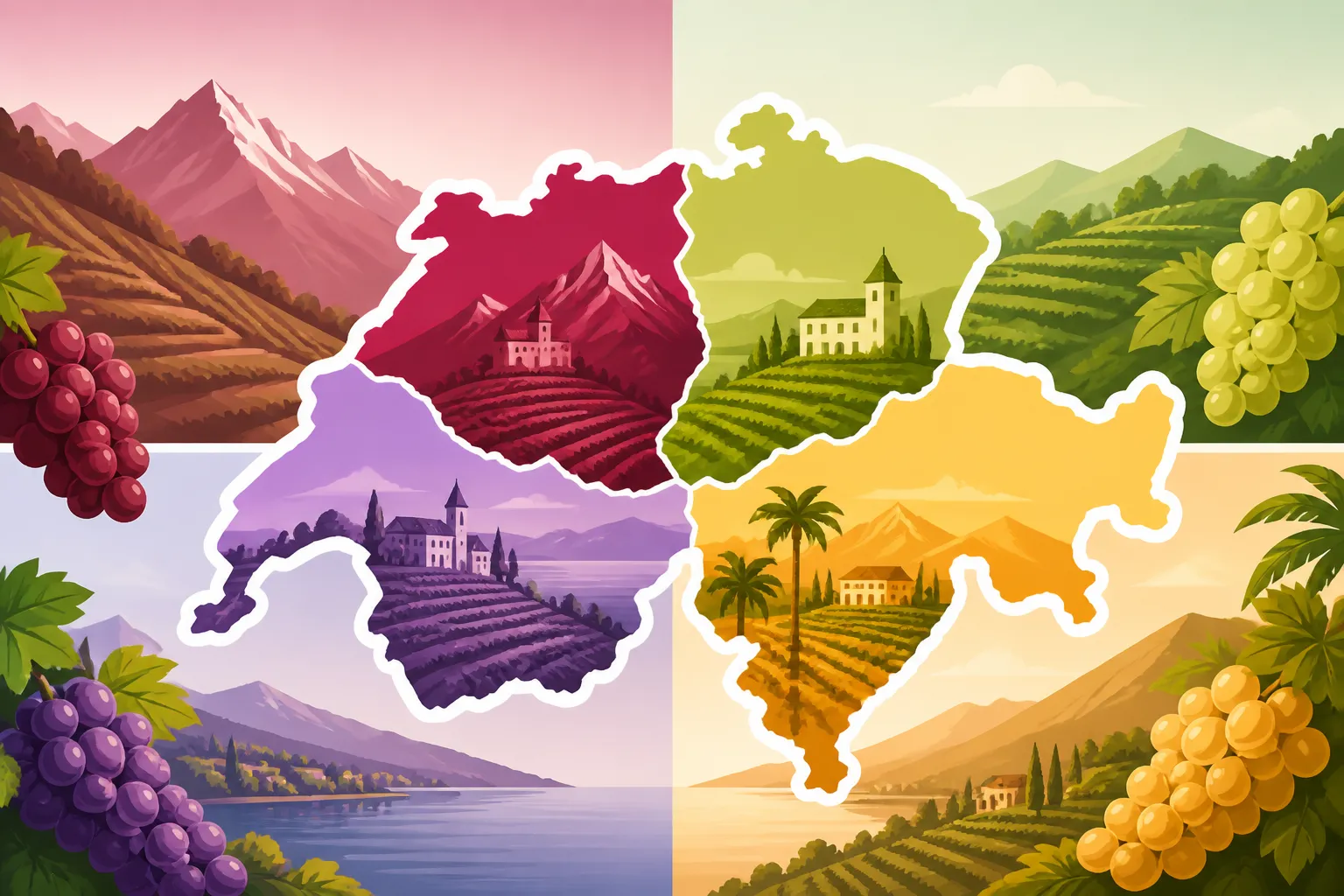
One of the biggest surprises for expats in Switzerland is discovering the vibrant, yet incredibly insular, world of Swiss wine. You arrive here, probably expecting cheese and chocolate, maybe some stunning mountains, but then you stumble upon these glorious vineyards and realise you've been missing out on a whole other side of Swiss culture. The challenge, of course, is that these wines are rarely exported, so figuring out where to go and what to try can feel like navigating a secret society. This guide is here to unravel the mysteries of Switzerland’s fantastic wine regions – Valais, Vaud, Geneva, and Ticino – helping you explore their unique terroirs, discover their signature grapes, and plan your very own tasting adventure.
The Enigma of Swiss Wine: Why It Stays a Secret
When you first hear about Swiss wine, your immediate thought might be, "Swiss wine? I've never seen it outside Switzerland." And you'd be right! The sheer scarcity of Swiss wine beyond its borders is one of its most defining characteristics. This isn't due to a lack of quality, quite the opposite, but rather a combination of geographical constraints, high production costs, and a fiercely loyal domestic market that happily consumes nearly all of what's produced. Picture this: Switzerland is roughly half the size of Scotland, yet its diverse microclimates and steep, sun-drenched slopes allow for an incredible variety of viticulture. These challenging terrains, however, mean that vineyard work is often done manually, increasing costs exponentially.
Furthermore, the Swiss themselves are incredibly proud and supportive of their local produce. There's a strong cultural emphasis on regionalism (known as Regiolism), and this extends heartily to wine. Visiting a local cave (winery) and buying directly from the producer is a cherished tradition, a direct connection to the land and the people who work it. It’s a wonderful experience, but it does mean that about 98% of Swiss wine is enjoyed right here, within the country. So, while you won't find Swiss Pinot Noir easily in London or New York, you have the unparalleled opportunity to experience these exquisite, often artisanal wines right at their source. It’s one of those delightful expat discoveries that truly makes living here special.
Key Grape Varietals: A Primer Beyond Chasselas
While Switzerland might be famous (within its borders) for its white Chasselas, the country's viticultural landscape is far richer and more diverse than many newcomers might imagine. With over 250 grape varietals cultivated, many of which are indigenous or rare, Swiss wine offers a truly unique tasting journey. Beyond the ubiquitous Chasselas, you'll encounter a fascinating array of grapes, each telling a story of its region and the specific terroir it thrives in.
For reds, the most prominent are Pinot Noir (known locally as Blauburgunder in German-speaking regions) and Gamay. Pinot Noir, in particular, has found exceptional expressions in various cantons, producing elegant, nuanced wines that can rival some of Burgundy's lighter offerings. Gamay, especially in Geneva and parts of Vaud, yields charming, fruit-forward reds perfect for everyday enjoyment. But then you delve deeper, and you find gems like Cornalin and Humagne Rouge in Valais – ancient, robust, and full of character – or the surprisingly sophisticated Merlot wines that dominate the sunny southern canton of Ticino. Each varietal, whether a widespread international grape or a cherished local specialty, is nurtured with immense care, reflecting the Swiss dedication to quality and precision in every bottle. It's a journey of discovery that continually rewards the curious palate.
Valais: The Sun-Drenched Heart of Swiss Wine
When you talk about Swiss wine, Valais almost always comes up first. This southwestern canton, carved by the Rhône River, is not only Switzerland's largest wine-producing region but also arguably its most diverse and fascinating. Imagine deep, narrow valleys, incredibly steep terraced vineyards clinging to sun-drenched slopes, and an almost Mediterranean climate despite being nestled in the heart of the Alps. The Föhn wind, a warm, dry down-slope wind, plays a crucial role here, extending the growing season and ensuring excellent grape ripening. It’s a truly dramatic landscape, and the wines produced here are just as captivating.
The Valaisans have been cultivating grapes for centuries, and their traditions run deep. This region alone accounts for over a third of Switzerland's total wine production, yet it maintains an artisanal feel, with many small, family-run estates passed down through generations. The sheer variety of grapes thriving in Valais is astounding, from crisp whites to powerful, complex reds, and even unique sweet wines. For any expat looking to dive into Swiss wine, Valais is the ideal starting point – a vibrant, welcoming region eager to share its vinicultural treasures. Just make sure you bring comfortable shoes for those steep vineyard walks!
Unique Terroir and Microclimates
The geological and climatic conditions in Valais are nothing short of extraordinary, creating a mosaic of terroirs that give its wines their distinctive character. The Rhône River, flowing through the valley, acts as a natural corridor, and the surrounding mountains protect the vineyards from harsh northern winds, creating a remarkably dry climate with over 2,000 hours of sunshine per year – one of the highest in Switzerland. This sun-drenched environment is crucial for ripening, while the significant diurnal temperature variation (warm days, cool nights) helps the grapes retain acidity and develop complex aromatics.
The soils themselves are incredibly varied, ranging from slate and schist on the higher slopes to alluvial deposits closer to the river, all contributing distinct mineral notes to the wines. Furthermore, the steepness of many vineyards, some with gradients exceeding 60%, means maximum sun exposure, allowing even late-ripening varieties to flourish. These challenging conditions necessitate meticulous hand-tending, a true labor of love that is palpable in the quality of the final product. It’s this intricate interplay of sun, soil, and human dedication that truly defines the unique wines of Valais. You can almost taste the mountains and the sun in every sip.
Star Grapes of Valais: Fendant, Johannisberg, and Cornalin
While Valais grows a multitude of grapes, some stand out as true emblems of the region. For whites, Fendant (the local name for Chasselas) is king. It's typically a dry, refreshing white wine with subtle fruit and mineral notes, perfect as an apéro or paired with local cheese and raclette. Don't let its commonality fool you; a good Fendant is a revelation, especially when enjoyed on a sunny terrace overlooking the vineyards. Another white gem is Johannisberg, which is actually Sylvaner. This grape produces a richer, more aromatic white, often with hints of almond and honey, offering a more complex palate than Fendant.
On the red side, Pinot Noir and Gamay are widely planted, producing excellent, vibrant wines. However, to truly experience Valais, you must seek out its indigenous red varietals. Cornalin is a historical grape, almost lost to time but now experiencing a resurgence. It yields wines with deep color, firm tannins, and intense aromas of dark berries, spices, and a touch of earthiness – definitely a wine for a hearty meal. Then there's Humagne Rouge, another ancient Valaisan specialty, known for its rustic charm, robust structure, and notes of game, wild berries, and often a touch of forest floor. These are the wines that really speak of Valais, offering a taste of history and unique character you won't find anywhere else. They’re a testament to the region’s commitment to preserving its viticultural heritage.
Visiting Valais' Wine Cellars
A trip to Valais wouldn't be complete without visiting some of its fantastic wine cellars and meeting the producers themselves. The main wine route stretches from Martigny to Leuk, with many wineries scattered along the valley floor and clinging to the steep slopes. Towns like Sierre, Salgesch, and fully Leuk-Stadt are particularly rich in wine producers. Most caves welcome visitors for tastings, though it's always a good idea to call ahead, especially for smaller, family-run operations. You’ll often find that the winemaker themselves will pour your tasting, sharing passionate stories about their land and their craft – a truly authentic experience.
Many wineries offer structured tastings, sometimes paired with local snacks like dried meat and cheese. Some even have small shops where you can purchase bottles directly, often at better prices than in supermarkets. Consider checking out local tourist offices or dedicated wine guides that can help arrange visits, especially if you want to explore several cellars in one day. Don't be afraid to try varietals you've never heard of, and always ask about their "specialties" – that's where you'll often discover the true treasures of Valais. It's an immersive experience that goes beyond just tasting wine; it's about understanding the culture and the passion behind each glass.
Vaud: Terraces Overlooking Lake Geneva
Moving west, we arrive at Vaud, Switzerland’s second-largest wine region, renowned for its breathtaking terraced vineyards that cascade down towards Lake Geneva. This canton offers a completely different, yet equally enchanting, wine experience compared to Valais. The most iconic sub-region is undoubtedly Lavaux, a UNESCO World Heritage site, where ancient stone walls support narrow strips of vines, reflecting the sun’s warmth from the lake and trapping it in the stone, creating three "suns" – direct sun, reflected sun from the lake, and stored heat from the walls. It’s a landscape of immense beauty and incredible viticultural ingenuity, passed down through generations.
Vaud's wine culture is deeply intertwined with the lake, and you'll find charming lakeside towns like Montreux, Vevey, and Lausanne all within easy reach of these glorious vineyards. The region’s wines are predominantly white, particularly the crisp and elegant Chasselas, but there are excellent reds and rosés to discover as well. If you’re looking for a picturesque wine experience where stunning views accompany every sip, Vaud is your destination. Don't forget to check out our guide on Day Trips from Geneva: Montreux, Gruyères, and the Lavaux Vineyards for more ideas on combining your wine tour with other local attractions.
The UNESCO Lavaux Terraces
The Lavaux vineyards are not just a pretty sight; they are a monumental testament to centuries of human interaction with nature. This 800-hectare area, stretching for about 30 kilometers along the northern shore of Lake Geneva, was granted UNESCO World Heritage status in 2007 for its cultural landscape value. Imagine Roman legions first planting vines here, and then Cistercian monks in the 12th century painstakingly constructing the intricate system of terraces that you see today. The work involved in maintaining these terraces is immense, often requiring manual labor to tend to the vines and repair the dry-stone walls.
The unique microclimate created by the "three suns" effect – direct sunlight, reflections off the vast surface of Lake Geneva, and heat retained by the ancient stone walls – is crucial for grape ripening, particularly for Chasselas. This warmth allows the grapes to develop fully, producing wines with characteristic minerality and a subtle richness. Walking through these vineyards, especially on a sunny day, offers spectacular panoramic views across the lake to the French Alps. It's not just a wine region; it's a living monument to heritage, hard work, and breathtaking natural beauty.
Chasselas: The Unsung Hero of Vaud
While international grapes like Chardonnay or Sauvignon Blanc often steal the spotlight, in Vaud, it's the Chasselas grape that truly reigns supreme. This indigenous Swiss varietal, often overlooked by those unfamiliar with Swiss wines, produces elegant, dry white wines that are the perfect expression of their Vaudois terroir. Often characterized by delicate floral notes, hints of green apple, and a distinctive minerality, Vaudois Chasselas can range from light and refreshing to surprisingly complex and age-worthy, depending on the specific vineyard and winemaking approach.
For many expats, Chasselas can be an acquired taste if you're used to more assertive white wines. It's often described as a "terroir wine," meaning it truly expresses the soil and climate in which it's grown rather than being overtly aromatic. The beauty of Vaudois Chasselas lies in its subtlety and versatility – it’s a superb apéro wine, a wonderful companion to a traditional cheese fondue, or an ideal pairing for freshwater fish from Lake Geneva. Each sub-region within Vaud (Lavaux, La Côte, Chablais, Dézaley, Calamin) produces a Chasselas with its own nuanced character, making a horizontal tasting of different Vaudois Chasselas wines a truly enlightening experience. It’s a grape that demands your attention, rewarding it with quiet sophistication.
Wine Routes and Lakeside Tastings
Vaud offers an abundance of opportunities for wine exploration, from picturesque walking trails through the vineyards to direct cellar door tastings. The Lavaux Panoramic Trail is a particularly famous route, winding through the terraces between Lutry and Montreux. You can walk parts of it, enjoy the scenery, and stop at various small wineries (often identified by a "cave ouverte" or "dégustation" sign) for an impromptu tasting. Many winemakers in the Lavaux are open for business, but calling ahead for a formal tasting, especially in smaller establishments, is always a good idea.
Beyond Lavaux, the La Côte region, stretching west from Lausanne towards Geneva, also boasts numerous charming villages and wineries. Towns like Morges and Aubonne are excellent bases for exploring this area. In the Chablais region, closer to Montreux, you'll find more vineyards carved into dramatic slopes. Many vineyards also have small caveaux (tasting rooms) right on the lake, offering stunning views to accompany your wine. For a more structured experience, consider joining a guided tour, which often includes transportation between wineries and pre-arranged tastings. You can even combine a wine tour with a beautiful boat trip on Lake Geneva (Lac Léman): Towns, Boats, and Vineyard Walks, adding another layer to your delightful Vaudois experience.
Geneva: Urban Vineyards with International Flair
When you think of Geneva, you likely picture international organizations, luxury watches, and maybe some fantastic chocolate, but wine? Absolutely! The canton of Geneva, while being Switzerland's third-largest wine producer, often surprises expats with its robust viticulture. Located at the western tip of Lake Geneva, the vineyards here benefit from the lake's moderating influence and generally warm climate. What makes Geneva's wine region particularly unique is its proximity to the bustling international city – you can quite literally cycle from the city center to sprawling vineyards in under an hour.
Geneva's wine producers are a dynamic group, often embracing modern winemaking techniques while respecting age-old traditions. The region is known for a greater diversity of red grapes compared to Vaud, alongside some excellent white wines. It's a fantastic area to explore for those who want a taste of rural Switzerland without venturing too far from urban conveniences. The local winemakers are usually very welcoming, and the sense of community amongst them is palpable.
Beyond the City Limits
While the city of Geneva itself is a hub of international activity, just a short drive or bus ride in any direction will take you into a tranquil landscape of rolling hills covered in vineyards. The main wine-growing areas are found to the west of the city, around the villages of Lully, Dardagny, and Satigny, and also to the south, towards the French border. It’s an incredibly accessible wine region, making it perfect for a spontaneous afternoon escape. You can hop on a local bus, rent a bike, or take a short taxi ride, and suddenly you’re immersed in picturesque countryside.
The close proximity to the city means that many Genevans regularly visit their local winemakers to stock up, often developing personal relationships with the producers. This creates a vibrant local wine scene that feels very integrated into daily life. It’s not uncommon to see families enjoying picnics amidst the vines, or friends gathering at a caveau after work. This blend of urban accessibility and rustic charm truly sets Geneva's wine region apart, making it an ideal destination for expats looking to discover Swiss wine without extensive travel.
Gamay and Pinot Noir Dominance
While Chasselas certainly has a presence in Geneva, particularly in areas closer to the lake, the canton is perhaps best known for its red wines. Gamay is the dominant red grape, producing light-bodied, fruit-forward wines with notes of red berries, often enjoyed young. These are incredibly versatile wines, perfect for an apéro with charcuterie or a casual meal. Genevan Gamay is usually brighter and more vibrant than its Burgundian counterparts, reflecting the warmer climate.
Pinot Noir also thrives here, yielding more structured and complex reds, often with elegant cherry and earthy undertones. Many producers are experimenting with barrel aging for their Pinot Noir, resulting in wines with greater depth and longevity. Beyond these two, you'll find a growing number of international varietals like Cabernet Franc, Merlot, and even some Syrah, reflecting the region's openness to innovation and diverse palates. This blend of traditional and experimental winemaking ensures there's always something new and exciting to discover in Geneva's vineyards, offering a fantastic range for every red wine lover.
Combining City Life with Vineyard Visits
One of the greatest advantages of Geneva's wine region is how easily it can be integrated into a city trip or a local weekend plan. You can spend the morning exploring the Old Town, visiting museums, or strolling along the lake, and by early afternoon, be enjoying a wine tasting in the countryside. Many wineries are concentrated around Satigny, a short train ride from the main station, making it accessible even without a car.
Consider renting a bike and following one of the well-marked wine routes that weave through the vineyards. The cycling is generally gentle, and you'll encounter numerous opportunities to stop for a tasting or a meal at a traditional bistrot or auberge. Some wineries offer tours and tastings on specific days, so it's always worth checking their websites or giving them a call. For those looking for a truly immersive experience, many local tour operators offer half-day or full-day excursions that include transport and pre-arranged tastings. It's the perfect way to experience a unique blend of cosmopolitan charm and rustic beauty, tasting the fruits of this often-overlooked Swiss gem.
Ticino: Mediterranean Flavors of the South
South of the Alpine divide, completely separated from the other wine regions by the Gotthard Massif, lies Ticino, Switzerland's only Italian-speaking canton. Here, the landscape transforms dramatically: palm trees, terracotta roofs, and a distinctly Mediterranean ambiance replace the Alpine chalets. This shift in climate and culture is profoundly reflected in Ticino's wines. Dominated almost entirely by one grape, Merlot, Ticino offers a warm, generous, and often surprisingly sophisticated take on Swiss viticulture.
The vineyards are primarily found in two main areas: Sopraceneri (north of Monte Ceneri, around Bellinzona and Locarno) and Sottoceneri (south of Monte Ceneri, around Lugano and Mendrisio). The sunny slopes, often overlooking Lake Lugano or Lake Maggiore, provide ideal conditions for ripening red grapes. Ticino’s wines are a delightful departure from the crisp whites of the French-speaking regions, offering a taste of Italy fused with Swiss precision. It’s a region that truly feels like a mini-vacation within Switzerland, where you can soak up the sun, enjoy delicious food, and discover exceptional Merlot.
Merlot: The King of Ticino
If there's one grape that defines Ticino's wine identity, it is unequivocally Merlot. Introduced to the canton in the early 20th century, Merlot quickly found its ideal home here, thriving in the warm, sunny climate and fertile soils. Today, it accounts for over 80% of all vines planted in Ticino, leading to a fascinating diversity in its expression. Forget any preconceived notions of simple, fruit-forward Merlot; Ticino's versions can be remarkably complex, age-worthy, and structured.
While some Ticinese Merlots are indeed made in a fresh, approachable style perfect for immediate enjoyment, many producers craft serious, barrel-aged wines that can rival their counterparts from Bordeaux or Napa Valley. These premium Merlots often display rich notes of dark cherry, plum, chocolate, and sometimes a hint of spice or tobacco, with smooth tannins and a lingering finish. The sheer dedication of Ticinese winemakers to this single varietal is impressive, showcasing how a grape can adapt and flourish in a specific terroir, producing a range of styles from vibrant everyday wines to profound, contemplative bottles. It’s a must-try for any red wine enthusiast.
Alpine Influence, Mediterranean Soul
Ticino's unique geographical position lends its wines a fascinating duality: the warmth and sunshine of the Mediterranean are tempered by the cool air descending from the surrounding Alps. This "Alpine influence" provides crucial diurnal temperature swings, allowing grapes to ripen slowly, developing intense aromatics and maintaining vital acidity, which prevents the wines from becoming overly heavy or flabby despite the warm climate. The soils, often a mix of granite, schist, and clay, also contribute to the complexity.
The result is wines that possess both a sun-kissed generosity and an underlying freshness. You'll find this characteristic not just in the flagship Merlots but also in the few white wines produced, such as white Merlot (a vinification of red Merlot grapes without skin contact, resulting in a crisp white wine) and Chardonnay. This delicate balance of influences gives Ticinese wines a distinct personality – a vibrant, sun-drenched character with a refreshing backbone. It’s a testament to the diverse Weather and Geography: Föhn Winds, Winter Readiness, and Alpine Living that Switzerland offers, even within its own borders.
Wine Events and Grotto Culture
Visiting Ticino is not just about tasting wine; it’s about immersing yourself in the local grotto culture, a quintessential Ticinese experience. Grottos are traditional, rustic restaurants (often converted natural caves or stone houses) serving local specialties like risotto, polenta, and cured meats, all perfectly paired with local Merlot. They are the heart of Ticinese culinary and social life, offering an authentic glimpse into the region’s hospitality. Many wineries also have their own grotto or cantina where you can enjoy their wines directly.
Throughout the year, Ticino hosts various wine events and festivals. The "Cantine Aperte" (Open Cellars) event, usually in May, is a highlight, where numerous wineries open their doors to the public for tastings and behind-the-scenes tours. Larger festivals celebrating the harvest also take place in autumn, offering a lively atmosphere with food stalls, music, and, of course, plenty of wine. These events are fantastic opportunities to mingle with locals, sample a wide range of wines, and truly soak up the warm, welcoming spirit of Ticino. Don't forget to practice your grazie and salute!
Planning Your Swiss Wine Adventure
So, you're convinced and ready to dive into the world of Swiss wine. Fantastic! But like many things in Switzerland, a little planning goes a long way to ensure your adventure is smooth and enjoyable. From navigating transportation to booking tastings, there are a few practical considerations that will enhance your experience. Remember, Swiss efficiency is your friend here, but so is a relaxed, open mindset. You're exploring a beautiful country and discovering incredible wines, after all!
Transportation to the Wine Regions
Getting around Switzerland, especially to its stunning wine regions, is remarkably easy thanks to its world-class public transport network. The SBB train system is incredibly efficient, connecting major cities to even the smallest villages. For many wine regions, such as Lavaux in Vaud or areas around Geneva and Valais, train stations are often within walking distance or a short bus ride from vineyards and cellars. This makes it entirely possible to enjoy tastings responsibly without needing a designated driver. Don't forget to look into The Half-Fare Travelcard (Halbtax): The Must-Have Pass for Swiss Residents if you plan on frequent train travel, as it can significantly cut down on costs.
For more remote wineries or for touring multiple locations that aren't well-connected by public transport, renting a car might be a good option – just remember the strict Swiss rules about drinking and driving! Alternatively, many private tour operators offer dedicated wine tours that handle all the logistics, allowing you to relax and enjoy the experience fully. Websites like Omio can help you plan and book your train journeys across Switzerland, while local taxi services are readily available in most towns. For more comprehensive travel tips, refer to our Switzerland by Train: The SBB Network, Scenic Routes, and Day Trips guide.
Booking Tastings and Tours
While some larger wineries might have regular opening hours, especially in popular tourist areas like Lavaux, it's generally a good idea, and often necessary, to book your wine tastings in advance, especially for smaller, family-run operations. A quick phone call or email (many winemakers have websites with contact details) can save you a wasted journey and ensures the winemaker is available to welcome you. This is especially true if you are a larger group or wish for a guided tour of the cellars.
Many cantonal tourism offices and regional wine associations offer lists of wineries that welcome visitors, along with their contact information. They can also sometimes help arrange tailored tours. For those who prefer a ready-made experience, platforms like GetYourGuide offer a selection of pre-booked wine tours in regions like Lavaux and Valais, often including transportation and multiple tastings. These can be particularly convenient for first-time visitors or those on a tight schedule. Remember to ask about any specific language requirements when booking, though many winemakers in the main tourist areas will speak English, French, or German.
Accommodation for Wine Explorers
After a delightful day of wine tasting, you'll definitely want a comfortable place to rest your head. Each wine region offers a variety of accommodation options, from charming boutique hotels nestled in vineyard villages to larger hotels in nearby cities. In Vaud, consider staying in picturesque lakeside towns like Vevey, Montreux, or Lutry, which offer stunning views and easy access to the Lavaux terraces. For Valais, Sierre, Sion, or Salgesch provide excellent bases with numerous local amenities. In Geneva, you can choose between staying in the vibrant city itself or opting for a quieter guesthouse in one of the vineyard villages. Ticino offers lovely hotels in Lugano, Locarno, or more rustic agriturismos in the smaller wine towns.
Platforms like Booking.com are invaluable for finding and reserving accommodation, offering a wide range of choices to suit every budget and preference. Many wineries also have a few guest rooms or offer "B&B" style stays, providing an incredibly immersive experience right on the vineyard. Booking directly with these smaller establishments can sometimes offer unique benefits and a more personal touch. For more general advice on finding a place to stay, check out our Booking Hotels in Switzerland: Best Times and Platforms guide. Wherever you choose to stay, ensure it’s convenient for your planned wine activities, allowing you to fully enjoy the tranquility and beauty of Switzerland's wine country.
Regional Wine Highlights Table
To give you a quick overview of what to expect from each region, here's a handy table summarizing the key characteristics:
| Wine Region | Primary White Grapes | Primary Red Grapes | Signature Style Notes | Best Known For | UNESCO Sites |
|---|---|---|---|---|---|
| Valais | Fendant (Chasselas), Johannisberg (Sylvaner), Petite Arvine | Pinot Noir, Gamay, Cornalin, Humagne Rouge | Diverse, aromatic whites; robust, characterful reds; dry and sunny climate. | Most diverse range of indigenous grapes; largest production. | No |
| Vaud | Chasselas (dominant) | Pinot Noir, Gamay | Crisp, mineral-driven whites (esp. Chasselas); elegant, subtle reds; lake influence. | Terraced Lavaux vineyards; Chasselas as a terroir wine. | Lavaux Vineyards |
| Geneva | Chasselas, Sauvignon Blanc | Gamay, Pinot Noir | Accessible, fruit-forward reds (esp. Gamay); vibrant whites; proximity to city. | Urban vineyards; good value everyday wines; diverse international varietals. | No |
| Ticino | White Merlot, Chardonnay | Merlot (dominant) | Warm, generous, often oak-aged Merlots; Mediterranean influence; Alpine freshness. | Merlot in diverse styles (from easy-drinking to complex); grotto culture. | Bellinzona Castles |
This table provides a quick glance, but remember, the true joy lies in exploring these regions yourself and discovering the nuances within each. Each winemaker brings their own passion and touch to their craft, making every tasting a unique experience.
Disclaimer
The information provided in this guide is intended for general informational purposes only and does not constitute professional advice. While we strive to provide accurate and up-to-date information, local regulations, prices, and availability can change. It is always recommended to verify details with official sources, cantonal authorities, or individual wineries before making any travel or purchasing decisions. Enjoy your Swiss wine explorations responsibly.