Swiss National Day (August 1): How Switzerland Celebrates
Many expats arrive in Switzerland expecting August 1st to be just another public holiday, perhaps a convenient long weekend for a quick trip away. But trust me, Swiss National Day is far more deeply ingrained in the Swiss psyche than you might initially realize. It's a day when the nation collectively exhales, celebrates its unique identity, and does so with a blend of reverence for tradition and a healthy dose of good old-fashioned fun. This guide will help you understand the true spirit of August 1st, navigate the celebrations, and find your own way to join in, without feeling like an outsider.
The Historical Heartbeat: Why August 1st Matters
August 1st isn't just a random date; it's the symbolic birthday of Switzerland, commemorating the legendary Rütli Oath. For those of us who've moved here, the depth of historical connection can be a little surprising, especially when you're used to more boisterous, less historically anchored national holidays. But here, the past is very much present, and August 1st is the day it truly comes alive.
The Rütli Oath and the Bundesbrief: Foundation Myths
The story goes that on August 1st, 1291, representatives from the three original cantons – Uri, Schwyz, and Unterwalden – met on the Rütli meadow above Lake Lucerne. There, they swore an oath of mutual assistance against external threats, laying the groundwork for what would eventually become the Swiss Confederation. This event, enshrined in the Bundesbrief (Federal Charter), is often regarded as the founding moment, a testament to collective self-determination and defense. It's a powerful narrative, one you'll hear recited in speeches across the country on this day, emphasizing unity and independence.
Now, as an expat, you might not have grown up with tales of William Tell or the Rütli Oath, and that's perfectly fine. But understanding this foundational myth helps you appreciate why locals treat this day with such a sense of pride and solemnity, even amidst the barbecues and fireworks. It's not just a day off work; it's a deep connection to centuries of history, to the very concept of Switzerland as a cohesive entity. It's a reminder that this small, multilingual country was forged out of necessity and a shared desire for freedom, a feeling that still resonates today, albeit with less urgency and more fond remembrance.
Evolution of a National Holiday: From Local to Federal
Interestingly, August 1st wasn't always a universally recognized national holiday. For centuries, various cantons and localities celebrated different historical dates, reflecting their own unique paths to joining the Confederation. It wasn't until 1891, on the 600th anniversary of the Federal Charter, that it was officially declared a federal public holiday. Even then, it took a nationwide popular vote in 1993 for August 1st to become a paid public holiday for everyone across all cantons. Before that, it was often just a half-day or a regular working day for many.
This evolution speaks volumes about Switzerland's decentralized nature and its deep respect for direct democracy. Even something as fundamental as a national holiday had to be put to the people. For us foreigners, it’s a good example of how things work here – nothing is rushed, and decisions are often made by popular vote. This history means that while there's a federal framework for the day, the actual celebrations retain a strong cantonal and communal flavor, with local communities, or Gemeinden, taking the lead in organizing events. So, don't expect a single, massive national parade; instead, anticipate a myriad of smaller, highly localized festivities.
Decoding the Celebrations: What to Expect Across Switzerland
Swiss National Day is a symphony of diverse traditions, reflecting the country's linguistic and cultural tapestry. What you experience will depend heavily on where you are. A celebration in a quaint Appenzeller village will feel very different from one in the bustling center of Zurich or the international hub of Geneva. But across the board, certain elements unite the experience, creating a uniquely Swiss ambiance.
Fires, Lanterns, and Parades: The Quintessential August 1st
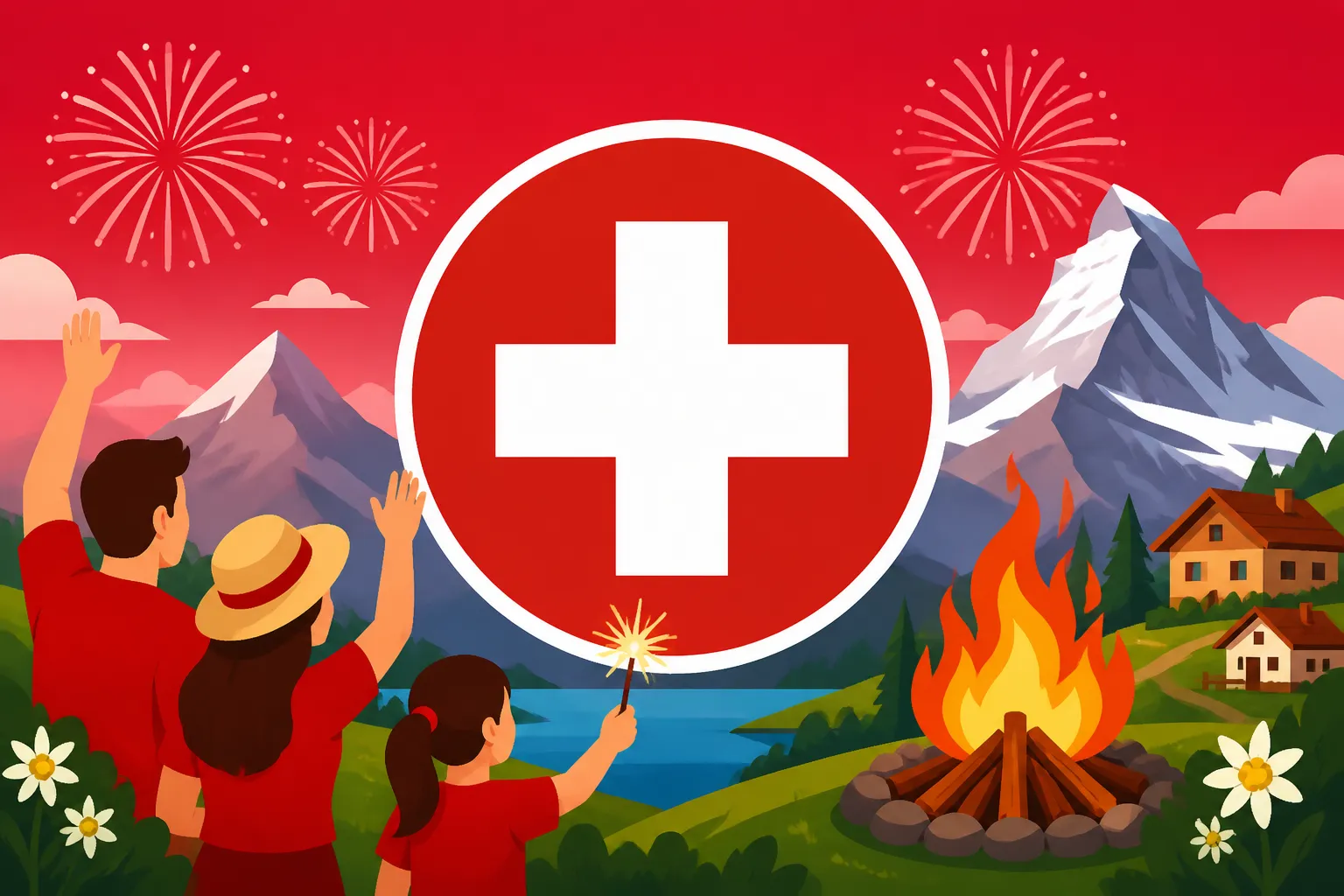
One of the most iconic sights on August 1st, especially as evening falls, are the bonfires (called 1. August-Feuer in German, or feux du 1er août in French) dotting hilltops and mountainsides. These aren't just for warmth; historically, they served as communication signals, warning of invading armies or celebrating victories. Today, they're a beautiful, smoky tribute to those ancient traditions, creating a magical glow across the landscape. You might see children carrying paper lanterns (the Lampionumzug or cortège aux lampions) through village streets, adding to the enchanting atmosphere. It’s a truly heartwarming sight to see families gather for these quiet parades, the soft glow of lanterns illuminating smiling faces.
During the day, smaller towns and villages often host local parades featuring historical costumes, traditional music, and local associations (or Vereine). You’ll hear plenty of Alphorn music – that deep, resonant sound carrying across the valleys – and see flag-throwing demonstrations. These aren't grand, military-style parades, but rather charming, community-focused events that offer a wonderful glimpse into local culture. It's not about showing off, but about sharing and celebrating together. If you're looking to truly immerse yourself, heading to a smaller town that day is highly recommended. Just be ready for the early morning church bells – they often ring out at 6 AM sharp!
Fireworks Galore: Where to See the Best Displays
Ah, fireworks! No Swiss National Day would be complete without them. While there isn't one single "national" display like you might find in other countries, almost every town, village, and even private household will set off some form of pyrotechnics. The air will be filled with the pops, whistles, and booming of fireworks from dusk until well past midnight. Major cities like Zurich, Geneva, Basel, and Lucerne usually organize impressive, professional displays over their lakes or rivers, drawing large crowds. These are generally well-advertised by the city councils.
However, many expats quickly learn that the true magic often lies in the decentralized nature of the fireworks. You can find a good spot on a hillside overlooking a valley or lake, and watch as hundreds, if not thousands, of smaller, private displays illuminate the night sky simultaneously. It's quite a spectacle, almost like the entire country is celebrating at once. Just be aware that public transport can be extremely crowded around these major displays, and parking is often impossible. If you plan to attend a big-city event, check routes and schedules on SBB or use apps like Omio well in advance to avoid getting stuck. Also, keep an eye out for local rules regarding private fireworks – some municipalities have specific times or locations where they're permitted, though enforcement can vary greatly on the night itself.
Ringing Bells and Speeches: Official Commemorations
Beyond the festive fires and fireworks, August 1st also has its more formal, reflective side. Church bells across the country will chime at noon and again in the evening, sometimes for several minutes, a powerful and unifying sound that resonates through valleys and cities alike. These bell-ringing ceremonies are a centuries-old tradition, symbolizing the unity of the cantons and echoing the calls to arms in times of old. It's a moment that can be surprisingly moving, especially if you're in a quiet village where the sound carries far and wide.
You'll also hear numerous official speeches delivered by local dignitaries, politicians, and sometimes even the Federal President, often broadcast on national television and radio. These speeches typically reflect on Swiss values, history, independence, and the importance of community. While they might be in German, French, or Italian, the themes are universal: democracy, neutrality, and solidarity. Attending a local Gemeinde celebration will often include a speech, perhaps a local choir performance, and opportunities to mingle with residents. It's a chance to see how deeply these values are held and to appreciate the unique political landscape of Switzerland. Many larger towns might also have special concerts or cultural performances through platforms like GetYourGuide, though you'll need to filter for specific August 1st events.
Traditional Feasts and Flavors: Culinary Delights of August 1st
Food is, of course, a huge part of any celebration, and Swiss National Day is no exception. While there isn't one single "National Day dish," the day is strongly associated with rustic, communal eating, celebrating the bounties of the land. Forget fancy restaurants; this is a day for simple, hearty, and delicious fare, often enjoyed outdoors.
The Brunch Tradition: August 1st Bauernbrunch
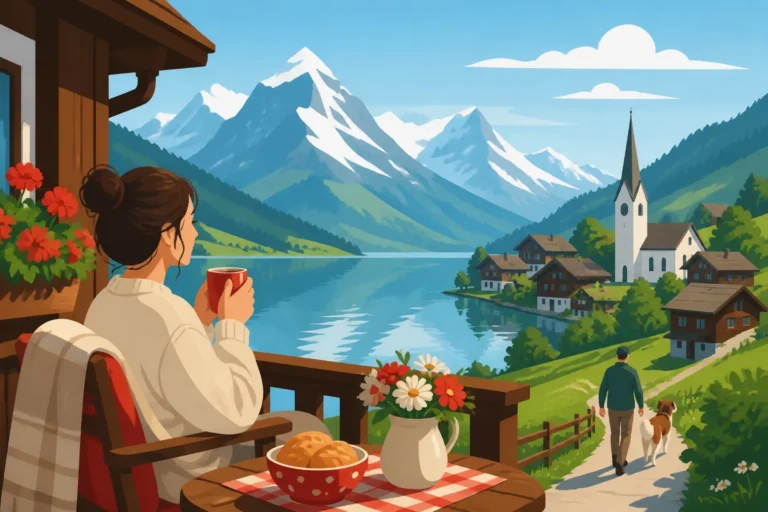
Perhaps the most beloved culinary tradition of August 1st is the Bauernbrunch (farmer's brunch). This isn't your trendy city brunch with avocado toast; this is a full-on, traditional farm feast. Over 300 farms across Switzerland open their doors to the public, offering a sprawling buffet of local produce: fresh bread, cheeses, cold cuts, rösti, birchermüesli, fruit, and plenty of coffee and fresh juice. It's an incredibly popular event, selling out quickly, and a fantastic way to experience Swiss rural life and hospitality.
The Bauernbrunch is a brilliant idea for expats looking to connect with genuine Swiss culture. You get to see the countryside, meet local farmers, and eat an enormous amount of fantastic, fresh food. Tickets often go on sale months in advance, so if you're keen, keep an eye on the official Agritourismus Schweiz website. It’s not just a meal; it's an experience, complete with cowbells, hay bales, and often spontaneous accordion music. Make sure to try some of the local cheeses, which are a point of immense pride. You can learn more about these delights in our guide to Regional Swiss Cheeses: Gruyère, Emmental, Appenzeller, and More.
Grilling and Sharing: Backyard BBQs and Picnics
If a Bauernbrunch isn't on your agenda, chances are you'll be joining a backyard barbecue or a picnic. August 1st is synonymous with grilling. Every park, garden, and even balcony (within reason and apartment rules!) seems to host a grill. Sausages (Bratwurst is a staple!), grilled vegetables, and often some regional specialties like Cervelat (another very Swiss sausage, perfect for grilling) are on the menu. It's a relaxed, informal affair, all about gathering with friends and family.
Many Swiss families will head to one of the country's many designated public Grillstellen (barbecue spots) in forests or by lakes. These often come equipped with fire pits, tables, and benches. It’s a wonderful way to enjoy the beautiful Swiss outdoors. Just remember to clean up thoroughly after yourself – leaving no trace is crucial for Swiss etiquette. Packing a picnic, even if it's just some local bread, cheese, and dried meat, and finding a scenic spot to enjoy it, is another perfect way to spend the day. Don't forget to pair your meal with a refreshing local beer or a glass of Swiss wine! For more on Swiss Food and Drink Culture: Regional Specialties and Dining Etiquette, check out our detailed guide.
Specialty Breads and Drinks: A Taste of Switzerland
Beyond the main meal, there are specific food items that pop up around August 1st. The most recognizable is the 1. August-Weggen or Pain du 1er août. This is a special bread, often round and topped with a small Swiss flag, baked specifically for the occasion. It's a delightful, slightly sweet, white bread, perfect for breakfast or with cold cuts. You'll find them in bakeries across the country in the days leading up to the holiday.
To drink, you'll see plenty of local soft drinks, but also Swiss wine and beer. Many local breweries and wineries have special August 1st offerings. And of course, no Swiss celebration is complete without some form of schnapps or spirits, particularly in the German-speaking cantons. It’s all part of the jovial atmosphere. Don't be afraid to try some local specialties; it's part of the fun of immersing yourself in Swiss Festivals and Traditions: A Year-Round Cultural Calendar.
Practicalities for Expats: Navigating the Holiday
Swiss National Day, being a public holiday, means some adjustments to your usual routine. Knowing what to expect regarding transport, shopping, and general rules will save you a lot of hassle and help you enjoy the day without any unwelcome surprises.
Public Transport and Road Closures: Planning Your Day
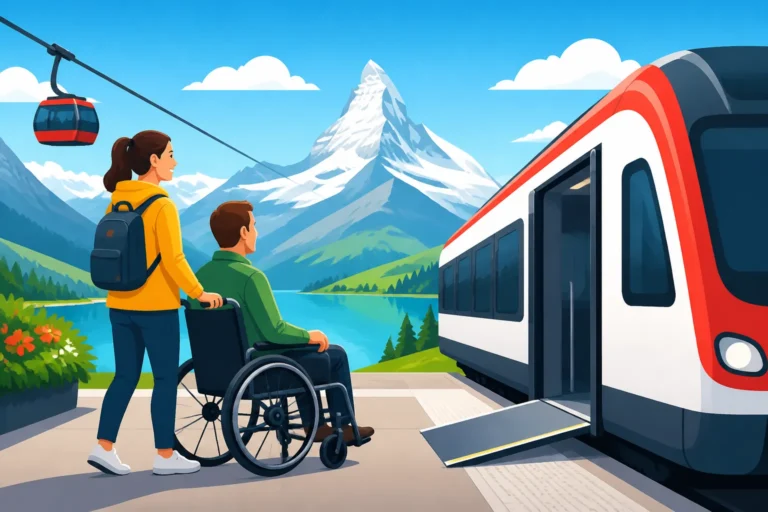
Like any major public holiday, August 1st sees reduced public transport schedules. While main lines still run, frequencies are often lower, similar to a Sunday service. If you plan to travel, especially to a town for a Bauernbrunch or a major fireworks display, always check the SBB schedule in advance. Apps like Omio or the official SBB app are invaluable for this. Major fireworks displays in cities often lead to temporary road closures and diversions for buses and trams, so allow extra time.
If you're heading to the mountains or a popular lakeside spot, expect trains and boats to be fuller than usual. Many Swiss families use their Half-Fare Travelcard (Halbtax) or Generalabonnement (GA) to travel for these festivities. It's a fantastic day to experience Switzerland by Train: The SBB Network, Scenic Routes, and Day Trips, but prepare for company! If you’re driving, be aware that smaller roads leading to popular viewing points for fireworks might be closed or heavily congested. Alcohol checks are also more frequent around such holidays, so plan designated drivers or rely on public transport if you're celebrating with a drink.
Shopping Hours and Emergency Services: Be Prepared
Here’s a crucial one for newcomers: almost all shops, including supermarkets, will be closed on August 1st. Switzerland observes its public holidays very seriously, so don't expect last-minute grocery runs. Plan your shopping for July 31st, as stores will be bustling then. You might find a few small convenience stores at major train stations or petrol stations open, but their selection will be limited and prices higher. Pharmacists will operate on emergency rotas, so know your nearest Notfallapotheke (emergency pharmacy) if you have urgent needs.
For any emergencies, the standard Swiss numbers apply: 112 for general emergencies, 117 for police, 118 for fire, and 144 for ambulance. While the day is festive, accidents can happen, especially with fireworks, so it's good to be aware. Generally, most services are well-staffed to handle the holiday crowds and activities. The main takeaway is simply to plan ahead for your food and any non-urgent needs to avoid frustration.
Embracing the Day: Joining In Respectfully
As an expat, you might initially feel a bit like an observer, which is natural. But August 1st is a wonderful opportunity to integrate and experience Swiss culture firsthand. The key is respect and openness. If you're invited to a local celebration, accept! If you encounter locals, a friendly "Schönen 1. August!" or "Joyeuse Fête Nationale!" (Happy August 1st!) will be appreciated.
While fireworks are a big part of the fun, remember that they can be distressing for pets and some people. If you're lighting your own, do so responsibly, away from dry fields or buildings, and clean up all debris. Most importantly, just enjoy the atmosphere. It's a day when the Swiss relax, celebrate their unique country, and often welcome foreigners into their festivities. Don't be shy; embrace the local Swiss Customs and Etiquette: Social Norms Every Newcomer Should Know and you'll find it a rewarding experience.
Beyond the Fireworks: Finding Local Community
While the big city celebrations have their charm, many expats find that the true heart of Swiss National Day lies in the smaller, more intimate community events. These are the places where you can genuinely connect with local life and experience the authentic pulse of the nation.
Connecting Through Community Events: Vereine and Dorf-Feste
Switzerland thrives on its local associations, or Vereine. These clubs, ranging from sports clubs to singing groups to historical societies, are the backbone of community life. On August 1st, many of these Vereine will be involved in organizing local Dorf-Feste (village festivals) or smaller gatherings. These are usually open to everyone and often feature food stalls selling local specialties, traditional music, children's activities, and even small tombolas (raffles).
Participating in these events is one of the best ways to meet people and feel a part of your new community. You might find yourself sharing a table with locals, trying some regional wine, and listening to lively accordion music. It's a far cry from the potentially overwhelming crowds of a city fireworks display. Keep an eye on your local Gemeinde (municipality) website or notice boards for details of events in your area. They might not be grand, but they are genuine and welcoming. You can often find details about such events through a quick search, or by looking up local event calendars on platforms like Booking.com if you're planning a trip to a specific region and need accommodation for the night.
The Power of the Local: Why Small Towns Shine
While Zurich, Geneva, and Basel certainly put on a show for August 1st, the small towns and villages often offer a more quintessential Swiss experience. Imagine a tiny village nestled in the Alps, its wooden chalets decorated with flags, the scent of woodsmoke from a bonfire drifting through the air, and the echo of alphorns bouncing off the mountains. It's incredibly picturesque and deeply traditional.
In these smaller settings, the celebrations feel more personal, more communal. Everyone knows everyone, and the pride in their heritage is palpable. You'll see older generations explaining traditions to children, families gathering in gardens, and a general sense of peaceful festivity. If you have the chance, venture out of the major urban centers for this holiday. It's where the magic truly happens, where you can see the Swiss flag displayed with genuine affection, and where the sense of national identity is celebrated not with grandiosity, but with heartfelt local charm. It’s a wonderful complement to understanding the broader Swiss Cities Guide: Zurich, Geneva, Basel, Bern, and Beyond by showing you the village roots.
| Aspect of Celebration | German-Speaking Switzerland (e.g., Zurich, Bern) | French-Speaking Switzerland (Romandie, e.g., Geneva, Lausanne) | Italian-Speaking Switzerland (Ticino, e.g., Lugano) |
|---|---|---|---|
| Main Events | Bauernbrunch, bonfires, lantern parades, local speeches, village festivals | Firework displays over lakes, public concerts, formal speeches, traditional markets | Outdoor barbecues, small town gatherings, music, lakeside fireworks |
| Culinary Focus | Bratwurst, Cervelat, 1. August-Weggen, Rösti, local beers | Grilled meats, salads, local wines, artisanal breads, assiettes valaisannes (cold cuts/cheese platter) | Grilled polenta, local cheeses, Ticinese wines, pane del 1° agosto, gelato |
| Atmosphere | Traditional, rustic, family-oriented, community-focused | More urban, festive, often larger public events, focus on music and entertainment | Relaxed, Mediterranean flair, often combines with summer evening activities |
| Fireworks | Widespread private fireworks, organized displays in cities/towns | Large organized displays (e.g., Geneva lakefront), private fireworks less prevalent but present | Often spectacular lakeside displays, private fireworks common in smaller areas |
| Key Symbolism | Rütli Oath, William Tell, independence, unity | Freedom, federalism, the Swiss spirit of cooperation | National identity, cross-cultural appreciation within the confederation |
Remember, this is a generalization, and you'll find variations even within these regions. The beauty of Swiss National Day is its diversity, all unified under the red and white flag. Go out, explore, and find your favorite way to celebrate Switzerland!
Disclaimer
Please note that while this guide provides comprehensive information, local regulations, event schedules, and transport details can change. Always check official local government websites, SBB, and specific event organizers for the most up-to-date information when planning your Swiss National Day experience.