Mount Pilatus from Lucerne: The World’s Steepest Cogwheel Railway
Oh, Mount Pilatus! The "Dragon Mountain" that looms majestically over Lucerne, its jagged peaks often shrouded in mist or glistening with snow, is truly an iconic sight in Central Switzerland. For many of us expats, it’s one of those must-do excursions, but let’s be honest, figuring out the best way to tackle it – especially with its famous cogwheel railway – can feel a bit like cracking a secret Swiss code. This guide is here to unravel all the mysteries, from the steepest railway in the world to the panoramic views at the top, ensuring your trip to Pilatus is nothing short of legendary.
The Mount Pilatus Golden Round Trip: A Journey Like No Other
The most iconic and recommended way to experience Mount Pilatus is by embarking on what’s affectionately known as the "Golden Round Trip." This isn't just a simple up-and-down; it's a meticulously planned, multi-modal adventure that begins and ends in Lucerne, blending boat travel, the world's steepest cogwheel railway, and a panoramic aerial cableway. It's designed to give you a full spectrum of Swiss landscapes, from serene lake views to dramatic alpine vistas, all in one glorious day.
Starting Your Adventure: Lucerne to Alpnachstad by Boat or Train
Your Golden Round Trip typically kicks off in Lucerne. You have two delightful choices to get to the base of the cogwheel railway in Alpnachstad, each offering a distinct flavor of Swiss transport.
First, there's the incredibly scenic lake cruise. Stepping onto a historic paddle steamer or a modern motor vessel from the pier right in front of the Lucerne train station (Bahnhofquai) feels like a step back in time. The journey across the deep blue waters of Lake Lucerne is simply breathtaking. You'll glide past charming lakeside villages, lush green hillsides, and of course, watch Pilatus slowly grow larger and more imposing with every nautical mile. This boat ride takes about an hour and is an experience in itself, allowing you to soak in the tranquility and beauty of the region. Imagine the fresh mountain air, the gentle lapping of the waves, and the stunning panorama unfolding around you – it's pure bliss and a wonderful transition from city bustle to mountain serenity. Many expats find this part of the journey particularly relaxing, a perfect way to ease into the day's adventure.
Alternatively, for those pressed for time or simply preferring rail, you can take a regional train directly from Lucerne to Alpnachstad. This train journey is much quicker, usually around 17-20 minutes, offering pleasant views as you skirt the lake and head into the surrounding countryside. While it lacks the nostalgic charm of the boat, it's efficient and direct, especially if you're keen to get straight to the main event: the cogwheel railway. Either way, arriving in Alpnachstad marks the real beginning of your ascent to the Dragon Mountain.
The Cogwheel Railway Ascent: Conquering the Steepest Slopes
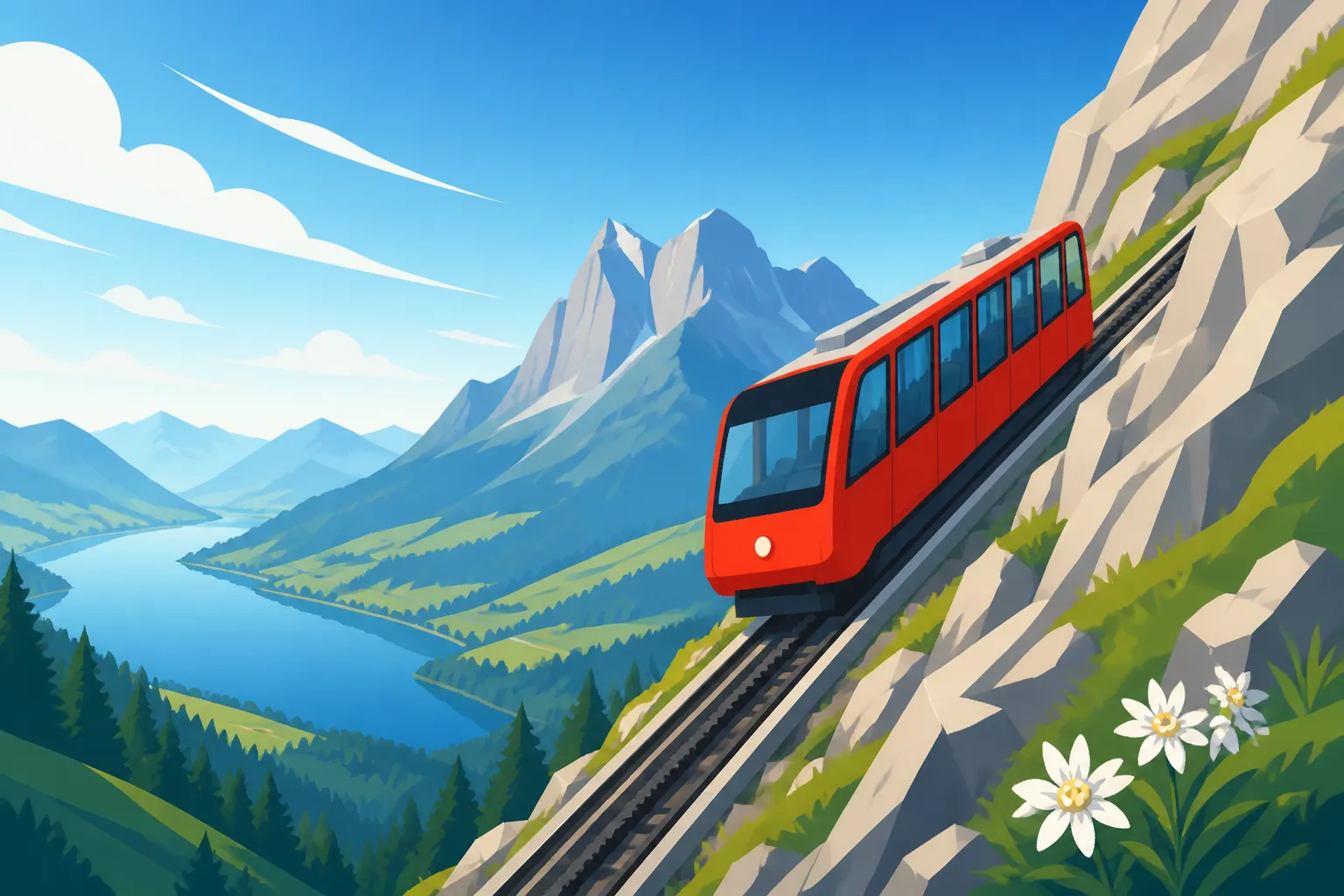
From Alpnachstad, you’ll board the Pilatus Railway – a true marvel of 19th-century engineering and the world's steepest cogwheel railway, boasting an incredible maximum gradient of 48%. Seriously, when you look up at some sections, you'll wonder how it even works! It's a testament to Swiss precision and ingenuity.
As the train slowly, yet surely, begins its climb, you’ll feel the palpable shift in gradient almost immediately. The initial sections pass through lush meadows and dense forest, giving way to more rugged terrain as you ascend. The views outside your window rapidly transform from verdant valleys to dramatic rock formations and increasingly expansive panoramas. Keep your camera ready, because every twist and turn reveals another postcard-perfect scene. You'll see tiny chalets clinging to impossible slopes, hear cowbells tinkling in the distance, and watch as Lake Lucerne shrinks into a shimmering sapphire far below. The journey is a constant spectacle, punctuated by tunnels and galleries carved into the rock face. It takes roughly 30-40 minutes to reach Pilatus Kulm, the summit station, and honestly, the ride itself is half the adventure. It's a unique sensation, feeling the power of the cogwheel pulling you up, up, up the mountain.
Descending with a View: Panorama Gondola and Aerial Cableway
Once you've soaked in the summit views, the Golden Round Trip continues with a different, equally spectacular descent. From Pilatus Kulm, you'll first board the "Dragon Ride," a modern aerial cableway that glides effortlessly down to Fräkmüntegg. This part of the journey offers an exhilarating, almost free-floating sensation with huge panoramic windows providing uninterrupted views as you descend into the next alpine bowl. It's faster than the cogwheel and offers a different perspective of the mountain's sheer scale.
The descent via the Dragon Ride takes about 5 minutes, bringing you to Fräkmüntegg, a hub of activities that we’ll dive into later. After perhaps a quick stop or an adrenaline rush, you’ll transfer to the panorama gondolas, which are smaller, 4-seater cabins. These gondolas embark on a longer, more gentle descent through forests and over meadows, offering charming, intimate views of the changing landscape, passing over the Krienseregg station, and eventually arriving back in Kriens, a suburb of Lucerne. This scenic gondola ride from Fräkmüntegg to Kriens takes about 30 minutes. From Kriens, local bus number 16 takes you directly back to Lucerne city center (or bus number 1 to the main train station), completing your epic circuit.
This combination of boat/train, cogwheel, cableway, and gondola truly maximizes the experience, showcasing the diverse beauty of the Swiss landscape from every angle. If you're planning your trip, consider checking options on sites like GetYourGuide, which often package these tickets together for convenience.
The World's Steepest Cogwheel Railway: An Engineering Marvel
When people talk about Pilatus, the cogwheel railway is often the first thing that comes to mind. It's not just a means to an end; it's a destination in itself, a feat of 19th-century engineering that continues to impress visitors from around the globe.
A Marvel of Engineering: History and Mechanics
The Pilatus Railway, officially opened in 1889, was the brainchild of Eduard Locher, a brilliant Swiss engineer. The challenge was immense: how to build a railway up a mountain with a gradient so steep that conventional adhesion railways were impossible. Locher’s ingenious solution was a unique cog system (known as the Locher system) where two horizontally opposed cogwheels grip a central rack rail. Unlike other cogwheel systems that engage vertically, this design prevents the train from derailing even on the steepest sections, ensuring maximum safety.
The construction itself was a monumental undertaking, taking 400 workers 3.5 years to complete. They blasted tunnels, built bridges, and meticulously laid the track, often working in incredibly harsh conditions. Initially, the trains were steam-powered, a testament to the era's industrial might. In 1937, it was electrified, making it more efficient and environmentally friendly. Standing at the base in Alpnachstad and looking up, or even just seeing pictures of the track, you get a real sense of the scale and ambition involved. It's truly mind-boggling to think about how they pulled it off with the technology of the time. This railway isn't just a ride; it's a moving museum of human ingenuity and a cornerstone of Swiss engineering heritage.
The Journey Itself: What to Expect on Board
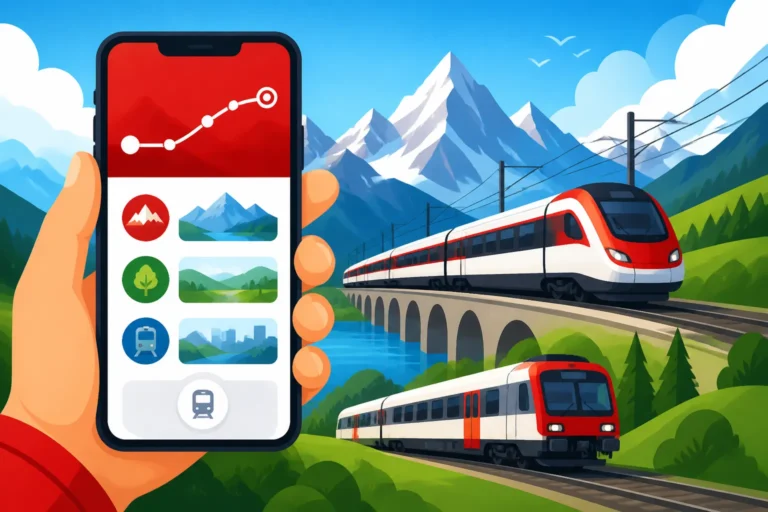
Stepping onto the bright red train, you'll notice the carriages are designed to be quite compact and robust. As the train slowly pulls away from Alpnachstad station, the initial incline might not seem too extreme, but within moments, you'll feel the powerful cogwheels engage, and the ascent becomes noticeably steeper. The carriages tilt quite significantly, and it’s a truly unique sensation – almost like being lifted rather than simply moving forward.
The windows offer fantastic, unobstructed views, and you'll quickly find yourself glued to them, watching the landscape shift dramatically. You'll pass through lush alpine meadows dotted with wildflowers in summer, often with grazing cows. Then, the scenery transitions to more rugged, rocky terrain, with sheer cliffs and dramatic drops. The train passes through several short tunnels and protective galleries, which offer brief moments of darkness before revealing yet another stunning vista. You can often see the track stretching out ahead, a narrow ribbon of steel clinging to the mountainside, disappearing into the clouds. The maximum speed is modest, around 9-12 km/h, which is perfect for soaking in the scenery and appreciating the engineering marvel beneath you. The journey up to Pilatus Kulm is an experience that delights both engineering enthusiasts and casual sightseers alike.
Seasonal Operation: When It Runs and Why
Crucially, the world's steepest cogwheel railway operates seasonally. Due to the extreme gradients and the likelihood of heavy snowfall and ice at such high altitudes, the cogwheel railway typically runs from early May to mid-November. These dates are approximate and depend heavily on snow conditions and maintenance schedules, so it's always wise to double-check the official Pilatus website for exact operating times before you plan your visit.
During the winter months (roughly mid-November to early May), the cogwheel railway is closed. This means that if you visit Pilatus outside of its summer/autumn operating window, your only route to the summit will be via the panoramic gondolas and aerial cableway from Kriens. While this route is still incredibly scenic and functional year-round (weather permitting), it means you'll miss out on the unique thrill of riding the world's steepest cogwheel. For many expats, experiencing that railway is a core part of the Pilatus adventure, so timing your trip correctly can make a big difference to your overall experience. Keep an eye on the weather forecasts and the Pilatus Bahn website for the most current information, especially if you're visiting in the shoulder seasons.
Reaching Pilatus Peak: What to Do and See at the Top
Once you've arrived at Pilatus Kulm, whether by the impressive cogwheel railway or the Dragon Ride cableway, you're greeted with an absolutely breathtaking panorama. This isn't just a peak; it's a mini-destination in itself, offering a range of facilities and activities to make your time at the summit truly memorable.
Pilatus Kulm Facilities: Hotels, Restaurants, Viewpoints
The summit station, Pilatus Kulm, is a well-developed complex perched at 2,132 meters (6,995 feet) above sea level. You'll find two historic hotels here: the Hotel Pilatus Kulm and the Hotel Bellevue. Staying overnight is a magical experience, especially if you can catch a sunrise or sunset over the sea of clouds – definitely something to consider for a special occasion! You can check Booking.com for availability and prices if you're thinking of extending your alpine adventure.
For dining, there are several options to suit different tastes and budgets. The self-service Restaurant Bellevue offers hearty Swiss fare with incredible views, perfect for a quick, casual meal. For a more upscale experience, the Queen Victoria restaurant, located within the Hotel Pilatus Kulm, serves delicious regional dishes in a more formal setting. There's also a smaller cafe for snacks, coffee, and cake. Beyond food, the complex includes souvenir shops where you can pick up traditional Swiss gifts and Pilatus memorabilia, as well as clean restrooms. Most importantly, there are numerous panoramic terraces and viewing platforms strategically placed to offer breathtaking 360-degree vistas of the surrounding Alps, including the Bernese Oberland, the Jura Mountains, and the shimmering lakes below. Take your time to walk around, find your favorite viewpoint, and simply breathe in the crisp mountain air.
Hiking and Photo Opportunities: Dragon's Path, Tomlishorn
While Pilatus Kulm itself is stunning, don't just stick to the main buildings! There are several well-maintained walking paths that allow you to explore the rugged summit area further and snag even more incredible photos.
The most famous short walk is the "Dragon's Path" (Drachenweg). This easy, paved loop trail leads you through a series of short tunnels and galleries carved into the rock face, offering dramatic cliff-side views and glimpses into the legendary Dragon's Lair. It’s a relatively flat and accessible walk, perfect for families and those who want a taste of the mountain's wild side without a strenuous hike. Along the path, informational signs tell the captivating legends of dragons on Pilatus – a fun touch for both kids and adults.
For the more adventurous, a slightly longer and more challenging hike takes you to the highest point on Mount Pilatus, the Tomlishorn (2,128 meters / 6,982 feet). This panoramic ridge walk, approximately 40 minutes one way from Pilatus Kulm, is rewarded with even more expansive and unobstructed views. While not technically difficult, it involves some gentle ascents and descents, and you'll want sturdy shoes. On a clear day, the views from Tomlishorn are truly unparalleled, stretching far across the Swiss plateau and deep into the alpine heartland. Just remember that mountain weather can change quickly, so always be prepared with layers, even if it starts sunny. If you're into more serious alpine treks, this could be a great starting point, but always check local conditions. Consider looking at articles such as Hiking for Beginners in Switzerland: Trail Grades and the SAC System for more advice on mountain safety.
The Dragon Legend: Immersing in Local Lore
Mount Pilatus isn't just a geographical feature; it's steeped in rich folklore and ancient legends. The mountain gets its name from various sources, one being the belief that Pontius Pilate was buried in a small lake near the summit after his death, and his restless spirit haunted the area. More famously, however, Pilatus is known as the "Dragon Mountain" because of the countless tales of benevolent dragons with healing powers that lived in its caves.
Local lore speaks of these dragons as guardians of the mountain, often appearing as winged serpents. One popular legend recounts a knight who, while exploring the mountain, encountered one of these dragons. Instead of fighting, the knight communicated with it and learned of its wisdom. Another tale suggests that dragon's blood, which occasionally trickled down the mountainside, possessed miraculous healing properties. These stories add a layer of mystique and magic to the already impressive natural beauty of Pilatus. As you walk the Dragon's Path, imagine these creatures soaring through the skies or resting in their hidden lairs within the mountain's depths. It's a wonderful way to connect with the local culture and history, transforming a simple mountain excursion into an encounter with Swiss mythology.
Planning Your Pilatus Trip: Tickets, Timing, and Practical Tips
A trip to Mount Pilatus is an experience you won't soon forget, but like all good Swiss adventures, it benefits from a bit of careful planning. Navigating the ticket options and choosing the right time to visit can make a big difference in your overall enjoyment.
Ticket Options and Passes: Golden Round Trip, Tell Pass, Half-Fare
Let's talk about tickets, because Swiss public transport and mountain excursions can get pricey, and knowing your options is key to saving some francs.
The most popular ticket is the Golden Round Trip ticket. This covers all modes of transport: the boat from Lucerne to Alpnachstad (or the train), the cogwheel railway up to Pilatus Kulm, the Dragon Ride cableway down to Fräkmüntegg, and the panorama gondola to Kriens, followed by the bus back to Lucerne city center. It's the most convenient package.
However, many expats living in Switzerland, and even some tourists, benefit greatly from various travel passes:
- Half-Fare Travelcard (Halbtax): If you have a The Half-Fare Travelcard (Halbtax): The Must-Have Pass for Swiss Residents, you'll pay half price on the entire Golden Round Trip, including the boat and mountain railways. This is a significant saving and highly recommended if you plan any other train travel in Switzerland.
- General Abonnement (GA): For those with a SBB Travelcards: Is the Generalabonnement (GA) Worth the CHF 4000+ Cost?, the entire Golden Round Trip is usually included, or at least heavily discounted, making it practically "free" in terms of additional cost.
- Swiss Travel Pass: This pass, primarily for tourists, often covers the boat ride and offers a 50% discount on the mountain railways, similar to the Half-Fare card.
- Tell Pass: If you're staying in Central Switzerland for several days and planning multiple mountain and lake excursions, the Tell Pass might be a fantastic option. It often includes Pilatus (and many other attractions) completely free of charge. You'll need to do the math to see if it's cost-effective for your itinerary.
It's also worth noting that children, especially those with a Junior Travelcard or Children's Co-travelcard, often travel free or at heavily reduced rates when accompanied by a parent with a valid ticket/pass.
Here's a quick overview of typical Golden Round Trip pricing (always check current rates on the official Pilatus website):
| Ticket Type | Full Price (approx. CHF) | With Half-Fare / Swiss Travel Pass (approx. CHF) | With GA / Tell Pass (approx. CHF) |
|---|---|---|---|
| Golden Round Trip (Adult) | 78-85 | 39-43 | Free / Heavily Discounted |
| Golden Round Trip (Child) | 39-43 | 19-22 | Free with Junior Card |
For the latest pricing and to compare different ticket combinations, the official Pilatus website is your best friend. Also, don't forget that you can sometimes find deals or pre-booked tickets through platforms like Omio or GetYourGuide, which can offer convenience, especially if you prefer a packaged tour.
Best Time to Visit: Weather, Crowds, and Views
Choosing the right time to visit Pilatus is crucial, as the experience can vary dramatically with the seasons and even the time of day.
Weather is paramount. On a clear, sunny day, the views are absolutely breathtaking – you can see for miles in every direction. However, if the mountain is shrouded in clouds or fog, you might see nothing at all, which can be a real disappointment after the journey and expense. Always check the weather forecast for Pilatus specifically (many Swiss mountain resorts have their own detailed forecasts and webcams) on the morning of your planned trip. Don't just trust the Lucerne city forecast, as mountain weather can be very different. The Pilatus website usually has live webcams, which are invaluable.
Crowds: Pilatus is a popular attraction, especially during peak summer months (July-August) and on sunny weekends. To avoid the biggest crowds, try to go on a weekday if possible. If a weekend is your only option, aim to start your Golden Round Trip early in the morning (before 9 AM) or later in the afternoon (after 2 PM). The cogwheel railway can get particularly busy, leading to queues. The first few boats and trains up and the last few down are often the most crowded.
Views:
- Summer (June-September): Generally the best for clear views, warm weather, and all attractions (including the cogwheel and summer activities at Fräkmüntegg) operating. The mountain is green, and the lakes sparkle.
- Spring (May): Can be beautiful, with snow still on the peaks but warmer temperatures. The cogwheel railway usually reopens in May. Be prepared for variable weather.
- Autumn (October-November): Offers stunning fall foliage on the lower slopes and often crisp, clear days with excellent visibility. However, the cogwheel typically closes by mid-November, and temperatures drop significantly.
- Winter (December-April): The cogwheel is closed. You can still reach the summit via the gondola and cableway from Kriens. It's a truly magical experience if you catch it on a bluebird day with fresh snow, transforming the landscape into a winter wonderland. However, visibility can be poor, and it will be cold.
In summary: aim for a clear day, check the webcams, and go early to beat the rush!
Booking in Advance: Avoiding Queues, Especially for the Cogwheel
While it's not always strictly necessary to book the entire Golden Round Trip in advance, it can certainly save you time and stress, especially during peak season or on busy weekends.
- Cogwheel Railway: This is often the bottleneck. If you're traveling during a busy period, pre-purchasing your Golden Round Trip ticket online from the official Pilatus website or via partners like Omio can help you bypass the ticket lines at the stations. Some tickets allow you to choose a specific time slot for the cogwheel, which can be a lifesaver.
- Boat Trip: While the boats have ample capacity, buying your ticket in advance (or having your pass ready) means you can walk straight onto the boat.
- GetYourGuide/Booking.com: If you prefer a guided experience or a combined package, sites like GetYourGuide offer various Pilatus tours that include tickets and sometimes even transportation from Zurich or other cities, streamlining the process.
- Hotel Stays: If you plan to stay at one of the summit hotels, booking well in advance through platforms like Booking.com is absolutely essential, as rooms are limited and highly sought after.
Even if you don't book the full Golden Round Trip, having your SuperSaver Tickets on SBB: How to Find the Cheapest Train Fares for the train to Alpnachstad or your Half-Fare card ready will speed things up at the counter. A little pre-planning goes a long way in ensuring a smooth and enjoyable trip up Mount Pilatus.
Essential Packing List: Layers, Sunscreen, Water
Packing for a trip to a Swiss mountain like Pilatus requires a bit of foresight, as conditions can change rapidly from the valley floor to the summit. "Layers" is always the golden rule.
- Clothing Layers: Even on a warm summer day in Lucerne, the temperature at Pilatus Kulm can be significantly cooler, often 10-15 degrees Celsius colder, with a biting wind. Bring a base layer, a mid-layer (fleece or sweater), and a windproof/waterproof outer jacket. A light hat and gloves might not be out of place, especially in spring, autumn, or winter.
- Comfortable Shoes: While the Dragon's Path is paved, if you plan to walk to Tomlishorn or explore any of the trails at Fräkmüntegg or Krienseregg, sturdy, comfortable walking shoes are essential.
- Sun Protection: The sun at high altitudes is incredibly strong, even on cloudy days. Bring high-SPF sunscreen, sunglasses, and a hat. You'll be surprised how quickly you can get a sunburn, even in cooler temperatures.
- Water Bottle: Stay hydrated, especially if you're hiking. While there are restaurants and fountains, having your own reusable bottle is always a good idea.
- Camera/Phone: For those incredible photo opportunities! Make sure it’s fully charged.
- Small Backpack: To carry your layers, water, snacks, and souvenirs comfortably.
- Cash/Card: While most places accept cards, it’s always wise to have some small Swiss francs on hand for unforeseen circumstances or smaller purchases.
Being well-prepared will allow you to fully enjoy the natural beauty and exhilarating experiences Pilatus has to offer, no matter what the mountain weather throws your way. You can find more comprehensive advice in guides like What to Pack for a Day Trip to the Swiss Alps.
Beyond the Peak: Pilatus Activities for Every Season
Mount Pilatus offers more than just stunning views from its peak. Along the descent route, particularly at the Fräkmüntegg and Krienseregg stations, there are fantastic activities that transform the journey into a full-day adventure, especially if you're traveling with family.
Fräkmüntegg Adventure: Rope Park and Toboggan Run
Once you take the Dragon Ride down from Pilatus Kulm to Fräkmüntegg, you’ll discover a vibrant activity hub that’s a highlight for thrill-seekers and families alike.
The Pilatus Rope Park is Switzerland's largest rope park, offering a range of climbing and balancing challenges set amidst the trees. With various difficulty levels, it caters to everyone from complete beginners (including a special park for kids from 4 years old) to experienced climbers. You'll traverse wobbly bridges, swing through the air, and zip line between platforms, all under the watchful eyes of trained instructors and with safety harnesses, of course. It’s an exhilarating way to experience the forest canopy and test your agility. Allow at least 2-3 hours if you plan to tackle several courses.
Also at Fräkmüntegg is the Dragon Glider, a kind of forest zip line that lets you soar through the trees (though it's more of a guided descent than a traditional zip line). It's a fun, slightly less intense alternative to the rope park for those who want a quick thrill.
Perhaps the most famous attraction at Fräkmüntegg (and a huge hit with expats and tourists) is the Fronalp (or Fräkmüntegg) Toboggan Run – Switzerland's longest summer toboggan run! This 1,350-meter-long stainless steel track twists and turns down the mountainside, with banked curves and speedy straightaways. You control your speed with a brake lever, so you can go as fast or as slow as you like. It's an absolute blast and guaranteed to bring out the child in everyone. Just be aware that it operates only in summer and on dry days; rain means it closes for safety. Check their operating status before you go to avoid disappointment. These activities make Fräkmüntegg a fantastic stop for Family Travel in Switzerland: Kid-Friendly Destinations and Tips.
Krienseregg Fun: Playground and Hiking
Further down the mountain, accessible by the panoramic gondola from Fräkmüntegg, is the intermediate station of Krienseregg. This station offers a more relaxed, gentle experience, especially suited for families with younger children or those simply looking for a peaceful break.
Krienseregg boasts a wonderful "Piluland" adventure playground, which is completely free to use. It’s a sprawling play area designed with natural materials, featuring slides, swings, climbing structures, and plenty of space for kids to run around and burn off energy. There are also picnic areas and barbecue spots (known as Brätlistellen) where you can grill your own food – a popular Swiss pastime. Many families pack a picnic lunch and spend a couple of hours here, letting the kids enjoy the fresh air and play facilities.
Beyond the playground, Krienseregg is also a great starting point for easy and moderate hiking trails. You can opt for gentle loops through the forest or longer treks connecting to other parts of the mountain. These trails are typically well-marked and offer pleasant views, making them ideal for a leisurely stroll before you continue your descent back to Kriens and Lucerne. The Restaurant Krienseregg also provides refreshments and meals, offering a cozy, family-friendly atmosphere. It’s a perfect spot to unwind and enjoy the mountain's natural beauty without the crowds often found at the very summit.
Insider Tips for Expats: Maximizing Your Pilatus Adventure
As an expat living in Switzerland, you quickly learn that a little local knowledge goes a long way. Visiting Pilatus is no exception. Here are some seasoned tips to help you make the most of your dragon mountain adventure.
Discount Opportunities: GA, Half-Fare, Junior Card
We've touched on this, but it bears repeating: Swiss public transport passes are your best friend when it comes to saving money on mountain excursions.
- General Abonnement (GA): If you're a proud owner of a GA, congratulate yourself! The entire Golden Round Trip (boat/train, cogwheel, cableway/gondola, and bus back to Lucerne) is often fully covered. This means you can wake up, check the weather, and if it's clear, head straight to the station without a second thought about ticket costs. It's one of the great perks of the GA.
- Half-Fare Travelcard: This is arguably the most common and useful pass for residents and frequent visitors. With a Half-Fare card, you get a 50% discount on the entire Golden Round Trip. This effectively halves your costs for the mountain transport, making Pilatus significantly more affordable. If you're planning more than one or two mountain trips during your stay in Switzerland, the Half-Fare card usually pays for itself quickly.
- Junior Travelcard & Children's Co-travelcard: If you have children aged 6-16, these cards are a game-changer. For a small annual fee (around CHF 30), children travel free on most public transport and mountain railways when accompanied by a parent with a valid ticket or pass. This applies to the Golden Round Trip too! For very young children (under 6), they usually travel free anyway. Always check the SBB website for the latest conditions for accompanying children.
Always make sure to have your physical pass or digital pass readily available on your phone when purchasing tickets or boarding, as staff will often check.
Combining with Lucerne Exploration: Making a Full Day
Mount Pilatus is an incredible experience, but it’s geographically very close to the charming city of Lucerne. You absolutely don't have to choose between them; they complement each other beautifully for a packed day of Swiss sights.
Many people choose to start their Pilatus adventure early in the morning, aiming to be at the summit by late morning or early afternoon. This gives you plenty of time to explore Pilatus Kulm, maybe do a short hike, and enjoy the activities at Fräkmüntegg. By late afternoon, you can be back in Lucerne, ready to explore its historic attractions.
Consider spending your late afternoon wandering through Lucerne's picturesque Old Town, admiring the iconic Chapel Bridge (Kapellbrücke) and Water Tower. You could enjoy a leisurely stroll along the lake promenade, or perhaps visit the poignant Lion Monument. In the evening, treat yourself to a delicious Swiss dinner in one of the many restaurants in the city. By combining the alpine majesty of Pilatus with the cultural charm of Lucerne, you're guaranteed a full and enriching day. For ideas on what to see and do in the city, check out resources like Day Trips from Zurich: Rhine Falls, Rapperswil, and Lucerne.
Language Considerations: English-Speaking Staff Availability
Switzerland is a multilingual country, and while Lucerne is in the German-speaking part, English is widely understood and spoken, especially in tourist-heavy areas. At major attractions like Mount Pilatus, you can generally expect staff at ticket counters, hotels, and restaurants to speak English proficiently. Information signs and audio guides are also often available in English.
However, it's always polite and appreciated to try a few basic phrases in German or French if you're comfortable. A friendly "Guten Tag" (good day), "Danke schön" (thank you very much), or "Entschuldigen Sie" (excuse me) can go a long way. Don't stress too much about the language barrier, though; you'll likely find that navigating Pilatus with English alone is perfectly manageable. Most Swiss people working in tourism are accustomed to helping international visitors and are generally very patient and helpful. So, relax, speak English, and enjoy the stunning views and the friendly Swiss hospitality!
Disclaimer
The information provided in this guide is for general informational purposes only and is based on typical conditions and practices in Switzerland as of the last update. While we strive to keep the content current and accurate, details such as operating hours, prices, and specific regulations (including those related to public transport passes and mountain railways) can change without notice due to weather conditions, maintenance, special events, or policy updates from service providers. We strongly recommend checking the official websites of Mount Pilatus, SBB (Swiss Federal Railways), and any specific activity providers (e.g., rope park, toboggan run) for the most up-to-date information before planning your trip. We cannot be held responsible for any inconvenience or financial loss incurred as a result of relying on outdated information. Always prioritize safety and follow local guidelines and instructions from staff.