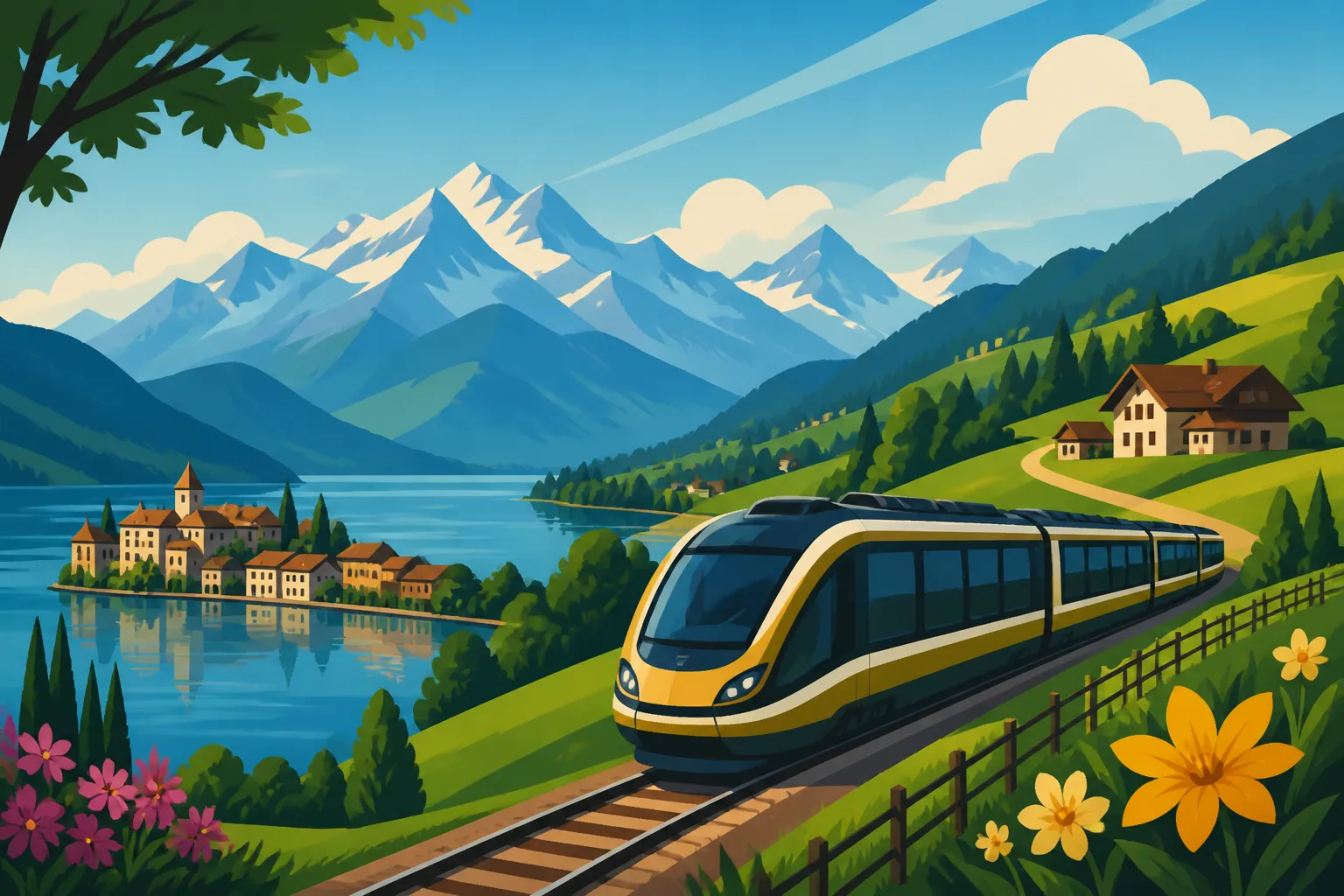
The GoldenPass Line: Montreux to Lucerne Through the Heartland
Ah, the GoldenPass Line! So many of you expats and first-time visitors reach out, slightly overwhelmed by the sheer number of breathtaking train journeys Switzerland offers. You've heard whispers of the "Glacier Express" and the "Bernina Express," but then someone mentions a route connecting Montreux to Lucerne, winding through landscapes that seem to change like a carefully choreographed theatrical performance. This guide is going to walk you through everything you need to know about navigating this absolutely stunning route, ensuring you don't miss a single panoramic vista or crucial detail.
Unpacking the GoldenPass Line: A Journey Through Switzerland's Heart
Let's cut through the official jargon and get to the heart of what the GoldenPass Line truly is. It's not one single train in the way the Glacier Express might be; rather, it’s a collection of three distinct railway lines that, when connected, create a spectacular journey across three of Switzerland's major linguistic and cultural regions. Imagine starting on the sun-drenched shores of Lake Geneva, climbing into the chalet-dotted landscapes of the Bernese Oberland, and finally descending into the serene, German-speaking heartland around Lucerne. That, my friends, is the GoldenPass. It’s an experience that truly showcases the incredible diversity packed into this small, magnificent country.
The Evolution of a Scenic Route
The concept of the GoldenPass Line isn't new, but it's constantly evolving. Historically, it was a series of regional railways, each with its own gauge – which, as you can imagine, meant a bit of faffing about with changing trains and platforms. The genius behind the modern GoldenPass is its seamless integration, allowing for a more fluid journey today, especially with the introduction of the GoldenPass Express. This innovative train, launched in 2022, actually changes its track gauge automatically at Zweisimmen, meaning you can stay comfortably in your seat for a significant portion of the journey that once required a transfer. It's a testament to Swiss engineering prowess, always striving to enhance the visitor experience without sacrificing the charm of these historic routes. This foresight makes it a particularly attractive option for those looking to explore Switzerland by Train: The SBB Network, Scenic Routes, and Day Trips with minimal hassle.
Why Choose the GoldenPass?
You might be wondering, with so many incredible scenic train rides, why zero in on the GoldenPass? Well, it’s about variety and accessibility. While the Glacier Express takes you through the deep Alps, and the Bernina Express ventures to the Italian border, the GoldenPass offers a quintessential Swiss experience that is perhaps more "accessible" in terms of its geography. It's less about the dramatic, craggy peaks and more about rolling hills, serene lakes, charming chalets, and picturesque villages. It’s also incredibly convenient as it connects two major tourist hubs: the elegant French-speaking Montreux on Lake Geneva (Lac Léman): Towns, Boats, and Vineyard Walks and the historic German-speaking Lucerne, a fantastic base for Exploring Lucerne: Old Town, Lake Cruises, and Mount Excursions. For many expats, who might have friends or family visiting and want to show them a quintessential slice of Switzerland without going too far off the beaten path, the GoldenPass offers an ideal blend of comfort, scenery, and cultural immersion.
The GoldenPass Route: Montreux to Lucerne, Segment by Segment
The magic of the GoldenPass Line lies in its segmented nature, each leg offering a distinct flavor of Switzerland. While the new GoldenPass Express aims to make the Montreux-Interlaken Ost segment seamless, the full "heartland" journey still involves a change at Interlaken Ost to reach Lucerne. Let's break down this beautiful journey.
Montreux to Zweisimmen: The Panoramic Ascent
This first segment, often known as the Montreux–Berner Oberland railway (MOB), is where you truly appreciate the engineering marvel of these narrow-gauge trains. Starting from Montreux, right by the sparkling waters of Lake Geneva, the train immediately begins its ascent, clinging to the mountainside. You'll quickly leave behind the elegant lakeside promenades and vineyards of the Lavaux UNESCO World Heritage site, plunging into tunnels and emerging to incredible vistas over the lake. It's a steep climb, and you can practically feel the air changing, becoming crisper as you gain altitude.
The train passes through charming, quintessential Swiss villages like Montbovon and Château-d'Œx, with their traditional chalets and cows grazing in lush pastures. Keep an eye out for the Swiss "chocolate train" (often branded by Cailler) that runs on this same route – a delightful detour if you're a chocolate enthusiast. The landscape here transitions from Mediterranean-influenced vineyards to alpine meadows, offering a beautiful contrast. The journey culminates in Zweisimmen, a picturesque village nestled in the Simmen Valley, where the seamless gauge change for the GoldenPass Express takes place, allowing you to continue towards Interlaken without stepping off. If you're on a regular GoldenPass train, this is your transfer point.
Zweisimmen to Interlaken Ost: Bernese Oberland Bliss
Once past Zweisimmen, whether you've stayed on the GoldenPass Express or transferred to a standard regional train, you enter the heart of the Bernese Oberland. This section, historically part of the BLS railway, is characterized by its wide, open valleys, dense forests, and the imposing peaks of the Eiger, Mönch, and Jungfrau appearing in the distance on a clear day. You'll pass through the famous, glamorous ski resort town of Gstaad, known for its wooden chalets and celebrity visitors. Even if you're not staying, catching a glimpse of its elegance from the train is a treat.
The journey continues through picturesque towns like Spiez, which boasts a stunning castle right on Lake Thun, and then proceeds along the shores of this deep blue lake. The views of Lake Thun, often shimmering under the sun with medieval castles dotted along its banks, are simply breathtaking. Finally, you pull into Interlaken Ost, the bustling gateway to the Jungfrau region, where you can connect to myriad other adventures, including the famed trip up to the Jungfraujoch 'Top of Europe': Planning the Trip and Saving Money. This stop is usually the second transfer point for the full Montreux-Lucerne journey.
Interlaken Ost to Lucerne: Lakes, Mountains, and Legend
The final leg of the GoldenPass journey, operated by Zentralbahn, is arguably one of the most beautiful train rides in Switzerland. Leaving Interlaken Ost, you'll soon be hugging the shores of Lake Brienz, known for its striking turquoise waters, fed by glacial melt. The route winds past waterfall-laced cliffs and through charming villages like Brienz, famous for its woodcarving traditions. This is a truly immersive experience with the lake, often feeling as if the train is floating just above the water.
As you head further east, the landscape becomes more dramatic, with the train climbing over the Brünig Pass, a major mountain pass connecting the Bernese Oberland with Central Switzerland. Here, you'll see a mix of rugged mountains and serene alpine lakes, including Lake Lungern and Lake Sarnen. The panoramic windows truly come into their own here, offering uninterrupted views of this stunning natural beauty. The final descent into Lucerne, past even more lakes and eventually into the city itself, is a fitting end to a truly epic journey. You’ll be deposited right into the heart of Lucerne, ready to explore its Chapel Bridge, Water Tower, and historic old town.
Choosing Your GoldenPass Experience: Panoramic vs. Classic Trains and Classes
The GoldenPass Line isn't just one type of train; it's an experience that can be tailored to your preferences, whether you're looking for ultimate luxury and views, or a more traditional, charming ride. The primary choice you'll face is between the modern, purpose-built panoramic trains and the more classic, elegant coaches. Both offer unique advantages and distinct atmospheres, and understanding these differences is key to planning your perfect trip.
GoldenPass Express and Panoramic Trains
The new GoldenPass Express (GPX) is the star of the show for its seamless gauge-changing technology, meaning you can stay on board from Montreux all the way to Interlaken Ost. This train is designed with comfort and views in mind. Its panoramic coaches boast enormous windows that extend right into the roof, offering unparalleled, unobstructed views of the passing scenery. It feels almost like you’re riding in a glass bubble, making it incredibly popular with tourists and photographers alike. The GPX also offers a "Prestige Class," which is the ultimate splurge. Think heated leather seats that can swivel to face the direction of travel, offering even more legroom and an exclusive feeling. It’s an elevated experience, perfect for a special occasion or if you simply want to immerse yourself fully in the grandeur of the Swiss landscape.
For the Interlaken Ost to Lucerne leg, the Zentralbahn also operates modern panoramic trains, which are equally impressive with their large windows. These trains are incredibly comfortable and efficient, making the final stretch of your journey just as visually rewarding as the first. The panoramic trains generally offer both first and second class. First class typically means more spacious seating, fewer passengers per carriage, and often a slightly more luxurious feel. Second class is still very comfortable, clean, and offers the same incredible views, just with slightly less personal space.
Classic Coaches: A Touch of Nostalgia
For those who appreciate a touch of old-world charm, the GoldenPass Classic trains are a wonderful alternative on the Montreux to Zweisimmen leg. These trains evoke the golden age of rail travel, with beautifully restored Belle Époque style carriages. Imagine polished wood interiors, elegant lighting, and the subtle grandeur of a bygone era. While the windows aren't quite as vast as the panoramic trains, they still offer excellent views, and the aesthetic experience itself is part of the journey. If you're someone who loves history and appreciates intricate design, the Classic carriages offer a unique, more intimate atmosphere. It’s a bit like stepping into a movie.
The Classic trains also offer first and second-class options. First class in these carriages is particularly special, with plush seating and an undeniable sense of occasion. It's a fantastic option if you want to combine stunning scenery with a distinct, nostalgic travel experience. The choice between panoramic and classic often comes down to personal taste: do you prioritize maximum visual exposure, or are you drawn to the romanticism of vintage rail travel? Either way, you're in for a treat.
Planning Your Journey: Tickets, Reservations, and Passes
Navigating the Swiss public transport system can sometimes feel like solving a puzzle, especially with different passes, reservation requirements, and routes. The GoldenPass Line is no exception, but with a little planning, you can ensure a smooth and enjoyable trip.
Understanding the Tickets and Passes
The good news is that the GoldenPass Line is fully integrated into the Swiss public transport network. This means that if you have a valid Swiss Travel Pass, Eurail Pass, Interrail Pass, or a The Half-Fare Travelcard (Halbtax): The Must-Have Pass for Swiss Residents, your journey on the GoldenPass Line is generally covered. A Half-Fare Card will give you 50% off the standard ticket price, which can add up to significant savings, especially for longer journeys or if you're traveling as a family. If you don't have a pass, you'll need to purchase a regular point-to-point ticket for the entire route (Montreux to Lucerne), or for the specific segments you plan to travel. You can purchase these directly from the SBB website, at any train station, or through reputable online travel platforms like Omio, which can sometimes simplify the booking process, especially if you're trying to integrate this leg into a broader European journey.
Remember, even with a pass, the pass itself often just covers the fare. You still need to consider reservations.
Mandatory and Recommended Reservations
This is where it can get a little tricky, and it's a common point of frustration for many first-timers. For the GoldenPass Express (the Montreux to Interlaken Ost seamless service), seat reservations are mandatory. You cannot just hop on with your pass or ticket without one. This applies to all classes, including the Prestige Class. Reservations ensure you have a seat, especially during peak season, and avoid the uncomfortable situation of being asked to move. The reservation fee is typically a flat rate per person per segment, regardless of your ticket or pass. You can make these reservations online via the GoldenPass Line official website or at a Swiss train station.
For the other segments – specifically the regional trains between Zweisimmen and Interlaken Ost, and the Zentralbahn trains between Interlaken Ost and Lucerne – reservations are generally not mandatory, but highly recommended, especially if you're traveling during popular times (weekends, holidays, summer). While you can technically board with just a valid ticket or pass, finding a seat, let alone a good window seat, might be a challenge. If you want to guarantee those incredible panoramic views, especially in first class, paying the small reservation fee is a wise investment. You can often make these reservations through the SBB website or at train stations.
Navigating the GoldenPass Express's Gauge Change
The ingenious gauge change of the GoldenPass Express in Zweisimmen is a highlight in itself. For passengers, it's largely seamless. The train simply pulls into the station, and after a brief pause, the innovative mechanism engages to adjust the bogies to the different track width. You remain seated, feeling a slight shift, and then you're off again. It's a marvel of modern engineering and ensures that the scenic journey remains uninterrupted by transfers. This means less stress about changing trains with luggage, a definite plus for many expats and tourists who are already juggling a lot on their travels. This kind of seamless travel is exactly why the Swiss rail system is so highly regarded, and for deeper dives into how it all works, articles like The Half-Fare Travelcard Halbtax: The Must-Have Pass for Swiss Residents or SBB Travelcards: Is the Generalabonnement GA Worth the CHF 4000+ Cost can be incredibly helpful for understanding the broader context of Swiss rail efficiency.
| Train Type / Segment | Reservation (Mandatory/Recommended) | Key Feature | Best For |
|---|---|---|---|
| GoldenPass Express (GPX) (Montreux-Interlaken Ost) | Mandatory for all classes (including Prestige) | Seamless gauge change, huge panoramic windows | Maximum views, convenience, luxury (Prestige) |
| GoldenPass Classic (Montreux-Zweisimmen) | Recommended | Belle Époque carriages, nostalgic charm | History buffs, unique aesthetic experience |
| Regional Trains (Zweisimmen-Interlaken Ost) | Recommended | Standard, comfortable, direct connections | Flexibility, reliable service |
| Zentralbahn Panoramic (Interlaken Ost-Lucerne) | Recommended | Modern coaches, large windows, great lake views | Standard scenic journey, comfort |
Beyond the Rails: Stopovers and Highlights Along the Way
While the train journey itself is the star, one of the great joys of the GoldenPass Line is the opportunity to hop off and explore some truly enchanting places. For many, this isn't just a point-to-point journey but a chance to discover some of Switzerland's hidden gems or well-known treasures.
Lakeside Elegance in Montreux
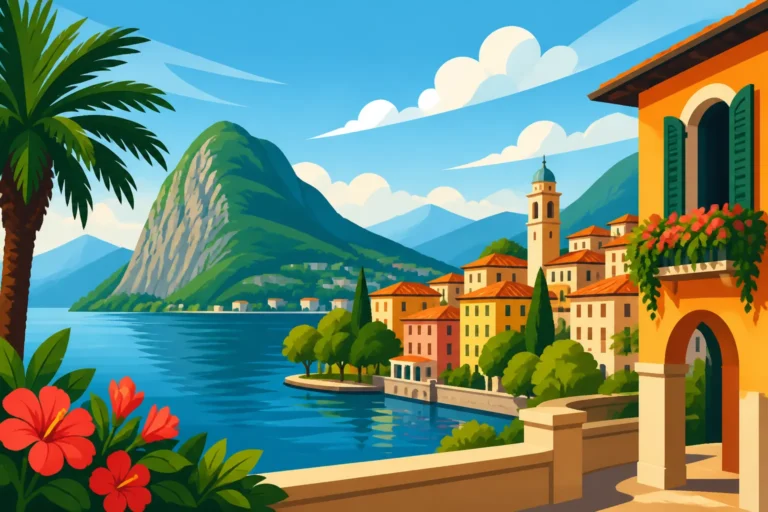
Your starting point, Montreux, is a destination in itself. Nestled on the shores of Lake Geneva with the majestic Alps as a backdrop, it's famous for its mild microclimate, palm trees, and the annual Montreux Jazz Festival. Before or after your train ride, take a leisurely stroll along the flower-lined promenade, visit the iconic Freddie Mercury statue, or indulge in some people-watching at one of the many lakeside cafes. A must-see is Chillon Castle (Château de Chillon), Switzerland’s most visited historic monument, perched dramatically on a rock in Lake Geneva. It’s easily accessible by bus, boat, or a scenic walk from the Montreux train station. Considering an overnight stay? Booking.com offers a wide range of accommodation options, from luxury hotels to charming boutique stays right on the lake. For more on the region, check out Day Trips from Geneva: Montreux, Gruyères, and the Lavaux Vineyards.
Alpine Chic in Gstaad and the Pays-d'Enhaut
As you ascend into the Bernese Oberland, the train passes through the glamorous resort town of Gstaad. Known for its luxury chalets, high-end boutiques, and a certain "see and be seen" vibe, Gstaad offers a glimpse into a more exclusive side of Swiss alpine life. If you're looking for a quick stopover, you can get off, walk around the picturesque village center, perhaps grab a coffee, and hop on a later train. The surrounding region, the Pays-d'Enhaut, is also worth exploring for its traditional cheese-making and stunning hiking opportunities. It’s a stark contrast to Montreux's lakeside vibe, showcasing the incredible shift in landscape and culture within just a few hours.
Adventure and Lakes in Interlaken
Interlaken Ost is your primary connection point and a hub for adventure. Situated between Lake Thun and Lake Brienz, it’s rightly named "inter-lakes." This town is a magnet for thrill-seekers, offering everything from paragliding and canyoning to white-water rafting. For those who prefer a more relaxed pace, boat cruises on either lake are incredibly popular, providing stunning views of the surrounding mountains and castles. Interlaken is also the gateway to the famous Jungfrau region, including Jungfraujoch, Lauterbrunnen, and Grindelwald. Many travelers use Interlaken as a base for a few days to explore the majestic Bernese Alps. You can even find local tours through platforms like GetYourGuide that can take you up into the mountains or on a scenic lake cruise, seamlessly integrating into your train journey. For ideas on getting to other famous peaks, see How to Get to Jungfraujoch on a Budget Using Resident Discounts.
Historic Charm in Lucerne
Your journey culminates in Lucerne, a truly picturesque city that feels straight out of a postcard. Dominated by its iconic Chapel Bridge (Kapellbrücke) and Water Tower, Lucerne offers a wealth of historic sights, museums, and a vibrant cultural scene. Take a walk through the well-preserved Old Town, explore the Musegg Wall with its nine towers, or take a paddle steamer cruise on Lake Lucerne, often touted as one of Switzerland’s most beautiful lakes. Lucerne is also an excellent base for mountain excursions to nearby peaks like Mount Pilatus or Mount Rigi, both offering spectacular panoramic views. For a deeper dive, our Exploring Lucerne: Old Town, Lake Cruises, and Mount Excursions guide has you covered. Lucerne is an ideal place to unwind after your GoldenPass adventure, with its charming streets, excellent restaurants, and easy access to more natural beauty.
Tips for an Unforgettable GoldenPass Adventure
To truly make the most of your GoldenPass experience, a few insider tips can go a long way. This isn't just about booking a ticket; it's about optimizing your experience, saving money, and embracing the journey.
Choosing the Best Time to Travel
The GoldenPass Line is a year-round marvel, but each season offers a different ambiance. Summer (June-August) brings lush green meadows, vibrant wildflowers, and clear blue skies, perfect for capturing those postcard-perfect photos. However, it's also peak tourist season, meaning trains and attractions will be more crowded, and reservations become even more critical. Autumn (September-October) is simply magical, with the deciduous trees turning brilliant shades of gold and red, creating a stunning contrast with the evergreen pines. The crowds thin out a bit, and the air is crisp.
Winter (December-March) transforms the landscape into a snowy wonderland, with chalet roofs dusted in white and frozen waterfalls. While some panoramic views might be obscured by snow or fog, the sheer beauty of the alpine winter is undeniable. Just be prepared for colder temperatures. Spring (April-May) sees the return of greenery and blooming flowers, though some higher elevations might still have snow. If you want to experience the vibrant colors of autumn or the quiet beauty of winter, consider a Saver Day Pass (Spartageskarte): How Residents Save on Day Trips for potentially cheaper fares during off-peak times.
Photography and Seating Strategy
For photographers, the GoldenPass Line is a dream. The panoramic windows are fantastic, but reflections can sometimes be an issue. Try to position your camera close to the glass, or use a lens hood to minimize glare. For the Montreux-Zweisimmen section, the right-hand side (facing forward from Montreux) offers the best views of Lake Geneva during the initial ascent. As the train winds through the valleys, the views often shift from side to side, so being able to swivel your head (or your seat in Prestige Class!) is a bonus. For the Interlaken Ost-Lucerne segment, both sides offer stunning lake views, but the right side often provides more extended views of Lake Brienz upon departure from Interlaken.
Consider booking a seat at the very front or back of the panoramic carriages if available, as these often have the most expansive views. Remember to capture not just the outside scenery but also the charming interiors of the Classic trains, if you choose that option.
Food and Drink Onboard
While the GoldenPass Express and other longer-distance trains usually have a mini-bar or a catering trolley offering snacks, sandwiches, and drinks (including wine and beer), there typically isn't a full-service dining car on these routes. This is Switzerland, so prices onboard will be higher than in a supermarket. My advice? Embrace the Swiss picnic tradition! Pop into a Coop or Migros at your starting station (Montreux or Lucerne) and pick up some delicious Swiss cheese, local bread, cold cuts, and maybe even a small bottle of local wine or Rivella. Enjoying these treats while gliding through the breathtaking landscape is part of the quintessential Swiss experience. Just be mindful of fellow passengers, especially if you're bringing smelly cheese!
Making Connections and Enhancing Your Trip
The beauty of the Swiss rail network is its incredible connectivity. From Lucerne, you can easily connect to Zurich for Day Trips from Zurich: Rhine Falls, Rapperswil, and Lucerne, or head north towards Basel or Bern. From Interlaken Ost, the possibilities are endless for exploring the Jungfrau region or connecting to other major cities.
Consider using an app like Omio to plan your connections, as it integrates various transport options, or check the official SBB app for real-time updates and platform information. And don't be afraid to break up your journey over a couple of days, perhaps staying overnight in Gstaad or Interlaken. This allows for a more relaxed pace and gives you time to explore the areas in more depth. You could also look into combining your train journey with some cultural experiences or local tours available through GetYourGuide to truly enrich your understanding of Switzerland's diverse regions and traditions. After all, travel is about soaking it all in, not just ticking off destinations.
Disclaimer
Please note that all information provided in this guide is for general informational purposes only and is subject to change. While we strive to keep our content up-to-date, train schedules, ticket prices, reservation policies, and local regulations can vary. We recommend checking official sources such as the SBB (Swiss Federal Railways) website, GoldenPass Line official channels, and local tourism boards for the most current and accurate information before planning your trip.