Cultural Integration in Switzerland: Understanding Swiss Identity and Values
Moving to Switzerland can feel like stepping into a perfectly orchestrated watch mechanism – everything runs smoothly, precisely, and often, without much overt explanation. Many of us expats arrive with high hopes and a vague sense of Swiss efficiency, only to quickly realize that truly understanding and fitting into this nuanced society requires far more than just registering at the Gemeinde. This guide is here to walk you through the intricate layers of Swiss identity and values, helping you bridge the cultural divides and truly feel at home, rather than just an observer.
The Myth of the Monolithic Swiss Identity (and the Reality)
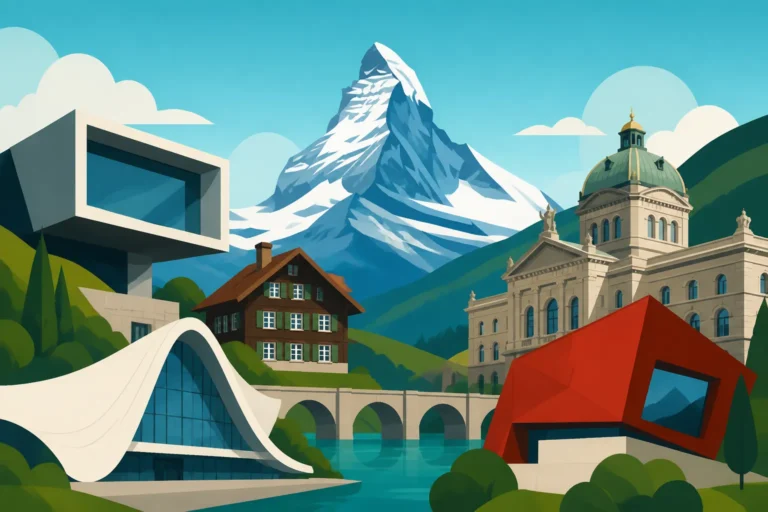
When you first land in Switzerland, especially if you're coming from a larger, more homogenous country, you might imagine a single "Swiss" identity. You picture mountains, cheese, chocolate, and precision watches. And while those things are certainly part of the national brand, the reality on the ground is far more wonderfully, and sometimes bewilderingly, diverse. This diversity is often the first hurdle many of us encounter, as what might be perfectly normal in Geneva could raise an eyebrow in St. Gallen.
More Than Just German, French, and Italian
Switzerland boasts four official languages: German, French, Italian, and Romansh. This isn't just a fun fact; it fundamentally shapes the regional cultures. The German-speaking parts, which make up the largest proportion, are themselves a patchwork of different Swiss German dialects (Schwiizertüütsch), each with its own quirks and historical influences. Zurich German is different from Bernese German, which is different again from Basel German, and none of them are Hochdeutsch (High German). It's easy to feel like you're constantly learning a new language, even within the same linguistic region!
Imagine you’ve spent months diligently learning High German, feeling proud of your progress, only to move to Zurich and find that everyone around you is speaking a rapid-fire dialect that sounds completely foreign. This isn't an intentional slight; it’s just how things are. Swiss German is the language of daily life, family, and friendships, while High German is typically reserved for formal settings, written communication, and speaking with foreigners who don't know the dialect. In the French-speaking Romandie, you'll find a distinct cultural flavor, often perceived as more open or "Mediterranean" by those from the German-speaking parts, though still very much Swiss. Similarly, Ticino, the Italian-speaking canton, has a relaxed, southern European charm fused with Swiss orderliness. Each region has its own history, its own traditions, and its own way of doing things, all under the umbrella of Swissness. This means that to truly integrate, you need to be prepared to adapt not just to "Swiss culture," but to the specific local culture of your canton or even your commune.
The Power of the Canton and the Commune
Switzerland's federalist structure isn't just a political concept you read about in a textbook; it's a living, breathing aspect of daily life that profoundly shapes Swiss identity. The 26 cantons are incredibly powerful, often acting like mini-states with their own laws, tax rates, school systems, and distinct cultural nuances. Beneath the cantons are the communes (municipalities), which are even more localized and often the first point of contact for new residents. This hyper-local focus fosters a strong sense of belonging and identity not just to Switzerland, but to one's canton and, more importantly, one's commune.
For an expat, this means understanding that "Swiss law" can vary significantly from "Zurich law" or "Geneva law." Your driving license conversion process, your child's school curriculum, even how you dispose of your rubbish – all can have cantonal or communal specificities. This local pride is deeply ingrained. People often identify first as a Bernese, a Vaudois, or a Ticinese, and then as Swiss. When you meet someone new and ask where they're from, they'll almost always name their canton or even their specific village before mentioning Switzerland. This decentralized power means that local customs, dialect, and traditions are fiercely protected and celebrated. It can be a steep learning curve to navigate this administrative and cultural patchwork, but once you grasp the importance of the local level, you begin to unlock a deeper understanding of what truly makes Switzerland tick. Embracing your local community, even if it feels small, is a crucial step in cultural integration in Switzerland.
Bridging the Cultural Gaps Between Language Regions
While Switzerland is one country, the cultural differences between the German, French, and Italian-speaking regions can be as distinct as between neighboring countries. This isn't just about language; it's about subtle social cues, approaches to work, and even how people interact. The German-speaking cantons, particularly the more conservative central and eastern parts, are often perceived as more reserved, direct, and structured. Punctuality is paramount, and discussions tend to be factual and to the point. Social circles can take longer to penetrate, but once you're in, the friendships are often very loyal.
In contrast, the French-speaking Romandie, with its strong ties to French culture, often presents a slightly more outward-facing, perhaps more expressive, demeanor. While still reserved by southern European standards, there might be a bit more small talk, a slightly more relaxed approach to scheduling (though still very punctual by global standards!), and a greater emphasis on social graces. The Italian-speaking Ticino often merges Swiss order with Italian warmth, leading to a unique blend where personal relationships might be easier to initiate, but the underlying Swiss precision remains. For an expat moving from, say, Geneva to Zurich, or vice-versa, it's almost like a mini-relocation to a different country. You might find different attitudes towards "Apéro" culture, different traditional dishes, and even different political priorities. Exploring Switzerland by train can be a wonderful way to experience these distinct regional flavors. Websites like Omio can help you plan these journeys, while GetYourGuide might offer local tours that highlight regional specificities. Being aware of these regional nuances, rather than expecting a single "Swiss" way, will save you a lot of confusion and help you adapt more effectively wherever you land.
Core Swiss Values: Punctuality, Order, and Reliability
These aren't just polite suggestions in Switzerland; they are foundational pillars of society. It's not about being uptight; it's about showing respect for others' time and the collective harmony. You'll quickly notice that things generally run on time, whether it's the train arriving precisely at 08:07 or a meeting starting sharp at 09:00. This might feel rigid at first, especially if you're from a culture with a more flexible approach to time, but it quickly becomes something you appreciate.
The Unspoken Rules of Time
Punctuality in Switzerland is less a virtue and more a fundamental expectation. It applies to everything from professional meetings to casual social gatherings. If you're invited to a dinner at 7 PM, arriving at 7:05 PM is already slightly late, and 7:15 PM might be considered impolite. The Swiss value efficiency and believe that everyone's time is valuable. Wasting it by being late is seen as disrespectful. This isn't just about clocks; it's about meticulous planning. People plan their commutes down to the minute, relying on the impeccable public transport system.
Imagine you're meeting a Swiss friend for coffee at 10 AM. If you show up at 10:07 AM, they might not say anything, but you'll notice a subtle shift in their demeanor – a brief glance at their watch, a slightly less enthusiastic greeting. They've likely been waiting for seven minutes, patiently, but mentally noting your tardiness. This extends to deadlines at work, appointment times with doctors, and even showing up for group activities. A doctor's appointment at 10:00 means you should be in the waiting room, ready, a few minutes before 10:00. It's a system built on mutual respect and shared understanding that everyone adheres to a common rhythm. Once you internalize this, you'll find it incredibly liberating – you can genuinely rely on schedules, which is a rare treat in many parts of the world. It’s a core aspect of The Swiss Corporate Culture: Meetings, Hierarchy, and Professional Etiquette.
Order and Cleanliness: A Way of Life
The Swiss commitment to order and cleanliness is legendary, and it's visible everywhere: from the pristine streets to the meticulously maintained apartment buildings. This isn't just about aesthetics; it's deeply tied to efficiency, respect for shared spaces, and a collective sense of responsibility. You'll notice strict rules for recycling, communal laundry rooms with sign-up sheets, and quiet hours that are rigorously observed.
Let's talk about recycling. It's not just "paper in this bin, plastic in that." Oh no. In many communes, you pay for official garbage bags (like the famous Züri-Sack in Zurich or Bebbi-Sagg in Basel), which means you have a strong incentive to reduce waste and recycle everything else diligently. Glass is separated by color, PET bottles have specific collection points, aluminum is separate, and compost goes into another bin. And often, these collections happen on specific days, so you can't just toss your trash whenever you feel like it. Then there are the quiet hours (Ruhezeiten), particularly strict on Sundays and after 10 PM. This means no loud music, no vacuuming, no drilling, and sometimes even no laundry or mowing the lawn. It's all about ensuring peace and quiet for your neighbors. While it might feel restrictive at first, this commitment to order contributes to the high quality of life and the palpable sense of calm you'll often experience. It fosters a sense of collective well-being, knowing that your neighbors will generally respect your peace and quiet, just as you respect theirs.
Trust and Discretion: Earning Your Place
Trust is a high-value currency in Switzerland, and discretion is its close cousin. This manifests in many ways, from the reliability of institutions to the way personal relationships are built. Swiss society operates on a relatively high level of trust – people generally expect others to follow rules, honor agreements, and act responsibly. This is why things often work so efficiently without excessive oversight; there's an implicit assumption of good faith.
However, this trust is earned, not freely given. Expats often comment on how long it takes to form deep friendships with Swiss people, and this is partly due to the value placed on reliability and discretion. Swiss individuals tend to be private and don't typically share intimate details of their lives with casual acquaintances. They observe, they listen, and they assess. Over time, as you consistently demonstrate your reliability, your respect for boundaries, and your ability to be discreet, you will slowly earn their trust. This might mean keeping personal financial information private, not gossiping about colleagues, or simply showing up on time consistently. For example, if you're discussing a personal matter with a Swiss friend, you can generally be assured that it won't be casually recounted to others. This discretion also extends to professional settings; client confidentiality and data privacy are paramount. It’s a culture where actions speak louder than words, and consistent, trustworthy behavior slowly builds bridges. Once that trust is established, however, you'll find incredibly loyal and dependable friends and colleagues.
Direct Democracy and Civic Engagement
Switzerland is famous for its unique system of direct democracy, where citizens have a powerful voice through referendums and initiatives. This isn't just a political system; it's a core component of Swiss identity and civic engagement, fostering a deep sense of responsibility and participation that might be unfamiliar to newcomers.
Referendums and Initiatives: Your Voice Matters (Eventually)
Unlike many democracies where citizens vote mainly during general elections, the Swiss are regularly called to the polls, often several times a year, to vote on specific laws, constitutional amendments, and government proposals at federal, cantonal, and communal levels. This means citizens directly influence policy, from environmental regulations to immigration laws to how much funding a local school receives. This constant engagement fosters a sense of ownership and responsibility for the country's direction.
For expats, it’s a fascinating, if sometimes bewildering, system. While non-citizens can't vote at the federal level, some cantons and communes do allow long-term residents (often C permit holders) to vote and even stand for election at the local level. Even if you can't cast a ballot, understanding the issues and participating in the public discourse (even just by reading the detailed voting booklets) is a vital part of integrating. Discussions about upcoming votes often happen in social settings, in workplaces, and within community clubs. You’ll receive thick voting pamphlets in the mail, explaining each proposal in detail, with arguments for and against. It’s a process that demands an informed citizenry and encourages critical thinking about complex issues. It may seem slow and cumbersome, but it ensures that decisions are thoroughly debated and have broad popular support.
The Role of the Militia System
Beyond the ballot box, the "militia system" (Milizsystem) is another cornerstone of Swiss civic identity. This concept extends beyond the military (where compulsory service for men is still a significant part of life) to nearly every aspect of public service and civic life. Essentially, many public functions and political roles, especially at the cantonal and communal levels, are carried out by citizens who serve part-time, alongside their regular jobs, rather than by full-time professional politicians or bureaucrats.
This means your local mayor, school board member, or fire chief might be your neighbor, who dedicates significant unpaid time to their community. This system fosters a direct connection between citizens and governance, prevents the formation of a detached political class, and reinforces a sense of collective responsibility for the common good. For expats, while you likely won't be drafted into the fire department on arrival, understanding this spirit of voluntary, engaged service helps explain the deep commitment to local communities and the expectation that citizens contribute actively to society, not just through taxes but through time and effort. It’s a profound testament to the Swiss belief in collective action and shared governance.
Community Clubs (Vereine) as Integration Hubs
One of the best, and often overlooked, pathways to cultural integration in Switzerland is through joining a Verein, or community club. These clubs are the social fabric of Swiss society, encompassing everything from sports clubs (football, hiking, skiing) to cultural associations (choirs, theater groups), hobby groups (gardening, photography), and volunteer organizations. They are where local friendships are forged, community events are organized, and the "militia spirit" thrives.
Initially, it might feel intimidating to join a club where Swiss German or local dialect is spoken, but this is often where the most authentic integration happens. Swiss people tend to build their social circles through shared activities, and clubs provide a natural, low-pressure environment for this. You'll find yourself volunteering for events, sharing meals, and building camaraderie around a common interest. For example, a local hiking club might organize regular excursions that take you to parts of the country you'd never discover on your own, all while building rapport with locals. It's not just about the activity; it's about the shared experience, the commitment, and the mutual support. Many expat friends have found their deepest Swiss connections through their local choir, cycling group, or even the village clean-up crew. These clubs are vital for Community and Integration: Making Friends and Adapting to Swiss Life. Don't underestimate their power; they are truly the beating heart of Swiss local communities.
Navigating Social Interactions and Friendship
This is often where expats hit their biggest integration challenges. The Swiss are often perceived as reserved, and forming deep friendships can feel like trying to crack a safe. But it's not about unfriendliness; it's about a different approach to social circles and a slower, more deliberate process of building trust.
The Myth of the Unfriendly Swiss
It's a common complaint among new expats: "The Swiss are so unfriendly! They keep to themselves." While it’s true that small talk isn’t a national sport, and spontaneous invitations aren’t as common as in some cultures, this often gets misinterpreted as unfriendliness. The reality is more nuanced: the Swiss tend to be reserved, private, and have clearly defined boundaries between acquaintances and friends. They are polite, correct, and often helpful, but they don't necessarily open up immediately.
Think of it like this: in many cultures, you might quickly progress from meeting someone to having a casual coffee or dinner. In Switzerland, this process is often more gradual. A polite nod in the stairwell might remain just that for months. A work colleague might be perfectly professional but keep their personal life completely separate. This isn't a rejection; it's just the default setting. The Swiss value authenticity and depth in relationships, so they take their time to observe and build trust before inviting someone into their inner circle. They are wary of superficiality and prefer genuine connections, even if fewer in number. So, don't be discouraged by initial reserve; it's not personal, it's cultural. Just keep being polite, reliable, and consistent, and those doors will slowly begin to open.
From Acquaintance to Friend: The Slow Burn
Building friendships with Swiss people is often described as a "slow burn." It's not a quick, fiery explosion of camaraderie, but rather a gradual, sustained warmth that builds over time. You might have numerous friendly interactions with a neighbor or colleague, but it could take months, or even years, before a genuine invitation to their home or a more personal outing materializes. This slow process is rooted in the Swiss value of long-term relationships and a cautious approach to personal space and trust.
When a Swiss person does invite you into their home, it's a significant gesture, signaling that they genuinely value your presence and are beginning to trust you. It's not just a casual event; it often involves careful planning and a genuine desire to host. For example, you might spend a year exchanging pleasantries with a neighbor, borrowing a cup of sugar, and chatting about the weather. Then, one day, you receive an invitation to their annual barbecue or an Apéro at their home. This is your cue! This slower pace can be frustrating for expats from cultures where friendships form rapidly, but it also means that once a Swiss person considers you a friend, that friendship is often incredibly loyal, deep, and enduring. They will be there for you, reliably and discreetly, in ways that transcend casual acquaintance.
Apéro Culture: Social Lubricant and Networking
While formal invitations for dinner might take a while, the Apéro (short for apéritif) is a ubiquitous and vital part of Swiss social and professional life. This informal gathering, typically held in the late afternoon or early evening, serves as a crucial social lubricant, a networking opportunity, and a relaxed way to interact before committing to a full meal or deeper engagement.
An Apéro usually involves drinks (wine, beer, non-alcoholic options) and small, often elegant, snacks (cheese, charcuterie, nuts, small pastries). It's a chance to mingle, chat, and unwind. You'll encounter Apéros at work after a successful project, at community events, after club meetings, or even as a standalone social occasion at someone's home. The key is its informality and brevity; it’s not meant to be a full meal or a late-night party. It's a structured way to socialize, often standing, allowing people to circulate and interact briefly. For expats, mastering the art of the Apéro is essential. It's a great place to practice your language skills, make new connections, and observe social dynamics. Show up, engage politely, and don't overstay your welcome. It's often the first step on the slow burn towards deeper friendships. Think of it as a low-stakes environment to test the waters, both for you and for potential Swiss friends.
Economic Prosperity and Prudent Financial Habits
Switzerland's economic success is no accident; it's deeply interwoven with core Swiss values of hard work, quality, foresight, and a profound sense of financial prudence. For expats, understanding these underlying principles helps demystify everything from high salaries to robust pension systems and the notoriously high cost of living.
The Value of Hard Work and Quality
The Swiss workforce is renowned globally for its precision, diligence, and commitment to quality. This isn't just a corporate buzzword; it's a deeply ingrained cultural value that permeates professional life. Whether you're in finance, engineering, hospitality, or craftsmanship, there's a collective expectation of excellence and meticulousness. Tasks are approached thoroughly, deadlines are taken seriously, and attention to detail is paramount.
This focus on quality is a key driver of Switzerland's economic competitiveness. Swiss products and services command a premium precisely because they are associated with reliability and superior craftsmanship. As an expat, you'll find that your colleagues often have a strong work ethic, are highly organized, and expect the same from you. Slackers are not tolerated, but neither is excessive showboating; competence and consistent performance are valued above all. This professional dedication extends beyond the workplace. Even in leisure pursuits or volunteer activities, there's an expectation of commitment and doing things properly. It’s a culture where "good enough" is rarely good enough, and striving for the best is the norm, reflecting deeply in the expectations for Salary and Compensation: Navigating Swiss Pay, Bonuses, and Deductions.
Saving and Planning for the Future: Pillar 3a and Beyond
Financial prudence and long-term planning are practically national sports in Switzerland. This isn't just about being thrifty; it's a systemic approach to securing one's future, exemplified by the sophisticated Three-Pillar Pension System. Swiss people are taught from a young age the importance of saving, investing, and planning for retirement, education, and other significant life events.
The 3-pillar system (AHV/OASI, BVG/LPP, and Pillar 3a) is a testament to this foresight. While the first two pillars are mandatory state and occupational pensions, Pillar 3a is a voluntary, tax-advantaged private pension scheme. Nearly every working Swiss person, and increasingly savvy expats, contributes to Pillar 3a. It allows individuals to save aggressively for retirement while significantly reducing their taxable income. This habit of consistent, disciplined saving reflects a cultural value that prioritizes security, independence, and taking responsibility for one's future. It's not about instant gratification; it's about building a solid foundation over decades. You'll find that discussions about finances, while private, often reflect this long-term perspective. If you are serious about integrating, engaging with this financial planning mindset, particularly with options like Pillar 3a in 2026: Tax Deductions, Limits, and Investment Options, is a crucial step.
The Cost of Living Reality: Practical Budgeting
Switzerland is famously, or perhaps infamously, one of the most expensive countries in the world. This high Cost of Living in Switzerland 2026: Budgeting for Singles and Families is often a shock for new arrivals. However, it’s also a direct reflection of the high wages, the strong currency, and the quality of life that Swiss values afford. While the prices for groceries, rent, and services might make your eyes water, understanding the underlying cultural values can help you navigate this reality.
The Swiss approach to spending is often one of conscious consumption and value for money. They might pay a premium for quality, but they expect that quality to last. They might not eat out every night, but when they do, they appreciate good service and excellent food. There’s less of a culture of impulsive spending or debt-driven consumerism. Instead, prudent budgeting, seeking out deals (especially in border countries for groceries), and making wise investments are common practices. For example, rather than buying a new car every few years, many Swiss will invest in a high-quality, reliable vehicle and maintain it meticulously for a decade or more. This mindset also explains why many Swiss are happy to invest in a yearly Half-Fare Travelcard (Halbtax) for public transport; the initial outlay is significant, but the long-term savings are substantial. Learning to adapt your budgeting and consumption habits to this Swiss sensibility is key to feeling less overwhelmed by the prices and more aligned with the local financial culture.
Nature, Outdoor Life, and Respect for the Environment
The stunning natural landscape is not just a backdrop in Switzerland; it's an integral part of the national identity, influencing everything from leisure activities to political decisions. The Swiss have an incredibly deep reverence for their mountains, lakes, and forests, and this respect translates into a strong ethos of responsible enjoyment and environmental protection.
The Alps as a National Symbol
The Alps are more than just a mountain range in Switzerland; they are a defining feature of the country's identity, history, and culture. They symbolize freedom, resilience, and the majestic beauty of the landscape. Nearly everyone in Switzerland, regardless of where they live, feels a connection to the mountains. This connection manifests in many ways, from the ubiquitous images of alpine peaks on everything from chocolate bars to tourism posters, to the deep-seated love for outdoor activities.
Whether it's hiking, skiing, climbing, or simply enjoying the views, the Alps draw people outdoors year-round. This isn't just a hobby; it’s a way of life, a form of active meditation, and a source of national pride. The feeling of crisp mountain air, the sound of cowbells in the distance, the challenge of a strenuous hike – these are deeply ingrained experiences. Even if you're not an extreme sports enthusiast, simply appreciating the mountains, understanding their significance, and partaking in milder outdoor activities is a significant step towards understanding the Swiss soul. They offer a sense of escape, a place to recharge, and a tangible link to the country's rugged heritage. Experiencing the mountains first-hand is an essential part of Exploring Switzerland: The Complete Travel Guide for Residents (2027).
Responsible Outdoor Recreation
With such a deep love for nature comes an equally strong sense of responsibility to protect it. The Swiss approach to outdoor recreation is characterized by respect for the environment, adherence to rules, and a collective effort to minimize impact. This means leaving no trace, staying on marked trails, and respecting wildlife and private property.
You’ll encounter well-maintained hiking trails with clear signage indicating difficulty and estimated times. It's not uncommon to see signs reminding you to take your trash with you, or to avoid certain areas during nesting seasons for birds. Littering is almost unheard of in the wilderness areas, and people instinctively pick up after themselves and their dogs. This extends to communal mountain huts, where visitors are expected to be mindful of resources, conserve water, and respect fellow hikers. Even when enjoying the countless beautiful lakes for swimming or paddleboarding, there's an unspoken understanding of keeping the areas clean and quiet. It's all about ensuring that these pristine natural environments remain beautiful and accessible for everyone, now and for future generations. This collective stewardship is a powerful example of Swiss values in action.
Sustainability and Environmental Consciousness
Switzerland has long been at the forefront of environmental protection and sustainable practices, driven by a cultural commitment to preserving its natural beauty and resources. This isn't just about government policies; it's deeply embedded in daily life and reflected in consumer choices and community initiatives.
From efficient public transport systems to rigorous recycling programs and a strong emphasis on renewable energy, environmental consciousness is a pervasive theme. You'll notice many Swiss opting for reusable bags, carefully separating their waste, and valuing locally sourced produce. There’s a general aversion to wastefulness and a preference for durable goods over disposable ones. Campaigns promoting bike usage, car-sharing, and responsible energy consumption are common. This deep-seated respect for the environment is part of the broader Swiss identity – a sense of being guardians of a precious landscape and prudent managers of resources. For expats, embracing these sustainable practices, even if they feel like a chore at first (like the intricate recycling system), is a sign of respect for the local culture and a pathway to better integration. It’s a quiet but firm expectation that everyone does their part.
Language Learning: More Than Just Words
If there's one single action that can supercharge your cultural integration in Switzerland, it's learning one of the local languages. While many Swiss speak excellent English, especially in international business hubs, relying solely on it will keep you on the periphery. Language is the key that unlocks deeper cultural understanding and genuine connections.
The Key to Deeper Integration
Let's be blunt: while you can survive in Switzerland with English, you cannot truly integrate without making a serious effort to learn the local language of your region (German, French, or Italian). English might get you through a work meeting or a transaction at the supermarket, but it won't allow you to connect with your neighbors, understand local jokes, participate in community events, or truly grasp the nuances of Swiss culture. The Swiss appreciate the effort, even if your language skills are rudimentary. It shows respect for their culture and a genuine desire to belong, rather than just pass through.
Imagine being at a local Apéro or a club meeting. Conversations quickly shift to the local dialect or regional French/Italian. If you can't follow, you'll feel excluded, even if unintentionally. Even simple phrases in the local dialect can open doors. Saying "Grüezi" (Swiss German) or "Salut" (French) to your neighbor instead of "Hello" might just earn you a warmer smile. It's not just about communication; it's about showing that you're investing in their world. Language opens up a world of local media, political discussions, and everyday banter that remains inaccessible otherwise. It's the ultimate signal that you're here to stay and truly be a part of things. For specific professional paths, it's also crucial, as highlighted in Language Skills for the Workplace: German, French, and English Demands.
Navigating Swiss German (Schwiizertüütsch) and Dialects
This is often the trickiest part for expats in the German-speaking cantons. You're told to learn German, so you learn High German, only to find yourself surrounded by Schwiizertüütsch, which sounds utterly different. Swiss German is not a single language but a collection of distinct dialects, each with its own vocabulary, pronunciation, and grammar. This can feel incredibly frustrating and isolating.
The key is to understand the social function of Swiss German. It's the language of home, family, friends, and local community. High German is reserved for formal settings, education, written communication, and for speaking with people who don't understand the dialect. The expectation is that you learn High German first, but then, if you truly want to connect, you start to pick up the local dialect. Don't be afraid to ask people to switch to High German or to speak more slowly. Many Swiss are very accommodating once they see you're trying. Some even appreciate it if you try a few basic Swiss German phrases, even if you butcher them! Listening to Swiss radio, watching local TV shows, and simply observing how people interact can help you slowly attune your ear. It's a long process, but even a few words of your local dialect will make a huge difference in breaking down social barriers and making you feel more connected.
Resources for Language Learners
Thankfully, Switzerland offers a wealth of resources for those committed to learning a local language. From formal language schools to informal tandem partners, there's a pathway for everyone, regardless of their learning style or budget.
Formal language schools like Migros Klubschule, inlingua, or local Volkshochschulen (adult education centers) are excellent starting points. They offer structured courses, often with classes tailored for expats, and provide a solid foundation in High German, French, or Italian. These schools also offer a great opportunity to meet other expats who are on a similar journey. Beyond formal classes, consider seeking out tandem partners – native speakers who want to learn your language in exchange for teaching you theirs. Websites like ConversationExchange.com or local university language departments often facilitate these connections. Additionally, many communes offer free or subsidized language courses for new residents, especially for those pursuing a C permit, which often has C Permit Language Requirements: Do I Need A2 Written and B1 Oral? Look into local integration programs (Integrationsprogramme) offered by your canton or city. Don't forget media: immerse yourself in local newspapers, radio stations (like DRS in German, RTS in French, RSI in Italian), and even Swiss films or TV series (many available on SRF Play, RTS Play, or RSI Play with subtitles). The more you expose yourself to the language in real-world contexts, the faster you'll progress.
Patience, Observation, and a Sense of Humor
Integrating into a new culture, especially one as subtle and structured as Switzerland's, is a marathon, not a sprint. It requires a healthy dose of patience, keen observation skills, and, above all, the ability to laugh at yourself and the occasional cultural misstep.
Learning to Observe and Adapt
One of the most valuable skills you can develop as an expat in Switzerland is the art of observation. The Swiss are often not direct with their social cues, and many rules are unwritten. Instead of asking "why," sometimes it's more effective to simply "watch and learn." Observe how people queue, how they greet each other, how they behave in public transport, and how they handle conflicts (or avoid them).
For instance, at a bus stop, do people form a neat line or just gather around? In a restaurant, do people wait to be seated or find their own table? When does it become appropriate to address someone by their first name (Du) instead of their formal title (Sie)? These tiny observations will provide invaluable insights into the social etiquette. You'll quickly notice that Swiss society operates on a principle of low context communication in certain formal aspects, but high context in its social cues. Meaning, explicit rules are very clear (e.g., speed limits), but social expectations are often unspoken and learned through observation. Embrace this learning process. Don't be afraid to make small mistakes; they're part of the journey. But also, take the time to reflect on why something might have felt awkward and adjust your approach next time. This continuous adaptation is crucial for feeling more comfortable and confident.
Embracing the "Swiss Way"
There will be moments, many moments, when you'll scratch your head and think, "Why on earth do they do it that way?" Whether it's the convoluted recycling system, the incredibly specific timing for communal laundry, or the seemingly endless rounds of voting, some things in Switzerland just operate on their own distinct logic. At some point, you'll need to decide when to push back (if it's truly problematic) and when to simply embrace the "Swiss Way."
Often, there's a perfectly logical, if sometimes bureaucratic, reason behind these practices. The recycling system, for example, is designed for maximum efficiency and environmental impact. The quiet hours ensure harmony in dense living spaces. Instead of fighting against it, try to understand the underlying rationale. When you approach these unique aspects with an open mind, you often find a deeper appreciation for the thought and collective agreement that underpins them. This doesn't mean you have to abandon your own cultural identity, but it does mean being flexible and willing to adjust your expectations and habits. Sometimes, the path of least resistance is to simply say, "Okay, this is how it's done here," and go with the flow. This acceptance is a powerful step towards feeling less like an outsider and more like an active participant.
Finding Your Own Path to Belonging
Cultural integration isn't about erasing your own identity and becoming "Swiss." It's about finding a comfortable balance where you retain who you are while also understanding, respecting, and participating in your new home's culture. There's no single, universal roadmap for integration; everyone's journey is unique.
Some expats find their tribe exclusively within the international community, enjoying the diversity and shared experiences of fellow foreigners. Others dive headfirst into local clubs, language learning, and civic engagement, building strong Swiss ties. Most of us find a blend of both. Don't feel pressured to conform to an idealized image of an "integrated expat." It's okay to miss things from home, to find Swiss customs quirky, or to occasionally feel a pang of loneliness. The key is to keep exploring, keep trying, and keep an open mind. Celebrate small victories – understanding a new dialect phrase, receiving a genuine smile from a neighbor, or successfully navigating a bureaucratic process. The journey is ongoing, but with patience, observation, and a good sense of humor, you will absolutely find your unique sense of belonging in this beautiful, complex, and ultimately rewarding country.
| Swiss Cultural Value | Description | Common Manifestation for Expats | Integration Tip |
|---|---|---|---|
| Punctuality | Strict adherence to schedules; time is respect. | Arriving 5 minutes early for appointments, meetings, and social gatherings is the norm. | Always aim to be 5-10 minutes early. If genuinely delayed, communicate immediately. |
| Order & Cleanliness | High value on tidiness, rules, and shared harmony. | Strict recycling rules, quiet hours (Ruhezeiten), pristine public spaces. | Learn local recycling rules meticulously. Observe quiet hours, especially on Sundays and after 10 PM. |
| Prudence & Saving | Long-term financial planning and responsible spending. | High savings rates, emphasis on pensions (Pillar 3a), conscious consumer choices. | Explore the 3-pillar pension system. Adapt budgeting to reflect value for quality over quantity. |
| Local Identity | Strong attachment to canton and commune over nation. | People identify as "Zurichers" or "Genevans" first; varied local laws and traditions. | Engage with your local commune/Gemeinde. Join local clubs (Vereine). |
| Reservedness | Personal privacy valued; slow to form deep friendships. | Limited small talk; friendships build slowly over time through shared activities. | Be patient. Join a club, focus on shared activities. Don't force intimacy. |
| Direct Democracy | Citizens actively participate in political decisions. | Frequent referendums and initiatives at federal, cantonal, and communal levels. | Read voting booklets. Understand local issues, even if you can't vote. |
| Respect for Nature | Deep reverence for the environment; sustainable practices. | Pristine trails, rigorous waste disposal, emphasis on public transport and green living. | Adhere to "leave no trace" principles outdoors. Embrace public transport. |
| Reliability | Honoring commitments and trustworthiness. | Products, services, and people are generally dependable and consistent. | Be consistent in your actions and follow through on promises. This builds trust. |
Disclaimer
The information provided in this guide is intended for general informational purposes only and does not constitute professional advice. While we strive to offer accurate and up-to-date guidance based on personal experience and widely accepted practices, Swiss laws, regulations, and cultural norms can be complex and are subject to change. Always consult with official government sources, legal professionals, or certified experts for advice tailored to your specific situation. We assume no responsibility for any actions taken based on the information contained herein.