Budget Travel in Switzerland: Seeing the Country Without Overspending
Alright, let's talk about the elephant in the room: Switzerland's reputation as a budget-breaker. I get it. When you first arrive, or even just plan a trip here, the prices can make your jaw hit the floor. You see CHF 25 for a simple sandwich, CHF 80 for a basic train ticket, and you start wondering if you need to take out a second mortgage just to see the Matterhorn. But trust me, as someone who’s lived here for years and navigated these beautiful but pricey Alps, it is possible to explore Switzerland without completely emptying your wallet. This guide is all about sharing those hard-earned tips and tricks to make your Swiss adventure affordable and unforgettable.
Mastering Public Transport Without Breaking the Bank
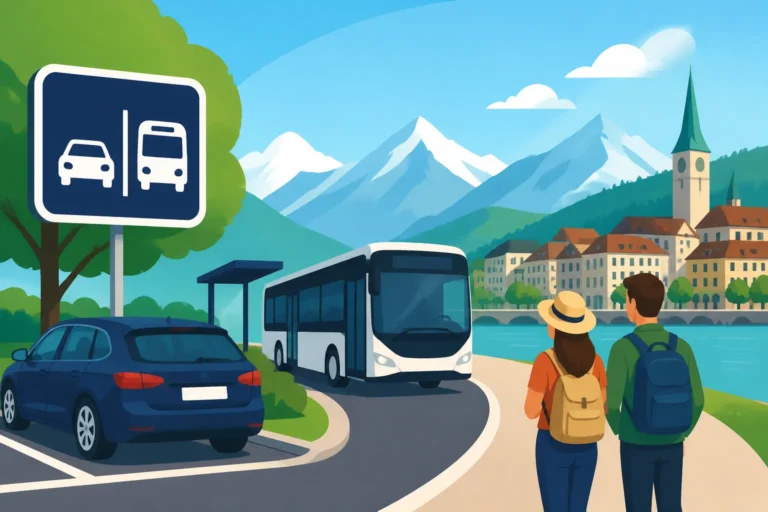
Switzerland has, hands down, one of the best public transport systems in the world. It’s punctual, efficient, and incredibly scenic. The downside? It can also be eye-wateringly expensive if you don't know the tricks. Forget buying single tickets for every journey; that's a surefire way to blow your budget before you've even seen your first cow. The key to affordable travel here lies in understanding the passes.
Unlocking Savings with the Half-Fare Card and Saver Day Pass
For any serious travel within Switzerland, The Half-Fare Travelcard (Halbtax): The Must-Have Pass for Swiss Residents is your absolute best friend. Seriously, it pays for itself incredibly quickly. This card, which you can buy for one month, one year, or longer, gives you 50% off virtually all public transport in the country – trains, buses, boats, and even many mountain railways. While it might seem like an upfront cost, the savings accumulate rapidly, especially if you plan on visiting a few different regions or doing some significant mountain excursions. I remember my first trip from Zurich to Zermatt; the Half-Fare card cut that journey alone by over CHF 60.
Beyond the Half-Fare card, the Saver Day Pass (Spartageskarte) is another absolute gem. This allows you to travel all day on the entire public transport network for a fixed price, but you must buy it well in advance, and prices fluctuate based on demand, much like airline tickets. If you snag one far enough out, you could be traveling nationwide for as little as CHF 29 with a Half-Fare card or CHF 52 without one. It’s perfect for those long day trips, say from Geneva to Lugano, where individual tickets would otherwise cost a fortune. Just remember to check the SBB website or app regularly, as the cheapest passes disappear fast. Don't be afraid to use comparison tools like Omio to scope out your travel options, too; sometimes there are alternative routes or bus connections that might be slightly cheaper, though generally, SBB is king here.
Comparing SBB Travelcards for Tourists: Swiss Travel Pass vs. Others
For tourists who are only here for a short stint and plan to do a lot of traveling, the Swiss Travel Pass can be a fantastic option. It offers unlimited travel on the entire public transport network for a set number of consecutive days (3, 4, 6, 8, or 15 days). What's more, it includes free entry to over 500 museums, and often gives you discounts (usually 50%) on many mountain excursions. This pass is often easier for visitors to understand than juggling Half-Fare and Saver Day passes, but it comes at a premium. For a deeper dive into the options, you might want to read more about Travelcards for Tourists vs Residents: Which Swiss Pass Suits You.
However, if you're planning a less intense itinerary, say focusing on just one or two regions, or if you plan to mostly hike and not use mountain transport every day, then combining the Half-Fare card with individual Saver Day Passes will almost certainly be cheaper. It requires a bit more planning and flexibility, but the savings are real. The SBB Mobile App is incredibly useful for this, allowing you to check prices and buy tickets on the go.
Cycling and Walking: The Free (and Scenic) Way to Get Around
Let’s not forget the most budget-friendly transport options: your own two feet and a bicycle! Switzerland is a hiker's paradise, with an incredibly well-maintained network of trails crisscrossing the entire country. From gentle lakeside strolls to challenging alpine treks, there are endless opportunities to explore for free. You'll find signposts everywhere, meticulously showing you the way, distances, and estimated times. You could easily spend a week hiking through the Appenzell region, staying in basic guesthouses or even camping, and barely spend a cent on transport once you’re there.
Cycling is another fantastic way to see the country. Many cities, like Zurich and Geneva, offer free bike rentals for a few hours. There are also designated national cycling routes that take you through stunning landscapes, often following rivers or lakes, bypassing main roads. While buying or renting a bike for a multi-day trip might be an initial cost, it significantly cuts down on daily transport expenses and offers incredible freedom. Plus, you get to work off all that delicious Swiss cheese!
Budget-Friendly Accommodation: Sleeping Smart in Switzerland
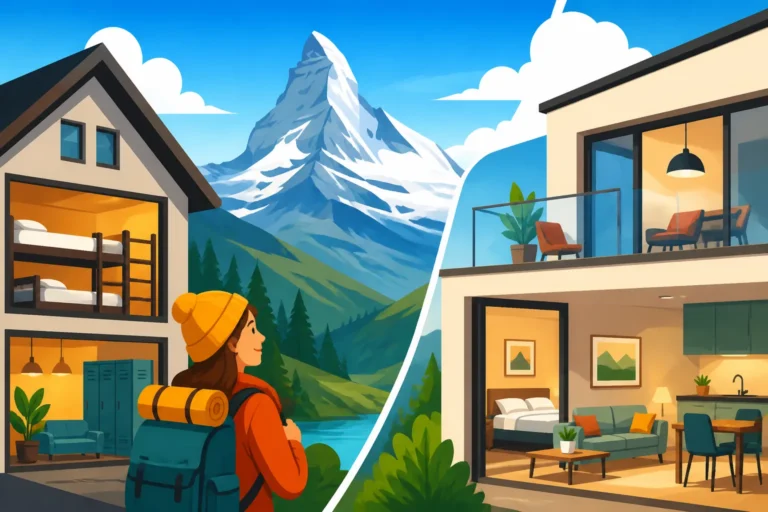
This is often where the biggest chunk of your travel budget goes, especially if you default to hotels. But with a bit of savvy planning, you can find comfortable, clean, and surprisingly affordable places to rest your head. Forget the fancy hotels for now; we're thinking hostels, Airbnbs outside city centers, and my personal favorite: camping.
Hostels and Guesthouses: Community and Cost Savings
Switzerland has a fantastic network of youth hostels (Jugendherbergen), often located in stunning areas, from lakeside properties to mountain chalets. These aren't just for young backpackers anymore; many offer private rooms, and they are impeccably clean, modern, and often include a decent breakfast. For example, the Interlaken Youth Hostel or the Lucerne Youth Hostel are excellent bases for exploring their respective regions, providing a social atmosphere without breaking the bank. You’ll meet other travelers, get local tips, and save a bundle.
Beyond official youth hostels, look for smaller, independent guesthouses (Gasthäuser) or bed & breakfasts, especially in smaller towns and villages. These often offer much better value than city hotels and provide a more authentic Swiss experience. Websites like Booking.com can be really helpful filters for "hostels" or "guesthouses" in your search to ensure you're seeing the more affordable options. Just be mindful of cancellation policies, as they can vary wildly.
Camping and Glamping: Nature on a Budget
If you truly want to immerse yourself in Switzerland's natural beauty and save a lot of money, camping is the way to go. Switzerland boasts a plethora of well-equipped campsites, ranging from basic pitches to glamping options with ready-pitched tents or even bungalows. Most campsites are immaculately clean, with hot showers, small shops, and often stunning views. Imagine waking up to the sound of cowbells with a view of the Alps – that's a regular camping experience here! For detailed information on finding the best spots, check out my guide on Camping in Switzerland: Best Sites and Wild Camping Rules.
Wild camping (i.e., just pitching a tent wherever you like) is generally not permitted below the tree line in Switzerland and is actively discouraged in most populated areas and nature reserves. However, above the tree line, in high alpine regions, it's often tolerated for a single night, as long as you leave no trace. Always check local regulations, as rules can vary by canton and commune. Even still, paid campsites offer incredible value. You can often find a pitch for a tent and two people for CHF 25-40 a night, a fraction of even the cheapest hotel.
Airbnb and Apartment Rentals: Sharing and Saving
For groups, families, or those wanting a bit more privacy and the option to cook, Airbnb or other apartment rentals can be a great choice. Look for places slightly outside the main city centers or popular tourist hubs, as prices drop significantly just a short train or bus ride away. For example, staying in a smaller town near Zurich like Baden or Winterthur can cut your accommodation costs dramatically, and you’re still only 15-30 minutes away from the city action by efficient SBB trains.
When using platforms like Booking.com for apartments, make sure to filter for those with kitchens. Being able to prepare even some of your meals will lead to massive savings, which brings us to our next big budget area: food!
Eating Well on a Shoestring: Navigating Swiss Food Costs
Ah, Swiss food. Delicious, high quality… and terrifyingly expensive if you only eat out. A simple restaurant meal can easily set you back CHF 30-50 per person, and that's without drinks! But fear not, my fellow frugal travelers, there are plenty of ways to enjoy Swiss culinary delights without declaring bankruptcy.
Supermarket Savvy: Coop, Migros, Aldi, and Lidl
Your best friends for food budgeting are the local supermarkets. Coop and Migros are the two dominant players and you'll find them everywhere. While they might seem pricey compared to supermarkets in other countries, they offer a vast selection of fresh produce, bread, cheese, cold cuts, and ready-to-eat meals. Look for their own-brand products, which are usually cheaper than international brands.
For even deeper discounts, seek out Aldi and Lidl. These German discount chains have made significant inroads into Switzerland and offer substantially lower prices, especially on staples, snacks, and some fresh items. They might not be as ubiquitous as Coop or Migros, but if you have one nearby, make a beeline for it. You can learn more about these options in Grocery Shopping: Coop, Migros, Aldi, Lidl, and Denner Compared. Denner is another Swiss discount supermarket that's great for basics, drinks, and often has good deals on meat.
Here's a quick comparison of average prices for a few common items (prices are approximate and can vary by location and special offers):
| Item | Coop/Migros (CHF) | Denner (CHF) | Aldi/Lidl (CHF) |
|---|---|---|---|
| 1L Milk | 1.60 – 2.20 | 1.30 – 1.80 | 1.10 – 1.60 |
| Loaf of Bread | 3.00 – 5.00 | 2.50 – 4.00 | 2.00 – 3.50 |
| 1kg Apples | 3.50 – 5.50 | 3.00 – 4.50 | 2.50 – 4.00 |
| Small Pack of Cheese | 4.00 – 7.00 | 3.50 – 6.00 | 3.00 – 5.00 |
| 500g Pasta | 1.50 – 3.00 | 1.00 – 2.00 | 0.80 – 1.50 |
| Can of Soft Drink | 1.00 – 1.50 | 0.80 – 1.20 | 0.70 – 1.00 |
Picnic Power: Al Fresco Dining for Less
One of the greatest joys of Switzerland is its stunning natural scenery, and combining that with a picnic is an unbeatable budget strategy. Grab some fresh bread, local cheese, cured meats, fruits, and perhaps a Swiss chocolate bar from the supermarket. Find a scenic spot by a lake, in a mountain meadow, or even a city park, and enjoy a feast with a million-dollar view for a fraction of the cost of a restaurant meal. This is how the locals often do it, especially on weekends and during good weather.
Many parks and hiking trails also have designated picnic areas with tables and even public BBQ spots (Feuerstellen). Just remember to pack out everything you pack in, leaving no trace behind. You can read more about finding the perfect spots in Picnicking in Switzerland: Where to Buy Supplies and Sit.
Cheap Eats and Avoiding Tourist Traps
While eating out can be expensive, there are still some options for affordable meals:
- Lunch Deals (Mittagsmenü/Plat du Jour): Many restaurants, especially during weekdays, offer special lunch menus that are significantly cheaper than their dinner counterparts. You can often get a main course, sometimes with a soup or salad, for CHF 18-25.
- Bakeries: Swiss bakeries (Bäckerei/Boulangerie) are not just for pastries! They often sell savory quiches, sandwiches, and small pizzas that make for a quick and relatively inexpensive lunch.
- Takeaway Counters: Coop and Migros often have takeaway sections with hot meals, salads, and sandwiches that are cheaper than sitting down in a restaurant. Look for their "take away" or "to go" options.
- Street Food Markets: In larger cities, especially during summer or special events, you might find street food markets that offer more diverse and sometimes cheaper options.
- Kebabs/Asian Takeaways: As in many European countries, kebab shops and simple Asian takeaway joints are usually among the cheapest hot food options, often costing CHF 10-15 for a meal.
Remember to always check prices before ordering. Menus are usually displayed prominently outside, and don't be shy about asking for tap water (Leitungswasser) to avoid paying CHF 8 for a bottle of still water.
Free and Frugal Activities: Experiencing Switzerland for Less
Switzerland is blessed with an abundance of natural beauty and cultural offerings, many of which are completely free or come with minimal costs. You don't need to splurge on every mountain excursion or high-end museum to have an incredible experience.
Hiking and Nature Exploration: The Ultimate Free Pass
This is undoubtedly Switzerland's greatest free attraction. With over 65,000 km of marked hiking trails, you could spend a lifetime exploring and never run out of options. Whether you're looking for a leisurely stroll through a picturesque village, a challenging climb to an alpine peak, or a walk around one of the country's pristine lakes, there’s a trail for everyone. The views are always spectacular and always free. For some guidance on getting started, check out Swiss Hiking for Beginners: Trail Grades and the SAC System.
Consider areas like the Appenzell region for its rolling hills and dramatic peaks without the 'glamour tax' of the Jungfrau region. Or explore the Glarus Alps for stunning turquoise lakes and fewer crowds. Even around major cities like Zurich, you'll find fantastic trails just a short train ride away, like the Uetliberg, which offers panoramic city views.
Lake Swimming and Picnics: Summer Bliss
In summer, Switzerland's numerous lakes and rivers become natural playgrounds, and swimming in them is almost always free (unless you opt for a paid lido with extra facilities). Lake Geneva, Lake Zurich, Lake Lucerne, Lake Thun – the list goes on. Find a spot, lay down your towel, and enjoy the refreshing, clean water with incredible backdrops. Many lakes have designated swimming areas (Badis), some of which are free, while others charge a small entry fee for changing rooms, lifeguards, and other amenities. For example, exploring Best Lakes for Swimming Near Zurich in Summer is a fantastic free way to cool down.
Combine this with a picnic lunch bought from a supermarket, and you've got a perfect, budget-friendly day out.
Free City Exploration: Walking Tours and Public Parks
Swiss cities are wonderfully walkable and packed with history and charm. Skip the expensive guided tours and create your own. Grab a free map from the tourist information office or use a map app on your phone, and simply wander through the old town (Altstadt). Marvel at the architecture, discover hidden fountains, and soak in the atmosphere. Many cities also offer free walking tours (often tip-based, so bring some cash for the guide) that can be found through platforms like GetYourGuide or local tourism websites. These are excellent for getting an overview and some local insights.
Public parks like the Botanical Gardens in Zurich or the Parc des Bastions in Geneva are free to enter and perfect for a relaxing afternoon. Many cities also have free public art installations or historical sites that require no ticket. You might be surprised how many Free Things to Do in Swiss Cities on a Budget you can uncover.
Museums and Cultural Events on a Dime
While many Swiss museums have entry fees (often CHF 10-25), there are ways to enjoy culture on a budget:
- Free Entry Days/Hours: Some museums offer free entry on specific days or during certain hours. Always check their websites in advance.
- Swiss Travel Pass Perks: As mentioned, if you have a Swiss Travel Pass, over 500 museums are included for free.
- City Cards: Larger cities like Zurich and Geneva offer city cards (e.g., Zurich Card, Geneva Pass) that combine unlimited public transport with free or discounted entry to museums and attractions. If you plan to visit many paid attractions and use public transport heavily, these can be good value, but do the math beforehand to ensure it's cheaper than individual tickets combined with a Half-Fare card.
- Open-Air Festivals: Throughout the summer, many Swiss towns host free open-air concerts, film screenings, and street festivals. Keep an eye on local event calendars.
Strategic Planning: When, Where, and How to Go
Smart planning isn't just about finding deals; it's about making informed choices that inherently save you money. This involves considering the time of year, which regions you visit, and whether you truly need that "Instagram-perfect" experience.
Off-Season Adventures: Beating the Crowds and High Prices
Switzerland is beautiful year-round, but prices (and crowds) peak during specific seasons.
- Winter: December to March is ski season, and prices for accommodation and mountain transport soar in popular resorts like Zermatt, St. Moritz, or Grindelwald. If you want to ski, consider less famous, more local resorts, or go in late January/early February outside of school holidays. Or, if skiing isn't your main goal, winter can be beautiful for cheaper city breaks or lower-altitude winter hiking and snowshoeing.
- Summer: July and August are prime hiking and lake-swimming months. While still stunning, this is when accommodation is most expensive.
- Shoulder Seasons: May-June (late spring) and September-October (early autumn) are often the sweet spots for budget travelers. The weather is usually pleasant, landscapes are gorgeous (spring blossoms or autumn colors!), and tourist numbers and prices are lower. Many hiking trails are open, and you can still enjoy boat trips on the lakes. This is when you're most likely to snag those cheap Saver Day Passes or better deals on Booking.com.
Choosing Your Regions Wisely: Canton by Canton
Switzerland is comprised of 26 cantons, and costs can vary significantly between them. The most expensive areas tend to be the major cities (Zurich, Geneva, Basel) and the world-famous alpine resorts.
- Geneva and Zurich: These global hubs are notoriously expensive for everything from coffee to hotel rooms. While they offer cultural experiences, they require more diligent budgeting.
- Valais, Bernese Oberland: Home to iconic peaks like the Matterhorn and Jungfraujoch, these regions are spectacular but also heavily touristed and priced accordingly. Focus on hiking to save on mountain transport and consider staying in smaller villages further from the main hubs.
- Eastern Switzerland (Appenzell, St. Gallen, Graubünden): These regions can offer a more authentic and often more affordable Swiss experience. Appenzell is known for its charming traditions and beautiful rolling hills, while Graubünden (excluding St. Moritz) has vast, stunning landscapes perfect for hiking and quieter villages.
- Ticino: Switzerland's Italian-speaking canton offers a Mediterranean flair, often with slightly lower prices (especially for food and drink) than the German or French-speaking parts. Lugano and Locarno are lovely, and you can enjoy palm trees and lake views.
Leveraging Local Knowledge and Tourist Information
Don't underestimate the power of local tourist information centers. They are a goldmine of free maps, brochures, and insider tips on current events, free activities, and budget-friendly options. Often, they can tell you about local bus passes that might be included with your accommodation or special regional discounts.
When planning your trips, think about what you really want to see. Do you need to go to the "Top of Europe" (Jungfraujoch) for CHF 200+, or would a cheaper mountain like Mount Pilatus or Rigi for CHF 50-80 (with Half-Fare) give you an equally breathtaking alpine experience? Often, the slightly less famous peaks offer incredible value and fewer crowds. Consider Mount Pilatus from Lucerne for a fantastic experience that is significantly more accessible and affordable than some of the loftier destinations.
Money Saving Hacks: Everyday Tips for Expats and Tourists
Beyond the big-ticket items like transport and accommodation, there are countless small habits that can save you a surprising amount of money over a trip or during your daily life as an expat.
Water, Coffee, and Drinks: Every Drop Counts
- Tap Water: Switzerland has some of the best tap water in the world. It's clean, safe, and delicious straight from the tap or one of the thousands of public fountains. Always carry a reusable water bottle and refill it for free. You'll save CHF 5-8 per bottle that restaurants charge.
- Coffee: A simple coffee can be CHF 4-6. If you're a coffee fiend, this adds up fast. Consider bringing instant coffee sachets or a small travel press if your accommodation has a kettle. Otherwise, limit your café visits to special treats.
- Alcohol: Alcohol is heavily taxed and expensive in Switzerland, especially in restaurants and bars. If you enjoy a drink, buy beer or wine from supermarkets (Aldi/Lidl are cheapest) and enjoy it with your picnic or back at your accommodation.
- Soft Drinks: Same goes for soft drinks. Buy multi-packs from supermarkets instead of individual cans from kiosks or restaurants.
Souvenirs and Shopping: Focus on Value
- Skip the Tourist Traps: Those souvenir shops overflowing with tiny Matterhorn keychains and cowbells often have inflated prices.
- Local Products: For genuine souvenirs, look for local food items like cheese, chocolate (from smaller producers, not just the big brands), or regional wines. Farmers' markets are a great place to find these and interact with local producers.
- Thrift Stores (Brockis): For unique and often very cheap items, explore local Brockis (Brockenhäuser), which are second-hand shops. You can find everything from clothing to kitchenware and sometimes even quirky antique items.
Free WiFi and Communication
- Utilize Free WiFi: Most hotels, hostels, cafes, and even public spaces in larger cities offer free WiFi. Plan your routes and download maps offline before heading out.
- eSIMs for Tourists: If you need mobile data, consider an eSIM from providers like Airalo or Holafly. They offer data plans for Switzerland (or Europe) at much better rates than international roaming from your home provider, often without needing a physical SIM card.
- Local Prepaid SIM: If you're staying longer, buying a local prepaid SIM card from Salt, Sunrise, or Swisscom at a supermarket or phone store can be cost-effective for calls and data.
Making the Most of Free Resources
- Public Libraries: Many public libraries offer free internet access and are warm, dry places to relax for a bit.
- Tourist Information Offices: As mentioned, they are treasure troves of free maps and local advice.
- Online Resources: Read expat blogs (like this one!) and forums for real-world tips and tricks from people who live here. Facebook groups for expats in Switzerland are also excellent for asking specific budget questions.
Avoiding "Hidden" Costs and Fines
Switzerland is a country of rules, and ignorance is no excuse when it comes to fines.
- Public Transport: Always buy and validate your ticket before boarding a train or bus. Ticket inspectors are frequent and fines are hefty (CHF 100+). No, you can't just "explain" that you didn't know.
- Recycling: Swiss recycling rules are strict. Learn them to avoid fines. Some cantons require specific paid garbage bags.
- Quiet Hours: Be mindful of "Ruhezeiten" (quiet hours), especially on Sundays and between 10 PM and 7 AM. Loud noise, laundry, or mowing your lawn during these times can lead to neighbor complaints and potential fines.
Real-Life Budget Itinerary Example: A Frugal Week in Switzerland
Let's imagine a hypothetical 7-day trip for a solo traveler or a couple, focusing on central Switzerland, using these budget principles.
Target Country: Switzerland
Duration: 7 days
Travelers: 1-2 people
Accommodation: Hostels/Camping/Airbnb with kitchen
Transport: Half-Fare Card + Saver Day Passes/walking
Food: Mostly groceries, picnics, occasional cheap takeaway
Day 1: Arrival in Zurich & City Exploration
- Arrive at Zurich Airport (ZRH). Take a train to Zurich Hauptbahnhof. (Use a Saver Day Pass if you bought one for this day, otherwise, Half-Fare ticket).
- Check into a hostel or Airbnb outside the main city center (e.g., Zurich Youth Hostel or a flat in Oerlikon).
- Grocery shopping at an Aldi or Lidl for breakfast, lunch picnic supplies, and dinner ingredients.
- Afternoon: Free walking tour of Zurich Old Town, stroll along Lake Zurich, visit Lindenhof hill for views.
- Dinner: Cook at accommodation.
- Estimated Daily Cost (per person): CHF 10 (transport if using SBB Day Pass) + CHF 40 (accommodation) + CHF 20 (food) = CHF 70
Day 2: Lucerne & Mount Rigi
- Morning: Early train to Lucerne (use another Saver Day Pass).
- Explore Lucerne: Chapel Bridge, Lion Monument, walk by the lake.
- Picnic lunch by Lake Lucerne.
- Afternoon: Take a scenic boat trip and cogwheel train up Mount Rigi (50% off with Half-Fare). Stunning views for a fraction of the cost of Jungfraujoch.
- Return to Zurich.
- Dinner: Cook at accommodation or cheap kebab.
- Estimated Daily Cost (per person): CHF 10 (transport if using SBB Day Pass) + CHF 40 (accommodation) + CHF 40 (Rigi excursion with Half-Fare) + CHF 20 (food) = CHF 110
Day 3: Hiking in Appenzell
- Morning: Train to Appenzell (use another Saver Day Pass or Half-Fare ticket).
- Hike the iconic Ebenalp to Seealpsee trail (free!). Take the cable car up Ebenalp (50% off with Half-Fare) and hike down. Enjoy the famous Aescher Cliff restaurant for a photo, but bring your own snacks and water.
- Picnic lunch with stunning views.
- Explore Appenzell village.
- Return to Zurich.
- Dinner: Cook at accommodation.
- Estimated Daily Cost (per person): CHF 10 (transport if using SBB Day Pass) + CHF 40 (accommodation) + CHF 20 (Ebenalp cable car with Half-Fare) + CHF 20 (food) = CHF 90
Day 4: Relaxing by Lake Zurich / Switch Accommodation
- Morning: Enjoy a leisurely breakfast.
- Spend the morning swimming in Lake Zurich (free!) at a public badi or just relaxing by the shore.
- Lunch: Picnic.
- Afternoon: Pack up, travel to Interlaken (use a Saver Day Pass or Half-Fare ticket). Check into Interlaken Youth Hostel or a local campsite.
- Evening: Stroll through Interlaken, enjoy the vibe.
- Dinner: Cook at hostel/campsite kitchen.
- Estimated Daily Cost (per person): CHF 10 (transport if using SBB Day Pass) + CHF 40 (accommodation) + CHF 20 (food) = CHF 70
Day 5: Lauterbrunnen Valley & Easy Hikes
- Morning: Short train ride to Lauterbrunnen (Half-Fare).
- Explore the stunning Lauterbrunnen Valley: walk to Staubbach Falls and Trümmelbach Falls (small entry fee for Trümmelbach, but worth it).
- Picnic lunch amidst the waterfalls.
- Optional: Take the cable car up to Mürren or Wengen (50% off with Half-Fare) for higher views and easy walks, avoiding the very expensive Jungfraujoch.
- Return to Interlaken.
- Dinner: Cook at accommodation.
- Estimated Daily Cost (per person): CHF 15 (transport with Half-Fare) + CHF 40 (accommodation) + CHF 15 (Trümmelbach/optional Mürren lift) + CHF 20 (food) = CHF 90
Day 6: Lake Thun & Medieval Castle
- Morning: Take a bus or train to Thun (Half-Fare).
- Explore Thun Castle (entry fee CHF 10-15, but great views from outside are free). Walk around the beautiful Old Town.
- Lunch: Picnic by Lake Thun.
- Afternoon: Take a boat trip across Lake Thun to Spiez (50% off with Half-Fare), explore Spiez Castle, or just enjoy the lake views.
- Return to Interlaken.
- Dinner: Treat yourself to a cheaper restaurant meal or takeaway.
- Estimated Daily Cost (per person): CHF 15 (transport with Half-Fare) + CHF 40 (accommodation) + CHF 20 (food/optional castle) = CHF 75
Day 7: Departure
- Enjoy a final Swiss breakfast.
- Train from Interlaken to Zurich Airport for departure (use a pre-booked Saver Day Pass or Half-Fare ticket).
- Estimated Daily Cost (per person): CHF 10 (transport if using SBB Day Pass) + CHF 10 (food) = CHF 20
Total Estimated Trip Cost (per person):
- Half-Fare Card (1 month): CHF 120 (approx)
- Saver Day Passes (5 days): CHF 50-75 (depending on how well you book in advance)
- Accommodation (6 nights): CHF 240
- Food (7 days): CHF 140
- Activities/Other transport (Rigi, Ebenalp, Trümmelbach, Mürren, Thun): CHF 75
- Grand Total: CHF 625 – 650 (approx)
This is roughly CHF 90-95 per person per day. While not "backpacking dirt cheap" by some standards, for Switzerland, this is an incredibly good deal, allowing you to experience world-class scenery and culture. Compare this to CHF 200-300+ per day for a mid-range tourist experience, and you can see the massive savings!
Pro Tip: Look for regional visitor cards. Some regions, like the Bernese Oberland or Lake Geneva Region, offer special visitor cards (often given for free by your accommodation if you pay tourist tax) that provide free public transport within a specific zone and discounts on attractions. Always ask your host or hotel about these when you check in!
Disclaimer
The information provided in this guide is for general informational purposes only and is based on typical experiences in Switzerland as of 2026. Prices, regulations, and availability of services can change rapidly. While every effort has been made to ensure accuracy, readers are advised to verify all details, especially concerning public transport fares, opening hours, visa requirements, and local regulations, with official sources before making travel or financial decisions. The author and publisher are not liable for any losses or damages incurred as a result of relying on this information.