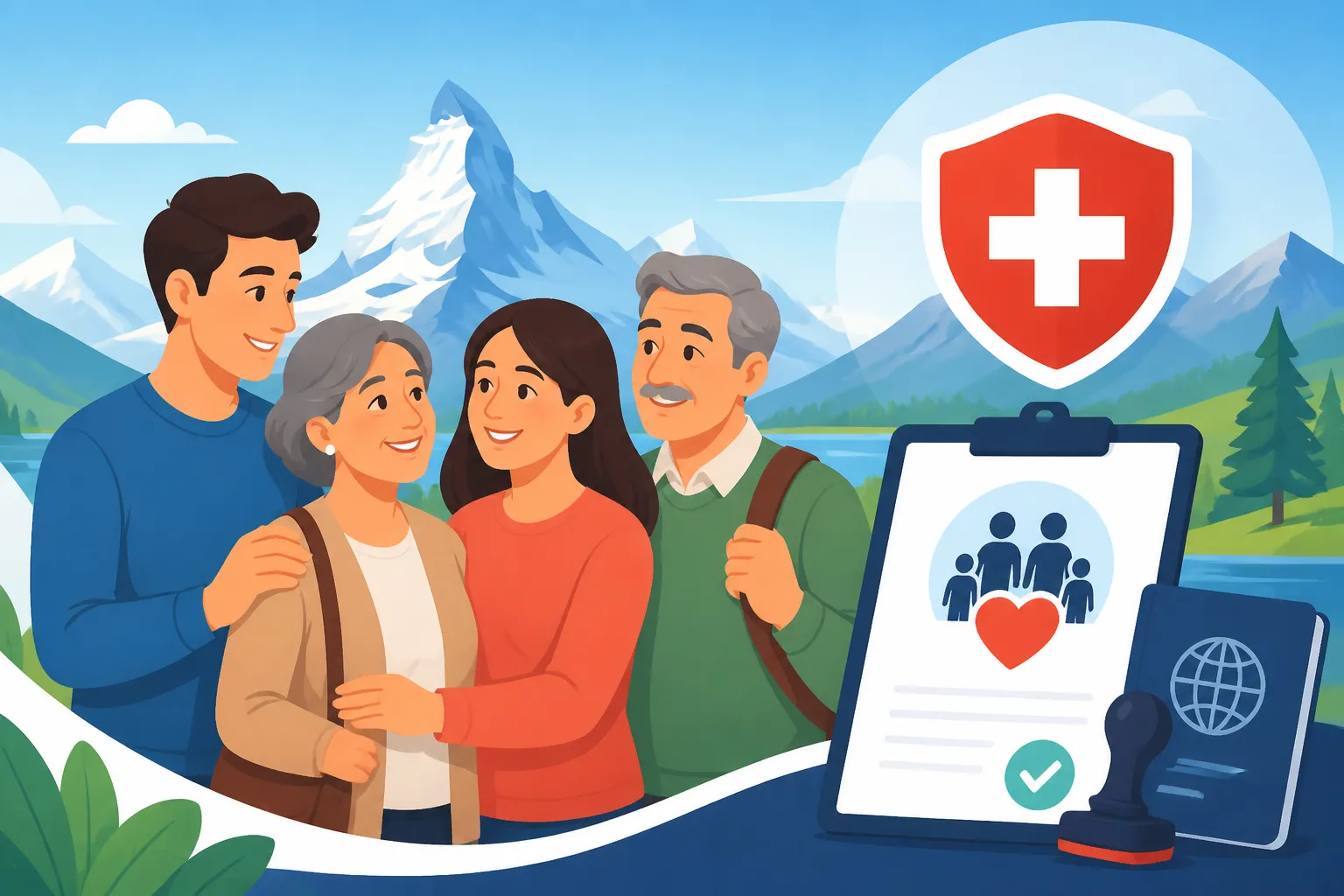
Sponsoring a Family Member’s Visitor Visa to Switzerland
Oh, the sheer joy of finally having family come to visit you in Switzerland! It’s a moment most expats long for, yet the administrative hurdles of inviting them can feel like another one of those uniquely Swiss challenges designed to test your patience. If you've ever felt overwhelmed trying to figure out how to get your loved ones here, especially if they need a visa, breathe easy. This guide is going to walk you through the often-confusing process of sponsoring a family member's visitor visa, helping you navigate the paperwork and local specifics so you can finally share this beautiful country with those who matter most.
The Nuances of a Swiss Visitor Visa Invitation: The Schengen C Visa
Let’s start with the basics, because understanding what you’re dealing with is half the battle won. When your family member from a "third country" – that is, outside the EU/EFTA bloc – wants to visit Switzerland, they'll almost certainly need a Schengen C Visa. This isn't just a Swiss thing; it's a unified visa for the entire Schengen area, which Switzerland is very much a part of. The Schengen C visa allows for short stays, typically up to 90 days within any 180-day period, for tourism, family visits, or short business trips.
Now, why a formal invitation? Well, for many nationalities, simply booking a flight and a hotel isn't enough. The Swiss authorities, like those in other Schengen countries, want assurance that the visitor has a legitimate reason to come, won't overstay, and won't become a financial burden on the state. This is where your role as a sponsor comes in, especially if your family member can't easily demonstrate sufficient funds for their entire stay or strong ties to their home country. Think of it as you vouching for them, both financially and morally, in the eyes of the Swiss immigration system.
It’s crucial to understand that even if your family member has enough money themselves, providing a formal invitation and sponsorship can significantly strengthen their application. It shows a clear purpose for their visit—to see you—and provides an additional layer of financial backing. For a more detailed look into this, our guide on Schengen Visa Type C: Tourist and Short-Business Rules for TCNs can offer even more clarity. This isn't just about charity; it's about demonstrating stability and genuine intent, which are paramount in Swiss bureaucratic eyes.
Who Can Sponsor a Visitor and the Weight of a Verpflichtungserklärung
So, you want to bring your family over? Fantastic! But who exactly qualifies as a sponsor in Switzerland? Generally, Swiss citizens, holders of a C permit (permanent residency), and even B permit holders (those with a resident permit) can sponsor a visitor. If you're on an L permit (short-term residency), it might be trickier, and your application will likely face a much higher level of scrutiny, requiring exceptionally strong proof of financial stability. The core of your sponsorship will be something called the "Verpflichtungserklärung," which translates to a Declaration of Commitment or a Financial Guarantee Letter. This document is no joke; it’s a legally binding declaration where you, the sponsor, promise to cover all costs related to your family member’s stay, including their subsistence, accommodation, travel, and even potential repatriation costs, should they become necessary.
The Financial Requirements and Proof of Funds
This is where many expats get a bit wide-eyed. Switzerland isn't shy about financial expectations. To be approved as a sponsor, you need to prove you have sufficient financial means to support both yourself and your guest(s) without dipping into social welfare. The exact amount isn't always publicly stated in stone and can vary by canton and individual circumstances, but generally, the authorities want to see a stable income well above the basic cost of living. They'll look at your salary slips, bank statements, and often your Betreibungsauszug (Debt Register Extract). If you have any negative entries in your debt register, your chances of being an approved sponsor plummet significantly, as these are seen as indicators of financial instability. We've written extensively on Financial Independence Checks: Why Betreibungen Debt Stops Permit Renewals, which is a critical read if you're concerned about this aspect.
For instance, imagine you live in Zurich and earn CHF 6,000 net per month. If you're sponsoring a single parent and two children for three months, the authorities will calculate the estimated costs for them – their food, transport, pocket money, etc. – and ensure that your remaining income after these expenses (and your own living costs) still leaves you comfortably in the black. This isn't just about having the money; it’s about demonstrating a consistent ability to manage finances responsibly. The process often involves a visit to your cantonal migration office or a designated local authority like the Gemeinde (municipality). You'll fill out the Verpflichtungserklärung form, attach all your financial proofs, and they will assess your eligibility. Sometimes, if there are doubts, they might even ask for a blocked account or a bank guarantee, though this is less common for straightforward family visits by well-established residents.
The Mandatory Health Insurance Component
Beyond just covering general expenses, a critical requirement for any Schengen visa, and especially for a sponsored one, is valid travel health insurance. This insurance must cover medical emergencies, hospitalization, and repatriation for the entire duration of their stay, with a minimum coverage of EUR 30,000 (or equivalent in CHF). While your family member usually purchases this in their home country, you, as the sponsor, are ultimately guaranteeing this coverage as part of your Verpflichtungserklärung. This means if their insurance falls short or isn't accepted, the financial burden falls back on you.
This is not a step to skimp on. I've heard too many stories of families facing immense stress because someone tried to get by with a bare-bones policy, only to find it didn't cover a necessary procedure. You want robust coverage. Companies like Cigna Global offer comprehensive international health insurance plans that are well-recognized and often exceed the minimum requirements for Schengen visas, providing peace of mind. It’s definitely worth looking into if you want to ensure your family member is fully protected during their visit. Our detailed article on Health Insurance Requirements for Sponsoring a Tourist Visa Letter goes into the specifics of what authorities expect from such policies.
Navigating the Application Process for Your Family Member
Once you've done your part by preparing the Verpflichtungserklärung and having it certified by the Swiss authorities, it’s time for your family member to apply for the visa in their home country. This typically happens at the Swiss embassy or consulate responsible for visa applications in their region. This part of the process requires meticulous attention to detail from their end, as any missing or incorrect document can lead to delays or even rejection.
The Applicant's Essential Documents
Your family member will need to submit a comprehensive dossier. This usually includes:
- Completed Schengen Visa Application Form: Filled out accurately and signed.
- Valid Passport: Must be valid for at least three months beyond the intended departure date from the Schengen area and have at least two blank pages.
- Passport Photos: Recent, color photos meeting specific Schengen requirements. Our guide on Passport Photos for Swiss Visas: Exact Size and Background Rules will ensure they get this right.
- Travel Itinerary: Even if it’s speculative, showing planned arrival and departure dates, and potentially internal travel plans.
- Proof of Accommodation: While you are sponsoring, they might still be asked for an address. This is where your Swiss address comes in. If they are staying in a hotel for part of the trip, include those bookings too. For questions about using rentals, check out Proof of Accommodation for Swiss Visas: Can You Use an Airbnb?.
- Proof of Funds: Even with your sponsorship, showing they have some disposable income for their personal expenses can strengthen their case.
- Proof of Ties to Home Country: This is critical! The authorities want to be sure your family member will return home. This can include property ownership, a stable job contract, proof of enrollment in school, marriage certificates, birth certificates of dependent children, etc. The stronger these ties, the more confident the consular officer will be.
- Travel Health Insurance: As mentioned, purchased in their home country, adhering to Schengen requirements.
- The Original Verpflichtungserklärung: This is the document you secured in Switzerland, sent to them.
Common Hurdles and How to Prepare
The most frequent reasons for visa refusals often revolve around perceived insufficient proof of funds (even with a sponsor, sometimes they look for a blend), lack of strong ties to the home country (making authorities fear an overstay), or incomplete documentation. Your family member might also be called for an interview at the embassy. This is not a time to panic, but to prepare. They should be ready to clearly articulate the purpose of their visit (to see you!), their relationship to you, and their plans for returning home. Consistency with the submitted documents is key.
Processing times can vary significantly depending on the embassy, the time of year, and the applicant's nationality. It’s always best to apply well in advance, typically 3-6 months before the planned trip, to avoid any last-minute stress. Remember, Swiss bureaucracy moves at its own pace.
Essential Documents and Navigating Potential Setbacks
Getting all your ducks in a row for a visitor visa can feel like a mountain of paperwork, but a clear checklist can make all the difference. Beyond simply gathering documents, understanding potential pitfalls and how to address them is crucial.
Document Checklist for a Sponsored Visitor Visa
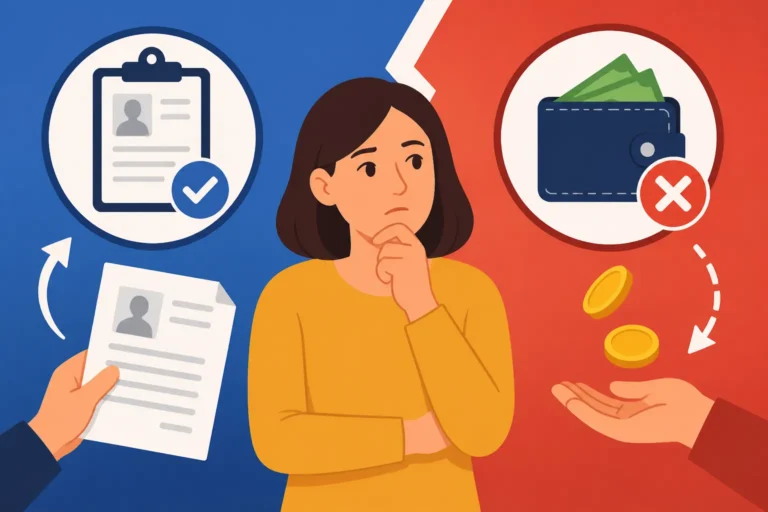
Here's a breakdown of what you'll typically need, split between the sponsor in Switzerland and the applicant abroad:
| Document Type | Sponsor in Switzerland (You) | Applicant Abroad (Your Family Member) |
|---|---|---|
| Visa Application | Completed & Signed Schengen Visa Application Form | |
| Identity & Travel | Copy of your Swiss Residence Permit (B/C Permit or Passport) | Valid Passport (3+ months validity post-trip, 2 blank pages) |
| Copy of your Swiss ID/Passport | Passport-sized Photos (Schengen compliant) | |
| Financial Guarantee | Original Verpflichtungserklärung (Declaration of Commitment) | Original Verpflichtungserklärung (received from sponsor) |
| Proof of income (salary slips for last 3-6 months) | Proof of personal funds (bank statements, if applicable) | |
| Bank statements (showing sufficient savings/liquidity) | ||
| Betreibungsauszug (Debt Register Extract) | ||
| Accommodation | Copy of your rental contract and proof of residence | Flight bookings (return ticket) |
| Confirmation of accommodation at your address for the duration | ||
| Ties to Home Country | Proof of employment (work contract, leave letter) | |
| Property ownership documents | ||
| Marriage certificate, birth certificates of dependent children | ||
| Proof of school/university enrollment | ||
| Insurance | Valid Travel Health Insurance (min. EUR 30,000, repatriation) | |
| Relationship Proof | Any documents proving relationship (birth certs, marriage certs) | Any documents proving relationship (birth certs, marriage certs) |
The Annoyance of Translations and Notarization
One common frustration expats face (and then inflict on their visiting family, bless their hearts) is the requirement for official translations and notarizations. If any of the documents your family member submits are not in one of Switzerland's official languages (German, French, Italian) or English, they will almost certainly need to be officially translated and possibly notarized or apostilled. This adds time and cost to the process, and it’s a detail that often gets overlooked until the last minute. Our comprehensive article, Translating and Apostilling Documents for Swiss Permit Applications, will guide you through this painful but necessary step. Don't let your family assume a simple Google Translate will cut it – it won't.
What Happens if the Visa is Denied?
Sometimes, despite your best efforts, a visa application gets denied. This is incredibly disheartening, both for you and your family member. However, it's not always the absolute end of the road. The refusal letter should state the specific reasons for the denial. It's crucial to review these reasons carefully.
In many cases, there's an option to appeal the decision (file a "Rekurs"). This involves submitting a written appeal to the relevant authority (often the State Secretariat for Migration, SEM) within a specified timeframe, usually 30 days. You'll need to address each point of refusal with additional evidence or clarification. While it adds another layer of bureaucracy and time, a well-reasoned appeal with new, compelling evidence can sometimes overturn an initial refusal. We delve into this in more detail in Filing a Rekurs Appeal After a Swiss Visa Denial Decision. It's a tough process, but if your family’s visit is truly important, it's worth exploring.
Remember, the Swiss system is designed to be thorough. They are cautious, and they prize stability and order. While it can feel frustrating, every hurdle is there for a reason, even if that reason isn't immediately apparent to an expat just trying to get their mum to see the Alps. Keep your chin up, prepare diligently, and you’ll have your family here to experience the beauty of Switzerland with you before you know it.
Disclaimer
Please remember that immigration laws and requirements in Switzerland can change. While I strive to provide the most up-to-date and accurate information based on general knowledge and public sources, this guide is for informational purposes only and does not constitute legal advice. Always consult the official websites of the Swiss State Secretariat for Migration (SEM) and the relevant Swiss embassy or consulate in your family member's home country, or seek professional legal counsel for specific advice regarding your situation.