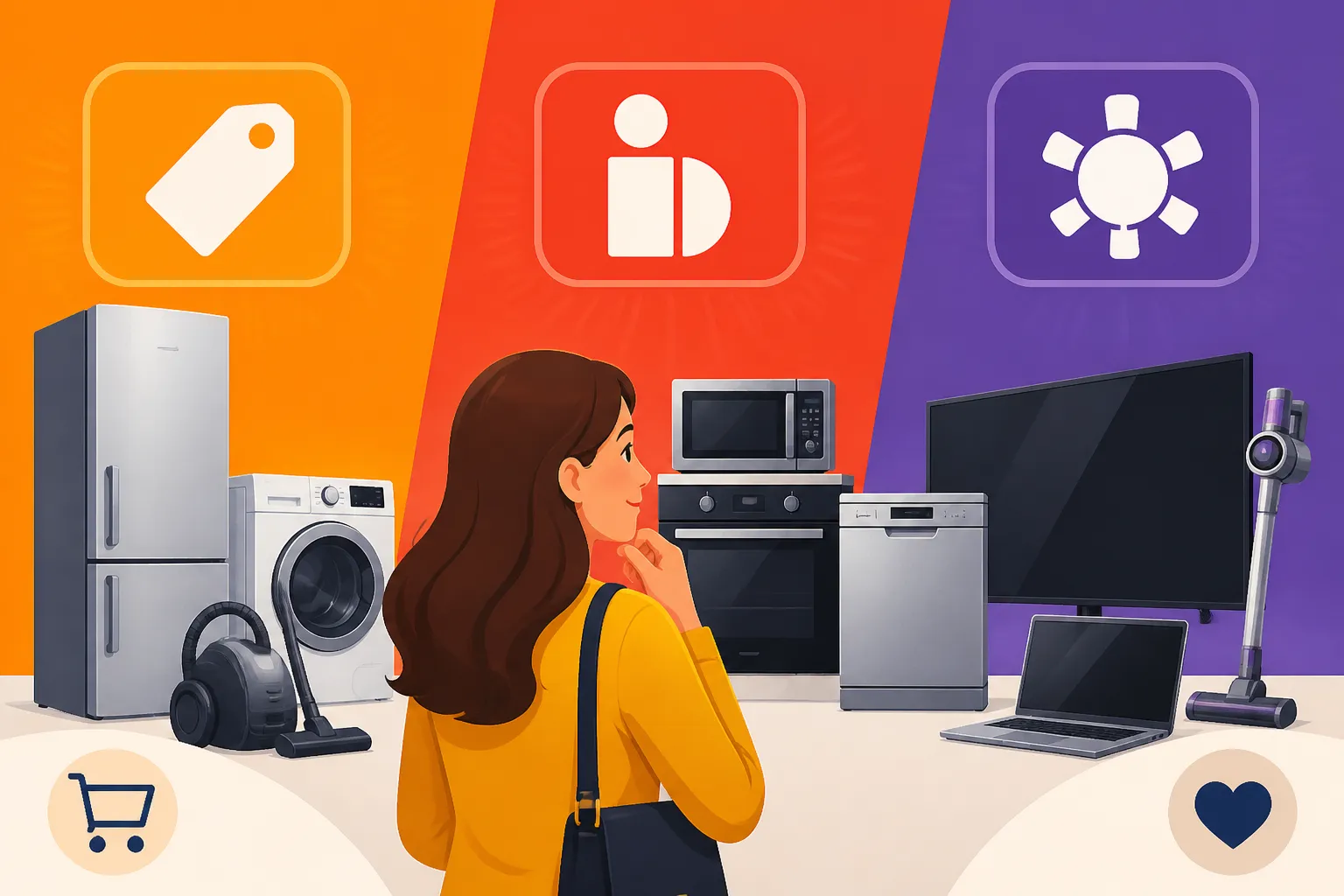
Buying Appliances in Switzerland: Fust, Interdiscount, and Galaxus
Moving to Switzerland, you quickly discover that many apartments, unlike in other countries, come as a blank canvas – and I mean really blank. You’re not just finding a place to live, you’re often tasked with furnishing an entire kitchen from scratch and figuring out laundry solutions. This guide is here to walk you through the often-surprising world of buying major appliances in Switzerland, focusing on where to buy them, what to expect, and how to navigate the process with key local retailers like Fust, Interdiscount, and Galaxus.
The Unfurnished Swiss Apartment: Why Appliances Are Your First Big Purchase
When you first start looking for rental apartments in Switzerland, especially outside of furnished expat rentals or older buildings in the French-speaking part, one of the biggest shocks can be the sheer emptiness of the kitchen. Many new arrivals assume that basic appliances like an oven, stove, and a fridge are standard. Oh, how wrong we were! This is one of those classic Swiss hurdles that hits you right in the face. It’s not just a minor inconvenience; it’s a significant financial and logistical undertaking right when you’re trying to settle in.
Understanding the "Shell" Kitchen and Laundry Room
Imagine walking into your shiny new Swiss apartment, all excited, only to find a kitchen with cabinets, a sink, maybe a dishwasher if you're lucky, but a gaping hole where a fridge should be. That's the reality for many. It's often referred to as a "shell" kitchen. Landlords here typically provide the kitchen structure, but the actual appliances – especially refrigerators and often freezers – are the tenant's responsibility. The reasoning behind this tradition is often rooted in the idea that tenants prefer to choose their own appliances, ensuring quality and longevity that suits their lifestyle. While noble in theory, it translates into a hefty initial outlay for expats.
It's even more perplexing when it comes to laundry. Unless you've rented an apartment with a private washing machine connection (which are a prized commodity), you'll likely be sharing a communal laundry room (the infamous Waschküche). This shared space usually has industrial-grade washing machines and tumble dryers, and you'll have a designated day or time slot to use them. While this saves you from buying your own machine, it introduces its own set of rules and frustrations, which you can read more about in our guide to Swiss Everyday Rules: Recycling, Quiet Hours, and Neighborhood Etiquette. If you do have a private connection, you're on the hook for buying your own washing machine and potentially a dryer. It’s a completely different ballgame from what many of us are used to, where washing machines are practically standard issue in rental units.
The Immediate Needs: Fridge, Oven, and That Elusive Washing Machine
So, you’ve signed your lease, you’re ready to move in, and suddenly you realize you can’t even store milk, let alone cook a meal. The priority list for appliances becomes brutally clear: a refrigerator is non-negotiable. Without one, your weekly grocery shop from Coop or Migros won't last a day. Next up is usually an oven or stove, because who wants to live off takeaways every night, especially with Swiss prices? If your apartment has the private connection for a washing machine, that immediately jumps to the top of the list too. Living without one means relying on the shared Waschküche schedule or going to a laundromat, which can quickly become a hassle.
Sometimes, depending on the age of the kitchen, you might find an existing oven and stovetop, but they could be quite old or simply not meet your needs. Many expats find themselves upgrading these anyway. It’s also worth noting that Swiss power outlets and plumbing connections can be specific. You can't just plug in any appliance from your home country without an adapter, and even then, voltage differences can be an issue. It’s best to buy appliances locally to ensure compatibility and warranty support. Remember, when you’re moving internationally, services like Sirelo can help coordinate the logistics of your move, but the appliance shopping itself often falls squarely on your shoulders once you arrive.
Your Go-To Retailers for New Appliances in Switzerland
When it comes to buying new appliances in Switzerland, you'll quickly become familiar with a few dominant players. These stores range from full-service electrical retailers to online giants, each with their own pros and cons in terms of selection, price, and after-sales support. Knowing where to look can save you a lot of headache and francs.
Fust: For Comprehensive Service and Showroom Experience
Fust is arguably the first name that comes to mind for many when thinking about electrical appliances in Switzerland. They are known for their comprehensive service package. Walking into a Fust showroom, you'll find a vast array of white goods, from refrigerators and washing machines to ovens, dishwashers, and even smaller kitchen gadgets. The staff are generally knowledgeable, though language can sometimes be a barrier if you're not in a major expat hub.
What truly sets Fust apart, and why many expats are willing to pay a slight premium, is their "all-inclusive" service. This often includes:
- Delivery to your apartment: Crucial when you’ve just moved in and don’t have a vehicle capable of transporting a fridge.
- Professional installation: Many appliances, especially washing machines or dishwashers, require proper connection to water lines and drainage, and sometimes even specific electrical outlets. Fust technicians handle this expertly, ensuring everything works and is up to Swiss safety standards.
- Old appliance disposal: They will often take away your old, broken appliance for recycling when they deliver and install the new one. This is a massive relief, as disposing of large items in Switzerland can be a bureaucratic puzzle.
- Extended warranties and repair services: Fust offers attractive extended warranty options and has a robust repair network, which can be invaluable for peace of mind.
While you might find slightly cheaper prices elsewhere, the convenience and assurance of Fust's end-to-end service are often worth it, especially when you're still grappling with the myriad of other tasks involved in Mandatory Registration: How to Sign Up for Health Insurance Within 90 Days or navigating local banking.
Interdiscount and Microspot: Online Deals and Practical Pickups
If you're looking for competitive pricing and are comfortable with a more online-focused shopping experience, Interdiscount and its sister company, Microspot, are excellent options. Both are part of the Coop Group, but they operate with a distinctly different model than Fust.
Interdiscount has both physical stores (though often smaller than Fust's) and a strong online presence. Their advantage lies in frequently offering sales and discounts, making them a good place to check for deals on individual items. You can often order online and pick up at a local store, or have items delivered. Their physical stores are more geared towards electronics, but they do stock a range of home appliances. The service level for installation might not be as exhaustive as Fust's, often requiring you to purchase installation as an add-on, or arrange it yourself.
Microspot, on the other hand, is almost exclusively an online retailer. They are known for aggressive pricing and a vast selection, often beating competitors on price for specific models. The trade-off is the lack of a physical showroom for most items and a more DIY approach to delivery and installation. You’ll choose between home delivery (which often costs extra for larger items) or picking it up at a designated hub. For those who are tech-savvy, comfortable with online shopping, and perhaps have friends to help with heavy lifting, Microspot can offer substantial savings. It's a great spot for comparing models and checking reviews before committing.
Galaxus: The Digital Department Store with Vast Selection
Galaxus, alongside its electronics counterpart Digitec, has become a household name in Swiss online retail. It's the ultimate digital department store, and its appliance section is no exception. Galaxus boasts an enormous range of products, from entry-level options to high-end luxury brands, often with very competitive prices.
What makes Galaxus a favorite among expats and locals alike is:
- Unparalleled product selection: You'll find almost any brand and model imaginable, allowing for detailed comparisons.
- User reviews and community questions: Their extensive customer review system provides invaluable insights, and you can often find answers to very specific questions from other buyers.
- Transparent pricing and availability: They are usually very clear about stock levels and estimated delivery times.
- Flexible delivery options: While large appliances still incur delivery fees, they are generally reasonable. You can often choose specific delivery slots, and some options include taking away old appliances.
- Installation services: Like Interdiscount, installation is usually an add-on service. However, they partner with third-party installers, which can be convenient if you're not planning to DIY.
Galaxus is a fantastic starting point for research. You can compare models, read up on features, and check out what others think. Even if you ultimately buy from Fust for the full-service package, Galaxus can give you a strong sense of pricing benchmarks and what’s available. For smaller items, or if you're feeling adventurous and want to explore Second-Hand Furniture in Switzerland: Tutti, Ricardo, and Anibis to complement your new purchases, Galaxus will definitely be on your browser tabs.
Navigating Delivery, Installation, and After-Sales Service
Once you've picked out your shining new appliances, the real logistical fun begins. It's not just about clicking 'buy'; it's about getting that fridge into your kitchen, connected properly, and ensuring you're covered if anything goes wrong. This process, while seemingly straightforward, can throw up a few Swiss-specific quirks.
The Logistics of Getting Your Appliances Home and Set Up
Ordering a washing machine or a refrigerator isn't like ordering a book. These are heavy, bulky items that require careful handling. Most major retailers offer delivery services, but the cost and extent of that service can vary wildly.
- Delivery Costs: Expect to pay extra for delivery, especially for large items. These fees can range from CHF 50 to CHF 150 or more, depending on the item size, your location, and whether you want it delivered to the curb, to your apartment door, or even installed. Always clarify this upfront.
- Apartment Access: Swiss apartment buildings can be old, with narrow staircases and sometimes no elevators. Make sure the delivery company knows if this is the case. Some charge extra for carrying items up multiple flights of stairs. It's worth considering the building layout, especially if you've found a charming Altbau apartment from our Altbau vs Neubau: Pros and Cons of Historic Swiss Apartments guide.
- Installation: This is where the magic (and potential headache) happens.
- White Goods: For items like washing machines, dishwashers, and ovens, professional installation is highly recommended. These often need precise plumbing connections, electrical hook-ups, and sometimes even cabinet modifications. If water leaks or electrical issues arise from faulty DIY installation, your insurance might not cover it, and you could be liable for damages.
- Refrigerators: While generally simpler, ensuring it's level and the door opens correctly in a fitted kitchen space is important.
- Special Electrical Connections: Be aware that some high-power appliances, particularly ovens and induction stovetops, might require a special three-phase power outlet (Starkstrom). Standard Schuko or Type J outlets won't cut it. Always check the appliance specifications and your apartment's electrical setup. If you need an electrician, it's a separate cost.
- Disposal of Old Appliances: If you're replacing an existing appliance, having the retailer take away the old one is a huge convenience. Otherwise, you'll have to arrange for bulky waste disposal with your local commune, which can involve fees and specific collection days.
It's a lot to consider, so when you’re comparing prices, remember to factor in these additional services. Sometimes, paying a bit more for a full-service package from a retailer like Fust can save you a mountain of stress and potential extra costs down the line.
Warranty, Repairs, and Customer Support Realities
Swiss consumer protection laws provide a decent baseline for warranties, typically guaranteeing a minimum of two years for new products. However, the quality of after-sales service can vary.
- Standard Warranty: All new appliances come with a legal warranty period. If an appliance breaks down during this time due to manufacturing defects, the retailer or manufacturer is obliged to repair or replace it. Keep your receipts and warranty cards safe!
- Extended Warranties: Retailers like Fust are famous for offering extended warranties, sometimes up to five years. These plans can be pricey but cover repairs and often offer a replacement if the item can't be fixed. For expensive appliances, this can be a worthwhile investment.
- Repair Network: Swiss retailers often have their own repair teams or work with authorized service partners. The quality and speed of service can depend on the brand and the specific issue. It's worth checking customer reviews regarding repair experiences for specific retailers or brands.
- Parts Availability: For European brands, spare parts are generally readily available. For less common or non-European brands, finding parts and specialized technicians might take longer or be more expensive.
- Customer Service Language: While major retailers in expat-heavy areas like Zurich, Geneva, or Basel often have English-speaking staff, don't always count on it. Having a German, French, or Italian speaker with you or using translation apps can be helpful if you need to discuss technical issues.
My personal experience, and that of many expats, is that while things are generally well-organized, patience is key. Repairs might take a week or two, and getting through to customer service can sometimes feel like an exercise in perseverance. It’s all part of the unique tapestry of The Swiss Corporate Culture: Meetings, Hierarchy, and Professional Etiquette, even in retail.
Smart Shopping: Cost Considerations and Alternative Solutions
Buying appliances is rarely a minor expense, but in Switzerland, it can feel like a small fortune. Beyond the sticker price, there are often hidden costs that can inflate your budget significantly. Understanding these and exploring alternative solutions can help you make smarter choices.
Budgeting Beyond the Price Tag: Hidden Costs to Anticipate
The initial price tag on a washing machine or a high-end oven is just the beginning. To truly budget for appliances in Switzerland, you need to consider a few often-overlooked expenses:
- Delivery and Installation Fees: As discussed, these are almost inevitable for large items. A basic delivery might be CHF 50, but professional installation with old appliance removal can easily push this to CHF 150-300 or more per item.
- Special Adapters and Plugs: While many modern Swiss apartments use Type J outlets, some older buildings might have different systems, or your specific appliance might come with a Schuko (Type F) plug which isn't standard in Switzerland and requires an adapter. For high-power appliances (ovens, induction stoves), if your kitchen doesn't have a Starkstrom (three-phase) connection, you're looking at hiring an electrician to install one, which is a significant cost.
- Disposal Fees for Old Appliances: If your retailer doesn't offer free old appliance removal, you’ll incur fees from your commune or a private disposal company.
- Water and Energy Efficiency: While not an upfront cost, new appliances in Switzerland are often rated for energy and water efficiency (look for the F, G, or A-G scale labels). Choosing more efficient models might have a higher initial cost but will save you money on your utility bills in the long run. This is particularly relevant when you're looking at the broader picture of Cost of Living in Switzerland 2026: Budgeting for Singles and Families.
- Extended Warranties: While they offer peace of mind, they are an additional cost you need to factor in if you choose to purchase one.
It’s easy to get carried away by a great deal on a fridge, only to find the "hidden" costs add another 20% to your initial budget. Always get a clear quote that includes all delivery, installation, and disposal charges before you commit.
Exploring Second-Hand Markets and Temporary Fixes
Buying everything new can be financially crippling, especially when you’re just starting out in Switzerland. Thankfully, there are viable alternatives if you're willing to put in a little effort.
-
Second-Hand Markets (Brockis, Tutti.ch, Ricardo.ch):
- Brockenhäuser (Brockis): These are large second-hand stores, often run by charities or local communities. You can find surprisingly good quality used appliances, especially smaller items, at a fraction of the cost. The inventory changes constantly, so regular visits are key. They might offer delivery for a fee, but often it’s cash-and-carry.
- Tutti.ch and Ricardo.ch: These are Switzerland's popular online marketplaces for classifieds and auctions. You can often find great deals directly from private sellers. The challenge here is arranging transport (you'll need a car or van, or a friend with one) and verifying the condition of the appliance. Always ask for recent photos, check for any visible damage, and ideally, test the item if possible before buying. Be aware that warranties generally don't transfer.
- Expat Facebook Groups: Local expat groups on Facebook (e.g., "Expats in Zurich Sell & Buy") are treasure troves. People leaving the country often sell perfectly good appliances for quick cash. You might even find someone selling a whole kitchen setup!
- Potential Savings: Going second-hand for appliances like a fridge or even a washing machine (if you're handy or can get it installed cheaply) can save you hundreds, if not thousands, of francs.
-
Temporary Solutions:
- Short-Term Rentals or Furnished Apartments: If your move is temporary or you just need time to settle, consider a short-term rental that already includes basic appliances. Companies like Vision Apartments or CityPop (mentioned in Finding Temporary Serviced Apartments: Vision Apartments and CityPop) specialize in furnished options.
- Mini-Fridges and Hot Plates: For immediate needs, a compact mini-fridge and a portable induction hot plate can tide you over for a few weeks while you decide on your permanent appliances. These are readily available at Coop, Migros, or even discount stores like Denner.
- Borrowing: Tap into the expat community! Many people are incredibly generous and might have an old fridge or washing machine they're happy to lend or sell for a symbolic price. Never underestimate the power of a good network, especially when you're also figuring out where to find an English-Speaking Family Doctor (Hausarzt) in Major Cantons.
Ultimately, the decision between new and second-hand, or a full-service package versus DIY, comes down to your budget, time, and comfort level with logistics. Don't be afraid to mix and match; maybe a new, professionally installed washing machine, but a second-hand fridge and some basic cooking implements to start.
Disclaimer
Please note that while this guide provides comprehensive information based on common expat experiences and publicly available data, regulations and offerings in Switzerland can change. Always verify current prices, warranty terms, and service options directly with the retailers. This content is for informational purposes only and does not constitute financial, legal, or professional advice.