Child Benefits (Familienzulagen) in Switzerland: Amounts and How to Claim
Moving your family to Switzerland is an exhilarating adventure, but the financial sticker shock can hit hard once you realize the price of diapers, insurance, and childcare. Many expat parents leave thousands of francs on the table simply because they assume these benefits are automatic or handled entirely by the state. This guide ensures you capture every cent of the Swiss Familienzulagen you are legally entitled to.
What Are Familienzulagen? Understanding the Swiss Family Support System
In Switzerland, child benefits—known as Familienzulagen—are not a form of social welfare for the struggling; they are a universal right for parents working in the country. The system is designed to help offset the famously high Cost of Living in Switzerland 2026: Budgeting for Singles and Families. Whether you are a high-flying executive in Zurich or a researcher in Lausanne, if you pay into the social security system, you are eligible.
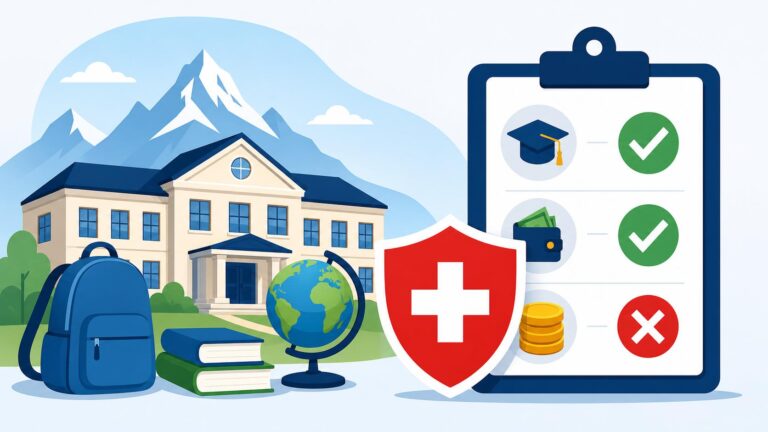
The system is primarily split into two distinct types of payments: the Child Allowance (Kinderzulage) and the Education Allowance (Ausbildungszulage). The Kinderzulage is paid from the month of the child’s birth until they reach the age of 16. If your child has a health condition that prevents them from working, this can sometimes be extended to age 20. Once a child turns 16 and begins post-compulsory education—such as an apprenticeship or university—the payment switches to the Ausbildungszulage, which is higher in value and continues until the education is completed or the child turns 25.
It is important to understand that while there is a federal minimum, Switzerland operates on a cantonal level. This means your neighbor across the cantonal border in Zug might be receiving a different amount than you are in Zurich. The funding for these benefits comes almost entirely from employer contributions, which are managed through various compensation funds (Ausgleichskassen). If you are a parent and you are employed, self-employed, or even non-active with a low income, there is a pathway for you to claim this support.
Calculating Your Monthly Allowance: Cantonal Differences and Amounts
The Swiss federal government sets a floor for these benefits, but cantons are free to be more generous. As of 2026, the federal minimum is 200 CHF per month for children under 16 and 250 CHF for those in education. However, very few cantons stick to the absolute minimum. In more expensive regions like Geneva or Vaud, the amounts are significantly higher to reflect the local economic reality.
Beyond the monthly payments, some cantons also offer a "Birth Grant" (Geburtszulage) or an "Adoption Grant" (Adoptionszulage). This is a one-time lump sum intended to help with the initial costs of a new addition to the family. In some cantons, this can be as much as 2,000 CHF or more, which provides a massive boost when you are navigating Maternity and Child Healthcare in Switzerland: From Pregnancy to Pediatrics.
Below is a comparative look at how different cantons structure their monthly payments. Please note that these figures represent the 2026 standards, but individual employer funds may occasionally supplement these further.
| Canton | Child Allowance (Monthly, <16 years) | Education Allowance (Monthly, 16-25 years) | Birth Grant (One-time) |
|---|---|---|---|
| Zurich | 200 CHF | 250 CHF | No |
| Geneva | 311 CHF (increasing for 3rd child) | 415 CHF | 2,102 CHF |
| Vaud | 300 CHF | 360 CHF | 1,500 CHF |
| Zug | 300 CHF | 300 CHF | No |
| Basel-Stadt | 275 CHF | 325 CHF | No |
| Bern | 230 CHF | 290 CHF | No |
If you are a US citizen living in Switzerland, remember that these payments are considered taxable income in Switzerland and potentially in the US. Consulting with specialized services like Taxes for Expats can help you navigate how to report this income without facing double taxation or missing out on foreign tax credits.
The Step-by-Step Claim Process: From HR to Your Bank Account
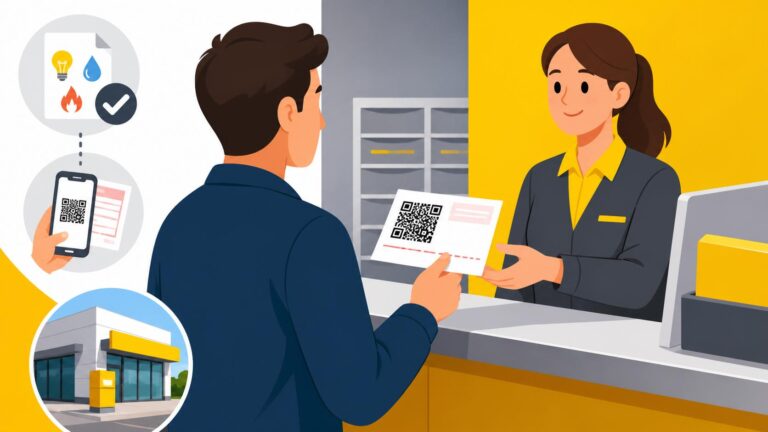
The most common mistake expats make is waiting for the government to contact them. In Switzerland, the onus is on the parent to initiate the claim through their employer. If you have recently arrived and completed Registering Your Address at the Kreisbüro Within 14 Days of Moving, your next stop should be your company's HR department.
Your employer is responsible for submitting your application to their specific Ausgleichskasse (compensation fund). You will need to provide a series of documents, and if these are not in a Swiss national language (German, French, or Italian), you will likely need certified translations. Generally, you should prepare your child’s birth certificate, your residence permit, and, if your child lives abroad (in an EU/EFTA country), proof that you are not already receiving full benefits from that country.
The process follows a "Priority Principle" if both parents work. Generally, the parent who earns the higher income or works in the canton where the child resides takes priority. If one parent is employed in Switzerland and the other is abroad, the Swiss system usually pays the difference if the Swiss allowance is higher. Managing these international transfers and potential currency exchanges is often easier with a platform like Wise, which allows you to hold and convert CHF at mid-market rates, particularly if you are sending money to support children who are still finishing school in your home country.
Special Cases: Non-EU Residents, Self-Employed, and Students
The rules for Familienzulagen are relatively straightforward for EU/EFTA citizens, but third-country nationals (such as those from the US, UK, Canada, or India) often face additional hurdles. If your children are not living in Switzerland, you can generally only claim the allowance if your country of origin has a social security agreement with Switzerland. If your children are with you in Switzerland on a B or L permit, you are eligible regardless of your nationality.
For those who have taken the leap into entrepreneurship and are Registering as Self-Employed (Selbständig) with the AHV Office, you are also entitled to child benefits. However, you must register yourself with a family compensation fund and pay the required contributions. This is often an overlooked step during the frantic first year of business ownership. You will essentially be acting as both the "employer" and "employee" in the application process.
Non-active parents—such as students or stay-at-home parents whose partners are not working in Switzerland—can also claim benefits, provided their taxable income does not exceed a certain threshold (usually around 43,000 CHF per year). This is handled directly through the cantonal AHV office rather than an employer. If you find yourself in a situation where your income is low, perhaps while you are looking for work and receiving benefits from the RAV, you should still apply, as these funds are essential for maintaining a stable household.
Tax Implications and Cross-Border Considerations
It is a common misconception that child benefits are "free money" that doesn't need to be declared. In the eyes of the Swiss tax authorities, Familienzulagen are part of your gross income. This means they will be added to your salary and taxed at your marginal rate. You can read more about how this fits into your overall fiscal picture in our guide on Child Benefit Payments (Kinderzulage) and Their Tax Implications.
When it comes to the end of the year, ensure your Lohnausweis (salary certificate) accurately reflects the total amount of benefits received. If you are a high earner or a C permit holder, you will be Filing a Swiss Tax Return (C Permit or High Earners on B Permit) and must include these figures. For Americans, Taxes for Expats provides invaluable assistance in ensuring these Swiss "social" payments are categorized correctly on your Form 1040 to avoid overpayment.
For those living across the border, such as those navigating G Permit France: Taxation Rules for Frontaliers in Geneva, the system is even more complex. France has its own "Allocations Familiales," and the two countries coordinate to ensure you aren't "double-dipping." Usually, you receive the French amount first, and Geneva pays the "top-up" (allocation différentielle) once or twice a year. This lump sum can be quite large, and using Wise to move that money into a multi-currency account can save you a fortune in hidden bank fees compared to traditional high-street banks.
Common Pitfalls and How to Avoid Them
One of the biggest frustrations for expat parents is the "retroactive limit." In most cantons, you can only claim child benefits retroactively for up to five years. While that sounds like a long time, if you’ve been living in Switzerland for six years and only just realized you could claim for your teenager, you’ve permanently lost a year of payments. Always apply as soon as you have your Swiss work contract and your child’s birth certificate in hand.
Another pitfall is the transition from Kinderzulage to Ausbildungszulage. Employers often stop payments automatically when a child turns 16. It is your responsibility to provide a "Certificate of Enrollment" (Immatrikulationsbescheinigung) from your child’s school or university to prove they are still in education. Without this document, the payments will simply vanish from your monthly payslip. If your child is attending school in another canton or even another country, keep a digital folder of their enrollment records to make the annual verification process seamless.
Finally, keep an eye on your child's health and dental needs, as these aren't covered by the family allowance but are part of your broader financial planning. While the allowance helps with groceries, you'll still need to budget for things like Finding an English-Speaking Pediatrician in Zurich Oerlikon or specialized insurance. The Familienzulage is a foundation, but navigating the Swiss system requires a holistic approach to your family's finances.
Managing Your Benefits and Future Planning
Once the money starts hitting your account, it's wise to consider how it fits into your long-term Swiss financial strategy. Many parents choose to divert the monthly child allowance directly into a savings account or a specific investment vehicle for the child's future education. Because the Swiss education system can lead to various paths, including expensive international universities or specialized apprenticeships, starting early is key.
You should also consider how these benefits interact with the broader The Three-Pillar Pension System: AHV, BVG, and Private Savings. While the child allowance is for the now, your contributions to the system during your working years in Switzerland ensure that your family is protected in the long run. If you are using Wise to manage your international lifestyle, you can easily set up automated transfers to ensure a portion of your Swiss benefits is working for you in global markets or tucked away in a high-interest account.
Switzerland is a country that rewards those who follow the rules and meet the deadlines. By staying proactive with your HR department and keeping your documentation updated, you can turn the bureaucratic hurdle of Familienzulagen into a reliable financial cushion that makes your expat life much more comfortable.
Disclaimer
This article is for informational purposes only and does not constitute financial, legal, or tax advice. Swiss laws and cantonal regulations regarding child benefits and taxation are subject to change. Readers should consult with the Swiss Compensation Office (Ausgleichskasse), their employer's HR department, or a qualified tax professional to confirm their specific eligibility and requirements.