Working on a Dependent Visa: Rules for Spouses of B/C Permit Holders
Moving to Switzerland as a "trailing spouse" often feels like being stuck in a high-altitude waiting room while your partner starts their dream career. I remember sitting in our tiny Zurich flat years ago, clutching my dependent B permit and wondering if I was legally allowed to even apply for a part-time role. This guide solves the confusion surrounding your professional rights and the steps to employment.
Understanding Your Automatic Work Rights
One of the biggest misconceptions expats face is the idea that a dependent visa is purely for "residence" and prohibits professional activity. Under the Federal Act on Foreign Nationals and Integration (FNIA), the legal landscape for spouses has become significantly more welcoming over the last decade. If you are joined to a partner who holds a B or C permit, your right to work is generally protected, but the administrative "flavor" of that right depends heavily on your nationality and your spouse’s permit type.
For those joined to a partner with a C permit, the transition is the most seamless. Since a C permit signifies permanent residency, the spouse is usually granted nearly identical access to the labor market. You aren't tied to a specific employer, and you don't need a "labor market test" where an employer has to prove they couldn't find a local Swiss person first. You simply find a job, sign a contract, and notify the authorities. It sounds simple, yet the psychological barrier of being a "dependent" often makes spouses feel hesitant to jump into the market.
If your spouse holds a The Swiss B Permit: Eligibility, Renewal, and Restrictions, the situation is still very positive. Even for Third-Country Nationals (non-EU/EFTA citizens), the law changed to allow for easier labor market integration. Gone are the days when a spouse had to wait years or navigate a separate quota. However, you must still ensure your physical permit card reflects your right to work. Sometimes, a card might say "Familiennachzug" (family reunification) without explicitly mentioning "Erwerbstätigkeit gestattet" (gainful employment permitted). If yours is missing this, don't panic; it usually just requires a quick trip to the cantonal migration office to have it updated once you have a job offer.
The Administrative Steps for the Trailing Spouse
Once you have landed an interview and received a job offer, the real paperwork begins. For many, this is where the frustration kicks in because Swiss HR departments—especially in smaller companies—might not be fully up to speed on the rights of dependent visa holders. I once had a recruiter ask me for a "work permit" when my residency permit was my work permit. You have to be your own advocate here. You must explain that under Residence Permits in Switzerland: L, B, C, and G Permits Explained, your status as a spouse grants you access to the market.
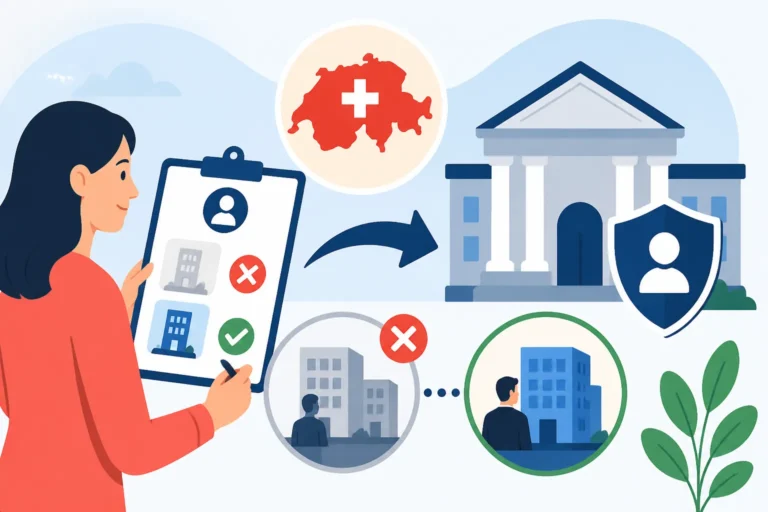
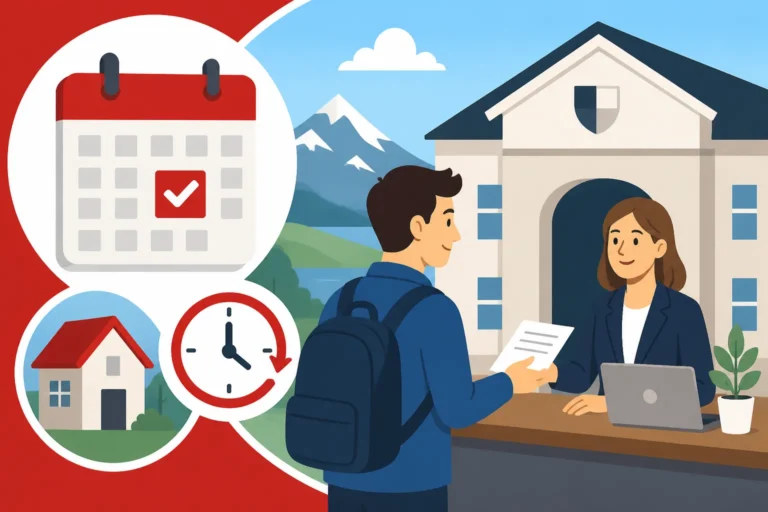
The first concrete step is the notification process. In most cantons, once you sign an Swiss Work Contracts and Labor Law: Notice Periods, Leave, and Rights, your employer or you (depending on the canton) must notify the Cantonal Migration Office. This isn't an "application" that can be easily rejected; it is a notification of a change in your status from "resident" to "resident with gainful employment." They will then issue a new permit card or an official confirmation. During this window, you can typically start working, provided the notification has been filed.
Documentation is your best friend during this phase. Swiss employers are notoriously detail-oriented and will want to see your original degrees and certifications. If your documents are not in German, French, or Italian, you will likely need certified translations. Using a service like RushTranslate can be a lifesaver here, as they provide the high-quality, accepted translations that Swiss bureaucrats demand. Having these ready in your "Bewerbungsmappe" (application dossier) shows a level of "Swiss-style" preparedness that really impresses local hiring managers.
Professional Barriers and Cultural Nuances
Even with the legal right to work, the Swiss job market has its own "hidden" rules that can trip up even the most experienced expat. One of the most significant cultural shocks is the prevalence of part-time work. It is very common for spouses to work at 60% or 80% capacity. In Switzerland, "100% workload" means 40 to 42 hours a week. Working 80% means you have one full day off a week. This is a fantastic way to balance your own career while still managing the logistical nightmare of setting up a new life in a foreign country.
Language remains the ultimate gatekeeper. While many multinational companies in Basel, Geneva, and Zurich operate in English, the moment you step outside that bubble, the local language becomes essential. Even if the job itself is in English, the "coffee machine talk" and the office politics will happen in German or French. I highly recommend checking out the Language Requirements for Swiss Permits: A1 to B2 Standards Explained to see how your language level might affect your long-term residency goals, like eventually applying for a The Swiss C Permit (Permanent Residency): Fast-Track and Standard Routes.
Another hurdle is the "Arbeitszeugnis" or work reference. In Switzerland, these are not just simple letters of recommendation; they are coded, legal documents that describe your performance in minute detail. If you are coming from the US or the UK, your previous references might look "thin" to a Swiss recruiter. Be prepared to explain your previous experience in a way that aligns with Swiss expectations. You might want to include a brief explanatory note in your CV about the grading system of your home country to bridge this cultural gap.
Self-Employment and Freelancing on a Dependent Visa
If you find that the traditional corporate world is a bit too slow or rigid, many spouses on a dependent B permit choose to go the route of self-employment. The good news is that your visa generally allows for this, but the administrative setup is more hands-on. You would typically start as an "Einzelfirma" (sole proprietorship). To do this, you need to prove to the social security office (SVA) that you have multiple clients and are genuinely operating a business, rather than just working for one company that is trying to avoid paying your benefits.
Once you are registered as self-employed, you become responsible for your own social security contributions. This involves the AHV/IV/EO (Old Age, Survivors, Disability, and Income Loss Insurance). It can feel like a massive chunk of your income is disappearing, but these contributions are what build your future Swiss pension. You can learn more about how this fits into the broader picture in our guide on The Three-Pillar Pension System: AHV, BVG, and Private Savings. It is a complex system, but once you are "in," it provides a level of security that is quite rare globally.
Taxation is the other big consideration for dual-income expat households. If you were previously used to being taxed at source (Quellensteuer), your spouse’s income and your new income will be combined for the annual tax declaration. This often pushes you into a higher tax bracket. It is worth sitting down with a tax advisor early on to understand your new obligations. You can find more details on how this works in our article on Salary and Compensation: Navigating Swiss Pay, Bonuses, and Deductions.
| Permit Type | Work Rights | Key Requirement |
|---|---|---|
| Dependent B (EU/EFTA) | Full Access | Simple notification to the commune/Gemeinde |
| Dependent B (Non-EU) | Full Access | Notification to Cantonal Migration Office; permit update |
| Dependent C (All) | Full Access | No specific labor market restrictions |
| Dependent L (Short-term) | Restricted | Usually requires a separate application and labor market test |
Essential Protections and Insurance
When you start working in Switzerland, your insurance needs change instantly. By law, every resident must have basic health insurance (KVG/LAMal). However, when you become an employee working more than 8 hours a week for a single employer, you are automatically covered for non-occupational accidents by your company. This means you can actually remove the "accident coverage" from your personal health insurance policy and save about 7% to 10% on your monthly premiums. It’s a small win, but in a country as expensive as Switzerland, every franc counts.
If you are still in the transition phase or if your spouse’s company doesn't provide the level of coverage you were used to back home, you might look into international options. Cigna Global offers flexible plans that can bridge the gap for expats who need more than just the "basic" Swiss package, especially if you plan on traveling frequently or want access to private wards. While the basic Swiss insurance is excellent, it often lacks the "comfort" features that many expats expect.
Maternity rights are another crucial area for dependent visa holders. If you have been working and paying into the system for the required timeframe (usually 9 months before birth, with 5 months of employment), you are entitled to statutory maternity leave. This is a federal right, and being on a dependent visa does not diminish it. Switzerland is also incredibly supportive of new parents through the Family Reunification: Bringing Your Spouse and Children to Switzerland protocols, ensuring that your status remains secure even if you take a break from the workforce to care for a new family member.
Comparative Overview and Practical Tools
Navigating the job hunt while managing a household is a full-time job in itself. For those in major hubs, there are specific resources tailored to the expat community. If you are in the northern part of the country, the Zurich Expat Healthcare Guide: Hospitals, Clinics, and Emergency Contacts can help you find English-speaking medical support so you don't have to waste your precious "job hunting" time struggling with a German-speaking receptionist. Similarly, understanding how to navigate the local medical system is vital, which is why I always recommend reading up on Finding Medical Care in Switzerland: Doctors, Specialists, and Referrals early in your move.
If you are just starting your search, don't just rely on LinkedIn. The Swiss market heavily favors niche boards and personal networking. Look for industry-specific "Vereine" (associations) where you can meet locals. Volunteering is also a legally gray but often accepted way to build a network, provided it doesn't look like a "disguised" job. Always ensure you are clear about your visa status in your cover letter. A simple sentence like "I hold a B permit with full work authorization" can save you from being filtered out by an automated system that assumes you need a visa sponsorship.
Ultimately, working on a dependent visa is not just about the money; it’s about integration. Switzerland can be a lonely place if you are just staying at home waiting for your partner to return from the office. Getting out into the workforce—whether at 50%, 80%, or 100%—is the fastest way to learn the local culture, improve your language skills, and feel like you truly belong in the Alps. For a broader look at the professional landscape, our guide on Working in Switzerland as an Expat: Jobs, Culture, and Employment Laws provides a deep dive into what you can expect once you actually walk through those office doors for the first time.
Legal Disclaimer
The information provided in this article is for general informational purposes only and does not constitute legal, financial, or professional advice. Immigration laws and cantonal regulations in Switzerland are subject to frequent changes. While we strive to keep the information up to date, we recommend consulting with the Swiss State Secretariat for Migration (SEM) or a qualified immigration lawyer for specific advice regarding your individual situation.