Can You Flush the Toilet After 10 PM? Debunking Swiss Noise Myths
Moving to Switzerland often feels like joining a high-stakes etiquette club where the rules are unwritten and the penalties involve passive-aggressive sticky notes. I spent my first three nights in Basel terrified that a single midnight flush would lead to immediate deportation. This guide finally separates the urban legends from the actual rental laws to save your sanity.
The Legend of the 10 PM Toilet Flush: Fact vs. Fiction
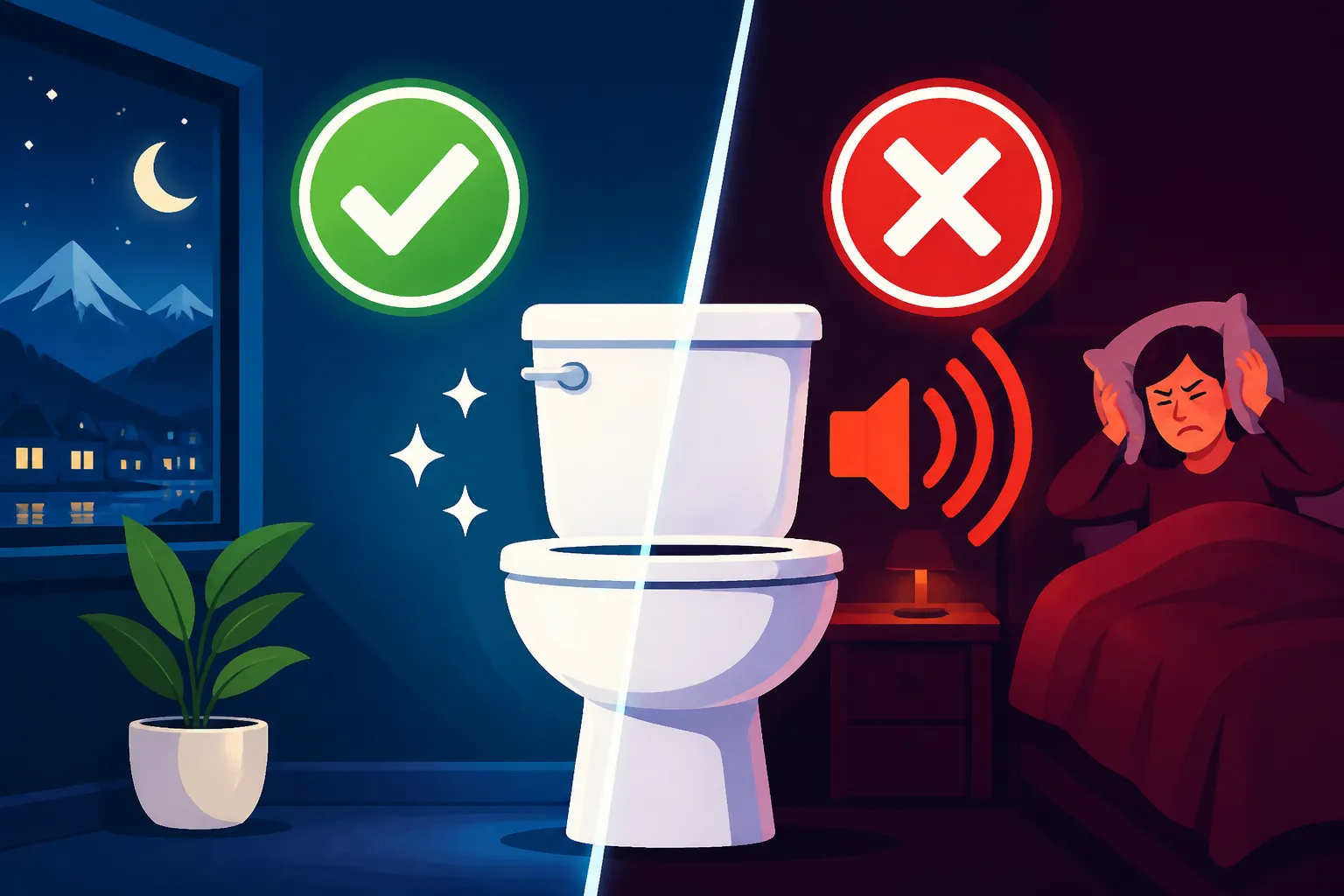
One of the most persistent myths circulating on expat forums is that it is strictly illegal to flush your toilet after 10:00 PM in Switzerland. When I first arrived, I genuinely believed this. I would stare at the handle at 11:30 PM, weighing my physiological needs against the fear of my landlord appearing with a termination notice. Let’s set the record straight: there is no federal or cantonal law that forbids you from using the bathroom at night. Hygiene is a basic human right, even in the land of precision and order.
The root of this myth lies in the concept of "avoidable noise." In many older Swiss buildings, known as Altbau, the plumbing is… let’s say, vintage. The sound of water rushing through pipes in a 1920s apartment block in Zurich's Kreis 4 can sound like a waterfall to the neighbor sleeping directly below the bathroom. Because of this, some very old house rules—the "Hausordnung"—used to include suggestions about avoiding baths or long showers late at night. Over decades of expat storytelling, "please be mindful of old pipes" morphed into "the police will come if you flush."
If you are staying in mid-term accommodation found through platforms like HousingAnywhere, you might find that the house rules are more explicitly laid out in English. While these rules might ask you to keep the volume down, they cannot legally prevent you from flushing the toilet. However, the culture of "Nachtruhe" (night rest) is very real. It isn’t about the toilet itself; it’s about the collective agreement to keep the environment peaceful for everyone.
The persistence of this myth also comes from the genuine strictness of Swiss neighbors. While you won't get arrested for a flush, you might get a stern look in the hallway if you decide to take a 45-minute power shower at 2:00 AM every night. The Swiss value their sleep immensely, and anything that vibrates through the walls—like a heavy toilet lid slamming shut—is what actually causes the friction. Understanding Renting in Switzerland: The Complete 2027 Guide for Expats requires realizing that social pressure is often more powerful than the law itself.
What Swiss Law Actually Says About Noise
Under the Swiss Code of Obligations, tenants are required to show "due consideration" to other residents. This is a vague term that leaves a lot of room for interpretation. Generally, the law distinguishes between "necessary" and "unnecessary" noise. Flushing a toilet, washing your hands, or getting a glass of water are considered necessary activities. You cannot be evicted for performing basic life functions during the night.
However, the law also protects neighbors from excessive disturbance. If you are throwing a late-night party with a subwoofer, that is unnecessary. If you are practicing the tuba at midnight, that is unnecessary. The courts generally side with the neighbor if the noise is something that could easily have been done during the day. This is why many expats find the system frustrating; it feels like a subjective judgment call rather than a clear-cut set of rules.
To stay protected, many savvy expats ensure they have Private Liability Insurance (Privathaftpflicht): Why Expats Need It because disputes with neighbors can sometimes escalate into claims of damages or mental distress. While rare, having that insurance provides a layer of legal comfort when you’re navigating the intricacies of Swiss housing law for the first time.
The Power of the Hausordnung
When you sign a lease for an apartment in Geneva or Lausanne, you aren't just signing a contract; you are agreeing to the Hausordnung. This document is the "Constitution" of your building. It outlines when you can use the shared laundry room, where you can park your bicycle, and yes, the specific hours of Nachtruhe. Usually, this is from 10:00 PM to 6:00 AM or 7:00 AM.
While the Hausordnung cannot override federal law (meaning it still can't legally ban toilet flushing), it can set strict guidelines for other activities. For example, it might state that the use of a vacuum cleaner is forbidden after 8:00 PM. If you repeatedly violate these specific house rules, the landlord does have the right to terminate your lease after giving you written warnings.
Before you even move your boxes in, I highly recommend translating the Hausordnung. If you haven't set up your local internet yet, using an eSIM from a provider like Airalo can be a lifesaver for quickly looking up German or French legal terms on your phone while you're standing in your new living room. Knowing exactly what you signed up for prevents those awkward "I didn't know" conversations with the building warden (the Hauswart).
Why the Myth Persists Among Expats
The myth persists because Switzerland is a "high-context" culture. People don't always tell you directly when you are bothering them; instead, they might leave a note in the common area or mention it to the Hauswart. For an expat coming from a culture where "anything goes" until the police show up, this subtle social policing feels much more intimidating than a simple fine.
Furthermore, the physical construction of Swiss buildings plays a role. Swiss windows are incredibly well-insulated for heat, but internal walls in older buildings can be surprisingly thin. You might hear your neighbor’s alarm clock, and they can certainly hear your heels clicking on the hardwood floor. When people hear a flush at 3:00 AM in a dead-silent building, it stands out.
Because the Swiss are generally very quiet, any noise is amplified in the collective consciousness. This creates an environment where newcomers feel they are constantly walking on eggshells. If you're feeling overwhelmed by the silence, I suggest ordering some thick area rugs from Amazon Germany to help dampen the sound in your apartment; it’s a small investment that can significantly improve your relationship with the people living below you.
Understanding Nachtruhe: The Golden Rules of Quiet Hours
If there is one word you must learn in Switzerland, it is Nachtruhe. This is the period of night rest that is culturally sacred. Across almost every canton, from the suburbs of Zurich to the mountains of Valais, the 10:00 PM cutoff is the point where the volume of the country drops by about 50 decibels. It’s not just a suggestion; it’s a lifestyle.
During Nachtruhe, the general rule is "Zimmerlautstärke," or room volume. This means that any noise you make should not be audible outside your four walls. If you’re watching a movie, the volume should be low enough that it doesn't bleed through the floor. If you're having a conversation, it shouldn't be a shouting match. This transition is so sharp that it can be jarring for those used to the 24/7 buzz of cities like London or New York.
Navigating Swiss Everyday Rules: Recycling, Quiet Hours, and Neighborhood Etiquette is often the biggest hurdle to feeling "at home." It isn't just about the night, either. Many cantons also observe "Mittagspause," a quiet hour at lunch between 12:00 PM and 1:00 PM. While this is fading in more cosmopolitan areas, in smaller villages, mowing your lawn or using a power drill during lunch is a surefire way to alienate your neighbors.
| Activity | Permitted Hours (Mon-Sat) | Sunday / Public Holidays |
|---|---|---|
| Showering / Bathing | 24 Hours (be brief at night) | 24 Hours (be brief) |
| Vacuuming | 7:00 AM – 8:00 PM | Strictly Forbidden |
| Playing Musical Instruments | 9:00 AM – 12:00 PM / 2:00 PM – 8:00 PM | Strictly Forbidden |
| Glass Recycling | 7:00 AM – 8:00 PM | Strictly Forbidden |
| Parties / Loud Music | Until 10:00 PM (with notice) | Strictly Forbidden |
| Laundry (Private Machine) | 7:00 AM – 10:00 PM | Usually Forbidden |
Sunday Rules and Public Holidays
Sundays in Switzerland are a different beast entirely. If you think 10:00 PM on a Tuesday is quiet, Sunday will feel like a silent movie. Sunday is the day of rest, and the list of forbidden activities is extensive. You cannot mow the lawn, you cannot wash your car, you cannot hang your laundry outside where neighbors can see it, and you absolutely cannot take your empty wine bottles to the recycling bin.
I once made the mistake of trying to hammer a nail into a wall to hang a picture on a Sunday afternoon in Bern. Within ten minutes, there was a knock on my door. It wasn't the police; it was a neighbor kindly (but firmly) reminding me that Sunday is for "Ruhe." This dedication to silence is one of the reasons why the country feels so peaceful, but it requires a total shift in how you plan your chores.
This is especially important to remember when Managing the Shared Waschküche: Wash Calendars and Cleaning the Lint Filter. In many buildings, the shared laundry room is completely powered down on Sundays by a central timer. Trying to sneak in a load of laundry on a day of rest is one of the fastest ways to get a reputation as the "difficult expat."
Common Noises That Actually Get You in Trouble
If the toilet flush is a myth, what are the noises that actually cause problems? The number one culprit is the washing machine. Most apartment leases stipulate that you cannot run a washing machine or tumble dryer after 10:00 PM because the vibration carries through the entire building structure. If you have your own machine in your flat, resist the urge to start a cycle before bed.
The second biggest issue is "poltergeist noise"—dropping heavy objects, dragging chairs across uncarpeted floors, or walking in heavy boots. Swiss apartments often have beautiful parquet or tile floors which act like a drum. If you're moving in, I recommend getting felt pads for all your furniture legs. You can find these easily on Amazon Germany and they will save you a lot of grief.
Finally, pet noise can be a point of contention. While a cat jumping off a sofa is fine, a barking dog during Nachtruhe is a major issue. Switzerland has very specific rules about pet ownership, and if you're bringing a furry friend, you'll need to look into Registering a Dog in Your Canton and Taking the Mandatory SKN Course to ensure you're meeting all local requirements for noise and behavior.
Managing Shared Spaces and the Waschküche
The shared laundry room (Waschküche) is the battlefield where many noise-related conflicts are fought. Because the machines are heavy-duty and loud, their use is strictly regulated. Most buildings have a "Waschplan" where you sign up for a specific slot. Violating this slot or running the machines into the evening is a major breach of etiquette.
I remember my first "laundry day" in Zurich. I was five minutes late taking my clothes out, and the next person had already piled my wet laundry on top of the machine. It felt aggressive at the time, but in the Swiss mindset, I was the one being disrespectful by stealing five minutes of their "quiet" time.
If you find the shared laundry system too stressful, you might look for Finding Temporary Serviced Apartments: Vision Apartments and CityPop which often offer more modern, individual laundry solutions. However, even in these modern setups, the expectation of silence after 10:00 PM remains the standard.
Practical Strategies for Expat Living Without the Drama
Living in Switzerland doesn't mean you have to sit in silence in the dark after 10:00 PM. It just means being aware. One of the best things you can do is simply meet your neighbors. A friendly "Grüezi" or "Bonjour" in the hallway goes a long way. When people know you and see that you are trying to integrate, they are much more likely to forgive an accidental loud noise.
If you are planning to have people over, the "Swiss Way" is to hang a polite note in the hallway a few days in advance. State that you are having a small gathering, apologize in advance for any potential noise, and provide your phone number so they can call you directly if it gets too loud. This proactive approach defuses 90% of potential conflicts before they even start. It shows you respect the Community and Integration: Making Friends and Adapting to Swiss Life standards that locals hold dear.
Also, don't be afraid to ask for clarification. If you're unsure about a rule, ask the Hauswart. They are usually more than happy to explain the nuances of the building because it makes their job easier. They would much rather you ask about the vacuuming rules than have to mediate a fight between you and the lady on the third floor.
The Importance of Legal Support
Despite your best efforts, you might occasionally run into a neighbor who is simply impossible to please. In these cases, it’s vital to know your rights. You cannot be bullied out of your apartment for minor, everyday noises. This is why many expats join the Mieterverband (German-speaking) or ASLOCA (French-speaking).
Joining The ASLOCA / Mieterverband: Why Every Swiss Tenant Must Join is perhaps the single best piece of advice I can give any newcomer. For a small annual fee, you get access to legal advice and protection against unfair treatment by landlords or neighbors. If someone is threatening you with eviction because you "flushed the toilet too loudly," the Mieterverband will step in and tell them exactly why that isn't going to happen.
In more extreme cases, you might even consider Do I Need Legal Expenses Insurance (Rechtsschutzversicherung) in Switzerland? this covers a broader range of disputes beyond just housing, but it’s particularly useful if a noise complaint turns into a legal battle. Switzerland is a very litigious country when it comes to administrative rules, and being prepared is part of the local survival strategy.
Communication Etiquette
When a neighbor does complain, don't get defensive immediately. In many cultures, a complaint is seen as an attack. In Switzerland, it’s often seen as a "correction"—a way to bring the environment back to the agreed-upon standard. Listen to their concern, apologize if necessary, and try to find a compromise.
If the complaint is delivered via a note, don't ignore it. Write a polite note back or knock on their door to discuss it. Often, a neighbor just wants to feel heard. If you show that you are taking steps to dampen the sound—like buying those rugs from Amazon Germany or moving your speakers away from a shared wall—they will usually back off.
Remember that Quiet Hours (Ruhezeiten): Sunday Rules for Laundry, Mowing, and Noise are deeply ingrained in the childhoods of your Swiss neighbors. To them, these aren't just annoying restrictions; they are the foundation of a high-functioning society. When you respect the silence, you aren't just "following rules," you're showing that you value the community's peace as much as they do.
Using Modern Tools for Integration
Technology can actually help you navigate these old-school rules. Many modern "Smart Home" devices can be programmed to lower their volume automatically at 10:00 PM. You can set reminders on your phone to finish your loud chores by 8:00 PM. Even your internet setup can play a role; if you're streaming high-def movies late at night, using good quality Bluetooth headphones is a great way to enjoy your cinema experience without the bass vibrating through the neighbor's ceiling.
If you’re still in the process of finding your feet and haven't secured a permanent home, using HousingAnywhere can give you a "test run" of Swiss apartment living. These apartments often come with clearly defined rules that help you get used to the rhythm of Swiss life before you sign a long-term lease with a more traditional (and potentially more traditionalist) landlord.
Staying connected is also key to feeling less isolated during these "silent hours." Making sure your phone has data through a service like Airalo means you can always reach out to expat communities online to ask, "Is this noise normal?" or "Am I being too loud?" Having that immediate feedback loop can turn a stressful night of worrying about the "toilet police" into a funny story to share with friends.
Important Disclaimer
The information provided in this guide is for informational purposes only and does not constitute legal advice. While we strive to provide accurate and up-to-date information regarding Swiss rental customs and general legal principles, laws and local regulations can vary significantly by canton and individual lease agreements. Always consult with a qualified legal professional, your local tenants' association (ASLOCA/Mieterverband), or your specific rental contract for guidance on your individual situation. Housing rules are subject to change, and individual building policies may impose stricter requirements than general norms.