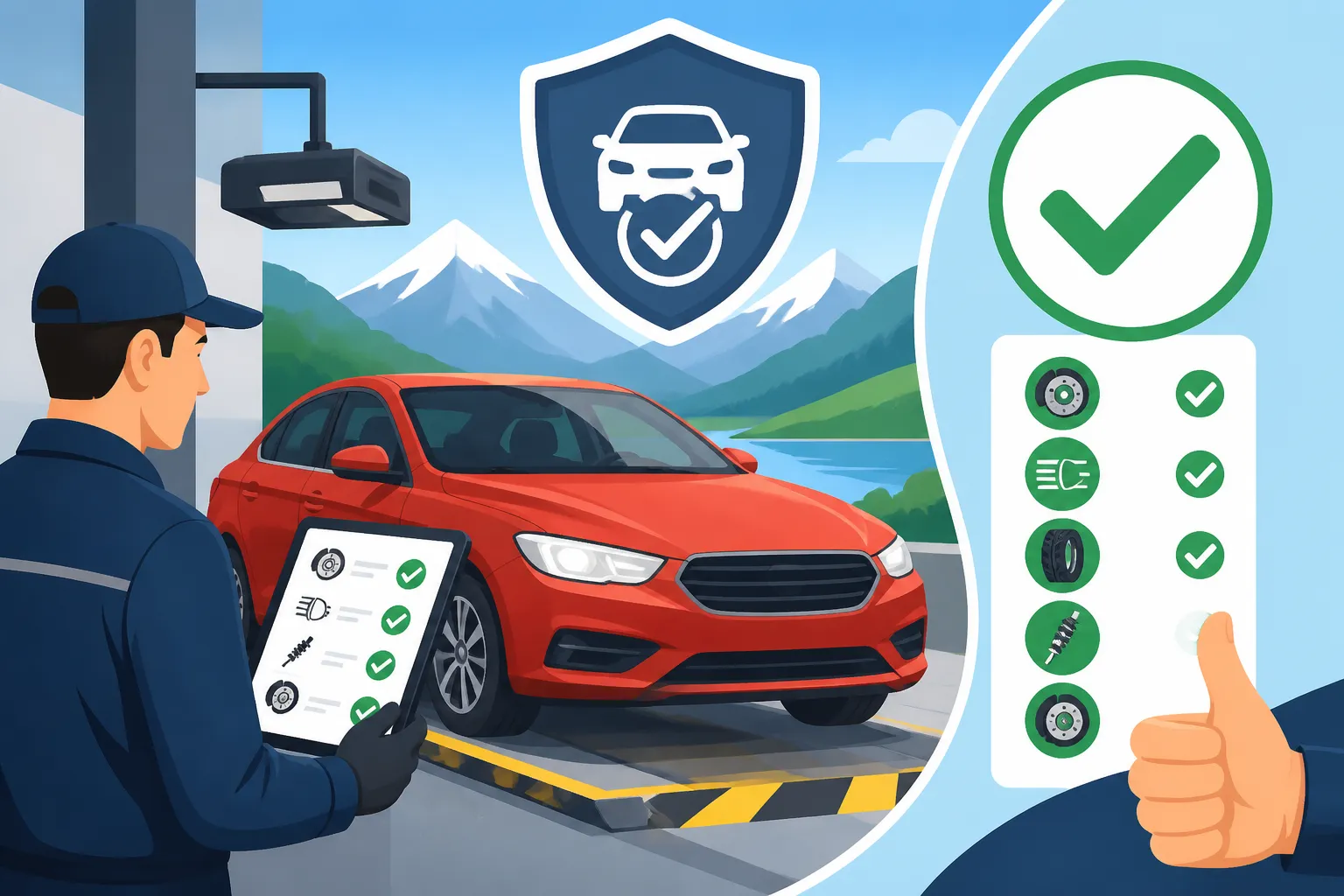
The Swiss Vehicle Inspection (MFK): What to Expect and How to Pass
One of the many unique quirks of settling into life in Switzerland is the sheer number of administrative hoops you'll find yourself jumping through, and vehicle ownership is certainly no exception. Just when you think you've figured out the car insurance, the cantonal taxes, and the rules of the road, along comes the MFK – the dreaded Motorfahrzeugkontrolle. It can feel like an opaque, bureaucratic process designed to catch you out, but trust me, with a little preparation and understanding, it's totally manageable. This guide will walk you through exactly what to expect from your Swiss vehicle inspection and how to ensure your car passes with flying colors.
Demystifying the MFK: What it is and Why it Matters
The Motorfahrzeugkontrolle, often simply called MFK, is Switzerland's mandatory periodic vehicle inspection. Think of it as the MOT in the UK, the TÜV in Germany, or a rigorous safety and emissions check rolled into one. Its primary purpose is to ensure that all vehicles on Swiss roads meet the stringent safety, environmental, and technical standards set by the Federal Roads Office (ASTRA). Switzerland is known for its impeccably maintained infrastructure and a very low tolerance for anything that could compromise safety or the environment, and the MFK is a cornerstone of that philosophy.
This isn't just about making sure your brake lights work; it's a deep dive into the mechanical health of your vehicle. From the chassis and suspension to the exhaust system and tire wear, almost every component will be scrutinized. For new arrivals, it can feel like yet another daunting hurdle in a long list of Swiss procedures. The truth is, it's a crucial part of maintaining the high standards of road safety that Switzerland is famous for. While it might seem like a hassle, especially when you consider the appointment times and potential costs, it's ultimately there to protect everyone, including you and your family, from unsafe vehicles. Plus, passing it gives you a real sense of accomplishment, a true "welcome to Switzerland" moment!
When and Why Your Vehicle Will Face the MFK
The MFK isn't a one-time thing, nor is it on a fixed annual schedule like some other countries. Its timing depends on several factors, which can be a bit confusing if you're not used to the system. Understanding these triggers is key to avoiding penalties and unnecessary stress.
Initial MFK for New and Imported Vehicles
If you've just bought a brand-new car in Switzerland, you're usually off the hook for the first few years. New cars typically don't require an MFK until their fifth year of registration. This is a nice little reprieve, allowing you to enjoy your new ride without immediate inspection worries.
However, if you're an expat bringing your existing car with you when you move to Switzerland, the situation is entirely different. Your foreign-registered vehicle will absolutely require an MFK. This initial inspection is mandatory for all imported vehicles, whether they're new or used, and it needs to happen relatively soon after you've registered your vehicle with the cantonal road traffic office (Strassenverkehrsamt). This is often one of the first major headaches for new arrivals, as securing an MFK appointment can take time, and you'll want to get it done quickly to ensure your vehicle is fully compliant. If you're coordinating a move and plan to bring your car, remember this early MFK is a critical step, often scheduled once your vehicle's customs clearance is sorted.
Periodic MFK Based on Vehicle Age
Once your vehicle has passed its initial inspection, or if it's a Swiss-bought car past its first five years, it will enter a periodic inspection cycle. The standard cycle looks something like this:
- First Inspection: 5 years after the initial registration (for brand-new Swiss cars).
- Second Inspection: 3 years after the first inspection.
- Subsequent Inspections: Every 2 years thereafter.
So, a car that's 5 years old will get its first MFK, then its second at 8 years old, and then every two years (10, 12, 14 years old, and so on). The cantonal road traffic office will send you an official summons letter (Aufgebot) in the mail, usually a few months before your inspection is due. Do not ignore this letter! It will specify the date, time, and location for your MFK. If you miss it or need to reschedule, you must contact them immediately. Ignoring it can lead to fines and even the temporary revocation of your vehicle's registration. Remember, punctuality and administrative diligence are highly valued here, so keep an eye on your mailbox!
Special Cases: Modifications, Accidents, and Vehicle Ownership Changes
Beyond the standard schedule, there are other instances where an MFK might be required:
- Significant Modifications: If you make any substantial changes to your vehicle that alter its type approval, such as engine modifications, certain suspension changes, or even adding a tow bar that wasn't factory-fitted, you'll need an MFK to verify the changes comply with Swiss regulations. This is particularly true for aftermarket parts that don't come with a specific Swiss "Beiblatt" (supplementary document) confirming their legality.
- After a Major Accident: If your car is involved in a serious accident and requires extensive repairs, especially to structural components, the insurance company or the traffic office might demand a new MFK before it can be legally driven again. They want to ensure all repairs were performed correctly and safely.
- Change of Canton: While not always strictly necessary, in some cantons, if you move your vehicle registration from one canton to another, they might require a new MFK, especially if the last one was done many years ago. It’s always best to check with your new cantonal road traffic office during the vehicle registration process.
- Request by Authorities: On rare occasions, police or other authorities might request an MFK if they suspect your vehicle is unsafe or non-compliant, perhaps after an on-road check that raised concerns.
It's a lot to keep track of, but the cantonal offices are generally quite good at sending out the required notices. Just make sure your address is always up to date! For more general information on how to handle the administrative side of car ownership, you might want to read our guide on Buying a Car in Switzerland: Leasing, Autoscout24, and Mandatory Auto Insurance.
Preparing for the MFK: Key Checks and Common Pitfalls
Alright, so you’ve got your MFK appointment looming. Don’t just show up hoping for the best! A little proactive checking can save you a world of headache, frustration, and frankly, money. The MFK inspectors are meticulous, and they'll notice things you might never think of.
Exterior and Lighting Checks
This is often the easiest place to start. Go around your car, imagine you're a seasoned inspector, and scrutinize every detail:
- Lights: Check all lights – headlights (high and low beam), fog lights, turn signals, brake lights (including the third brake light), reverse lights, and license plate lights. Make sure they are all working, clean, and free of cracks. Even a tiny crack can lead to a fail.
- Tires: This is a big one in Switzerland. Check your tire tread depth – the legal minimum is 1.6mm, but it's advisable to have at least 3-4mm for a comfortable pass. Also, inspect for uneven wear, bulges, cracks, or embedded objects. Ensure all four tires are the same type (e.g., all summer or all winter) and have the correct speed and load ratings for your vehicle. For those new to Swiss winters, remember Winter Tires in Switzerland: Are They Legally Mandatory in 2027?.
- Windshield Wipers: Wipers must be in good condition and clear the windshield effectively. If they're streaking, replace them.
- Mirrors: Side mirrors and rearview mirror must be intact and properly secured.
- Bodywork: Any significant rust, sharp edges, or damage that could pose a safety hazard will result in a fail. Small dents or scratches are usually fine, but anything compromising structural integrity or safety is not.
- License Plates: Ensure your front and rear license plates are clean, securely attached, and clearly visible.
Under the Hood and Under the Car
While you might not be a mechanic, there are some basic checks you can do:
- Fluids: Check oil, brake fluid, coolant, and windshield washer fluid levels. They should be within the recommended range. While not directly an MFK fail point, proper fluid levels indicate a well-maintained vehicle.
- Horn: Give your horn a toot. It needs to work.
- Exhaust System: Look for any visible rust, holes, or loose connections. A leaky or excessively loud exhaust will fail the emissions part of the test.
- Brakes: While you can't inspect the internal components, you can feel for shuddering or unusual noises when braking, which might indicate issues. At the MFK, they'll put your car on a rolling road to test brake effectiveness.
- Suspension: Push down firmly on each corner of your car. If it bounces more than once or twice, your shock absorbers might be worn.
Interior and Safety Features
Don't forget the inside of your car!
- Seatbelts: Every seatbelt must be fully functional, retract properly, and not be frayed or damaged.
- Warning Lights: Make sure no persistent warning lights (engine, ABS, airbag, etc.) are illuminated on your dashboard. These are almost guaranteed fails.
- Safety Triangle and Vest: You are legally required to carry a warning triangle and a safety vest in your car. Make sure they are present and accessible.
- First-Aid Kit: While not always strictly checked, it's highly recommended to have a well-stocked first-aid kit.
- Steering: Check for excessive play in the steering wheel.
- Documentation: Have your Fahrzeugausweis (vehicle registration document) ready. This is critical.
What Often Trips People Up (Expats Especially!)
Based on my experience and hearing countless stories, here are some common MFK fails:
- Aftermarket Parts without Certification: Fancy new wheels, a spoiler, or a modified exhaust that doesn't have the correct Swiss-specific approval (e.g., a "Teilegutachten" or "Beiblatt") will be a problem. What's legal in Germany or France might not be here.
- Dirty Vehicles: Yes, really. While it's not an explicit pass/fail criterion for the mechanics, showing up with a filthy car, especially underneath, can give a bad impression and make inspectors scrutinize even more. Give it a good wash inside and out, including the wheel arches and undercarriage if possible.
- Incorrect License Plate Fastening: Plates should be securely mounted, not dangling or held on by tape.
- Rust on Brake Lines/Chassis: While a little surface rust is often okay, any significant corrosion that compromises structural integrity or safety components is a fail.
- Unusual Noises: Any strange sounds from the engine, transmission, or suspension during their quick test drive will immediately flag issues.
- Headlight Adjustment: Headlights must be properly aimed. If they're too high or too low, they can fail you. A quick visit to a garage beforehand for a check is a good idea.
Consider taking your car to a local garage (garage typically means a mechanic's workshop here, not just a parking spot) for a pre-MFK check. Many garages offer this service, and it's a worthwhile investment to avoid the stress and cost of a re-inspection. For tips on managing your overall car costs, don't forget to review Annual Car Costs in Switzerland: Insurance, Tax, and Servicing.
The MFK Appointment: What to Expect on the Day
The day of your MFK appointment can feel a bit like exam day, especially if it's your first time. Knowing the drill will definitely ease your nerves.
Arriving and Registration
You'll arrive at the cantonal road traffic office's inspection center. These are typically large facilities with multiple lanes and inspection bays. When you get there, follow the signs for "Anmeldung" or "Einfahrt Kontrolle." You’ll likely have to wait in a queue in your car, or you might be directed to park and register at a counter first.
When it's your turn for registration, you'll need your vehicle's Fahrzeugausweis (the small grey registration document) and possibly your driver's license. They'll confirm your appointment details and give you any final instructions before you drive into the inspection bay. Don’t be late; Swiss punctuality is non-negotiable, and if you miss your slot, you might face a long wait or need to reschedule entirely, incurring extra fees.
The Inspection Process
The inspection itself typically lasts between 20 to 45 minutes, depending on the canton and the complexity of your vehicle. You usually stay with your car, driving it from station to station as directed by the inspectors. Don't worry, they'll guide you through it, often with gestures or simple commands.
Here's a breakdown of what usually happens:
- Identity and Documents Check: The inspector will first verify your vehicle's identity against the Fahrzeugausweis, checking the chassis number and license plates. They'll also note down the mileage.
- Visual External Inspection: They'll walk around your car, checking all the lights, tires, bodywork, mirrors, and glass for damage or non-compliance. This is where those unapproved aftermarket parts or small cracks in lights will be flagged.
- Brake Test: You'll drive onto a rolling road, and the inspector will guide you through testing the service brakes and the handbrake. They're checking braking force, balance between the wheels, and overall effectiveness.
- Suspension and Undercarriage Inspection: Your car will be driven onto a lift or an inspection pit. The inspector will then go underneath, checking for rust, leaks, exhaust integrity, steering components, ball joints, wheel bearings, and shock absorbers. This is a thorough check.
- Emissions Test: While modern cars (since 1989) with catalytic converters often don't require a separate exhaust gas measurement if their service interval is properly maintained and indicated in the Fahrzeugausweis (Code 174), older cars or those with issues might still undergo a direct emissions test. If you have an OBD-II port, they might also plug in a diagnostic tool.
- Functionality Checks: This includes testing the horn, windshield wipers, and possibly the seatbelts. They'll also check your interior warning lights.
The inspectors are professional and often speak at least some English, especially in larger cantons or those with international communities. However, don't expect a lengthy conversation. They are efficient and focused. If you're unsure about a command, just ask "Entschuldigung, noch einmal?" (Excuse me, once more?) or "Was soll ich machen?" (What should I do?).
Failing the MFK: Next Steps and Costs
It's a moment of dread: the inspector hands you a slip of paper indicating your vehicle didn't pass. Take a deep breath. It happens, and it’s not the end of the world, though it can certainly feel like it in the moment.
Understanding the Deficiencies
The inspector will provide you with a report detailing all the deficiencies (Mängel) found. This report is crucial as it lists exactly what needs to be fixed. They will categorize the issues:
- Minor Defects (leichte Mängel): These are usually advisory and don't require an immediate re-inspection. You're expected to fix them, but you won't be called back specifically for them. For example, a slightly dirty headlight or a worn wiper blade might fall into this category.
- Significant Defects (erhebliche Mängel): These are the ones that require repair and a mandatory re-inspection. They directly impact safety or compliance. Examples include excessive rust on the chassis, brake system issues, severe tire wear, or non-functional lights.
- Dangerous Defects (gefährliche Mängel): In very rare but serious cases, if the vehicle is deemed immediately dangerous to road safety, its registration might be revoked on the spot, and you won't be allowed to drive it until repairs are certified.
Don't hesitate to ask for clarification on the report if you don't understand something. It's better to know exactly what needs fixing before you take it to a garage.
The Retest (Nachkontrolle)
If your vehicle fails due to significant deficiencies, you will be given a deadline, usually 30 days, to get the repairs done and present the car for a retest.
Here's how it works:
- Take Your Report to a Garage: Find a reputable local garage (mechanic). Many garages are very familiar with MFK requirements and can quickly diagnose and fix the specific issues listed on your report. Show them the full MFK report.
- Get the Repairs Done: They'll fix the identified problems. Make sure they understand that these repairs are specifically for an MFK retest.
- Schedule a Retest: Once the repairs are complete, you'll need to schedule a new appointment for the retest at the cantonal road traffic office. Sometimes, the garage itself can arrange for a "Vertrauenskontrolle" where their own mechanics certify the repairs, and in some cantons, this might even negate the need for a full re-inspection at the official MFK center for minor rechecks. However, for significant issues, you'll likely go back to the MFK center.
- The Retest Itself: The retest is usually quicker than the initial MFK because they often focus only on the previously failed points, though they reserve the right to re-inspect anything. Bring your original MFK report and documentation from the garage if they provided any.
Costs Involved
Failing an MFK adds to your car ownership costs. You’ll incur:
- Repair Costs: This can vary wildly depending on what needs fixing. Replacing worn tires, brake pads, or a rusty exhaust can quickly add up. This is where a pre-MFK check can save you money, as you can shop around for repairs or do minor fixes yourself beforehand.
- Retest Fee: There is a fee for the retest, which is typically lower than the initial MFK fee, but it's still an extra expense.
- Lost Time: Don't underestimate the time sink – taking your car to the garage, waiting for repairs, and then another trip to the MFK center.
The MFK can indeed be a bit of a pain, but it's a fundamental part of driving in Switzerland. By understanding the process, preparing thoroughly, and knowing what to do if things don't go to plan, you'll navigate this particular Swiss administrative hurdle like a seasoned pro. Keep your car well-maintained, and you'll generally find the MFK to be a straightforward affair. For further reading, check out our insights on Converting Your Foreign Driver's License to a Swiss Fahrausweis to ensure your driving credentials are also in order.
Disclaimer
Please note that this guide provides general information about the MFK process in Switzerland. Regulations and procedures can vary slightly between cantons and may change over time. Always consult the official website of your cantonal Strassenverkehrsamt (Road Traffic Office) or a trusted local garage for the most accurate and up-to-date information specific to your situation.