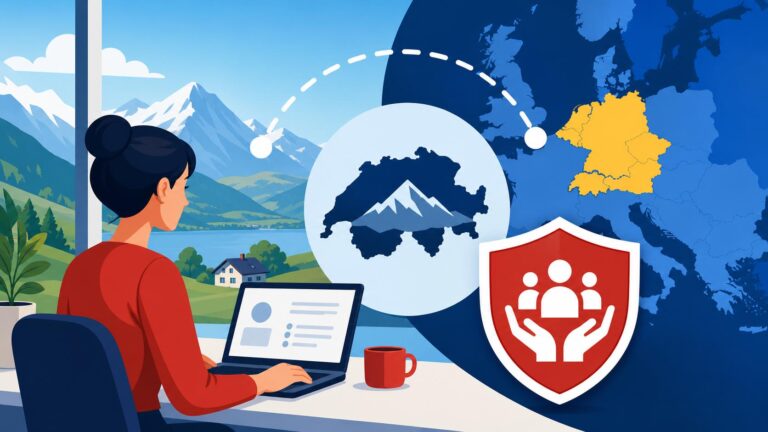
Part-Time Master’s Programs in Switzerland While Working Full-Time
For many expats, arriving in Switzerland means diving headfirst into a demanding career. Yet, a quiet ambition often simmers beneath the surface: the desire to further education, to gain a competitive edge, or simply to expand one's knowledge with a Master's degree. But balancing a full-time job with the rigorous demands of Swiss academia can feel like an impossible tightrope walk. This guide is here to untangle that complexity, offering a realistic, empathetic, and detailed look at pursuing a part-time Master's program in Switzerland while working a full-time schedule.
The Reality of Part-Time Master's in Switzerland for Full-Time Workers
Let's be honest, the idea of juggling a demanding Swiss work schedule with Master's level studies can sound utterly exhausting. You’re likely picturing late nights, missed social events, and a constant feeling of being stretched too thin. And while it is challenging, it's far from impossible. Switzerland, with its emphasis on lifelong learning and professional development, actually offers several pathways for those committed enough to pursue this dual track. The key is understanding the landscape and managing your expectations right from the start.
Is it Even Possible? Managing Expectations
The short answer is yes, absolutely, it's possible! However, it requires a significant commitment of time, energy, and mental fortitude. Swiss universities are renowned for their high academic standards, and this rigor applies equally to part-time programs. You won't find shortcuts or watered-down curricula just because you're balancing other responsibilities. Instead, many part-time Master's programs, especially Executive Master's (EMBA, MAS, DAS, CAS), are specifically designed with working professionals in mind. This often means classes held in condensed blocks (e.g., Friday afternoons and Saturdays, or intensive weeks), online modules, or flexible deadlines.
The workload itself won't necessarily be less than a full-time program; it's simply spread out over a longer period. A typical full-time Master's might take 1.5 to 2 years, while a part-time equivalent could stretch to 3, 4, or even 5 years. This extended timeline allows you to delve into your studies without completely sacrificing your career or personal life, though sacrifices will inevitably be made. Expect to dedicate evenings and weekends to readings, assignments, and group projects. You’ll become intimately familiar with your university library and quiet café corners! It’s not just about completing the degree; it's about absorbing the material and genuinely contributing to academic discussions, which requires proper engagement.
Finding Programs That Fit
Switzerland boasts a diverse range of higher education institutions, from traditional universities (like the ETHs and cantonal universities) to Universities of Applied Sciences (UAS/FH). When searching for a part-time Master's, your best bet is often with the latter, or within the Executive Education departments of larger universities. These are typically tailored for professionals and integrate practical experience into the academic curriculum.
Here’s a breakdown of what to look for:
- Executive Master's (EMBA, MAS, DAS, CAS): These programs are explicitly designed for individuals with several years of professional experience and who wish to continue working. They often carry higher tuition fees but offer unparalleled flexibility and networking opportunities. An Executive Master of Business Administration (EMBA) is a classic example. Other programs like a Master of Advanced Studies (MAS), Diploma of Advanced Studies (DAS), or Certificate of Advanced Studies (CAS) are modular and can sometimes be built up towards a full MAS degree. These are particularly common in fields like management, IT, engineering, health, and finance.
- Traditional Master's with Part-Time Options: Some traditional universities offer their standard Master's programs in a part-time format. This usually means a reduced course load per semester, extending the duration of study. For instance, a program that would take two years full-time might take three or four years part-time. These options might require more self-discipline to manage schedules compared to structured Executive programs but can be more budget-friendly in terms of tuition.
- Online or Blended Learning Programs: The rise of digital education has made part-time study even more accessible. Many institutions now offer fully online Master's degrees or blended formats that combine online learning with occasional on-campus attendance. These can be ideal for expats living in more remote areas or those with demanding travel schedules for work.
When you're sifting through options, carefully examine the program structure, contact hours, and assignment deadlines. Don't be shy about reaching out to the admissions office to ask specific questions about flexibility for working students. They often have experience with expats in similar situations and can provide valuable insights. For example, some universities are more accommodating with work-related travel than others.
Navigating the Application Process and University Life
Once you've identified a few potential programs, the real work begins: the application and then, of course, integrating studies into your already busy life. The Swiss academic system is thorough, and you'll want to ensure your application stands out, not just academically but also by demonstrating your commitment to balancing multiple responsibilities.
Admission Requirements and Timelines
The specific admission requirements for a part-time Master's will vary significantly depending on the institution and the program type. However, some commonalities exist:
- Bachelor's Degree: Naturally, a relevant Bachelor's degree from a recognized university is almost always a prerequisite. For Executive Master's programs, the field of your Bachelor's might be less rigid if you have substantial, relevant work experience.
- Professional Experience: This is where working students often have an advantage. Executive Master's programs, in particular, often require several years of relevant work experience (typically 3-5 years or more) and often a leadership component. This practical background is highly valued as it enriches classroom discussions.
- Language Proficiency: Even if the program is taught entirely in English, you'll need to demonstrate proficiency, usually through IELTS or TOEFL scores. For programs taught in German, French, or Italian, you'll need the appropriate language certificates (e.g., Goethe-Zertifikat for German, DELF/DALF for French). However, many Master's programs in Switzerland are now offered fully in English, especially at the ETHs and some Universities of Applied Sciences. This can significantly ease the burden for expats who aren't yet fluent in a local language. You might find resources to boost your language skills, such as with platforms like iTalki, which offers online tutors for various languages.
- Motivation Letter and CV: Your motivation letter is crucial. This is your opportunity to explain why you want to pursue this particular Master's while working full-time, how it aligns with your career goals, and critically, how you plan to manage the demanding schedule. Show that you've thought this through. Your CV should clearly highlight your professional experience and academic background.
- References: Academic or professional references are often required, so choose individuals who can speak to your capabilities and dedication.
- Interviews or Assessments: Some competitive programs might include an interview or a brief assessment to gauge your suitability and commitment.
Application deadlines can vary, but generally fall several months before the start of the semester (e.g., March-April for a September start, or October-November for a February start). Give yourself ample time to gather all documents, including official transcripts and potentially certified translations. You may also need to consider if your current residence permit allows for additional study. For those on a B Permit, this is usually fine, but it’s always wise to check the specifics with your cantonal migration office, especially if your job requires a specific type of permit.
The Double Life: Balancing Work and Study Demands
This is perhaps the most challenging aspect. Successfully completing a part-time Master's while working full-time is less about intelligence and more about exceptional time management and discipline.
- Employer Communication is Key: Be transparent with your employer from the outset. Discuss your academic ambitions and how they might impact your work schedule, even minimally. Some employers might even offer partial sponsorship or flexible working arrangements as an investment in your development. Having their support will make your journey significantly smoother. It’s important to understand your rights regarding leave and working hours, as laid out in your Swiss Work Contracts and Labor Law: Notice Periods, Leave, and Rights.
- Create a Rigorous Schedule: Block out dedicated study time in your calendar and treat it like an unmissable appointment. This might mean getting up an hour earlier, dedicating several evenings, or carving out significant chunks of your weekend. Consistency is more important than sporadic cramming.
- Prioritize Ruthlessly: You will not be able to do everything. Identify what's truly important in your work, studies, and personal life, and learn to say no to non-essential commitments. This might mean fewer social outings, less elaborate meals, or delaying certain hobbies for a few years.
- Leverage Online Tools and Resources: Utilize productivity apps, calendar reminders, and cloud-based collaboration tools. Many universities also offer extensive online learning platforms with lectures, readings, and discussion forums, which can be accessed at your convenience.
- Seek Support: Don't go it alone. Connect with fellow students in your program – they are likely facing similar challenges, and mutual support can be invaluable. Lean on your partner, family, or friends for understanding and encouragement. Building a strong support system is vital for your mental well-being throughout this intense period.
- Self-Care is Non-Negotiable: Burnout is a real risk. Schedule regular breaks, get enough sleep (even if it means sacrificing an hour of study sometimes), eat well, and maintain some form of physical activity. Even a short walk or a quiet hour with a book can recharge your batteries. Remember, this is a marathon, not a sprint.
Financial Considerations and Support
Switzerland is famously expensive, and while tuition fees at public universities can be surprisingly reasonable for residents compared to other countries, the overall cost of living is high. Understanding the financial implications is critical to avoid undue stress.
Tuition Fees and Hidden Costs
The cost of a part-time Master's in Switzerland can vary wildly.
- Public Universities (Cantonal & ETHs): Tuition fees for standard Master's programs at public universities are generally quite low, often ranging from CHF 500 to CHF 1,000 per semester. However, part-time versions might incur slightly higher administrative fees or simply extend the number of semesters you pay tuition.
- Universities of Applied Sciences (UAS/FH): Fees here can be a bit higher than traditional universities but are still often reasonable, perhaps CHF 800-2,000 per semester for basic Master's.
- Executive Master's Programs: This is where costs significantly increase. Executive programs are designed for professionals and often come with a hefty price tag, ranging anywhere from CHF 20,000 to CHF 80,000 or even more for an EMBA. These fees usually cover all course materials, and sometimes even international modules or accommodation for intensive weeks.
Beyond tuition, remember the "hidden" costs:
- Application Fees: Many universities charge a non-refundable application fee.
- Semester Fees: These include contributions to student services, sports facilities, and public transport passes in some cantons.
- Learning Materials: Textbooks, software, and other resources. While libraries are excellent, some personal purchases might be necessary.
- Travel Costs: Commuting to campus, especially if you live far from your university. The Half-Fare Travelcard (Halbtax): The Must-Have Pass for Swiss Residents can significantly reduce these expenses.
- Time Cost: The most significant "hidden" cost is your time. Fewer hours available for side hustles or simply leisure can have an indirect financial impact.
- Cost of Living: This is the elephant in the room. Rent, groceries, health insurance, and leisure activities in Switzerland are among the highest globally. While your full-time salary covers this, reducing your free time means you need to be savvy with your budgeting. Familiarize yourself with the Cost of Living in Switzerland 2026: Budgeting for Singles and Families to manage your finances effectively.
Employer Support and Tax Deductions
Many Swiss companies value continuous education and professional development. It's worth exploring if your employer offers any form of support:
- Financial Sponsorship: Some companies might cover a portion or even all of your tuition fees, especially if the Master's program is directly relevant to your role and career progression within the company. This often comes with an agreement to stay with the company for a certain period after graduation.
- Flexible Working Hours/Study Leave: Even if full sponsorship isn't an option, your employer might be willing to offer flexible working hours, allow you to accumulate extra vacation days for study blocks, or provide a certain number of paid study leave days per year.
- Mentorship: Your employer might assign a mentor to support you through your studies, especially if it relates to a company project or strategic goal.
Remember, this isn't just a benefit for you; it's an investment for your employer in an upskilled, more valuable employee. Frame your request in terms of mutual benefit.
Regarding taxes, this is where things get interesting. In Switzerland, educational expenses can often be deducted from your taxable income under certain conditions. This is a crucial area where professional advice, perhaps from services like Taxes for Expats, can be highly beneficial. Generally, professional development and continuing education costs are deductible if they are related to your current profession or help you maintain your professional knowledge and skills. This often includes tuition fees, examination fees, and even some travel and material costs. The exact rules can vary by canton, so keeping meticulous records of all your expenses is vital. Understanding Swiss Taxes Explained: Federal, Cantonal, and Municipal Rates is essential for optimizing your deductions.
Language, Networking, and Future Prospects
Embarking on a part-time Master's is not just about gaining a piece of paper; it's an immersive experience that broadens your horizons, connects you with new people, and ultimately, reshapes your career trajectory in Switzerland.
Language Proficiency and Study Resources
Even with a Master's program taught entirely in English, navigating daily life, networking, and eventually leveraging your degree in the broader Swiss job market will often benefit from local language skills. Switzerland's linguistic diversity means you'll encounter German, French, or Italian depending on your canton.
- Program Language: Many Master's programs, especially at the ETHs and private institutions, are offered entirely in English. This is a huge advantage for expats who may not yet be fluent in a local language. However, some excellent programs might still be predominantly in one of the official Swiss languages. Always check the language of instruction very carefully.
- Daily Life vs. Academic: While your academic work might be in English, daily interactions, administrative tasks, and social situations will often require a grasp of the local language. This is where you can proactively improve your skills.
- Language Learning Resources: Many universities offer free or subsidized language courses for their students. Beyond that, consider platforms like iTalki, where you can find online tutors for personalized lessons in German, French, or Italian. Even practicing conversational skills for 30 minutes a few times a week can make a significant difference. Engage with your local community, join a Verein (club), or simply try speaking the local language when shopping – every little bit helps. Understanding Language Skills for the Workplace: German, French, and English Demands can also guide your language learning strategy.
Leveraging Your Part-Time Master's for Career Advancement
A part-time Master's in Switzerland, particularly an Executive Master's, is a powerful career accelerator. It demonstrates several highly valued attributes to potential employers:
- Commitment and Discipline: Successfully completing a demanding program while working full-time showcases exceptional dedication, time management, and resilience – qualities highly sought after in the Swiss workplace.
- Specialized Knowledge: The in-depth knowledge and advanced skills acquired during your Master's will make you a more competitive candidate in your chosen field. This can lead to promotions, new responsibilities, or even a career pivot.
- Expanded Network: Executive Master's programs, in particular, are fantastic for networking. You'll be studying alongside other experienced professionals from various industries, creating invaluable connections that can open doors to future collaborations or job opportunities. Swiss professional networks are incredibly important, and these programs are a structured way to build one.
- Increased Earning Potential: While not always immediate, a Master's degree generally correlates with higher earning potential over the long term, especially in Switzerland's high-value job market. This enhanced qualification can justify higher salary expectations, as detailed in guides like Salary and Compensation: Navigating Swiss Pay, Bonuses, and Deductions.
- Cultural Integration and Understanding: Engaging with the Swiss academic system, interacting with local students and faculty, and studying topics relevant to the Swiss context can deepen your understanding of the country's business culture and societal norms, aiding your Cultural Integration in Switzerland: Understanding Swiss Identity and Values.
The investment you make in a part-time Master's is substantial, both in terms of time and money. However, for many expats, the long-term benefits of enhanced career prospects, a stronger professional network, and deeper intellectual engagement make it an incredibly worthwhile endeavor in the Swiss context. It's a testament to your ambition and commitment to thriving in your adopted home.
Comparing Master's Program Structures
To give you a clearer picture, here's a general comparison between typical full-time and part-time Master's structures in Switzerland:
| Feature | Typical Full-Time Master's Program | Typical Part-Time Master's Program (including Executive MAS/EMBA) |
|---|---|---|
| Duration | 1.5 to 2 years | 3 to 5 years (or longer for modular programs) |
| Course Load per Semester | High, often 30 ECTS credits, demanding daily attendance | Reduced, typically 10-20 ECTS credits, allowing for work-life balance |
| Schedule | Regular weekday classes, workshops, labs | Evening classes, weekend blocks (Friday/Saturday), intensive weeks, online modules |
| Target Audience | Recent Bachelor's graduates, those focusing solely on academics | Working professionals with 3+ years of experience, aiming for career advancement |
| Tuition Fees | Generally lower (CHF 500-1,000 per semester at public universities) | Can be significantly higher for Executive programs (CHF 20,000 – 80,000+) |
| Professional Experience | Not typically required for admission | Often a key admission requirement (3-5+ years) |
| Networking | Primarily with fellow students, academic staff | With experienced professionals from diverse industries, often senior roles |
| Flexibility | Less flexible, adherence to rigid academic calendar | Designed for flexibility around work, often with blended learning options |
| Funding | More reliant on personal savings, scholarships, student jobs | Often self-funded or employer-sponsored, potential tax deductions |
Disclaimer
The information provided in this guide is for general informational purposes only and does not constitute legal, financial, or immigration advice. While we strive to keep the information accurate and up-to-date, regulations regarding education, employment, and taxation in Switzerland can change frequently and vary by canton. Always consult with official university admissions offices, legal professionals, tax advisors, and relevant cantonal authorities for advice specific to your personal situation.