Decoding Swiss Apartment Ads: What 2.5, 3.5, and 4.5 Rooms Actually Mean
Walking into a Swiss apartment viewing only to realize that "3.5 rooms" does not actually mean three bedrooms is a rite of passage for every expat. I remember standing in a beautiful flat in Enge, scratching my head and wondering where the third bedroom went, only to be told the living room was "Room Number One." This guide settles the confusion for good.
The Core Logic of Swiss Room Counting
When you start browsing portals like Homegate or searching through HousingAnywhere, the numbers can feel like a riddle. Unlike the US or the UK, where we categorize homes by the number of bedrooms, the Swiss system counts every "habitable room" except for the kitchen and bathrooms. Understanding this fundamental shift in perspective is the first step toward finding a home that actually fits your furniture and your life.
What Qualifies as a Room
In the Swiss German cantons, a "room" is generally defined as any space intended for living or sleeping that is at least 10 to 12 square meters and has a window. This includes your living room, your bedrooms, and even a formal dining room if it is a separate, enclosed space. If you see an ad for a 3-room apartment, you are looking at a living room and two bedrooms. The kitchen, no matter how large, is never counted as a full room in this specific tally.
It is important to look closely at the floor plan to see if a "room" is truly functional. Sometimes, older "Altbau" buildings have rooms that are technically habitable but oddly shaped. You might find a room that is very long and narrow, making it difficult to place a double bed. Always verify the square footage of each individual room, as the total living space (Wohnfläche) can be deceiving if most of it is swallowed up by a massive hallway or an oversized bathroom.
The Mystery of the Half Room
The ".5" in a 2.5, 3.5, or 4.5 listing is where most expats get tripped up. Historically, the half-room referred to a small, separate dining area or a very large entrance hall that could function as a workspace. However, in modern construction, the ".5" almost always refers to an open-plan kitchen and dining area that is integrated into the living room. It represents the "extra" space that isn't quite a closed-off room but provides enough square footage for a dining table.
If you are looking at a 2.5-room apartment, expect one closed bedroom, one bathroom, and a large open space that contains both your living area and your kitchen. If the kitchen is completely separate and enclosed with its own door, the apartment might just be listed as a 2-room flat, even if the kitchen is large enough to eat in. The nuance often depends on the canton and the specific era of the building. For more on these physical distinctions, you might want to read about Altbau vs Neubau: Pros and Cons of Historic Swiss Apartments to understand how room sizes vary by age.
What Isn't Counted in the Number
It is a common misconception that bathrooms, balconies, or corridors contribute to the room count. They do not. A 3.5-room apartment could have one bathroom or three; the room count remains the same. Similarly, a massive balcony that wraps around the entire building does not add a ".5" to the listing. Storage rooms (Reduit) inside the apartment are also excluded from the count, though they are highly prized by expats who need a place to hide their suitcases and ski gear.
When you are calculating your needs, remember that the "hallway" in Swiss apartments is often more than just a passage. It is frequently used for wardrobes (Garderobe) because Swiss bedrooms are often smaller than what you might be used to in North America. If the apartment includes a cellar (Keller) or an attic space (Estrich), these are usually mentioned separately in the description and are vital for long-term living, but they will never be part of that 2.5 or 3.5 figure.
Practical Layout Scenarios for Expats
Choosing the right room count is a balancing act between your budget and your sanity. Because Swiss rent is high, many newcomers try to squeeze into the smallest possible space, only to realize six months later that they have no room for a home office. Let's break down what these layouts actually look like in practice so you can plan your Renting in Switzerland: The Complete 2027 Guide for Expats strategy effectively.
The 2.5 Room Flat for Singles and Couples
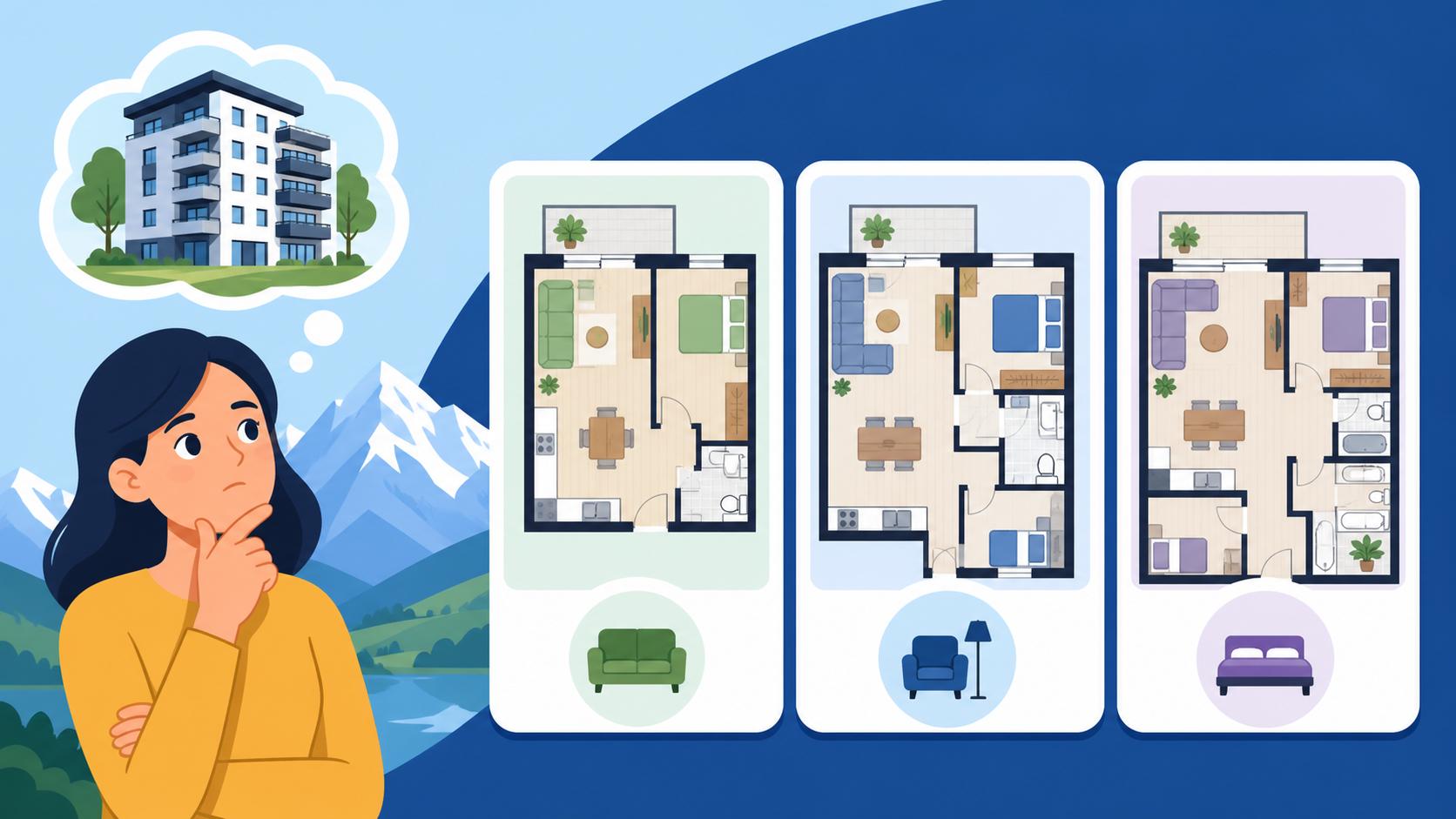
The 2.5-room apartment is the gold standard for young professionals or couples moving to a city like Zurich or Geneva. You get one dedicated bedroom where you can actually close the door on your unmade bed, and a living area that feels spacious because of the open kitchen. It is a massive step up from a studio (1.5 rooms), where your bed is essentially in your kitchen.
For a couple, a 2.5-room flat is cozy but manageable. However, if both of you work from home, the 2.5-room layout becomes a challenge. One person usually ends up taking Zoom calls from the dining table while the other is relegated to the bedroom. If you value a "clean" separation between work and life, you might find yourself quickly outgrowing this setup. To ensure you stay connected while hunting for these flats, having a reliable data plan like Airalo is essential so you can check maps and floor plans on the go.
The 3.5 Room Flat for Home Offices
The 3.5-room apartment is arguably the most popular choice for expats. It provides a living room, a primary bedroom, and a second smaller room. This second room is the "flex" space that makes Swiss life sustainable. It can be a guest room, a nursery, or—most commonly—a dedicated home office. Given the high cost of space, a 3.5-room flat in a good location is often the "sweet spot" for those with a mid-range salary.
When viewing a 3.5-room place, pay attention to the "half" part. In newer buildings, the living/dining area is often very large, allowing you to have a full dining setup without encroaching on your sofa space. In older buildings, a 3.5 might feel tighter if the rooms are segmented. If you are specifically looking in the German-speaking part, you can find more details on Does a 3.5 Room Apartment Include a Kitchen? Swiss Room Counting to see how different landlords interpret the space.
The 4.5 Room Flat and Shared Living
If you have children or if you are planning on a "WG" (Wohngemeinschaft) or shared apartment, the 4.5-room flat is your baseline. This gives you three separate bedrooms and one communal living space. These are significantly harder to find in city centers and often come with a steep price jump. For families, the 4.5-room layout is usually the minimum requirement to ensure everyone has their own "retreat" space.
Shared living is very common in Switzerland, even among professionals. A 4.5-room apartment shared between three people allows each person to have their own room while sharing the living room and kitchen. However, be aware that many Swiss landlords are wary of "WGs" and may prefer a single family or a couple. If you are moving with a family, you will also need to consider Applying for a Flat: The Bewerbungsmappe (Application Dossier) Essentials to prove you are the "ideal" stable tenant for these larger, high-demand properties.
Comparison of Standard Swiss Apartment Layouts
To help you visualize what you’re paying for, here is a breakdown of the typical room configurations you will encounter on the market.
| Room Count | Typical Bedroom Count | Ideal Occupancy | Average Sq. Meters (City) |
|---|---|---|---|
| 1.0 | 0 (Studio) | 1 Person | 25 – 35 |
| 1.5 | 0 (Alcove/Large Studio) | 1 Person | 35 – 45 |
| 2.5 | 1 Bedroom | 1-2 People | 50 – 65 |
| 3.5 | 2 Bedrooms | 2 People / Small Family | 75 – 95 |
| 4.5 | 3 Bedrooms | Families / Flatshares | 100 – 120 |
| 5.5+ | 4+ Bedrooms | Large Families | 130+ |
Navigating the Search and Application Process
Once you understand the numbers, the real work begins. The Swiss rental market is notoriously competitive, with some viewings attracting over 100 applicants for a single 3.5-room flat. You need to be fast, organized, and perhaps a little bit lucky. Using platforms like HousingAnywhere can be a lifesaver for expats because they often allow for online bookings, which bypasses the grueling "open house" circuit where you compete with 50 locals.
Where to Look for Listings
The big players in the market are Homegate and ImmoScout24, but savvy expats often use Flatfox, which has a more modern interface and allows you to chat directly with current tenants or landlords. If you are moving to the largest city, I highly recommend checking out Finding an Apartment in Zurich: Relocation Agents vs Flatfox vs Homegate for a deeper dive into the local nuances of that aggressive market.
Don't forget to look at smaller, local "Genossenschaften" (cooperatives) if you are planning to stay long-term. While they have long waiting lists and often require a significant financial "share" purchase, the rents are much lower than the market rate. For those just arriving, sticking to the major portals or serviced apartment providers is usually the most realistic path to getting a roof over your head within the first 30 days.
The Application Dossier
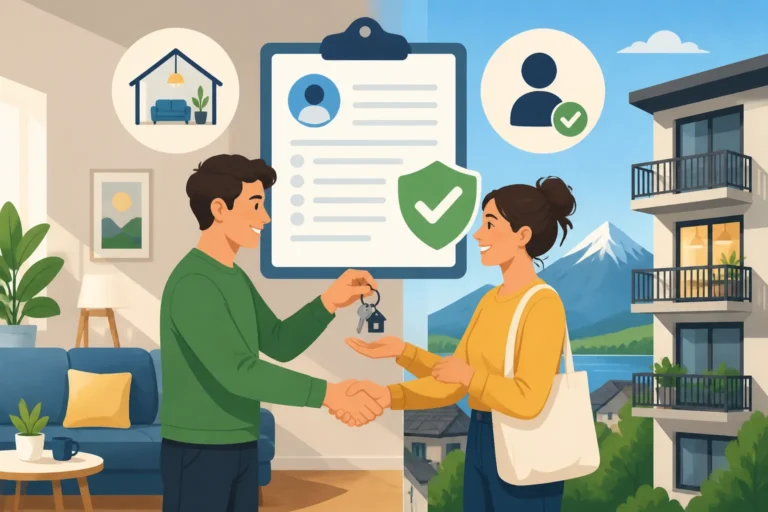
In Switzerland, you don't just "rent" an apartment; you apply for it as if you were applying for a high-level job. Your "Bewerbungsmappe" must be flawless. This includes a copy of your residence permit, your last three payslips, and—crucially—the "Betreibungsauszug" (Debt Register Extract). Without this piece of paper showing you have no unpaid debts in Switzerland, your application will likely be tossed in the bin immediately.
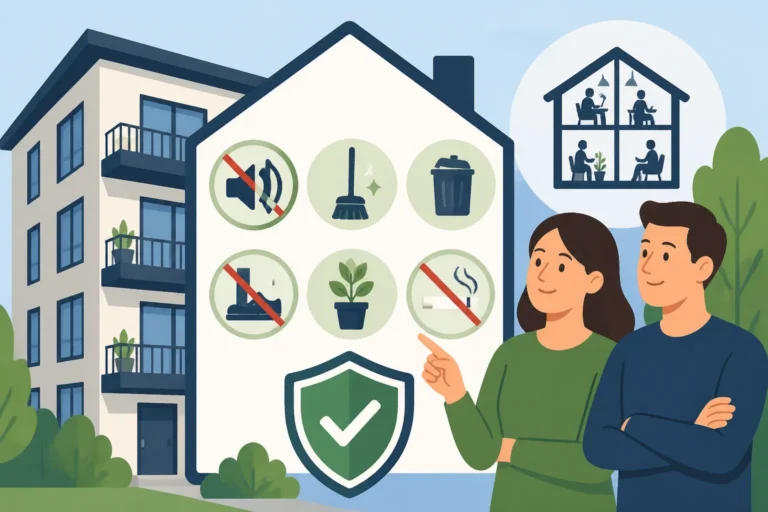
I always suggest adding a personal touch. A brief cover letter explaining why you love the neighborhood and a nice photo of your family (or yourself) can humanize your application. Landlords want to know you will be a quiet, clean, and reliable neighbor who follows the Quiet Hours (Ruhezeiten): Sunday Rules for Laundry, Mowing, and Noise guidelines. If you can prove you are a low-risk tenant, you have a much better shot at that coveted 3.5-room flat.
Hidden Costs and Administrative Quirks
The price you see in the headline of a Swiss apartment ad is rarely the price you actually pay. You need to look for two numbers: the "Netto" rent and the "Brutto" rent. The difference between the two can be hundreds of francs, and it’s a trap that catches many expats off guard during their first month.
Understanding Nebenkosten
The "Nebenkosten" are the ancillary costs for things like heating, hot water, and the maintenance of communal areas (like stairwell cleaning). These are usually paid "Akonto," which means you pay a fixed monthly estimate, and at the end of the year, the landlord calculates the actual usage. If you spent the winter with the radiators on blast, you might receive a bill for an extra 500 CHF in the spring.
You can read more about how this works in our guide on Nebenkosten (Ancillary Costs): Heating, Water, and Annual Adjustments. It is also worth noting that electricity and internet are almost never included in these costs. You will need to set those up separately once you move in. While waiting for your home fiber connection to be activated, using an Airalo eSIM can keep your devices online without racking up roaming charges.
The Famous Swiss Laundry Room
One of the most unique (and often frustrating) aspects of Swiss apartment living is the shared laundry room (Waschkueche). Unless you are renting a very modern or high-end apartment (usually 4.5 rooms and up), you will likely not have a washing machine in your unit. Instead, you will have a designated "wash day" once every week or two.
This system is governed by strict, unwritten social rules. You are expected to clean the lint filter, mop the floor, and be finished exactly on time for the next neighbor. I’ve seen more neighborly disputes over laundry schedules than almost anything else in Switzerland. If having your own machine is a deal-breaker, look for listings that explicitly state "eigene Waschmaschine" or "Waschturm in der Wohnung." If you're missing home comforts or need specific organizers for a shared space, Amazon Germany often has a wider selection of laundry accessories that can be shipped directly to your Swiss address.
Connectivity and Logistics for New Tenants
Once you have secured your 2.5 or 3.5-room sanctuary, the logistical dance begins. You need to register your move, set up your utilities, and ensure you can actually function in your new space. The first two weeks are usually a blur of IKEA trips and administrative appointments at the local "Kreisbuero" or "Gemeinde."
Setting Up Internet and Mobile
Don't wait until moving day to think about your internet. Fiber installation in Switzerland can take anywhere from a few days to three weeks. Companies like Swisscom, Sunrise, and Salt are the main providers. For your mobile needs, you should check out Swiss Mobile Plans: Best Subscriptions and Prepaid eSIMs for Expats to find a plan that won't drain your bank account.
In the interim, connectivity is king. I always tell new arrivals to keep an Airalo eSIM active on their phone. It allows you to coordinate furniture deliveries, look up how to assemble that complicated wardrobe, and stay in touch with your family without needing a local Swiss ID on day one. Once you have your residency permit, you can transition to a permanent local contract.
Furnishing Your Apartment
Swiss apartments are almost always rented completely unfurnished. This means no light fixtures (just wires hanging from the ceiling), no curtains, and certainly no wardrobes. You are essentially renting a white box with a kitchen and a bathroom. This can be an expensive shock.
While IKEA is the go-to for most, the quality and variety on Amazon Germany can be a better fit for those looking for specific "Smart Home" gadgets or kitchen appliances that aren't readily available in local shops like Interdiscount. Just be mindful of the customs duties when ordering from abroad; generally, orders under 65 CHF (including shipping) are exempt from VAT, but for larger furniture items, it’s often easier to buy locally or through specialized Swiss online shops like Galaxus.
Final Tips for a Successful Search
As you dive into the listings, keep your eyes open for the small details that make a big difference in Swiss quality of life. The "room count" is just the beginning; the layout and the building's amenities will determine your long-term happiness.
Evaluating the Floor Plan
A "3-room" apartment of 80 square meters can feel much smaller than a "2.5-room" apartment of 70 square meters if the layout is poor. Look for "durchgehend" (walk-through) layouts that have windows on both sides of the building, providing better light and airflow. Check for the presence of a "Kellerabteil" (cellar compartment)—you will need it for your winter tires and recycling bins.
Speaking of recycling, make sure you understand the local rules before you move in. Every canton has its own system, often involving pre-paid garbage bags. You can get ahead of the game by reading about Swiss Recycling Rules: Cantonal Paid Garbage Bags (Züri-Sack, Bebbi-Sagg) so you don't accidentally incur a fine from the "garbage police" in your first week.
The Importance of the Handover
Finally, once you've found the perfect 3.5-room flat and your application is accepted, pay extreme attention to the Swiss Apartment Handovers (Wohnungsübergabe): Protocols and Deposits. The Swiss are meticulous about the state of an apartment. Any scratch on the floor or chip in the paint that isn't documented when you move in will be charged to your deposit when you move out.
Take hundreds of photos during the handover. Test every light switch, open every cupboard, and check the oven for cleanliness. If you are moving into a high-end place, it might even be worth hiring a professional from the "Mieterverband" (Tenants' Association) to accompany you. They know exactly what to look for and can ensure that the "room count" you fell in love with doesn't come with a hidden "damage bill" years down the line.
Disclaimer
The information provided in this guide is for informational purposes only and does not constitute legal or professional advice. Rental laws and room-counting standards can vary significantly between Swiss cantons and are subject to change. Always consult with a qualified local real estate expert or the Swiss Tenants' Association (ASLOCA/Mieterverband) before signing any lease agreements.