Visiting Swiss Christmas Markets: Best Dates and Cities
When the crisp winter air starts to bite and the first hints of snow dust the mountaintops, there's one thing every expat and visitor in Switzerland absolutely must experience: the enchanting Christmas markets. If you’ve ever felt overwhelmed trying to figure out which market to visit, when they even happen, or how to navigate the festive chaos, you’re in the right place. This guide is your warm mug of Glühwein, helping you cut through the noise to discover the best Swiss Christmas markets, their key dates, and how to enjoy them to the fullest.
The Magic of Swiss Christmas Markets: More Than Just Glühwein
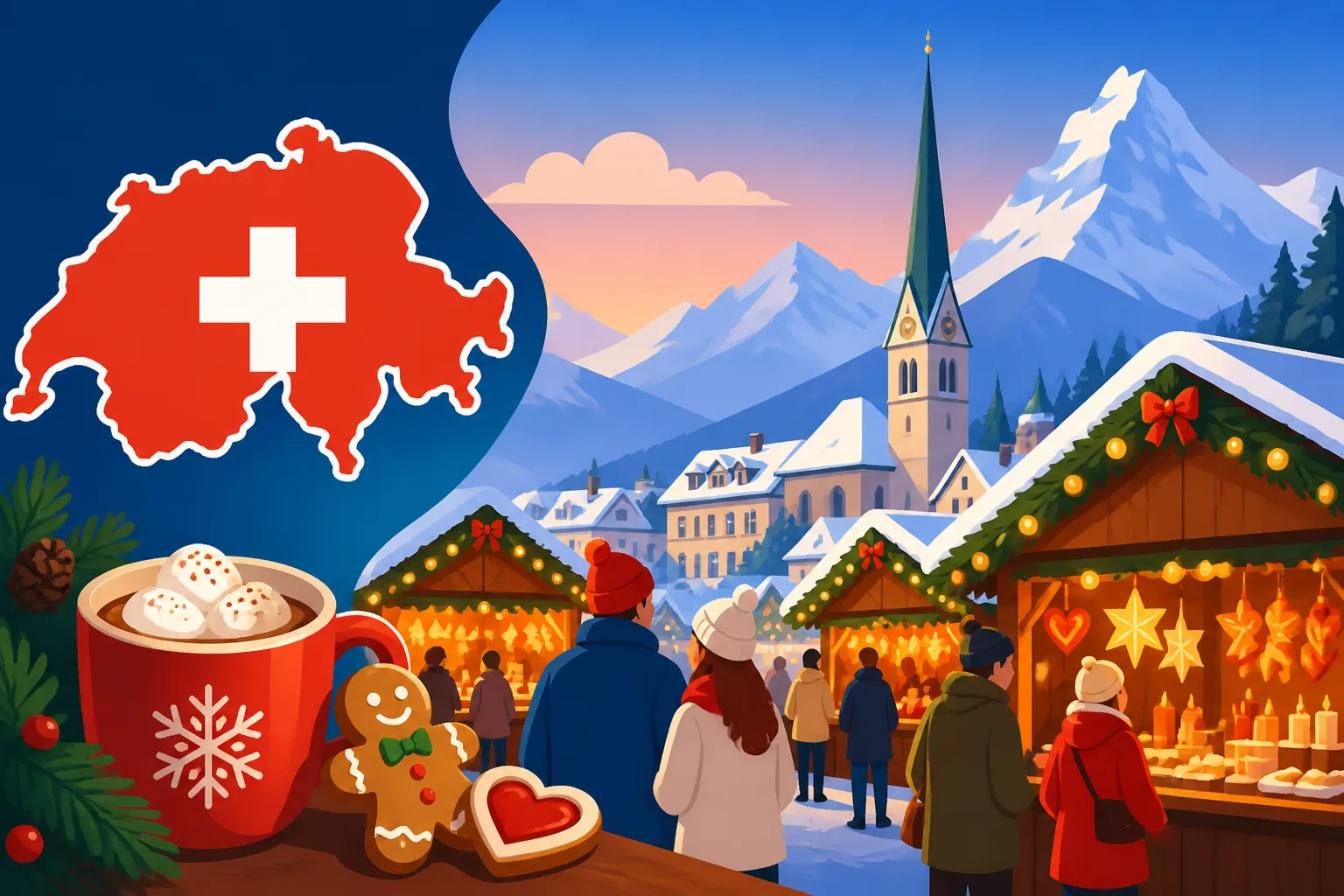
Let me tell you, there's something truly special about the Swiss approach to Christmas markets. It's not just about buying gifts or sipping mulled wine, though those are certainly delightful parts of it! Here, the markets are an immersion into a cozy, almost fairy-tale atmosphere, deeply rooted in tradition and community. You'll find yourself wandering through historic old towns, with centuries-old buildings serving as a stunning backdrop to thousands of twinkling lights, often accompanied by the sound of carol singers or local musicians.
It’s easy to feel a bit lost in a new country, especially when everyone is gearing up for holidays with customs you might not be familiar with. But the Christmas markets are a beautiful entry point. They’re where Swiss families gather, where friends meet for an after-work Apéro, and where even the most stoic Swiss often crack a smile. The smell of roasted chestnuts (Maroni), spiced gingerbread (Lebkuchen), and, yes, that ubiquitous Glühwein fills the air, creating an olfactory symphony that instantly transports you. Unlike some larger, more commercialized markets in neighboring countries, many Swiss markets retain a focus on local artisans, traditional crafts, and regional delicacies. You're not just buying a trinket; you're buying a piece of Swiss craftsmanship or a taste of authentic local flavor. This personal touch makes all the difference and is why I always recommend diving headfirst into this experience. It's a fantastic way to experience a bit of Swiss culture and feel like you’re truly part of the festive spirit, even if you’re far from home.
Top Swiss Cities for Christmas Markets: Dates and Highlights
Alright, let's get down to brass tacks: where are the best markets, and when can you actually visit them? While exact dates can shift slightly year-on-year, the general windows remain pretty consistent. Most markets kick off in late November and run right up until Christmas Eve, or sometimes a day or two before.
Zurich: Urban Charm Meets Festive Sparkle
Zurich, being Switzerland’s largest city, boasts several distinct Christmas markets, each with its own character. It’s a bustling place, and the markets reflect that vibrancy while still offering that intimate charm.
- Christkindlimarkt at Zurich Main Station (Hauptbahnhof): This is arguably the most famous and, certainly, the most accessible. Housed within the impressive concourse of the main train station, it’s a fantastic option if the weather isn't cooperating, or if you're just passing through. What makes it truly special is the magnificent, towering Christmas tree adorned with thousands of Swarovski crystals, which simply sparkles under the station’s high ceilings. It’s huge, it’s busy, and it's full of life. You'll find a vast array of stalls here, from artisanal gifts to all sorts of festive treats.
- Typical Dates: Late November to December 24th.
- Dörfli Weihnachtsmarkt at Bellevue/Sechseläutenplatz: Just a stone's throw from the lake, this market offers a more traditional village-like feel, hence the name "Dörfli" (little village). Set up around the Opera House and the Sechseläutenplatz, it's sprawling and offers a wonderful selection of handmade goods, local food stalls, and a fantastic atmosphere with the lake and the city lights as a backdrop. This one is particularly good for families, often featuring a carousel for the little ones.
- Typical Dates: Late November to December 23rd.
- Wienachtsdorf (Christmas Village) at Bellevue: This market is unique, boasting not only craft and food stalls but also an ice skating rink, which adds a fantastic dimension of fun. It’s right by the lake, making for some truly picturesque winter scenes. You could spend hours here, sipping Glühwein, skating, and soaking in the lively atmosphere.
- Typical Dates: Late November to December 23rd.
- Singing Christmas Tree at Werdmühleplatz: This isn’t a market per se, but an experience you simply cannot miss if you’re in Zurich. It's a multi-tiered stage built to resemble a giant Christmas tree, where local choirs perform carols daily. It’s absolutely magical, especially on a cold evening, surrounded by a few small stalls selling refreshments. It's a truly heartwarming tradition.
- Typical Dates: Late November to December 23rd.
- Getting There: Zurich is a major transport hub, easily reachable by train. If you’re planning to stay a few nights to explore the city and its markets, checking out options on Booking.com for hotels near the Hauptbahnhof or Bellevue is a great idea.
Basel: Switzerland's Oldest and Largest Christmas Market
Basel takes its Christmas market seriously, and it's widely regarded as one of the most beautiful in Switzerland, drawing visitors from across Europe. It’s often named among the top Christmas markets internationally.
- Münsterplatz and Barfüsserplatz: Basel's main Christmas market sprawls across these two central squares. The setting on Münsterplatz, especially, is breathtaking, nestled around the impressive Basel Minster cathedral. Imagine walking through narrow alleys lined with wooden chalets, the gothic architecture illuminated, and the faint scent of cinnamon lingering in the air. The quality of the artisan goods here is exceptional, reflecting Basel's reputation for arts and crafts. You'll find everything from hand-blown glass to intricate wooden toys. The Barfüsserplatz section often has more food options and a slightly livelier, more communal feel.
- Typical Dates: Late November to December 23rd.
- Getting There: Basel is an easy train journey from most Swiss cities. If you're coming from further afield or even from neighboring France or Germany, Omio is a handy tool for comparing and booking train or bus tickets directly.
Montreux: The Riviera's Lakeside Wonderland
Montreux offers a different flavor of Christmas market, blending traditional Alpine charm with the unique backdrop of Lake Geneva and the surrounding mountains. It's a truly picturesque setting.
- Montreux Noël (Christmas Market): Stretched along the promenade of Lake Geneva, this market boasts incredible views, particularly at dusk when the lights reflect on the water. What sets Montreux apart is its whimsical additions: Santa Claus flies across the sky in his sleigh at certain times (yes, really!), and the market often features a medieval section and a small Ferris wheel offering panoramic views. Chillon Castle, nearby, also hosts a smaller, more intimate medieval Christmas market on select weekends, which is worth the short bus ride. It's a fantastic day trip from Geneva. To make your trip to this market even more magical, consider taking a Day Trips from Geneva: Montreux, Gruyères, and the Lavaux Vineyards to combine with some of the region's other delights.
- Typical Dates: Late November to December 24th.
- Getting There: Montreux is well-connected by train along the Lake Geneva line.
Bern: Capital City Coziness
Switzerland’s capital, Bern, offers a more intimate and traditional market experience, perfectly complementing its UNESCO-listed Old Town.
- Waisenhausplatz and Münsterplatz: Bern hosts two main markets. The market on Waisenhausplatz is the larger, more bustling one, with a wide array of goods and food. The market on Münsterplatz, set against the stunning backdrop of the Bern Minster, is smaller and focuses more on artisan crafts. It has a very cozy, almost secretive feel, tucked away in the ancient squares. The capital's markets are known for their handcrafted goods and delicious raclette, perfect for a cold winter's day.
- Typical Dates: Late November to December 24th.
- Getting There: Bern is centrally located and easily accessible by train from anywhere in Switzerland.
Lucerne: Lakeside Sparkle and Medieval Backdrops
Lucerne, with its stunning lake and iconic Chapel Bridge, provides an incredibly romantic setting for its Christmas markets.
- Franziskanerplatz (Main Market): This is the heart of Lucerne's Christmas market scene, a vibrant collection of wooden chalets selling everything from festive decorations to local food specialties. The backdrop of the medieval city and the sound of bells from the nearby churches add to the enchanting atmosphere.
- Typical Dates: Early December to December 20th.
- Venite International Christmas Market (Jesuitenplatz): For a slightly different experience, Lucerne also hosts the Venite market, which features crafts, music, and culinary delights from various cultures around the world. It’s a wonderful place to explore global Christmas traditions.
- Typical Dates: Typically the second weekend of December.
- Getting There: Lucerne is a beautiful city to explore, with its markets easily reachable on foot from the train station. Consider extending your visit to explore the "Old Town, Lake Cruises, and Mount Excursions" for a full Lucerne experience.
Einsiedeln: The Monastic Christmas Market
For a truly unique and spiritual market experience, head to Einsiedeln. This Benedictine monastery town hosts one of Switzerland's most atmospheric markets.
- Around the Benedictine Monastery: Set against the magnificent backdrop of the Baroque monastery, the Einsiedeln Christmas market is smaller but incredibly charming. It's renowned for its traditional crafts, delicious regional food, and the special, peaceful atmosphere bestowed by the monastic setting. It's a great choice if you're looking to escape the larger city crowds and find unique, handcrafted gifts.
- Typical Dates: Usually the first two weekends of December.
- Getting There: Einsiedeln is a pleasant train ride from Zurich, making it a perfect day trip.
Here's a quick overview table for your planning convenience:
| City | Main Market Locations | Typical Dates (Approx.) | Key Highlights |
|---|---|---|---|
| Zurich | Hauptbahnhof, Bellevue (Dörfli & Wienachtsdorf), Werdmühleplatz | Late Nov – Dec 24th | Swarovski tree, lakeside skating, Singing Christmas Tree, urban vibe |
| Basel | Münsterplatz, Barfüsserplatz | Late Nov – Dec 23rd | Oldest & largest, artisan crafts, stunning cathedral backdrop |
| Montreux | Lake Geneva Promenade | Late Nov – Dec 24th | Lakeside views, Santa's flying sleigh, medieval section, Chillon Castle nearby |
| Bern | Waisenhausplatz, Münsterplatz | Late Nov – Dec 24th | UNESCO Old Town charm, traditional crafts, raclette specialties |
| Lucerne | Franziskanerplatz, Jesuitenplatz (Venite) | Early Dec – Dec 20th | Medieval setting, international crafts (Venite), picturesque lake backdrop |
| Einsiedeln | Around the Benedictine Monastery | Early Dec (weekends) | Monastic setting, peaceful atmosphere, traditional artisan goods |
Essential Tips for Navigating Swiss Christmas Markets Like a Pro
Venturing into a Swiss Christmas market is an adventure, and a little preparation goes a long way to making it enjoyable rather than overwhelming.
Dress for the Weather, Seriously!
This might seem obvious, but I've seen countless expats shivering after an hour because they underestimated the Swiss winter. The markets are mostly outdoors, even if some have covered areas. Layer up! Think warm socks, waterproof boots (because snow and slush are real), a good winter coat, hat, gloves, and a scarf. You'll be standing around, sipping drinks, and browsing, so you'll feel the cold more than if you were actively hiking. Trust me, you'll thank yourself when you’re still toasty warm two hours in, while others are scrambling for shelter. For more on getting ready for the chill, check out our guide on Winter Travel Tips: Staying Safe and Warm in the Swiss Alps.
Timing is Everything: Beat the Crowds
Swiss Christmas markets can get incredibly popular, especially on weekends and in the evenings. If you prefer a more relaxed experience where you can actually see the crafts and not just the back of someone's head, aim for weekday mornings or early afternoons. From personal experience, the atmosphere is still wonderfully festive, but you can browse at your leisure. As the sun sets, the markets truly light up, which is magical for photos, but be prepared for shoulder-to-shoulder crowds, particularly at the most popular food and drink stalls. Weekends, especially after 4 PM, can be a full-on sensory overload.
Cash or Card? Be Prepared for Both
While Switzerland is generally quite modern with cashless payments, many smaller, independent stallholders at Christmas markets still prefer cash, especially for smaller purchases. It’s always a good idea to have some Swiss Francs (CHF) on hand. You'll definitely want it for those impromptu Maroni purchases or a quick Chäsfondue on a stick! Larger vendors or those selling more expensive items will usually accept card payments.
Transport: The Swiss Public Transport Advantage
One of the greatest joys of exploring Switzerland is its unparalleled public transport system. This applies perfectly to Christmas markets. All the major cities mentioned are incredibly well-connected by train. You don’t want to be worrying about parking in a crowded city center during Advent!
- SBB is Your Best Friend: The Swiss Federal Railways (SBB) will get you just about anywhere efficiently and comfortably. Planning a trip to several markets? Consider investing in a The Half-Fare Travelcard (Halbtax): The Must-Have Pass for Swiss Residents or even a SBB Travelcards: Is the Generalabonnement (GA) Worth the CHF 4000+ Cost?, depending on how much travel you plan to do. These can significantly reduce your travel costs.
- Booking Tickets: You can easily book your train tickets via the SBB app, at the station, or through platforms like Omio if you’re coordinating cross-border travel. Seriously, embrace the train. You can enjoy your Glühwein without worrying about driving home!
Food & Drink: A Culinary Journey
Don't just stick to Glühwein (mulled wine) – although it is a quintessential market experience. Be adventurous!
- Beyond Glühwein: Try Punsch (a non-alcoholic, often fruity punch, great for kids and designated drivers), Heisse Schoggi (hot chocolate, often with a shot of rum or Bailey's for adults), or even a warm local cider.
- Savory Delights:
- Raclette Brot: Melted cheese scraped off a giant wheel onto a slice of bread, often with pickles or onions. Heaven on a cold day!
- Bratwurst: The classic grilled sausage, usually served in a small bun.
- Flammkuchen: A delicious, thin-crust "pizza" from Alsace, often topped with crème fraîche, onions, and bacon.
- Chäsfondue im Brot: Fondue served in a bread bowl, very popular in German-speaking markets.
- Sweet Treats:
- Maroni: Roasted chestnuts, sold in paper cones. A true sign of winter.
- Lebkuchen: Gingerbread, often elaborately decorated.
- Gebrannte Mandeln: Glazed almonds, the smell of which will draw you in from miles away.
- Crêpes: Thin pancakes with various sweet fillings.
Embrace the joy of communal eating while standing around high tables. It’s part of the authentic market experience and a wonderful way to delve into Swiss Food and Drink Culture: Regional Specialties and Dining Etiquette.
Making the Most of Your Christmas Market Experience (Beyond the Glühwein)
While the Glühwein is certainly a highlight (and helps keep you warm!), there's so much more to discover at Swiss Christmas markets if you take the time to look.
Find Unique, Handcrafted Gifts
This is where Swiss markets truly shine. Many stalls are run by local artisans selling unique, high-quality items that you won't find in chain stores. Think hand-carved wooden figurines, intricate jewelry, beautifully sewn textiles, locally produced honey and jams, or even bespoke Christmas ornaments. These make for far more meaningful souvenirs or gifts for loved ones back home than mass-produced items. Take your time, chat with the vendors (many speak English, especially in the larger cities), and appreciate the craftsmanship. It’s a stark contrast to big box stores and a genuine pleasure to browse.
Immerse Yourself in the Festive Atmosphere
Don’t just rush from stall to stall. Take a moment to pause. Listen to the carols, watch the ice skaters, observe families laughing together. The markets are about the ambiance as much as the goods. In Montreux, for example, the sheer spectacle of Santa's flying sleigh is something to behold. In Zurich, the Singing Christmas Tree at Werdmühleplatz offers a truly heartwarming musical interlude that transcends language barriers. Consider looking for specific tours on platforms like GetYourGuide that might offer guided walks focused on the history and traditions of the markets, giving you a deeper appreciation. Sometimes these tours even include tastings of local delicacies!
Explore the Surrounding City
Most Christmas markets are nestled within the historic centers of their respective cities. Use your market visit as an opportunity to explore the city itself. In Bern, you're right in the middle of a UNESCO World Heritage site, with its medieval arcades and the famous Zytglogge clock tower. In Lucerne, the Chapel Bridge and the beautiful lake are just steps away. A day trip isn't just about the market; it's about the entire festive experience of the city. You might even find that you want to come back for a longer visit to explore more after seeing a glimpse during the holiday season. The Switzerland by Train: The SBB Network, Scenic Routes, and Day Trips offers myriad possibilities to combine market visits with wider exploration.
Experience Local Traditions
Beyond the typical market stalls, some places offer unique traditions. Keep an eye out for local brass bands, choirs, or even traditional storytellers. In some smaller, more traditional villages, you might stumble upon an Advent calendar where each day a new window of a house is lit up. Embrace these little quirks; they're what make each Swiss market experience distinct and memorable.
The Swiss Christmas markets are a truly magical part of the expat experience here. They’re a place to connect, to marvel, and to truly feel the spirit of the season. So, bundle up, grab your sense of adventure, and go make some cherished winter memories!
Disclaimer
The information provided in this guide is for general informational purposes only and is subject to change. While we strive to provide accurate and up-to-date details, specific market dates, opening hours, and vendor offerings can vary annually. It is always recommended to check official local tourism websites or market organizers' pages closer to the time of your visit for the most current information.