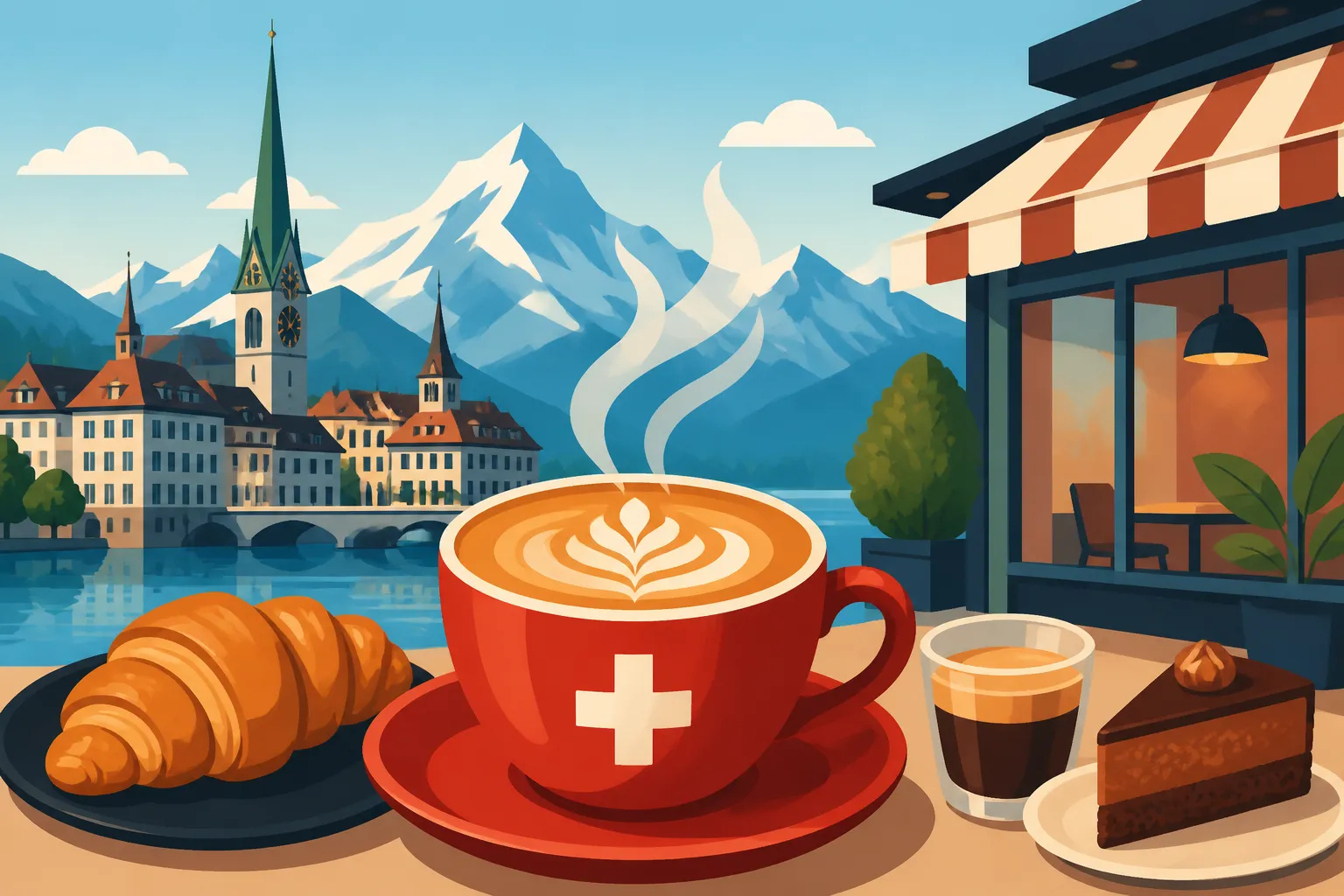
Swiss Coffee Culture and the Best Cafés in Major Cities
Oh, the quintessential Swiss coffee experience! When you first arrive in Switzerland, you quickly realize that coffee here isn't just a drink; it's a deeply ingrained social ritual, a silent invitation to pause, and yes, sometimes a bewildering maze of nomenclature and pricing. Many of us expats have stood at a counter, squinting at a menu, wondering if a "Schale" is the same as a latte, or why a simple filter coffee seems to cost more than a small meal. This comprehensive guide is here to demystify Swiss coffee culture for you, helping you navigate the diverse café landscape in major cities and truly savor one of Switzerland's most cherished daily pleasures.
The Heart of Swiss Coffee Culture: More Than Just a Drink
Forget your hurried takeaway cups and bland corporate brews. Swiss coffee culture is steeped in tradition, quality, and a noticeable emphasis on enjoying the moment. It’s a concept that often takes newcomers a little while to grasp, especially if you’re used to the grab-and-go mentality of other nations. Here, coffee is an affair, whether it’s a quick espresso standing at the bar or a leisurely "Kaffee und Kuchen" session in the afternoon.
The Ritual of the "Kaffee"
In Switzerland, particularly in the German-speaking parts, the word "Kaffee" often conjures an image far beyond a simple black coffee. It’s frequently associated with the late afternoon gathering – "Kaffee und Kuchen" (coffee and cake) – a cherished tradition that brings families and friends together. This isn't just about refueling; it's about connecting, sharing stories, and indulging in delicious pastries. Imagine stepping into a bustling Konditorei on a chilly afternoon, the aroma of freshly baked goods mixing with rich coffee, and seeing tables filled with people enjoying warm conversations. It’s an integral part of Swiss Food and Drink Culture: Regional Specialties and Dining Etiquette.
Even a quick coffee stop at a local bakery or a railway station can feel different. You’ll notice people often standing at the bar for their espresso or sitting at small tables, perhaps reading a newspaper or simply watching the world go by. There’s a certain unhurried elegance to it, a stark contrast to the often frenetic pace of modern life elsewhere. As an expat, embracing this rhythm is one of the quickest ways to feel a little more at home, a little more Swiss. It’s a chance to observe, to listen, and to simply be. Don't be surprised if your quick coffee break stretches into a delightful half-hour of quiet contemplation.
Decoding the Menu: Espresso, Milchkaffee, and More
One of the first hurdles many expats encounter is the sheer variety of coffee terms on a Swiss menu, often varying slightly between language regions. It’s not always straightforward, and what you expect as a "latte" might be called something else entirely. Understanding these local terms is key to getting what you actually want and avoiding mild confusion (or a surprisingly strong espresso when you craved milk).
Let's break down some common terms:
- Espresso: The classic, short, strong shot of coffee. If you just ask for "Kaffee," this is often what you'll get in many places, especially in the Italian-speaking Ticino or Romandie.
- Kaffee Crème / Café Crème: This is probably the closest equivalent to a standard American-style drip coffee or "long black," though often made with an espresso machine. It's an espresso shot lengthened with hot water, topped with a beautiful crema. It’s a popular choice for those who prefer a less intense, larger cup.
- Milchkaffee / Café au Lait / Caffè Latte: This is where it gets interesting. A "Milchkaffee" is typically a larger coffee with milk, often served in a glass or a big bowl, very popular for breakfast. In French-speaking Switzerland, you’ll often see "Café au Lait." "Caffè Latte" is also common, especially in more modern establishments, and usually refers to the classic Italian-style latte. The key is that "Milchkaffee" might not always have the elaborate latte art you expect.
- Cappuccino: This is generally consistent across Switzerland – espresso with steamed milk and a generous cap of foam.
- Latte Macchiato: Distinct layers of milk, espresso, and foam, typically served in a tall glass.
- Lungo: A "long" espresso, meaning more water is passed through the coffee grounds, resulting in a slightly weaker, larger shot. It's often requested by those who find a regular espresso too strong but still want the kick.
- Schale / Grand Crème: In German-speaking Switzerland, a "Schale" is a common term for a coffee with a good amount of milk, similar to a Milchkaffee or Caffè Latte. In French-speaking parts, you might hear "Grand Crème" for a similar milky coffee.
It might feel like a linguistic exercise just to order your morning brew, but once you get the hang of it, you'll order like a local! Don't be afraid to ask for clarification if you're unsure – most baristas are happy to help.
Finding Your Coffee Niche: From Traditional to Trendy
Switzerland’s coffee scene, much like its cities, is a fascinating blend of old-world charm and cutting-edge modernity. You can find yourself sipping an espresso in a historic Konditorei that has been serving the community for over a century, or enjoying a meticulously brewed single-origin filter coffee in a minimalist third-wave café. There truly is something for every coffee lover here.
The Classic Swiss "Konditorei" Experience
For many Swiss, and for expats looking for an authentic local experience, the Konditorei (or Pâtisserie in Romandie) is the heart of coffee culture. These establishments are more than just coffee shops; they are temples of confectionery, offering an exquisite array of cakes, tarts, chocolates, and pastries alongside their coffee. They often exude a cozy, somewhat formal atmosphere, with plush seating, crisp white tablecloths, and display cases gleaming with sugary masterpieces.
Think of places like Sprüngli on Bahnhofstrasse in Zurich, a venerable institution where you can enjoy a perfect "Kaffee Crème" with their legendary "Luxemburgerli" (miniature macarons). Or Confiserie Honold, another Zurich gem. In Geneva, try the elegant ambiance of Auer Chocolatier or the bustling atmosphere of Pâtisserie du Bourg. These places are perfect for that traditional afternoon "Kaffee und Kuchen" ritual, a truly indulgent experience. It’s not just about the coffee; it’s about the entire sensory feast – the rich aromas, the delicate textures of the cakes, and the gentle hum of conversation. When you're budgeting in Switzerland, especially in high-cost cities like Zurich or Geneva, a visit to these places might feel like a splurge, but it's often worth it for the experience. You can read more about managing your expenses in Budgeting in Zurich and Geneva: Managing Expat Expenses in High-Cost Cities.
The service in a Konditorei can be a little more formal than you might be used to in a casual café. Waitstaff are efficient and polite, and taking your time is encouraged. These are places where you can settle in with a good book or catch up with friends, undisturbed.
The Rise of Third-Wave Coffee Shops and Specialty Roasters
While tradition holds strong, Switzerland has also fully embraced the global third-wave coffee movement. This means a growing number of independent cafés and specialty roasters are focusing on ethical sourcing, precise brewing methods, and highlighting the unique flavors of different coffee beans. These establishments often have a more contemporary, minimalist aesthetic, with a strong emphasis on the craft of coffee making.
You'll find baristas who can tell you the origin story of your single-origin pour-over, discuss the nuances of different roast profiles, and guide you through various brewing techniques. Many of these shops roast their own beans, offering freshly ground coffee for sale so you can recreate that perfect cup at home. Brands like Stoll Kaffee (based in Zurich), Micro-Roastery (Basel), and artisanal roasters such as Kaffeemacher in Basel or Henauer Kaffee in Höri near Zurich are leading this charge. These are fantastic places to explore if you’re a coffee connoisseur or simply curious about discovering new flavors beyond the traditional Swiss brew.
These specialty shops are also often more casual and might be where you find more English-speaking staff, making them a comfortable entry point for many new expats. They're hubs for connecting, often bustling with remote workers, students, and creative types. While the traditional Konditorei offers a slice of classic Switzerland, the third-wave cafés offer a taste of its evolving, international palate.
Top Cafés in Major Swiss Cities: Where to Get Your Fix
Whether you're looking for a classic experience or a modern brew, Switzerland's major cities offer a fantastic selection. Navigating a new city can be tricky, but knowing where to get a decent coffee is often the first step to feeling settled. If you're planning a trip to explore different cantons, remember to check out resources like Omio for easy train travel between cities, allowing you to sample the unique coffee scenes in each.
Zurich's Vibrant Coffee Scene
Zurich, being Switzerland's largest city and financial hub, boasts a dynamic coffee scene that expertly blends tradition with innovation. You'll find everything from grand, historic cafés to trendy, independent micro-roasters.
- Sprüngli (Bahnhofstrasse & Paradeplatz): A Zurich icon. While famous for its chocolates and "Luxemburgerli," their cafés offer a luxurious, old-world setting for a coffee and pastry. It’s an institution, and a must-visit for the experience. Don't let the formal facade deter you; it’s a wonderful place to soak in a bit of Zurich's elegance.
- Vincafé (Theaterstrasse, various locations): Known for its vibrant Italian flair. Stand at the bar for an authentic, quick espresso experience, or grab a table for a lively atmosphere. It's a great spot to feel part of the city's pulse.
- Kafischnaps (Neugasse): A popular spot in the Kreis 4 district, known for its bohemian vibe, excellent coffee, and delicious brunch options. It’s a favorite among locals and expats alike for its relaxed setting.
- MAME Coffee (Seefeldstrasse, various pop-ups): Multiple award-winning baristas run this spot, focusing on competition-level quality and expertly brewed specialty coffees. If you’re serious about your beans, this is a pilgrimage site. They often host tasting events.
- Grande Café & Bar (Limmatquai): Situated right by the Limmat river, this café offers a spacious, stylish environment perfect for people-watching. Their coffee is excellent, and they also offer good food and drinks throughout the day.
- Bank (Helvetiaplatz): Housed in a former bank building, this café is renowned for its beautiful interior, excellent coffee, and delicious baked goods. It’s a spacious and airy spot, perfect for a relaxed morning or afternoon.
When you're exploring Zurich, you might stumble upon many other fantastic local spots. Consider booking a guided tour through platforms like GetYourGuide, which sometimes includes a coffee stop, giving you a local's perspective on the city's hidden gems.
Geneva's International Brews
Geneva, with its international organizations and diverse population, offers a cosmopolitan coffee scene that leans into quality and sophistication.
- Boréal Coffee Shop (various locations, notably Rue du Stand & Rue du Mont-Blanc): Arguably one of Geneva’s most beloved local chains, Boréal is a third-wave pioneer. They roast their own beans and offer a range of expertly prepared coffees, from classic espressos to creative filter brews. Their shops are often bustling and have a cozy, industrial-chic vibe, perfect for working or catching up with friends.
- Remorqueur (Quai des Bergues): Situated with beautiful views of Lake Geneva, Remorqueur is a charming spot known for its delicious coffee and pastries. It’s a fantastic place to enjoy a leisurely morning with a scenic backdrop.
- Birdie Food & Coffee (Rue des Bains): A specialty coffee shop that takes its craft seriously, Birdie offers exceptional brews, a relaxed atmosphere, and a selection of healthy, delicious food options. It's a popular choice for those seeking high-quality, sustainably sourced coffee.
- La Fabrique (Rue des Chaudronniers): A hidden gem known for its artisanal approach to coffee and pastries. It has a warm, inviting atmosphere and is a favorite among locals for its high-quality offerings.
- Marcel (Rue des Eaux-Vives): This stylish café offers great coffee alongside a tempting menu of brunch and lunch options. It’s a chic spot that combines excellent food with quality coffee, perfect for a sophisticated break.
Geneva’s coffee culture often reflects its French influence, with many places offering café au lait and classic viennoiseries.
Basel's Historic and Hip Spots
Basel, a city rich in history and known for its vibrant arts scene, offers a charming mix of traditional cafés and modern, specialty coffee houses. Its proximity to France and Germany also means a unique blend of influences.
- Ackermann (Centralbahnstrasse): A classic Basel Konditorei experience, known for its elegant ambiance, delicious pastries, and traditional coffee. It’s perfect for a refined afternoon treat.
- Mitte (Gerbergasse): More than just a coffee shop, Mitte is a cultural hub, bar, and café housed in a beautiful, historic building. They serve excellent coffee in a lively, communal setting, often hosting events and exhibitions. It's a fantastic spot to feel the pulse of Basel's artistic side.
- Haenowitz & Page (Spalenberg): A highly regarded specialty coffee shop that roasts its own beans. They focus on quality and offer a variety of brewing methods, ensuring a superb coffee experience. It’s a bit off the beaten path but worth seeking out.
- Avant-Garde Bar (Rheingasse): With a sleek, modern design and a focus on high-quality coffee and cocktails, Avant-Garde is a sophisticated spot for your daily dose. It's a great place to combine a coffee stop with evening drinks.
- Kaffeemacher (Erlenmattstrasse): Located a bit out of the city center but well worth the trip for true coffee enthusiasts. Kaffeemacher is a serious micro-roastery and café, offering workshops and a deep dive into the world of specialty coffee. They roast exceptional beans and serve them with passion and expertise.
Basel’s smaller size compared to Zurich or Geneva means its best spots are often within easy walking distance, making for delightful coffee crawls.
Bern's Cozy Coffee Corners
Bern, Switzerland's capital, offers a charming and somewhat understated coffee scene that perfectly matches its relaxed pace. Here, you’ll find cozy, intimate cafés where you can truly unwind and enjoy the city's unique atmosphere.
- Adrianos Kaffeebar (Theaterplatz): A Bern institution and a beloved local favorite. Adrianos roasts its own beans and serves consistently excellent coffee in a bustling, friendly environment. It's often packed, but the quality and atmosphere are worth it. They are known for their strong, flavorful espressos.
- Eichholz Kaffeebar (various locations, including Länggasse): Known for its relaxed vibe and quality coffee, Eichholz is a great place for students and locals alike. They often have outdoor seating, perfect for enjoying a sunny Bernese day.
- Apfelgold (Mittelstrasse): A charming café known for its delicious homemade cakes and pastries, served alongside great coffee. It has a very cozy, almost living-room-like atmosphere, perfect for a quiet afternoon.
- Zum Zähringer (Bahnhofplatz): A well-regarded café and restaurant offering a comfortable setting for a coffee break right near the main train station. It’s convenient for travelers and locals meeting up.
- Einstein Kaffee (Kramgasse): Located in the heart of Bern's old town, this café offers classic Swiss coffee drinks in a charming, historic setting. It’s a great spot to soak in the UNESCO World Heritage ambiance while enjoying your brew.
Bern's cafés often feel less hurried than those in Zurich or Geneva, providing a wonderful opportunity to relax and immerse yourself in the city’s unique charm. If you're staying for a weekend, look for accommodation options on Booking.com near these prime coffee spots to ensure you start your day right!
Navigating Coffee Costs and Customs as an Expat
Let's be real: Switzerland is expensive. And coffee is no exception. It’s one of those things that will hit your wallet harder than you might expect, especially when you first arrive. Beyond the price, there are a few unspoken rules and customs that are helpful to know to blend in and avoid any awkward moments.
The Price Tag: Why Swiss Coffee Feels Pricey
The first shock for many expats is the price of a simple coffee. A cappuccino can easily set you back CHF 5.50 – 7.00 in a major city café, and a filter coffee (if you can find one!) isn't much cheaper. While salaries are generally high in Switzerland, the sheer cost of daily consumables can still feel eye-watering. This high price point reflects several factors:
- High Labor Costs: Wages in Switzerland are among the highest in the world, which naturally trickles down to the cost of service and food preparation.
- High Rent: Cafés, especially in prime locations, face exorbitant rental costs, which are passed on to the consumer.
- Quality and Sourcing: Swiss businesses often pride themselves on quality. Many cafés use high-quality beans and well-maintained equipment, contributing to the cost.
- VAT: The standard VAT rate for restaurant services is 8.1%, which is included in the price.
When you compare it to a coffee in, say, Lisbon or Berlin, the difference is stark. It’s a reality you learn to live with, and it's why many expats quickly master the art of home brewing (more on that later!). For a broader look at daily expenses, you might want to check out our guide on the Cost of Living in Switzerland 2026: Budgeting for Singles and Families. Understanding these costs helps manage expectations and avoid that initial sticker shock.
Tipping and Table Service Etiquette
Swiss tipping culture is quite different from what you might be used to in North America or even parts of Europe. Generally, service charges are included in the price of your coffee. This means you are not obligated to leave an additional tip. However, it is customary to round up to the nearest franc or two if you've received good service.
For example, if your coffee costs CHF 5.80, you might pay CHF 6.00 and say "Danke" (thank you), indicating the change is for them. If your bill is CHF 18.50, you might give CHF 20.00. For larger bills, a tip of 5-10% is generous but by no means mandatory. Leaving a large tip, especially for a single coffee, might even raise eyebrows. It's a subtle system, and it sometimes takes a while to get used to the more understated approach. You can learn more about general etiquette in Dining Out in Switzerland: Reservations, Tipping, and Mealtimes.
When it comes to table service, it’s usually quite efficient but not overly chatty or familiar, especially in more traditional establishments. Don’t expect lengthy conversations or overly enthusiastic greetings. The service is professional and respectful of your space. If you’re seated, wait to be served; don’t go up to the counter unless you’re getting takeaway. And while it might be tempting to just sit for hours with one coffee, especially in a busy café, remember that space is at a premium. It’s generally accepted to linger, but being mindful during peak times is appreciated.
Beyond the Café: Brewing at Home and Local Brands
Given the café prices, many expats quickly become adept at making their own coffee at home. It’s a practical skill that saves money and allows you to experiment with various local roasts. Plus, there’s something truly satisfying about perfecting your own morning brew.
The Art of Home Brewing: Saving a Franc or Two
Embracing home brewing is one of the most effective strategies to manage your daily expenses in Switzerland. The upfront cost for a good coffee machine, grinder, and quality beans can seem steep, but it quickly pays for itself. You’ll find that Swiss supermarkets like Coop and Migros (and even budget options like Aldi and Lidl) offer a wide selection of coffee beans, both local and international. You can check out options for buying coffee beans at these places in Grocery Shopping: Coop, Migros, Aldi, Lidl, and Denner Compared.
Many expats invest in a good espresso machine, a French press, or a pour-over setup. Grinding your own beans just before brewing makes a world of difference. When buying beans, look for locally roasted options from the third-wave cafés mentioned earlier, or explore reputable Swiss brands. You'll find many specialty stores in major cities that sell whole beans, often offering advice on the best brewing methods for their particular roasts.
For me, discovering the joy of a perfect "Kaffee Crème" made in my own kitchen on a quiet Sunday morning became a cherished ritual. It’s not just about saving money; it’s about creating a personal comfort zone in a new country. Plus, you can brew it exactly to your taste, without having to navigate different menu terms or worry about the bill!
Swiss Coffee Brands to Look Out For
Switzerland might be famous for its chocolate and cheese, but it also has a strong tradition in coffee roasting. Many established Swiss brands have been operating for decades, and their products are widely available in supermarkets.
Here are a few prominent Swiss coffee brands you’ll encounter:
- Chicco d'Oro: A popular brand, especially in Ticino, known for its rich, full-bodied Italian-style espresso blends. You’ll see their signature gold packaging everywhere.
- Stoll Kaffee: A Zurich-based roastery with a long history, offering a range of quality beans, often found in both supermarkets and specialty shops. They have a good reputation for traditional Swiss blends.
- Café Royal: A more modern brand, often found in Nespresso-compatible capsules, known for its wide variety of flavors and strengths. They've become quite popular for convenient home brewing.
- Mövenpick Coffee: While Mövenpick is famous for ice cream, they also produce a range of coffee products, often with a smoother, milder profile, and are widely available.
- Delizio / Cremesso: These are capsule systems, similar to Nespresso, but from Swiss companies. They offer a good range of espresso and lungo options and are widely used in Swiss households and offices.
- Local micro-roasters: Beyond the big brands, keep an eye out for smaller, local roasters in your canton. Places like Kaffeemacher in Basel, Henauer Kaffee, or MAME Coffee in Zurich often sell their freshly roasted beans directly from their cafés or online. These are often where you'll find truly exceptional and unique flavors.
Experimenting with different brands and roasts is part of the fun. You might discover a new favorite that reminds you of home or introduces you to a whole new world of coffee flavors.
Making the Most of Swiss Coffee Culture
Swiss coffee culture, with its blend of tradition and modernity, offers unique opportunities for connection and enjoyment. It's more than just a caffeine fix; it's a social lubricant, a quiet moment of reflection, and a gateway to understanding local life.
Coffee as a Social Hub: Meeting Locals and Expats
Cafés in Switzerland often serve as important social hubs. Whether it's a quick morning espresso before work, a midday break, or a leisurely afternoon Kaffee und Kuchen, these spots are where people connect. For expats, deliberately engaging with café culture can be a subtle but effective way to integrate.
- Observe and Learn: Spend time observing how locals interact. Notice the quiet efficiency, the respect for personal space, and the conversations (often in hushed tones).
- Strike Up Conversations: While the Swiss can be reserved, a friendly "Grüezi" (in German-speaking parts) or "Bonjour" (in French-speaking) and a smile can go a long way. If you frequent the same local spot, baristas might start recognizing you, opening the door for brief chats.
- Expat Meetups: Many expat groups organize meetups in cafés. This is a fantastic way to meet fellow international residents who understand the unique experience of living here. Platforms like Meetup.com or local expat forums often list these gatherings. Finding these groups can be a huge help, as detailed in our guide on Making Friends in Switzerland: Expat Groups, Clubs, and Apps.
- Language Practice: Cafés are low-pressure environments for practicing your German, French, or Italian. Ordering your coffee in the local language, even if it’s a struggle, is always appreciated.
Remember, the Swiss value genuine connection, even if it takes a little longer to establish. Be patient, be friendly, and let the rhythm of the café draw you in.
Pairing Your Coffee: Pastries, Snacks, and Brunch
A Swiss coffee experience is rarely complete without a little something on the side. This is where the country's exceptional bakery and confectionery traditions truly shine. Whether you're in a traditional Konditorei or a modern café, you'll find an array of delightful pairings.
- Classic Pastries: From flaky croissants (Gipfeli) and rich pain au chocolat to delectable fruit tarts and cream cakes, the selection is immense. Many cafés offer fresh pastries delivered daily from local bakeries. The classic pairing of a Kipfel (croissant) with a Milchkaffee is a quintessential Swiss breakfast. For more on these delights, check out Swiss Bakery Culture: Gipfeli, Zopf, and Regional Breads.
- Breads and Spreads: For a heartier breakfast or snack, many cafés offer fresh bread rolls (Brötchen) with butter, jam, or local cheese.
- Brunch Culture: Weekends often see a thriving brunch scene in major cities. Many of the modern cafés and larger restaurants offer extensive brunch menus, pairing specialty coffees with eggs, muesli, pancakes, and more. It's a popular social activity, and booking ahead is often recommended, especially in popular spots.
- Lunch Options: Beyond breakfast, many Swiss cafés also serve light lunch options, such as sandwiches, salads, or small quiches, making them ideal for a quick and convenient meal alongside your coffee.
Embrace the joy of pairing your coffee with these local treats. It’s an essential part of the Swiss experience and a delicious way to savor the country’s culinary delights. Don’t be afraid to ask for recommendations from the staff; they often know the perfect pastry to complement your chosen brew.
Disclaimer
The information provided in this guide is intended for general informational purposes only and may not constitute the most up-to-date advice. While we strive to provide accurate and realistic information based on expat experiences and current data, regulations and offerings in Switzerland can change. Always verify specific details with official sources, individual businesses, or relevant authorities before making decisions based on this content. Our aim is to offer helpful guidance, but individual circumstances may vary.