Jungfraujoch ‘Top of Europe’: Planning the Trip and Saving Money
Ah, the Jungfraujoch. "Top of Europe." It’s a name that conjures images of pristine snow, towering peaks, and unparalleled views. But let’s be real, for many of us expats and tourists, it also conjures images of a hefty price tag and a slightly bewildering journey to get there. Don't worry, you're not alone in that feeling! This guide is here to demystify the entire experience, from navigating the breathtaking routes to uncovering those precious money-saving tips, ensuring your trip to this iconic Swiss landmark is nothing short of spectacular, and maybe even a little easier on the wallet.
Why the Jungfraujoch is a Must-See (and a Pricey One!)
Let’s talk about the elephant in the room first: the cost. I hear you, loud and clear. Switzerland is expensive, and the Jungfraujoch ticket price can feel like it's designed to make your jaw drop further than the mountain valleys below. But before we dive into how to save a few francs, let’s first acknowledge why this place is genuinely worth the hype and the investment, even if it feels like a splurge.
The Allure of the 'Top of Europe'
The Jungfraujoch isn't just a mountain peak; it's a high-alpine wonderland that promises views so expansive and dramatic, they genuinely redefine your understanding of "scenic." Imagine standing at 3,454 meters (11,332 feet) above sea level, surrounded by the majestic Eiger, Mönch, and Jungfrau mountains, with the vast, shimmering Aletsch Glacier, a UNESCO World Heritage site, sprawling out before you. It's truly a bucket-list experience.
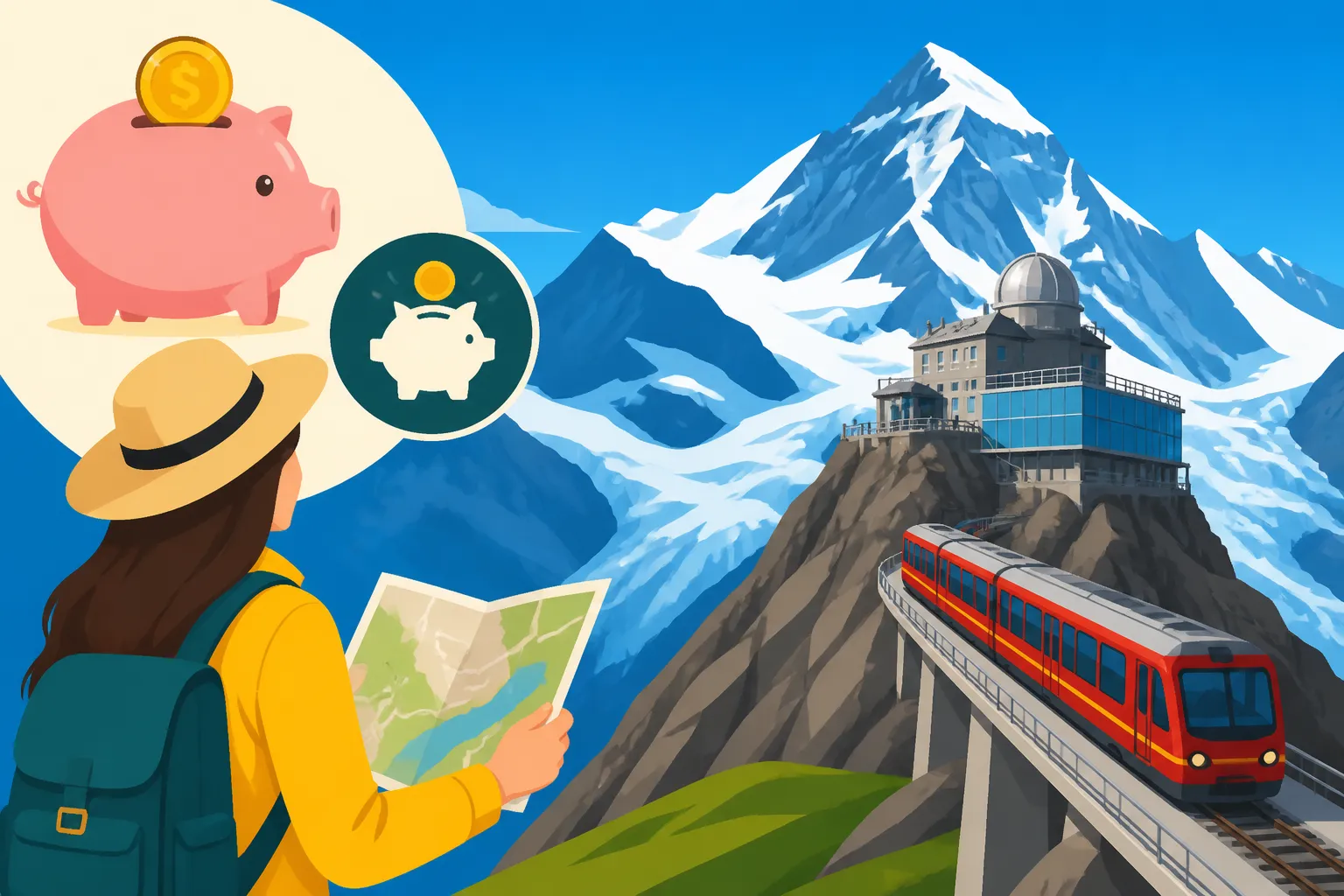
The journey itself is a marvel of engineering. You're not just taking a cable car; you're ascending through tunnels carved directly into the Eiger and Mönch mountains, a feat of early 20th-century ingenuity that still boggles the mind today. You'll pass through intermediate stations like Eismeer, where panoramic windows offer fleeting, incredible glimpses of glaciers and rock faces before you continue your ascent. It’s not just a destination; it's a whole expedition, offering a deep dive into the heart of the Alps that few places can match. For anyone looking to truly capture the essence of the Swiss high-alpine landscape, Jungfraujoch delivers in spades.
Understanding the Cost Barrier
Okay, so why does all this magic come with such a significant price tag? The answer lies in the sheer scale of the infrastructure required to make this accessible. We're talking about a complex network of cogwheel trains, tunnels drilled through solid rock, and a brand-new, high-speed gondola system. Maintaining these railways, cable cars, and the facilities at the top (observatory, restaurants, ice palace) in such extreme weather conditions is an astronomical undertaking. Think about the costs of snow removal, structural repairs, and running a permanent research station at over 3,000 meters – it’s not cheap.
Furthermore, the Jungfraubahn railway company has invested heavily in modernizing the entire experience, most notably with the Eiger Express gondola. This multi-million franc investment offers a faster, more comfortable journey, but those costs inevitably get passed on to the consumer. Unlike some other mountain excursions where you might just pay for a single cable car, Jungfraujoch involves multiple legs of expensive mountain transport. It’s a premium experience in a premium country, and sadly, there’s no getting around that basic fact. However, with a bit of savvy planning, we can certainly try to mitigate the impact on your wallet!
The Journey to the Top: Routes and Logistics
Getting to Jungfraujoch is an adventure in itself, but it can seem a bit complicated at first glance. There are essentially two main ways to approach the "Top of Europe" from the valley, each offering a slightly different experience. Understanding these options is key to planning your day efficiently and potentially saving some time.
Key Stations and Connection Points
Your journey to Jungfraujoch typically begins in the picturesque Bernese Oberland. Most visitors start their day from Interlaken Ost train station, which is a major hub connecting to the wider Swiss rail network. From Interlaken Ost, you'll take a regional train to one of two gateway villages: Lauterbrunnen or Grindelwald.
- Lauterbrunnen: This stunning valley, famous for its 72 waterfalls (including the iconic Staubbach Falls), is a classic starting point. From Lauterbrunnen, you’d typically take the Wengernalpbahn cogwheel train up to Kleine Scheidegg, where you transfer to the Jungfraubahn. This route offers charming views of typical Swiss alpine villages and dramatic valley landscapes.
- Grindelwald: Known as the "Eiger Village" due to its close proximity to the Eiger's north face, Grindelwald offers two main options for continuing your journey to Jungfraujoch. You can either take the traditional cogwheel train from Grindelwald village up to Kleine Scheidegg, just like from Lauterbrunnen, or you can opt for the newer, faster route.
The choice between starting in Lauterbrunnen or Grindelwald often comes down to personal preference for scenery and the specific transport you want to experience for the first leg of the journey. Both eventually lead to Kleine Scheidegg, which is the crucial transfer point to the final Jungfraubahn segment.
The Eiger Express vs. Traditional Cogwheel Train
This is where the choices really diverge for the second leg of your journey, specifically if you're departing from Grindelwald.
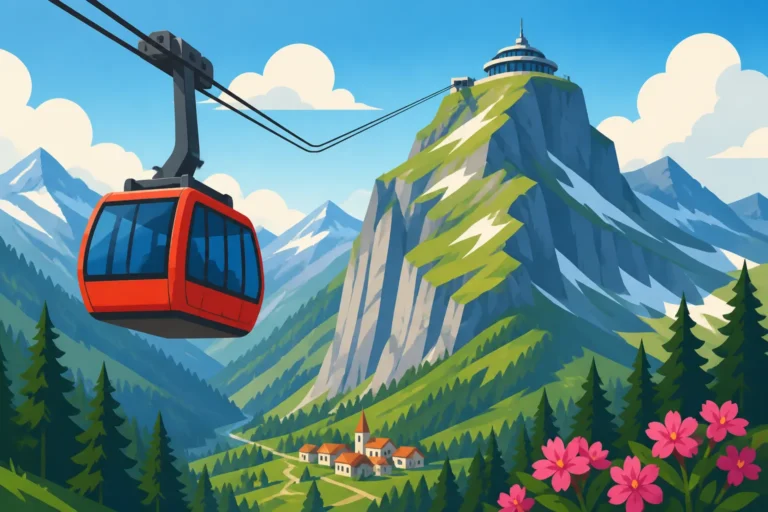
- The Eiger Express (from Grindelwald Terminal): This is the modern, super-fast tri-cable gondola that opened in 2020. From the brand-new Grindelwald Terminal (easily reached by train from Interlaken Ost), the Eiger Express whisks you directly to Eigergletscher station in just 15 minutes. This cuts the journey time from Grindelwald to the Jungfraujoch by a significant 47 minutes compared to the traditional train route. It's sleek, efficient, and offers fantastic panoramic views as you ascend. If speed and modern comfort are your priorities, this is your route. The sheer scale of the terminal itself is impressive, featuring shops, restaurants, and direct connections to other mountain experiences like Grindelwald First.
- The Traditional Cogwheel Train (from Grindelwald or Lauterbrunnen via Kleine Scheidegg): This is the classic, more leisurely approach. Whether you come from Lauterbrunnen or Grindelwald village, you’ll meet at Kleine Scheidegg, a mountain pass at 2,061 meters (6,762 feet). From here, you board the iconic red Jungfraubahn cogwheel train, which then begins its ascent, mostly through the mountain tunnels, towards the Jungfraujoch. This route allows you to enjoy the traditional Swiss mountain railway experience, soaking in the views from Kleine Scheidegg before disappearing into the rock. While slower, many purists love the charm and history of this route. It’s also an excellent option if you want to break up the journey with a stop or short walk around Kleine Scheidegg.
Most people opt to take one route up and the other down to experience both, which is often called the "Eiger Express Loop" or "Jungfrau Round Trip." For instance, you could go Interlaken Ost – Lauterbrunnen – Kleine Scheidegg – Jungfraujoch, and then descend Jungfraujoch – Eigergletscher – Grindelwald Terminal – Interlaken Ost. This is often recommended for the variety of scenery and experience.
Booking Tickets and Essential Planning
Booking your tickets to Jungfraujoch well in advance, especially during peak season (summer and winter holidays), is not just recommended, it's pretty much essential. You can purchase tickets directly from the Jungfraubahn website or through reputable partners. Many expats and savvy travelers use platforms like Omio to compare train routes and purchase tickets, which can sometimes consolidate all legs of your journey. Another good option for planning and booking is through GetYourGuide, especially if you're looking for packaged tours that might include other activities or offer specific departure times.
Here are a few pointers for booking:
- Online is King: Buying online saves you time queuing at the stations, especially at Interlaken Ost or Grindelwald Terminal. You can often choose specific departure times, which is crucial for managing crowds.
- Check the Weather! This cannot be stressed enough. The views are the main attraction, and dense fog or heavy snowfall can obscure everything. Many platforms offer flexible tickets, but it's always best to check the weather forecast and the live webcams from the Jungfraujoch and Kleine Scheidegg on the day of your trip. Don't book too far in advance if you're inflexible with dates.
- Seat Reservations: For the final leg from Kleine Scheidegg to Jungfraujoch (and vice versa), seat reservations are highly recommended, particularly during busy times. These are usually a small additional fee (around CHF 10) but can save you a lot of stress and standing in long lines. You can add them during the booking process.
- Round Trip vs. One Way: Always book a round trip if you intend to return to your starting point. The pricing structure is set up for this, and individual one-way tickets would be much more expensive if combined.
- Flexibility: While specific time slots are good for planning, consider a ticket that allows some flexibility if the weather changes. Some tickets might allow you to change your departure within a day, but confirm this when booking.
Cracking the Code: Saving Money on Your Jungfraujoch Adventure
Alright, let's get down to business. The sticker shock for Jungfraujoch tickets is real, and it’s often the biggest deterrent. But don't throw in the towel just yet! There are definitely strategies you can employ to bring that price down from eye-watering to merely expensive. As a veteran expat, I've learned a trick or two, and these passes are often your best friends in Switzerland.
Swiss Travel Passes and Regional Discounts
If you're planning on doing a lot of traveling around Switzerland, a comprehensive pass can be your golden ticket, offering discounts on the Jungfraujoch and many other mountain excursions.
- Swiss Travel Pass: This pass offers unlimited travel on trains, buses, and boats across Switzerland, plus free entry to over 500 museums. For Jungfraujoch, it typically gives you a 25% discount on the ticket from Wengen/Grindelwald to the Jungfraujoch. While not 50% off like the Half-Fare Card, the overall value for extensive travel can be significant. It also covers the journey from Interlaken Ost to Grindelwald/Lauterbrunnen entirely. So, if you're hopping around the country for several days, the Swiss Travel Pass can make a huge difference. You'd purchase the Swiss Travel Pass separately and then present it to get the discounted Jungfraujoch ticket.
- Regional Passes (Jungfrau Travel Pass, Berner Oberland Pass): These passes are fantastic if you're concentrating your travel in a specific region, like the Bernese Oberland.
- Jungfrau Travel Pass: This pass (available for 3 to 8 days) covers unlimited travel within the Jungfrau region, including Grindelwald, Lauterbrunnen, Wengen, Mürren, and First. Crucially, it provides a significant discount (often around 25-50% depending on the specific route and pass duration) on the Kleine Scheidegg – Jungfraujoch section. For example, for the years 2024/2025, if you have a Jungfrau Travel Pass, you often get a special price for the return ticket to Jungfraujoch, sometimes even 100% off up to Eigergletscher. You’ll need to check the specific conditions for your travel year, as they can vary. This is a brilliant option if you're staying in Interlaken, Grindelwald, or Lauterbrunnen for several days and want to explore the mountains extensively.
- Berner Oberland Pass: Similar to the Jungfrau Travel Pass but covering a wider area of the Bernese Oberland, this pass offers unlimited travel on trains, buses, boats, and some mountain railways in the region. It usually provides a 50% discount on the train from Kleine Scheidegg to Jungfraujoch. This pass is excellent if your exploration extends beyond just the Jungfrau region, perhaps into Thun, Spiez, or other parts of the Bernese Oberland.
When considering these passes, always do the math. List out all the train rides and mountain excursions you plan to take, tally up the individual costs, and then compare that to the price of the pass plus any discounted Jungfraujoch tickets. You’ll often find that even with just a few big excursions, a regional pass pays for itself.
The Magic of the Half-Fare Card (Halbtax)
For many expats living in Switzerland and even for savvy tourists staying for more than a few days, the Half-Fare Travelcard (Halbtax): The Must-Have Pass for Swiss Residents is an absolute game-changer. This card (available for one year or even one month for tourists) gives you 50% off nearly all public transport in Switzerland, including trains, buses, boats, and most mountain railways and cable cars.
For the Jungfraujoch, this means your ticket from Interlaken Ost all the way to the "Top of Europe" and back is half price. This is a substantial saving, potentially hundreds of francs for a family. If you plan to take even two or three mountain excursions (e.g., Gornergrat, Pilatus, Titlis, plus Jungfraujoch), the Half-Fare Card quickly pays for itself.
How it works: You purchase the Half-Fare Card separately (it costs around CHF 190 for a year for residents, or CHF 120 for a one-month tourist version in 2026). Then, when you buy your Jungfraujoch ticket online or at the station, you simply select the "Half-Fare" option. It's truly that simple and effective. This is often the single best way to save money on the Jungfraujoch if you're making a dedicated trip just for this or a few other mountain excursions.
Off-Peak Travel and Early Bird Deals
Beyond the passes, there are a few other clever ways to potentially shave off some costs or enhance your experience without breaking the bank.
- "Good Morning Ticket" / Early Bird Promotions: Historically, Jungfraubahn has offered special "Good Morning Tickets" or similar early bird promotions. These tickets are usually cheaper and require you to take one of the very first trains up in the morning (e.g., before 8:00 AM) and return by a certain time (e.g., 1:00 PM). This is fantastic for two reasons: you save money, and you get to experience the Jungfraujoch before the peak crowds arrive, often enjoying clearer views and a more serene atmosphere. Keep an eye on the official Jungfraubahn website or SBB mobile app for these specific deals for your travel dates. These are usually limited in availability and sell out fast.
- Shoulder Season Savings: Visiting during the shoulder seasons (late April to early June, or late September to early November) can sometimes offer slightly lower prices for accommodation in Interlaken or Grindelwald, potentially through sites like Booking.com. While the Jungfraujoch ticket price itself remains relatively consistent year-round, ancillary costs can be reduced. Plus, these periods often mean fewer tourists, which translates to shorter queues and a more enjoyable experience overall. You might also find better availability for "Good Morning Tickets."
- Saver Day Passes for Connecting Trains: If you're traveling from further afield (e.g., Zurich or Geneva) to Interlaken Ost, consider purchasing a Saver Day Pass (Spartageskarte): How Residents Save on Day Trips for the initial journey. These highly discounted tickets are available for specific dates and routes if bought far in advance and can significantly reduce the cost of reaching the Jungfrau region. Remember, this pass doesn't cover the Jungfraujoch itself, only the journey to Interlaken Ost.
Here's a quick comparison table for clarity on how various passes impact a sample Jungfraujoch return ticket price from Interlaken Ost (prices are illustrative for 2026 and subject to change, always verify current prices):
| Pass Type | Cost of Pass (Approx. 2026) | Jungfraujoch Return Ticket (Interlaken Ost) | Total Cost (Pass + Jungfraujoch) | Notes |
|---|---|---|---|---|
| No Pass | N/A | CHF 220 – 240 | CHF 220 – 240 | Highest cost, no other travel benefits. |
| Half-Fare Card | CHF 120 (1 month tourist) | CHF 110 – 120 (50% off) | CHF 230 – 240 | Initial outlay for pass, but then 50% off virtually all Swiss public transport for a month/year. |
| Swiss Travel Pass | CHF 232 (3-day 2nd class) | CHF 165 – 180 (25% off) | CHF 397 – 412 | Pass covers travel to Interlaken. Good for extensive multi-day travel across Switzerland. |
| Jungfrau Travel Pass | CHF 190 (3-day) | CHF 70 – 100 (special price) | CHF 260 – 290 | Pass covers most regional travel for 3+ days, Jungfraujoch at special rate. Best for regional focus. |
| Berner Oberland Pass | CHF 240 (3-day) | CHF 110 – 120 (50% off) | CHF 350 – 360 | Pass covers wider Bernese Oberland, Jungfraujoch at 50% off. Good for broader regional exploration. |
Disclaimer: These are approximate prices for illustrative purposes only. Actual prices vary by season, exchange rates, and specific ticket type. Always check current prices and conditions on official SBB and Jungfraubahn websites.
Remember, always calculate which pass makes the most sense for your specific itinerary and length of stay. For many, especially if you're taking more than one big mountain trip, the Half-Fare Card is often the most cost-effective solution.
What to Expect at the Top: Attractions and Experiences
So, you’ve navigated the booking, braved the ascent, and finally stepped off the train at Jungfraujoch. What awaits you at the "Top of Europe"? Prepare for a sensory overload, both visually and atmospherically. It's a remarkably well-developed complex, offering a surprising array of activities for being essentially on top of a glacier.
The Sphinx Observatory and Plateau
The Sphinx Observatory is perhaps the most iconic feature of the Jungfraujoch. This is where you’ll find those postcard-perfect, panoramic views that define the "Top of Europe" experience. After taking a speedy elevator up 108 meters in just 25 seconds, you emerge onto an outdoor viewing platform that offers uninterrupted, breathtaking vistas of the Aletsch Glacier – the longest glacier in the Alps – and the snow-capped peaks of the Eiger, Mönch, and Jungfrau. On a clear day, you can see as far as the Black Forest in Germany and the Vosges Mountains in France.
The wind up there can be biting, even in summer, so dress warmly! Inside the observatory, there’s a scientific research station (it’s still an active research site, remember?) and indoor viewing areas, perfect for warming up while still enjoying the views. This is where the sheer scale of the Alps truly hits you, a moment of quiet awe that makes the whole journey worthwhile. Many people spend a good chunk of their time here, just soaking it all in and taking countless photos.
Ice Palace and Alpine Sensation
Beyond the Sphinx, there are several other fascinating attractions carved into the glacier itself, making for a truly unique experience.
- The Ice Palace: This is a magical, almost surreal experience. Descending into the heart of the glacier, you’ll find a palace carved entirely from ice. Walk through frozen tunnels and admire intricate ice sculptures – from eagles and bears to igloos and ice bars. The temperature inside is consistently below freezing (around -3°C or 27°F), so bundle up! The floor can be quite slippery in places, a gentle reminder that you are, indeed, inside a living glacier. It’s a whimsical diversion, particularly fun for kids, and offers a cool contrast (pun intended!) to the outdoor views.
- Alpine Sensation: Connecting the Sphinx Hall and the Ice Palace, the Alpine Sensation is a moving walkway that acts as a visual timeline of the Jungfraubahn's history. It features exhibits that tell the story of the railway's construction, the lives of the workers, and the scientific breakthroughs achieved at the observatory. With atmospheric lighting and sound, it’s designed to be an immersive experience, offering a moment of reflection on the incredible human endeavor that made the Jungfraujoch accessible. It's a great way to learn about the history and engineering behind this magnificent destination.
These indoor attractions offer a welcome respite from the cold and wind outside, providing different facets of the "Top of Europe" adventure.
Dining, Shopping, and Souvenirs
Yes, even at 3,454 meters, you can still grab a bite and do some souvenir shopping! There are several dining options available at the Jungfraujoch:
- Restaurant Bollywood: Offering Indian cuisine with panoramic views, this is often a popular choice, especially among visitors from India, who are a significant demographic at Jungfraujoch.
- Restaurant Crystal: A more traditional Swiss and international menu, also with fantastic views.
- A Self-Service Restaurant: For quick bites, snacks, and warm drinks, perfect if you’re on a budget or short on time.
Be prepared for prices to be, predictably, on the higher side up here. My advice? Pack some snacks, a sandwich, and a thermos of hot tea or coffee if you're looking to save money. The views themselves are often the best accompaniment to a homemade meal.
For souvenirs, you'll find a few shops offering everything from Swiss chocolates and watches to Jungfraujoch branded apparel and keepsakes. There's also a Lindt Swiss Chocolate Heaven shop, which is a big hit, offering a chance to learn about chocolate making and, of course, purchase plenty of delicious Swiss chocolate. Just remember to factor these costs into your overall trip budget – it’s easy to get carried away in the Alpine shopping spirit!
Practical Tips for a Smooth Trip
Planning is half the battle when it comes to a trip to the Jungfraujoch. You want to maximize your chances of a truly unforgettable experience, not one marred by bad weather or an unexpected bout of altitude sickness. These practical tips, born from years of navigating Swiss mountains, will help you prepare for a seamless adventure.
Weather Watching and Altitude Sickness
This is perhaps the most critical advice for any mountain excursion in Switzerland, but especially for the Jungfraujoch. The weather at 3,454 meters can be drastically different from what you experience in Interlaken or even Grindelwald. A sunny day in the valley can quickly turn into a cloudy, windy, or even snowy white-out at the summit.
- Check Multiple Forecasts: Don't just rely on one app! Look at Swiss forecasts like MeteoSwiss, but also check the dedicated webcams and weather reports directly from the Jungfraujoch website (often available under a "live conditions" section). These give you real-time visual information. Even on the morning of your trip, check the webcams one last time before you commit. There's nothing worse than paying for a costly ticket only to see a wall of white fog at the top.
- Be Flexible: If your itinerary allows, try to keep your Jungfraujoch day flexible. If one day looks cloudy, postpone for a clearer one. Clear views are the main event here.
- Altitude Sickness: The Jungfraujoch is high, and some people do experience mild symptoms of altitude sickness, such as headaches, dizziness, nausea, or shortness of breath.
- Hydrate: Drink plenty of water before and during your ascent.
- Take it Easy: Don't rush around once you get to the top. Move slowly, especially in the first hour. Your body needs time to adjust to the thinner air.
- Listen to Your Body: If you start feeling unwell, head to the indoor areas, or even consider starting your descent. It's better to be safe than sorry. Avoid strenuous activity and alcohol.
What to Pack and Wear
Even in the height of summer, it’s cold up at Jungfraujoch. Seriously cold. Don’t be fooled by warm valley temperatures.
- Layers, Layers, Layers: This is your best friend in the mountains. Start with a moisture-wicking base layer, add a fleece or wool mid-layer, and finish with a waterproof and windproof outer shell jacket. You'll likely want a pair of warm trousers too, not just jeans.
- Warm Accessories: A warm hat, gloves or mittens, and a scarf are non-negotiable. You'll thank me when the wind whips around the Sphinx Observatory.
- Sunglasses: The sun's glare off the snow and ice at high altitude is incredibly intense. Sunglasses are essential to protect your eyes.
- Sunscreen: Even on cloudy days, UV radiation is much stronger at altitude. Apply a high-SPF sunscreen, especially to your face and any exposed skin.
- Comfortable, Closed-Toe Shoes: While you won't be doing any serious hiking on the summit, the outdoor plateau can be snowy and icy, and the Ice Palace is slippery. Good, sturdy shoes with decent grip are important. Hiking boots are ideal, but well-insulated trainers can work if they have good tread.
- Backpack: Handy for carrying those layers you shed, your snacks, and your water bottle.
If you are thinking of combining your Jungfraujoch trip with What to Pack for a Day Trip to the Swiss Alps, these packing guidelines apply broadly across many high-altitude excursions.
Beyond Jungfraujoch: Exploring the Jungfrau Region
While Jungfraujoch is often the star attraction, the entire Jungfrau region (Interlaken, Lauterbrunnen, Grindelwald, Wengen, Mürren) is a treasure trove of incredible experiences. Don't make the mistake of just going up and down without seeing more!
- Grindelwald First: Easily accessible from Grindelwald Terminal, First offers a thrilling cliff walk, a stunning mountain lake (Bachalpsee), and a variety of "adventure activities" like the First Flyer zipline and mountain carts. It's a fantastic half-day or full-day addition to your itinerary.
- Lauterbrunnen Valley: Spend time exploring the valley floor, visiting the Trümmelbach Falls (glacier-fed waterfalls inside the mountain) and simply soaking in the dramatic scenery with the massive cliffs and countless waterfalls cascading down. It's truly unique.
- Wengen and Mürren: These car-free villages, perched on sunny terraces, offer charming Swiss alpine village vibes, beautiful walks, and stunning views of the Eiger, Mönch, and Jungfrau from a different perspective. They're perfect for a relaxed afternoon.
- Interlaken: The main gateway town itself is nestled between two lakes (Lake Thun and Lake Brienz) and offers boat cruises, paragliding, and a bustling atmosphere. Consider staying a night or two in Exploring Interlaken: Gateway to the Jungfrau Region to truly make the most of the area.
- Hiking: The region boasts countless hiking trails for all levels. From easy strolls around alpine lakes to challenging routes with panoramic vistas, there’s something for everyone. If you’ve got a regional pass, many of the cable cars and trains to trailheads will be covered or heavily discounted.
Combining your Jungfraujoch trip with these other regional highlights, especially if you have a multi-day pass like the Jungfrau Travel Pass, makes for a much richer and more fulfilling Swiss mountain experience. You can easily spend 3-5 days just exploring this incredible area.
Disclaimer
The information provided in this guide is for general informational purposes only and is subject to change. While we strive to keep the content accurate and up-to-date, ticket prices, pass benefits, operating hours, and specific promotions can vary by season and year. It is always recommended to check the official websites of Jungfraubahn, SBB, and any relevant pass providers for the most current and definitive information before planning your trip. Travel insurance is highly recommended for all trips to Switzerland.