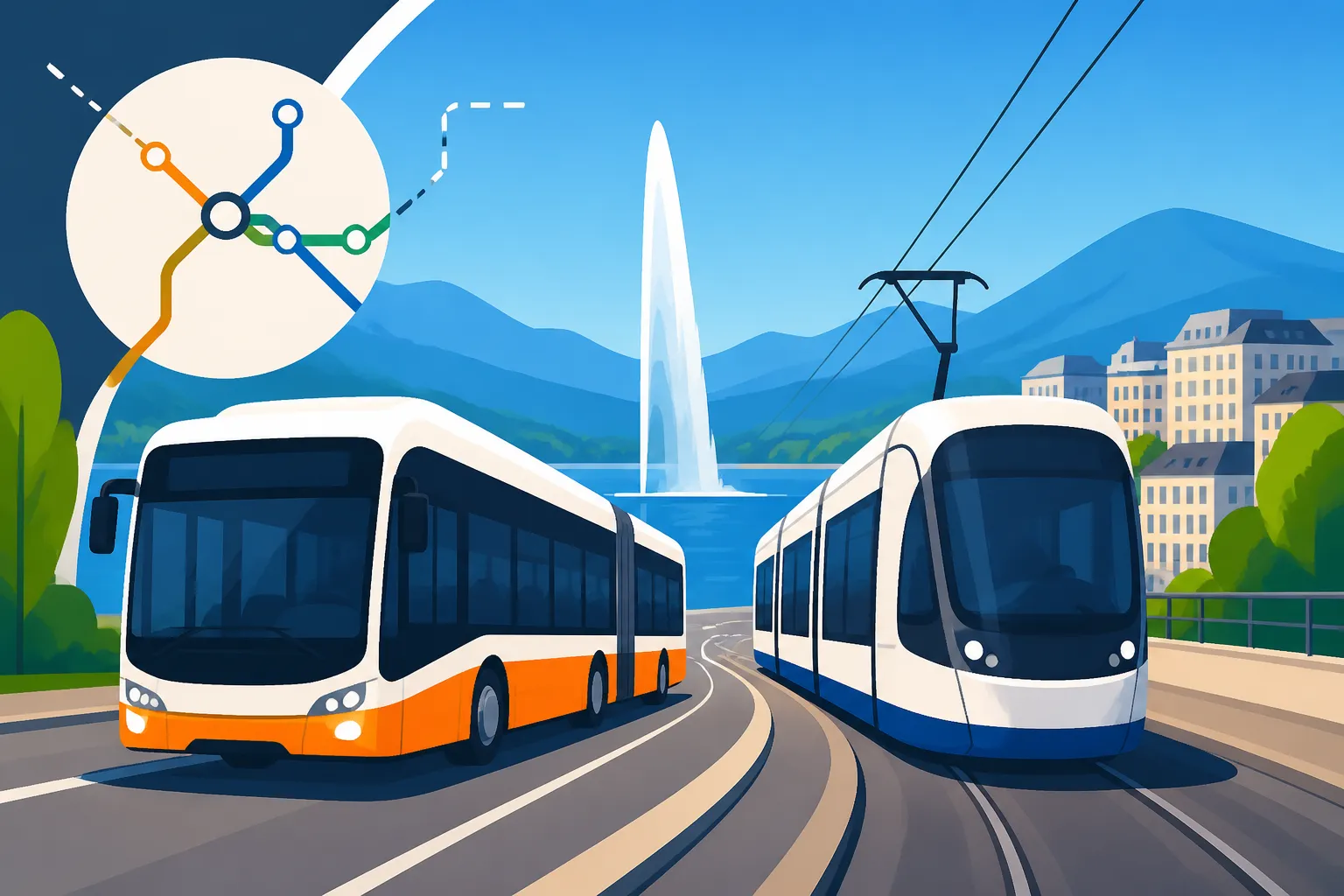
Public Transport in Geneva: TPG Network and Cross-Border Trams
Navigating public transport in a new city can feel like deciphering a secret code, and Geneva, with its unique cross-border flair and multiple zones, is no exception. Forget what you knew about simple metro systems; here, buses, trams, and even boats form an intricate dance that can initially bewilder even the most seasoned expat. This guide is designed to cut through the confusion, helping you understand Geneva's Transports Publics Genevois (TPG) network, master the ticketing, and confidently travel within the city and across the French border.
Understanding Geneva's TPG Network
When you first arrive in Geneva, perhaps after the whirlwind of securing an apartment and dealing with initial logistics, finding your way around the public transport system is one of the first big hurdles. It’s not just about getting from A to B; it's about understanding the rhythm of the city. The Transports Publics Genevois, or TPG, is the backbone of urban mobility here, integrating trams, buses, and trolleybuses into a surprisingly efficient, if sometimes complex, system.
Trams: The City's Lifelines
The trams in Geneva are often the most visible and widely used form of transport, cutting across the city and providing quick connections to many key areas. They are usually quite frequent, especially during peak hours, and offer a comfortable way to get around. Lines like the iconic Tram 12, which stretches from Grand-Lancy all the way to Annemasse in France, or Tram 18, connecting CERN to Carouge, quickly become indispensable for daily commutes and explorations.
What many newcomers find reassuring about the trams is their predictability. They generally stick to their schedules and are a fantastic way to grasp the geography of Geneva. You'll find yourself relying on them for everything from grocery runs to exploring different neighborhoods. Just remember, these aren't just for locals; they're your gateway to integrating into the daily flow of life in this beautiful city. For those still Renting in Switzerland: The Complete 2027 Guide for Expats and scouting out neighborhoods, paying attention to tram lines can make all the difference in your daily commute.
Buses and Trolleybuses: Expanding Your Reach
While trams cover the main arteries, Geneva's extensive network of buses and trolleybuses (those electric buses connected to overhead lines) fills in the gaps, reaching residential areas, industrial zones, and even venturing deep into the surrounding countryside. There are dozens of lines, each serving a specific purpose, and you’ll quickly learn which ones are essential for your routine.
For instance, buses like the 5, 8, or D connect you to the airport, the UN, or various international organizations, making them vital for many expats. Trolleybuses, identifiable by their quiet operation and overhead poles, are also a common sight. Don't be surprised if a specific bus line becomes your best friend, taking you directly to your workplace or your child's school. While the sheer number of lines can feel overwhelming at first, with a good app (which we’ll get to!), you’ll master them faster than you think. And if you're thinking about the broader financial picture, understanding your commuting costs is a key part of your Cost of Living in Switzerland 2026: Budgeting for Singles and Families.
Night Transport: When the City Sleeps (Almost)
Geneva isn’t a city that completely shuts down after dark, and its public transport reflects that. The Noctambus network ensures you can still get around late into the night, especially on weekends. These special night buses operate on key routes, connecting popular nightlife spots and residential areas.
While less frequent than daytime services, Noctambus lines are a lifesaver if you're enjoying an evening out and don't want to rely on expensive taxis. The cost is usually the same as a regular ticket, making it a budget-friendly option. It's one of those things you don't think about until you need it, but knowing it's there adds a layer of comfort to your expat life. Just be sure to check the specific schedules, as they vary considerably from the daytime routes.
Fares, Tickets, and Passes: Navigating the System
Ah, the ticketing system! This is where many of us, myself included, have stood scratching our heads at the red ticket machines, trying to figure out which button to press. Geneva operates under the Unireso tariff community, which integrates TPG (Geneva), SBB (national trains), and various regional bus companies, simplifying travel within the Canton of Geneva and even extending to parts of Vaud and France. However, simplicity is a relative term when you first encounter it.
Single Tickets and Day Passes: For Occasional Travelers
If you're just making a quick trip or have visitors in town, single tickets and day passes are your go-to. A single ticket (often called a 'billet plein tarif' or a 'ticket 1 heure') typically grants you 60 minutes of travel across all TPG zones within the Canton of Geneva (usually Zone 10, plus any specific zones you select) and covers all modes of transport – bus, tram, trolleybus, and even the Mouettes Genevoises (the yellow lake boats). The key is the time limit, not the distance or number of transfers.
For days when you plan to hop on and off public transport frequently, a day pass (often called a 'carte journalière') is much more economical. These typically cover all of Geneva's Unireso zones for 24 hours. You can buy these at any TPG or SBB machine, or via the mobile apps. Just remember to validate your ticket if you buy it from a driver or an un-stamped one from a machine, though most machine-issued tickets are already time-stamped. Many tourists are familiar with the free transport card offered by hotels, but for residents, understanding the actual cost is important.
Table: Common TPG/Unireso Ticket Options (Zone 10 – Geneva)
| Ticket Type | Validity | Price (approx. CHF) | Best For | Notes |
|---|---|---|---|---|
| Ticket 1 heure | 60 minutes | 3.00 | Single trip / Short errands | Valid for all modes within chosen zones. |
| Carte journalière | 24 hours | 10.00 | Multiple trips in one day | Unlimited travel within chosen zones for 24 hours. |
| Carte 9 heures | 9:00 AM – Midnight | 8.00 | Off-peak daytime travel | Cheaper day pass for non-morning commuters. |
| Ticket court parcours | 30 minutes | 2.00 | Very short distances (1-3 stops) | Not available from all machines or apps, use with caution. |
| Billet événementiel | Event specific | Free (often) | Attending major events (e.g., Geneva Auto Show) | Often included with event ticket or provided by organizers. |
Note: Prices are approximate as of early 2026 and can change. Always check the official TPG website or ticket machines for the most current information.
Monthly and Annual Passes: For Regular Commuters
If you're living and working in Geneva, monthly (abonnement mensuel) or annual (abonnement annuel) passes under the Unireso banner are almost certainly the most cost-effective option. These allow for unlimited travel within your chosen zones for the duration of the pass. Zone 10 covers the entire city of Geneva, so most expats will start there.
You can purchase these passes at TPG points of sale (like the one at Cornavin train station) or online. For residents, especially those working in the city, an annual pass is usually slightly cheaper than twelve monthly passes combined. It’s a significant upfront cost, but the peace of mind knowing you can hop on any bus or tram without a second thought is priceless. This is much like how The Half-Fare Travelcard Halbtax: The Must-Have Pass for Swiss Residents works for national travel, providing a significant discount for frequent users. Don't forget, if you register your address when you first arrive at your local commune, you'll start receiving information on these options, so make sure to take care of Registering Your Address at the Kreisbüro Within 14 Days of Moving promptly.
Payment Methods: Machines, Apps, and SMS
Gone are the days when you needed a pocket full of coins for every trip (though cash is still accepted at machines). Geneva has embraced modern payment methods, making life much easier.
- Ticket Machines: These ubiquitous red machines at most stops are still the primary way to buy physical tickets. They accept coins, banknotes, and most credit/debit cards. The interface can be a little confusing at first, especially if you need to select specific zones, but you'll get the hang of it.
- TPG Mobile App: This is a game-changer. Download the official TPG app (or the SBB Mobile app, which also works for Unireso tickets) to your smartphone. You can buy single tickets, day passes, and even some zone extensions directly from the app. It's incredibly convenient, especially if you're running late or don't have cash. The ticket is displayed on your phone, ready for inspection.
- SMS Ticket: For spontaneous single trips, you can often buy a ticket by sending an SMS to a specific number (e.g., "TPG1" for a standard ticket). The cost is added to your mobile phone bill. This is great in a pinch, but make sure your Swiss mobile plan supports it. If you're still figuring out your Swiss Mobile Plans: Best Subscriptions and Prepaid eSIMs for Expats, consider getting a local SIM or an eSIM from providers like Airalo for seamless data access, especially if you're relying on apps for tickets and navigation, or when you might venture just across the border where your main plan might falter.
Cross-Border Trams and Buses: Your Gateway to France
One of the most unique aspects of living in Geneva is its proximity to France, and the TPG network fully embraces this, offering direct cross-border connections. For many expats, this isn't just a novelty; it's a daily reality, whether for work, cheaper groceries, or exploring the beautiful French Savoyard region. This is particularly relevant for those who are Cross-Border Commuting: Working in Switzerland with a G Permit.
Key Cross-Border Routes and Destinations
Geneva has several essential lines that seamlessly transition into France. These aren't just special tourist routes; they're integral parts of the local transport system, used by thousands of commuters every day.
- Tram 17 (Geneva to Annemasse): This is perhaps the most well-known cross-border tram. It takes you directly from the heart of Geneva to Annemasse, a town just over the French border. Annemasse is popular for its larger supermarkets, petrol stations, and generally lower cost of living for many goods. The journey is smooth, and you often won't even notice you've crossed a border until you see the prices in euros or hear more French spoken.
- Bus Y (Geneva to Ferney-Voltaire): For those living or working in the Ferney-Voltaire area of France, Bus Y is indispensable. It connects Geneva city center to Ferney-Voltaire, a town famous for its market and proximity to CERN.
- Bus F (Geneva to Gex): This bus line takes you further into France, towards the town of Gex, which is popular with expats looking for slightly more affordable housing options while still commuting to Geneva.
- Other regional French connections: Beyond these main lines, many other bus routes serve smaller French towns and villages bordering Geneva. These are vital for the extensive community of cross-border commuters.
Ticketing for Cross-Border Travel
This is where things can get a little tricky, but once you understand it, it's straightforward. The Unireso network extends into specific French zones, and for longer journeys, you might need a "Léman Pass" or a ticket covering additional zones.
- Unireso Zones: Your standard Geneva Unireso ticket (Zone 10) often covers the very first few stops into France (e.g., Ambilly on the Tram 17 route). For further travel into France, you'll need to purchase a ticket that covers the additional French zones (e.g., Zone 200, 201, etc.). The machines at the border stops or the TPG app allow you to select these expanded zones.
- Léman Pass: For regular cross-border commuters, especially those traveling deeper into France or connecting to other parts of the wider Geneva region (like Vaud), the Léman Pass is the most efficient option. This pass integrates transport across the entire Franco-Genevois and Vaudois region, making daily commutes much simpler. It's designed for those with complex travel needs who regularly cross the border.
The key frustration here for many is ensuring you have the correct ticket for the correct zones. Controllers are vigilant, and ignorance of the zone system is not an excuse for an invalid ticket. Always double-check your destination and purchase the appropriate fare. When you consider Travel Rights: Visiting the Schengen Area with a Swiss Residence Permit, remember that your transport ticket is separate from your permit, and a quick hop over the border requires the right fare.
Practical Tips and Essential Apps for Geneva Public Transport
Mastering Geneva's public transport isn't just about knowing the routes; it’s about learning the unspoken rules, finding the right tools, and generally making your life easier. As an expat, you're already juggling so much, so let's simplify this part for you.
Essential Mobile Apps
In today's connected world, your smartphone is your best friend for navigating public transport.
- TPG Mobile App: This is the official app, and it's fantastic. You can plan your journey, check real-time departure times, see delays, and most importantly, buy tickets directly from your phone. It integrates with the Unireso tariff, making ticket purchases seamless. Highly recommended for daily use.
- SBB Mobile App: While primarily for national train services, the SBB app is also excellent for local public transport. It provides comprehensive journey planning across all of Switzerland, including TPG, and allows you to purchase Unireso tickets. It's great if you also plan on doing some Switzerland by Train: The SBB Network, Scenic Routes, and Day Trips.
- Google Maps: A classic for a reason. Google Maps integrates public transport routes and real-time data, making it a reliable backup or primary tool for journey planning.
Always ensure you have enough data on your phone. If you're a new arrival and still figuring out your mobile plan, or if you frequently dip into France where roaming charges can apply, consider a local eSIM from a provider like Airalo to keep you connected. It prevents those stressful moments when you're trying to buy a ticket but have no signal.
Etiquette and Unspoken Rules
Swiss public transport is famously efficient, but it also comes with a set of unspoken rules that contribute to its smooth operation.
- Punctuality: TPG is generally very punctual. If a connection is tight, trust that it will likely be made. Conversely, if you're running late, the bus or tram usually won't wait.
- Cleanliness: Swiss public transport is meticulously clean. Do your part to keep it that way. No littering, no feet on seats.
- Noise Levels: While conversations are fine, loud phone calls or music without headphones are generally frowned upon, especially during morning and evening commutes. People appreciate peace and quiet. This goes hand-in-hand with the general Swiss respect for Quiet Hours Ruhezeiten: Sunday Rules for Laundry, Mowing, and Noise in residential areas.
- Standing Aside: When waiting at a stop, let passengers alight before you try to board. It seems obvious, but it's rigidly observed.
- Priority Seating: Offer your seat to the elderly, pregnant women, or those with mobility issues. It's a fundamental courtesy.
- Opening Doors: On older trams or buses, you might need to press a button to open the doors. Don't just stand there waiting!
Dealing with Delays and Disruptions
While TPG is reliable, disruptions do happen. Strikes (rare but impactful), technical issues, or major accidents can cause delays.
- Check the App: The TPG app is your best source for real-time information on delays, diversions, and alternative routes.
- Announcements: Pay attention to announcements at stops and on board. Even if they're in French, you'll often pick up keywords like "retard" (delay) or "déviation" (diversion).
- Stay Calm: Panic won't get you there faster. The system usually recovers quickly, and staff are generally helpful if you politely ask for assistance.
Understanding these nuances makes a huge difference in your daily life, transforming public transport from a challenge into a comfortable, predictable part of your routine. And as you settle in, remember that services like Sirelo can assist with the broader relocation, helping you unpack and get oriented, so you can focus on mastering the local transport. Speaking of local living, understanding the transit options is crucial when considering the Best Neighborhoods in Geneva for English-Speaking Newcomers, as good connections often weigh heavily on comfort and convenience.
Disclaimer
The information provided in this guide is for general informational purposes only and is based on typical scenarios for expats in Switzerland. While every effort has been made to ensure accuracy, regulations, prices, and procedures can change. It is always recommended to consult official TPG, Unireso, or other relevant Swiss government websites for the most current and precise information. This guide does not constitute professional advice.