Sleep Disorders in Switzerland: Sleep Clinics and Apnea Treatment
Adjusting to life in Switzerland is a dream for many, but the quiet efficiency and stunning landscapes can sometimes mask a deeper, more personal challenge: the struggle for a good night's sleep. Many of us expats arrive feeling a bit off-kilter, and sometimes that initial jet lag or "new country stress" evolves into something more persistent, like a full-blown sleep disorder. Believe me, I've been there – that feeling of waking up still exhausted, wondering if you'll ever truly feel rested in your new home. This guide is here to walk you through navigating sleep disorders in Switzerland, from finding the right clinic to understanding apnea treatments and everything in between.
Understanding Sleep Disorders in Switzerland: More Than Just Jet Lag
When you first move to Switzerland, between the excitement, the administrative hurdles, and the sheer effort of understanding a new culture, it's totally normal to experience some disrupted sleep. But what happens when "disrupted" turns into a chronic problem? It's not just "expat burnout" anymore; it could be a clinical sleep disorder that genuinely impacts your quality of life. The Swiss healthcare system is incredibly robust, but knowing where to start for something as personal as sleep can feel daunting.
Common Sleep Disorders Affecting Expats
Many sleep disorders plague people worldwide, and expats are no exception. In fact, the unique stressors of relocation can often exacerbate them. Insomnia, characterized by difficulty falling or staying asleep, is a common culprit. You might find yourself staring at the ceiling, replaying interactions in German or French, or worrying about your permit renewal. Stress and anxiety are huge triggers, and living in a new country often comes with a hefty dose of both.
Then there's sleep apnea, a condition where your breathing repeatedly stops and starts during sleep. This often manifests as loud snoring, but the real danger is the intermittent lack of oxygen. You wake up feeling like you haven't slept at all, no matter how many hours you were "in bed." Partners often notice this before the individual does, complaining about the snoring or gasping sounds. Restless Legs Syndrome (RLS) is another one, causing an irresistible urge to move your legs, often accompanied by uncomfortable sensations, particularly at night. These conditions don't just make you tired; they can impact your mood, concentration, and overall health, making that "dream expat life" feel more like a constant uphill battle.
The Initial Steps: When to Seek Help from a GP
So, how do you know if your sleep issues are just a phase or something that requires professional intervention? If your sleep problems have been ongoing for more than a few weeks, significantly affect your daytime functioning (like making you drowsy, irritable, or unable to concentrate), or if your partner has noticed concerning symptoms like loud snoring, gasping, or pauses in breathing, it's definitely time to chat with your general practitioner, your Hausarzt or médecin de famille.
Your GP is the gatekeeper to the Swiss healthcare system. They'll be your first point of contact and can help determine if your symptoms warrant further investigation. Don't be afraid to clearly articulate your struggles. Sometimes, even finding an English-speaking family doctor can be a challenge, but it’s crucial to be understood. They might ask about your sleep habits, lifestyle, medical history, and current medications. They could suggest basic sleep hygiene improvements first. However, if they suspect an underlying sleep disorder like apnea or severe insomnia, they will refer you to a specialized sleep clinic or a sleep medicine specialist. This referral is often a mandatory step to ensure your basic health insurance covers the subsequent diagnostic tests and consultations. For those on a Telmed Insurance Explained: How Calling First Saves You Premium Costs, this initial call to your tele-doctor is especially important.
Navigating Swiss Sleep Clinics and Diagnostic Processes
Once your general practitioner gives you a referral, you'll be directed to a specialized sleep clinic. These clinics are often found within larger university hospitals or private medical centers across Switzerland. They are staffed by neurologists, pulmonologists, and other specialists who are experts in diagnosing and treating a wide array of sleep disorders. It's a highly structured and professional process, designed to get to the root of your problem.
What to Expect at a Sleep Clinic Consultation
Your first visit to a sleep clinic will typically involve a comprehensive consultation. This isn't just a quick chat; it's a deep dive into your sleep history, medical background, and lifestyle. The specialist will ask you detailed questions about when your sleep problems started, their severity, what makes them better or worse, and how they affect your daily life. They'll want to know about your sleep schedule, consumption of caffeine or alcohol, exercise habits, and any medications you're taking. They might also have you fill out questionnaires, like the Epworth Sleepiness Scale, to assess your daytime drowsiness.
Based on this initial assessment, the specialist will determine if a sleep study, known as polysomnography (PSG), is necessary. This is the gold standard for diagnosing many sleep disorders, particularly sleep apnea. They'll explain the process, schedule your study, and answer any questions you might have. It can feel a bit clinical and perhaps a little intimidating, but remember, they're gathering crucial data to help you.
Types of Sleep Studies (Polysomnography) in Switzerland
Polysomnography involves monitoring various bodily functions while you sleep to identify abnormalities. In Switzerland, you'll typically encounter two main types:
-
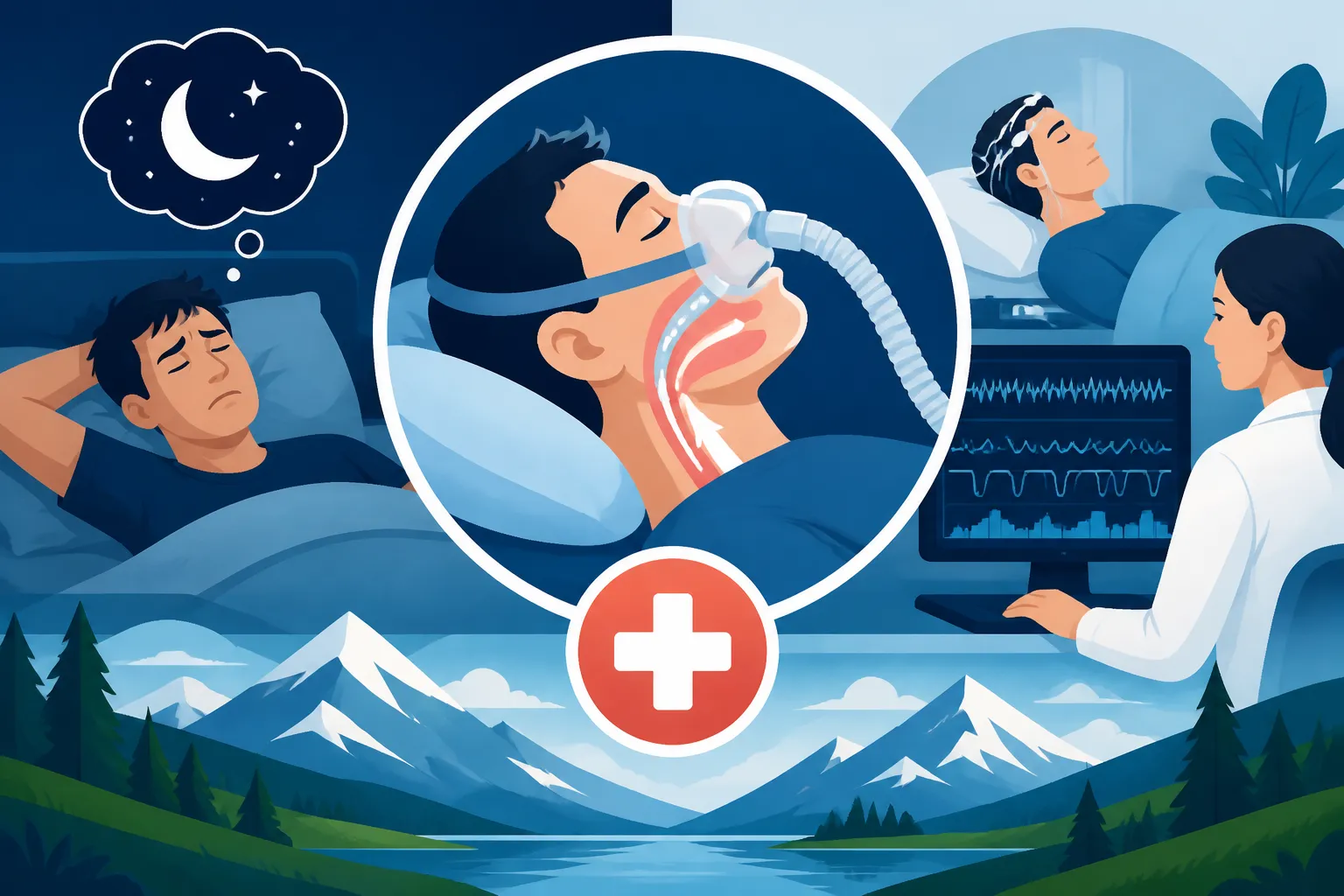
In-Lab Polysomnography (PSG): This is the most comprehensive type of sleep study and usually takes place overnight in a dedicated sleep laboratory within a hospital or clinic. You'll arrive in the evening, and a sleep technician will attach numerous sensors to your body. These sensors monitor a wide range of parameters:
- Brain activity (EEG): To identify sleep stages and arousals.
- Eye movements (EOG): Also for sleep staging.
- Muscle activity (EMG): To detect restless legs syndrome or teeth grinding (bruxism).
- Heart rhythm (ECG): To check for cardiac abnormalities during sleep.
- Breathing effort and airflow: To identify apneas (pauses in breathing) and hypopneas (shallow breathing).
- Oxygen saturation (SpO2): To measure oxygen levels in your blood, crucial for apnea diagnosis.
- Body position and limb movements.
Sleeping with all these wires might sound like something out of a sci-fi movie, and it can feel a bit odd initially, but the technicians are experts at making you as comfortable as possible. The goal is to capture as much natural sleep data as possible. This type of study provides the most detailed information, allowing specialists to differentiate between various sleep disorders accurately.
-
Home Sleep Apnea Testing (HSAT): For those whose primary concern is obstructive sleep apnea, a simpler home sleep test might be an option. This involves a portable monitoring device that you take home and set up yourself for one or more nights. It typically monitors fewer parameters than an in-lab PSG, usually focusing on breathing, oxygen levels, heart rate, and sleep position. While less comprehensive, it's more convenient and can be a good first step, especially for those with clear symptoms of sleep apnea and no other complex medical conditions. Your sleep specialist will decide which type of study is most appropriate for your specific situation. The detailed results from these studies will form the basis of your diagnosis and subsequent treatment plan.
Apnea Treatment Options in Switzerland: Finding Your Relief
If your sleep study confirms sleep apnea, it's a huge step towards better sleep and better health. The good news is that Switzerland offers state-of-the-art treatments to manage this condition effectively. It might seem daunting at first, but many expats find immense relief once they start treatment.
CPAP Therapy: The Gold Standard for Sleep Apnea
For moderate to severe obstructive sleep apnea, Continuous Positive Airway Pressure, or CPAP, is widely considered the most effective and gold-standard treatment. It might sound intimidating, but it's remarkably simple in principle: a CPAP machine delivers a constant stream of air through a mask you wear over your nose or nose and mouth while you sleep. This gentle air pressure keeps your airway open, preventing those terrifying pauses in breathing.
When you're prescribed CPAP in Switzerland, you won't just be handed a machine. You'll work closely with a sleep technician or a specialized supplier who will help you:
- Choose the right mask: There's a huge variety – nasal pillows, nasal masks, full-face masks. Finding one that's comfortable and fits well is crucial for adherence. They'll guide you through fitting sessions.
- Titrate the pressure: The optimal air pressure is determined during your sleep study or follow-up titration study. The machine will be set to this specific pressure.
- Understand the equipment: You'll learn how to clean your machine and mask, maintain it, and troubleshoot common issues.
- Follow-up care: Regular follow-ups with your sleep clinic and supplier are essential. They'll monitor your progress, check the data recorded by your CPAP machine (which many modern devices do automatically), and make any necessary adjustments to ensure effective therapy.
It takes some getting used to – many describe it as a learning curve – but the benefits of restored sleep, increased energy, and improved health are truly life-changing. Don't be discouraged if the first mask isn't perfect; there are many options and experienced professionals to help you find your comfort zone.
Alternative Treatments for Sleep Apnea
While CPAP is highly effective, it's not the only option, nor is it suitable for everyone. Depending on the severity of your apnea and your personal preferences, your Swiss specialist might discuss alternatives:
- Oral Appliances: For mild to moderate sleep apnea, a custom-made oral appliance, similar to a mouthguard, can be effective. These devices are worn during sleep and work by repositioning your jaw or tongue to keep your airway open. They are typically fitted by a dentist specializing in sleep medicine. They're much less bulky than a CPAP machine and are a good option for people who travel frequently.
- Positional Therapy: Some people experience sleep apnea primarily when sleeping on their back. Positional therapy involves devices or strategies that encourage you to sleep on your side. Simple solutions might include specially designed pillows or vests that prevent back-sleeping.
- Weight Management and Lifestyle Changes: For many, excess weight contributes significantly to sleep apnea. Your doctor will likely emphasize the importance of losing weight, avoiding alcohol before bed, and quitting smoking. While not a standalone "cure," these changes can drastically improve symptoms and enhance the effectiveness of other treatments.
- Surgical Options: In some cases, if other treatments haven't worked or if there's a specific anatomical obstruction, surgical interventions might be considered. These range from procedures that stiffen the soft palate to those that advance the jaw. Surgery is usually a last resort and is thoroughly evaluated by a specialized ENT surgeon in conjunction with your sleep specialist.
Each alternative has its pros and cons, and the best treatment plan is always individualized. Open communication with your sleep specialist is key to finding the solution that works best for you and your lifestyle in Switzerland.
Insurance Coverage and Costs for Sleep Disorder Treatment
Now, let's talk about the elephant in the room for many expats in Switzerland: the cost. Healthcare here is excellent, but it comes at a price. Understanding what your insurance covers is absolutely critical before embarking on diagnosis and treatment for a sleep disorder. Don't assume anything – always check!
Basic Health Insurance (KVG) and Supplementary Coverage
In Switzerland, everyone is required to have basic health insurance, known as KVG (or LAMal in French, LaMal in Italian). The good news is that KVG generally covers the costs associated with the diagnosis and treatment of recognized sleep disorders, including:
- Initial consultations with a sleep specialist.
- Polysomnography (in-lab or home sleep studies) when medically prescribed.
- CPAP machines and related supplies (masks, tubing, filters) are typically rented or provided by accredited suppliers, with costs covered by KVG once the diagnosis is confirmed.
- Follow-up appointments with your sleep specialist or technician.
However, you will still be responsible for your annual deductible (Franchise) and the 10% co-pay (Selbstbehalt) up to a certain maximum. For conditions like sleep apnea, which often require ongoing equipment and follow-up, these out-of-pocket costs can add up, especially if you have a high deductible. It's really worth taking the time to understand your plan, especially if you chose a higher deductible to save on premiums – because those savings can disappear quickly if you need consistent care. For a deeper dive, check out our guide on Understanding KVG/LAMal: Mandatory Basic Health Insurance Explained.
Supplementary health insurance (VVG) is optional and can offer additional benefits. While it typically doesn't cover things already handled by basic KVG, it might, for example, contribute to oral appliances if KVG doesn't cover them fully, or provide a wider choice of specialists or private hospital rooms. Always read the fine print of your VVG policy. If you travel a lot for work or leisure, you might also consider a plan like SafetyWing, which offers travel medical insurance for nomads and expats, and could provide some peace of mind for emergencies, though it’s not a substitute for mandatory Swiss basic health insurance for ongoing care.
Understanding Deductibles, Co-pays, and Out-of-Pocket Expenses
Let's break down the financial lingo a bit because it's often where expats get confused and frustrated.
- Deductible (Franchise): This is the fixed amount you pay out of your own pocket each calendar year before your basic health insurance starts covering costs. You choose this when you sign up, typically ranging from CHF 300 up to CHF 2,500 for adults. If your sleep study and initial treatment cost CHF 1,500 and your deductible is CHF 1,000, you pay the first CHF 1,000.
- Co-pay (Selbstbehalt): Once you've met your deductible, your insurance pays 90% of further medical costs, and you pay the remaining 10%. This co-pay is capped at CHF 700 per year for adults. So, using the example above, after paying your CHF 1,000 deductible, if your remaining bill is CHF 500, you would pay CHF 50 (10%) and your insurance would cover CHF 450.
- Out-of-Pocket Maximums: The total you can expect to pay out of your pocket in a given year for KVG-covered services is your chosen deductible plus the CHF 700 co-pay cap. So, with a CHF 2,500 deductible, your maximum annual out-of-pocket for KVG services would be CHF 3,200.
It's crucial to factor these amounts into your budget. When you're dealing with a chronic condition like sleep apnea, which involves specialist visits and equipment, you'll likely hit your deductible and potentially your co-pay cap each year. Before agreeing to any treatment or service, don't hesitate to ask the clinic or your insurance provider for an estimate of costs and what your personal out-of-pocket contribution will be. Our article The Swiss Franchise System: How Deductibles and Copays Work can provide more clarity on this.
Living with a Sleep Disorder in Switzerland: Practical Tips and Support
Getting a diagnosis and starting treatment for a sleep disorder is a huge step, but living with it, especially as an expat, requires ongoing effort and a bit of adaptation. Switzerland offers many resources, but sometimes it takes a bit of digging to find them in a way that feels comfortable and accessible.
Finding English-Speaking Specialists and Support Groups
One of the biggest hurdles for expats navigating the Swiss healthcare system is the language barrier. While many medical professionals, especially in larger cities and university hospitals, speak excellent English, it's not guaranteed, particularly for administrative staff or in smaller, more rural clinics.
Here are some tips:
- Directories: Websites like Doctena or OneDoc allow you to search for specialists and often filter by spoken language. Major expat forums and social media groups are also invaluable for recommendations for English-speaking doctors. Finding an English-Speaking Family Doctor (Hausarzt) in Major Cantons is a great first step.
- University Hospitals: Clinics associated with university hospitals in cities like Zurich, Geneva, Basel, or Bern are more likely to have multilingual staff and services catering to an international clientele.
- Expat Networks: Reach out to expat groups in your area. Chances are, someone else has gone through a similar experience and can recommend a specific sleep specialist or clinic where they felt understood.
- Support Groups: While less common than in some other countries, there are sometimes local or online support groups for specific conditions like sleep apnea. These can be fantastic for sharing experiences, tips for mask comfort, and general coping strategies. Search for "Schlafapnoe Selbsthilfegruppe" (German for sleep apnea self-help group) in your canton or city, and you might find English-speaking members or meetings.
Don't underestimate the power of feeling understood when discussing something as personal as your sleep. Advocate for yourself to find a provider who can communicate effectively in a language you're comfortable with.
Lifestyle Adjustments and Sleep Hygiene
Beyond specific medical treatments, adopting good sleep hygiene and making some lifestyle adjustments can significantly improve the quality of your sleep, regardless of whether you have a diagnosed disorder or are just struggling to adjust.
- Stick to a Schedule: Try to go to bed and wake up at roughly the same time each day, even on weekends. This helps regulate your body's natural sleep-wake cycle.
- Create a Relaxing Bedtime Routine: Winding down before bed is crucial. This could involve reading, taking a warm bath, listening to calming music, or light stretching. Avoid screens (phones, tablets, computers) for at least an hour before bed.
- Optimize Your Sleep Environment: Ensure your bedroom is dark, quiet, and cool. Switzerland is known for its quiet residential areas, especially during Ruhezeiten (quiet hours), so leverage that! Invest in good curtains or blinds if light pollution is an issue.
- Watch What You Consume: Limit caffeine and alcohol, especially in the afternoon and evening. While alcohol might initially make you feel drowsy, it disrupts sleep quality later in the night.
- Regular Exercise: Physical activity during the day can promote better sleep, but try to avoid intense workouts too close to bedtime. Take advantage of Switzerland's beautiful hiking trails and outdoor activities during the day.
- Manage Stress: This is a big one for expats. Find healthy ways to cope with stress, whether it's through mindfulness, yoga, spending time in nature, or connecting with friends. If stress is a significant factor, consider seeking support for your Mental Health in Switzerland: Accessing Therapists and Psychiatric Care.
These habits, combined with professional treatment for conditions like sleep apnea, can make a profound difference in reclaiming your nights and enjoying your expat life in Switzerland to the fullest.
Here's a quick overview of common sleep disorders and treatments in Switzerland:
| Sleep Disorder | Primary Symptoms | Typical Swiss Diagnosis | Main Treatment Options (KVG Covered) |
|---|---|---|---|
| Insomnia | Difficulty falling/staying asleep, early waking | GP consultation, sleep diary | CBT-I, lifestyle changes, medication (short-term) |
| Obstructive Sleep Apnea (OSA) | Loud snoring, gasping, daytime fatigue, pauses in breathing | In-lab/Home Polysomnography (PSG) | CPAP therapy, oral appliances, lifestyle changes, surgery |
| Restless Legs Syndrome (RLS) | Irresistible urge to move legs, uncomfortable sensations | GP consultation, neurological exam | Lifestyle changes, medication, iron supplementation |
| Narcolepsy | Excessive daytime sleepiness, sudden sleep attacks | In-lab PSG, Multiple Sleep Latency Test (MSLT) | Medication, scheduled naps, lifestyle changes |
| Circadian Rhythm Disorders | Sleep-wake cycle disruption (e.g., shift work) | Sleep diary, actigraphy, light therapy | Light therapy, melatonin, chronotherapy, lifestyle adjustments |
Remember, this table is a generalization. Each case is unique, and you should always consult with a medical professional for personalized advice.
Disclaimer
The information provided in this guide is for general informational purposes only and does not constitute medical advice. While we strive to provide accurate and up-to-date information, individual medical situations vary. Always consult with a qualified healthcare professional, such as your doctor or a sleep specialist in Switzerland, for diagnosis, treatment, and medical advice pertaining to your specific health concerns. The Swiss healthcare system and insurance rules can be complex; it is your responsibility to verify coverage with your health insurance provider.