Does Military Service Exemption Apply to Naturalized Swiss Citizens?
Receiving that crisp, red Swiss passport is a moment of pure triumph after years of navigating the Naturalization Timeline: How Long It Actually Takes After Applying. I remember the day my own paperwork finally cleared; I felt like I had finally reached the summit of the Eiger. But for many men, that euphoria is quickly met with a confusing, slightly daunting letter from the Federal Department of Defence, Civil Protection and Sport regarding your military obligations. This guide clarifies exactly how military service and the dreaded exemption tax apply to those who become Swiss later in life.
The Legal Reality: Who Must Serve and Who is Exempt
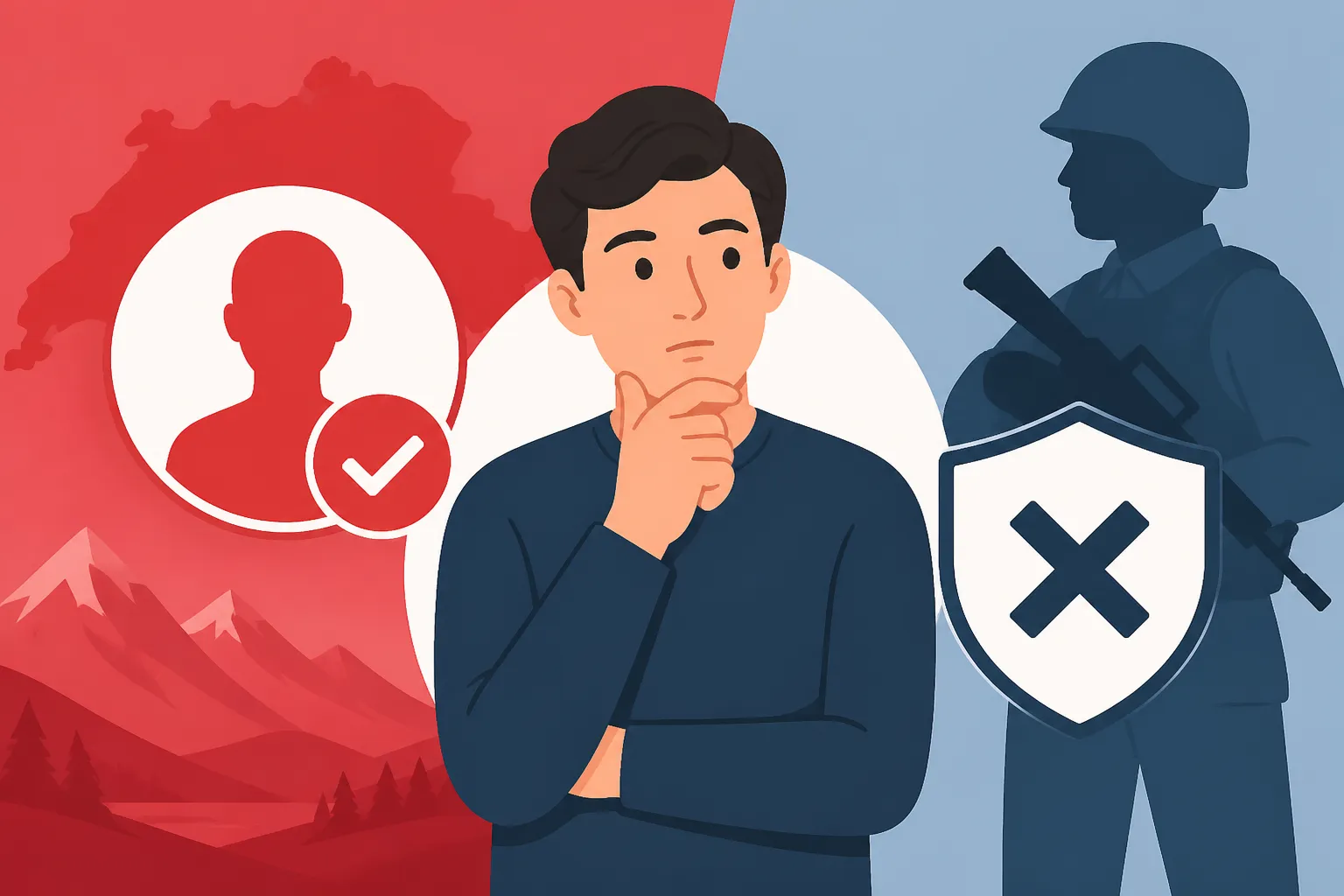
In Switzerland, military service is mandatory for all male Swiss citizens. This is a fundamental pillar of the country's "militia" system, where the army is not just a professional force but a reflection of the citizenry. When you become a naturalized citizen, you aren't just getting a travel document; you are stepping into a set of constitutional duties that have existed for centuries. However, the application of these duties depends heavily on one factor: your age at the moment you are granted citizenship.
Generally, the liability for military service begins at the start of the year in which you turn 18 and lasts until the end of the year you turn 30. If you are a man in this age bracket when you complete the Becoming Swiss: Naturalization and Citizenship Process in 2027, you will be called for a recruitment day (Orientierungstag). At this stage, you are treated exactly like a native-born Swiss man. You will be evaluated for physical and mental fitness to determine if you are "diensttauglich" (fit for service).
For many expats, the naturalization process takes a decade or more. If you followed The Swiss C Permit (Permanent Residency): Fast-Track and Standard Routes and applied for citizenship in your mid-30s, you might think you are entirely "off the hook." While you won't be sent to boot camp to crawl through the mud in the Alps, you are rarely fully exempt from the financial obligation. Switzerland has a very specific "Military Service Exemption Tax" (Wehrpflichtersatzabgabe) designed to ensure that those who do not serve still contribute to the national defense.
The Recruitment Process for New Citizens
If you fall within the eligible age range, you will receive a summons to a recruitment center. It is a multi-day process involving fitness tests, psychological evaluations, and medical screenings. If you have pre-existing medical conditions that might make you unfit for service, you should prepare your medical history meticulously. For those with international medical records, using a service like RushTranslate to ensure your doctor's notes are accurately reflected in German, French, or Italian is essential for the military surgeons to make an informed decision.
The Financial Sting: Understanding the Military Service Exemption Tax
This is where the reality of naturalization hits the wallet of many new Swiss men. If you are deemed unfit for service, or if you are naturalized after the age where you would typically begin your service but before the age of 37, you are liable for the exemption tax. This tax is not a one-time fee; it is an annual obligation.
The tax is calculated as 3% of your taxable income, with a minimum payment of 300 CHF per year. For a high-earning expat, this 3% can represent a significant chunk of change. If you have worked hard to reach a high salary level and are already Filing a Swiss Tax Return (C Permit or High Earners on B Permit), this military tax will be added to your federal tax bill.
Who Specifically Pays the Tax?
- Those deemed medically unfit: If the military decides you cannot serve for health reasons, you pay the tax.
- Those who choose Civil Service: If you have a conflict of conscience and opt for Zivildienst (Civil Service), you serve 1.5 times longer than the military duration. If you don't complete your required days in a given year, you may still owe the tax for that period.
- Late-naturalized citizens: This is the most common scenario for expats. If you become Swiss at age 32, you are past the recruitment age, but you are still within the "taxable" age bracket.
The obligation to pay the exemption tax generally lasts for 11 years, or until you reach the age of 37. It is important to note that if you were naturalized very late—say, at age 38—you would typically not be liable for the tax at all, as you have passed the window of military age.
Military Service vs. Exemption Tax at a Glance
| Category | Requirement | Duration / Cost |
|---|---|---|
| Military Service | Active duty in the Army | ~245 days total (split into blocks) |
| Civil Service | Community-based work | 1.5x the length of military service |
| Exemption Tax | Financial contribution | 3% of taxable income (min. 300 CHF) |
| Civil Protection | Zivilschutz (Support roles) | Variable days + 1.5% tax (reduced) |
Dual Citizenship and Prior Military Service
One of the most frequent questions I hear from fellow expats is: "I already served in my home country; do I have to serve again?" The answer depends entirely on the country of your original nationality and the bilateral agreements Switzerland has in place.
Switzerland has specific treaties with several countries, including Germany, France, Italy, Austria, and the United States, regarding dual citizens. Generally, the rule is that if you have already fulfilled your military obligations in your country of origin, you are exempt from serving in the Swiss army. However, you are often still required to provide proof of this service.
Navigating the Paperwork
If you served in the US Army or the British Territorial Army, for example, the Swiss authorities will require official discharge papers or certificates of service. These must be translated into a local Swiss language. I highly recommend using RushTranslate for this, as military terminology is highly specific and "legal" in nature; a generic translation might not satisfy the cantonal military administration.
Even if you are exempt from serving due to prior foreign service, you may still find yourself liable for the Swiss exemption tax if your foreign service was significantly shorter than the Swiss requirement. The Swiss authorities aim for "equity of sacrifice." If your home country's service was only six months and the Swiss requirement is effectively much longer, they may ask for a compensatory tax.
It is also worth noting that as a dual citizen, you must be careful. If you voluntarily serve in a foreign military after becoming Swiss without explicit permission from the Swiss government, you could technically lose your Swiss citizenship or face criminal charges, as Swiss law generally prohibits its citizens from serving in foreign armies (with the notable exception of the Pontifical Swiss Guard).
Practical Steps When the Military Letter Arrives
When the letter from the "Kreiskommando" (District Command) arrives at your door, do not ignore it. The Swiss system is built on precision and deadlines. Failing to respond to a military summons is a criminal offense in Switzerland and can lead to heavy fines or a permanent entry in your Checking Your Debt Register Extract (Betreibungsauszug) for Loans, which will haunt your future credit applications or apartment searches.
First, check your age. If you are over 37, the letter is likely just an administrative notification or an error that can be cleared up with a quick phone call. If you are younger, you need to prepare your dossier. This is particularly important if you have health issues. The Swiss military is actually quite strict about who they take; if you have significant back issues, chronic illnesses, or mental health concerns, they will likely declare you unfit.
Preparing Your Medical Dossier
If you intend to be declared unfit for service due to health, you will need comprehensive records. Since many expats maintain international health coverage through providers like Cigna Global even after naturalizing, your records might be spread across different countries. You must consolidate these. A letter from a specialist in London or New York won't carry much weight unless it is translated and authenticated.
During the recruitment days, you will meet with a military doctor. Be honest but thorough. The Swiss army is not looking for people who don't want to be there; they are looking for people who can do the job. If you have been naturalized after following The Early C Permit (Permis C Anticipé): Qualifying After 5 Years and have spent your career in a sedentary office job, the physical reality of Swiss boot camp can be a massive shock to the system.
Integration and the "Militia" Spirit
While the tax feels like a burden, and the threat of boot camp feels like a throwback to another era, many naturalized citizens find that military or civil service is the ultimate integration tool. There is no faster way to learn High German vs Swiss German in the Workplace: What You Must Learn than being in a bunker with guys from Appenzell, Valais, and Ticino.
For those who choose the Zivildienst (Civil Service), the experience can be incredibly rewarding. You might spend several months working in a mountain forest, assisting in a hospital, or helping with environmental conservation. It provides a perspective on Swiss society that you simply cannot get from a corporate office in Zurich or a lab in Basel.
If you are a woman who has naturalized, remember that military service is entirely voluntary for you. However, more and more female expats are choosing to join the armed forces as a way to give back to their new home and gain leadership skills. The same rules for "fitness" apply, but women are exempt from the mandatory exemption tax regardless of whether they serve or not.
Final Thoughts for the New Swiss Citizen
The transition from being a guest to being a citizen involves a shift in mindset. You are no longer just subject to the rules; you are part of the system that maintains them. The military service exemption tax is, for most naturalized men, the "final hurdle" of the immigration journey.
- Verify your age: If you're over 30, you won't serve. If you're over 37, you won't pay.
- Budget for the tax: If you are a high earner naturalized in your late 20s or early 30s, expect a 3% hit on your taxable income for several years.
- Prepare your documents: Use professional services like RushTranslate for military and medical records.
- Consider Civil Service: If you are called to serve and don't want to carry a rifle, Zivildienst is a fantastic way to integrate.
Becoming Swiss is a journey that requires patience, from the moment you first learn about C Permit Language Requirements: Do I Need A2 Written and B1 Oral to the moment you cast your first vote. The military obligation is just one more chapter in your "Expat to Citizen" story. Embrace it as part of the unique fabric of life in the Helvetic Republic.
Disclaimer
This guide is for informational purposes only and does not constitute legal advice. Military regulations and tax laws in Switzerland are subject to change and may vary based on individual circumstances and cantonal interpretations. Always consult with the Federal Department of Defence, Civil Protection and Sport (DDPS) or a qualified legal professional regarding your specific military obligations.