Telmed Insurance Explained: How Calling First Saves You Premium Costs
Navigating the sheer cost of Swiss health insurance is enough to make anyone consider moving back home. I remember staring at my first premium bill in Zurich, wondering if I’d accidentally signed up for a luxury car lease instead of basic medical coverage. This guide breaks down the Telmed model, showing you exactly how making one phone call can slash your monthly costs without sacrificing quality care.
The Logic Behind the Telmed Model in Switzerland
When you first arrive in Switzerland, the insurance landscape feels like a puzzle designed by a mathematician who hates surprises. You’ll quickly learn that while Understanding KVG/LAMal: Mandatory Basic Health Insurance Explained is the baseline for everyone, the way you access that care dictates how much you pay. The Telmed model, short for "Telemedicine," is the most popular choice for budget-conscious expats because it represents a simple trade-off: you give up the right to walk directly into any doctor’s office in exchange for a significantly lower monthly premium.
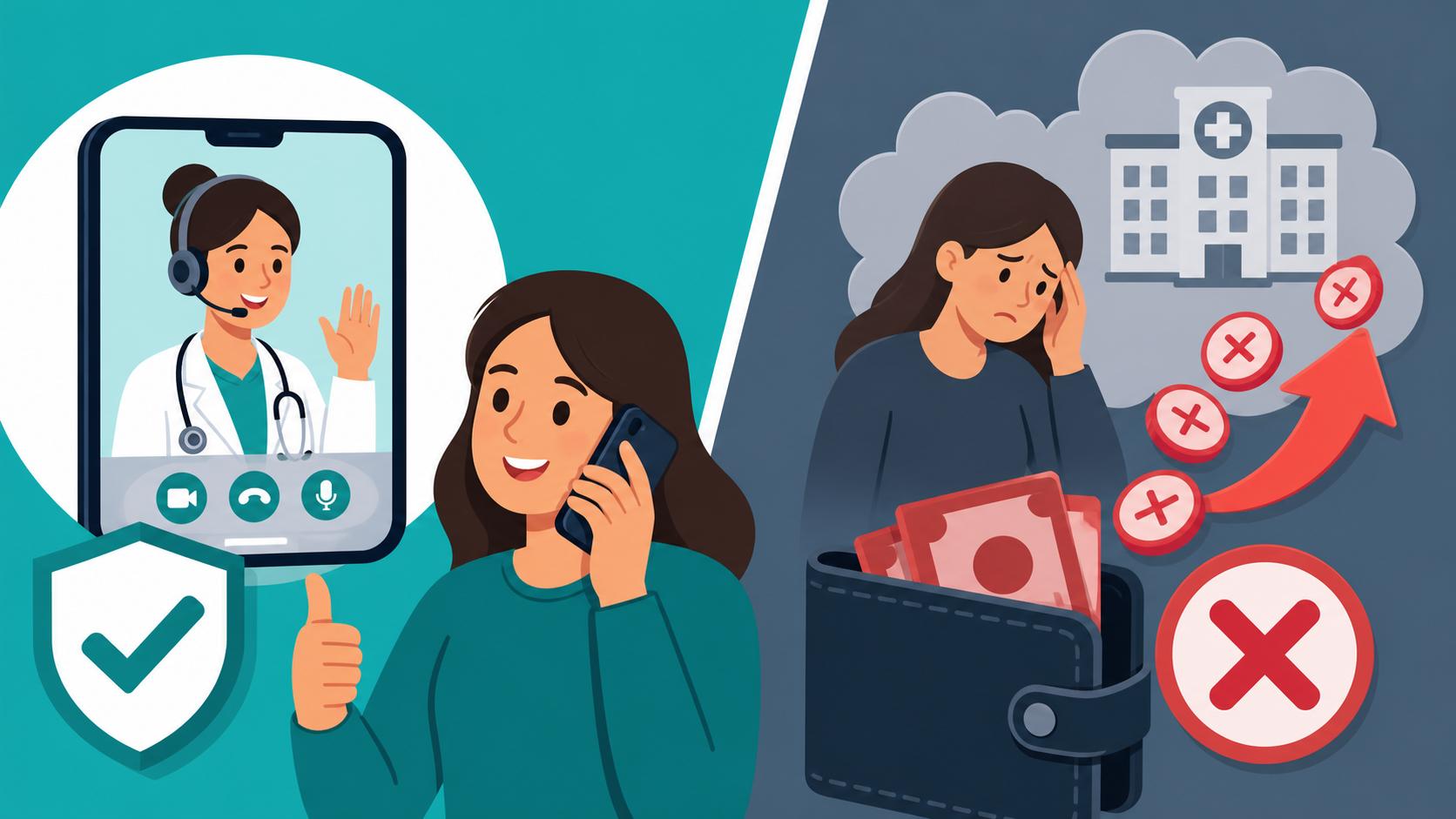
The Swiss healthcare system is notoriously expensive, but the Telmed model keeps costs down by introducing a "gatekeeper." In this case, the gatekeeper isn't a person behind a desk, but a qualified medical professional on the other end of a phone line or a video call. By requiring you to call a designated medical hotline before seeking physical treatment, insurance companies can filter out unnecessary doctor visits for minor ailments that can be managed at home. For the insurance provider, this reduces claims; for you, it translates to a discount of anywhere from 15% to 25% compared to the "Standard" (free choice of doctor) model.
I often tell new arrivals that if you are generally healthy and don't mind a bit of administrative friction, Telmed is the smartest financial move you can make. It forces you to pause and consult with a professional who might suggest an over-the-counter remedy you can easily find on iHerb rather than spending CHF 150 on a ten-minute consultation in a plush office in Geneva or Basel. This "triage" system is the backbone of the model, ensuring that the expensive time of local specialists is reserved for those who truly need it.
How the Telemedical Triage Process Actually Works
Living through a Swiss winter usually involves at least one nasty bout of the "flu" that leaves you questioning your life choices. Under a Telmed policy, your first move isn't to find a local GP. Instead, you call the medical service provider associated with your insurance company. The most common provider in Switzerland is Medgate, though some insurers use their own in-house services like Sante24.
During this initial call, you will speak with a medical assistant or a nurse who will document your symptoms. In many cases, a doctor will call you back within 30 to 60 minutes. They will then determine the next steps. They might give you a medical "referral" to see a specific specialist or your local family doctor, or they might issue a digital prescription that you can take to any pharmacy. This process is surprisingly efficient, and in major cities, these hotlines almost always offer support in English, German, French, and Italian.
It is crucial to understand that if you bypass this call and go straight to a doctor, the consequences can be irritating and expensive. Most insurers will send you a warning for the first "offense," but repeat violations can lead to the insurance company refusing to pay the bill or even forcibly moving you to a more expensive "Standard" model. However, there are established exceptions to this rule. You do not need to call the hotline for:
- Life-threatening emergencies where you need to contact Emergency Medical Services: Ambulances, REGA, and Crisis Protocols immediately.
- Annual gynecological check-ups and maternity care.
- Routine eye exams at the optometrist.
- Dental emergencies (though dental is rarely covered by KVG anyway).
- Follow-up treatments that were already approved during a previous call.
The Financial Impact of Choosing Telmed
When you are Comparing Health Insurance Models: Telmed, HMO, Family Doctor, and Standard, the primary driver is the premium savings. In Switzerland, every franc counts, especially when you are also balancing high rents and the cost of living. By committing to the Telmed model, you are essentially betting that most of your medical issues can be triaged over the phone.
To maximize these savings, many expats combine a Telmed model with the highest possible deductible. If you are young and healthy, The Swiss Franchise System: How Deductibles and Copays Work allows you to set a CHF 2,500 franchise, which, when paired with Telmed, brings your monthly premium to the absolute minimum. For someone living in a high-premium canton like Geneva or Basel-Stadt, this combination can save over CHF 1,500 per year compared to a standard model with a low franchise.
While the local KVG covers you within Switzerland, some expats prefer the added security of international plans like Cigna Global, particularly if they travel frequently or want coverage that extends back to their home country without the strict Swiss "call-first" requirements. However, for your mandatory Swiss residency requirements, the Telmed KVG remains the most common "budget" anchor. You can supplement your local care with wellness products from iHerb to manage minor symptoms, further reducing the need to trigger your high deductible for small issues like a cold or seasonal allergies.
| Feature | Telmed Model | HMO Model | Standard Model |
|---|---|---|---|
| First Point of Contact | Medical Hotline (Phone/Video) | Assigned HMO Health Center | Any Doctor in Switzerland |
| Premium Savings | High (15-25% discount) | Medium to High (10-20% discount) | None (Full Price) |
| Flexibility | Moderate (Must call first) | Low (Must use specific center) | High (Total freedom) |
| Best For | Tech-savvy, healthy expats | People wanting a "medical home" | People with chronic illnesses |
| English Support | Usually 24/7 via hotline | Depends on the specific clinic | Depends on the individual doctor |
Practical Pros and Cons for the Expat Community
The "I've been there" reality of Telmed is that it works perfectly 90% of the time, but that other 10% can be a test of patience. The biggest "pro" is clearly the money. When you're trying to save for a down payment or just trying to survive the grocery prices at Coop and Migros, an extra CHF 100 in your pocket every month is significant. Additionally, the convenience of getting a prescription or a sick note for your employer over the phone without leaving your bed is a godsend when you're truly ill.
The "con" is the potential for a disconnect in care. If you have a complex issue, explaining it over the phone to a different doctor every time can be frustrating. This is why Finding an English-Speaking Family Doctor (Hausarzt) in Major Cantons is still important; even with Telmed, you can usually request to be referred to your preferred doctor once the hotline confirms you need a physical exam. Another hurdle is the "referral window." Usually, the hotline will give you a window of time (e.g., 30 days) to see a doctor. If you need to go back for a follow-up after that window expires, you have to call the hotline again to extend the referral.
For those who find the Swiss system's restrictions too stifling, looking into private international options like Cigna Global can provide a more flexible alternative, though it doesn't always exempt you from the mandatory Swiss KVG. Most expats find that sticking with a Telmed plan and being proactive about their health—stocking up on essentials from iHerb and staying active in the Alps—is the most sustainable way to live in Switzerland without going broke.
Transitioning to Telmed: Timing and Deadlines
You can't just switch to a Telmed model whenever you feel like it. The Swiss system is rigid about timing. If you are currently on a Standard or HMO model and want to switch to Telmed to save money, you must hit the November 30 Deadline: The Exact Steps to Switch Your Swiss Health Insurance. Your cancellation letter must reach your current insurer by the last working day of November for the change to take effect on January 1st.
When you are a new arrival, you have a 90-day window to pick a plan. During this time, I highly recommend using comparison tools like Comparis to see which insurers offer the best Telmed discounts in your specific canton. Remember that premiums vary wildly by where you live; moving from a rural part of Canton Zug to the center of Zurich can change your "lowest possible premium" significantly, even if you stay with the same Telmed model.
If you are currently healthy but worried about future needs, you might also consider Supplementary Health Insurance (VVG): What It Covers and When to Buy It. While Telmed handles your basic mandatory needs efficiently, VVG can cover the things Telmed (and KVG) won't, such as private hospital rooms or alternative therapies. Just be aware that while KVG insurers must accept you regardless of your health status, VVG providers can and will reject you based on your medical history.
Common Mistakes to Avoid with Telemedical Insurance
The most frequent mistake I see expats make is forgetting to call the hotline for "small" specialist visits. You might think that going to a dermatologist for a quick mole check is no big deal, but if it's not an emergency and not a gynecologist or pediatrician, you must call the hotline first. Even if you are just looking for Pharmacies and Medication: Prescriptions, Costs, and OTC Regulations advice, if you want the insurance to eventually cover the cost of the doctor who writes the prescription, that call needs to be logged in their system.
Another error is not being firm enough during the triage call. If you truly feel you need to see a doctor in person, you must advocate for yourself. The nurses on the line are trained to be efficient, but they are not there to deny you necessary care. If you have a preferred doctor, mention them by name during the call so the referral is sent to the right place.
Finally, don't forget to update your "referral" if your treatment plan changes. If the doctor you were referred to suggests you see a different specialist, you often need to call the Telmed hotline back to update your file. It sounds like a lot of "admin," but once you get into the rhythm of "Call first, go second," it becomes second nature. And when you see that lower premium deduction on your monthly bank statement, you’ll realize the extra five minutes on the phone was well worth the effort.
If you are still undecided, take a look at How to Choose the Right Deductible (Franchise) for Your First Year to see how the math works out for your specific salary and health needs. Sometimes, if you know you have an upcoming surgery or a chronic condition, the HMO Model vs Family Doctor Model: Which Restricts You Less? might be a better fit, even if the premiums are slightly higher than the Telmed options.
Important Disclaimer
This guide is for informational purposes only and reflects the personal experiences and research of a veteran expat in Switzerland. Healthcare laws, insurance premiums, and model regulations are subject to change by the Swiss Federal Office of Public Health (FOPH). Always consult with a licensed insurance broker or directly with your insurance provider before making changes to your mandatory KVG coverage. The author is not a financial advisor or a medical professional.