Using Yallo or Wingo for Cheap 5G Home Internet Alternatives
Finding yourself locked into a 24-month contract for a fiber connection that costs CHF 90 per month is a rite of passage many expats in Switzerland regret. I still remember the sinking feeling in my stomach when I realized my "basic" home office setup was costing more than my monthly grocery budget back home. This guide solves the high-cost internet trap by exploring how Yallo and Wingo offer powerful, cheaper 5G alternatives for your Swiss home.
The Traditional Internet Struggle in Swiss Apartments
When you first land in a new city like Zurich or Geneva, the logistical hurdles feel endless. You are likely already dealing with the pressure of Registering Your Address at the Kreisbüro Within 14 Days of Moving and trying to understand why your landlord is so obsessed with the specific way you tie your recycling bundles. In the midst of this administrative chaos, internet is usually an afterthought—until you realize that getting a fiber line installed can take weeks.
The Swiss telecommunications market has long been dominated by "The Big Blue," Swisscom. While their service is undeniably stable, their pricing reflects a premium that many of us simply don't need. When I moved into my first flat, I was quoted a lead time of twenty days just to get a technician to look at my OTO socket. For an expat who needs to be online immediately to search for furniture or manage work emails, that delay is unacceptable. This is where the concept of 5G home internet becomes a game-changer.
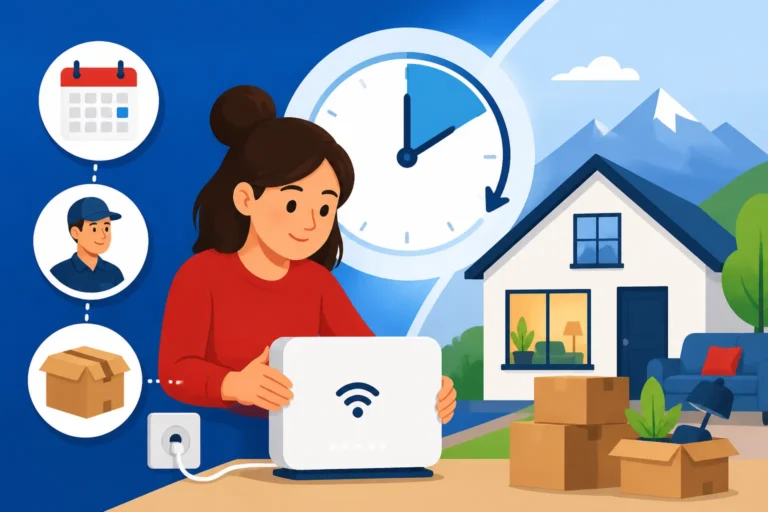
Unlike traditional DSL or Fiber, which requires physical cables and often complex Setting up Swisscom Internet Before You Move In: Typical Lead Times, 5G internet relies on the mobile network. You receive a specialized router, plug it into a wall socket, and you are online in minutes. For those who have found temporary accommodation through platforms like HousingAnywhere, a 5G solution is often the only logical choice because it doesn't require drilling holes or signing long-term infrastructure contracts that outlast your stay.
Yallo Home 5G: The Plug and Play Savior
Yallo is the "cool younger sibling" of Sunrise, one of Switzerland's major network providers. They have carved out a massive niche for themselves by offering aggressive discounts that seem almost too good to be true—until you actually use them. I’ve personally used Yallo during a transition period between apartments, and the simplicity of the "Home 5G" box is its greatest selling point.
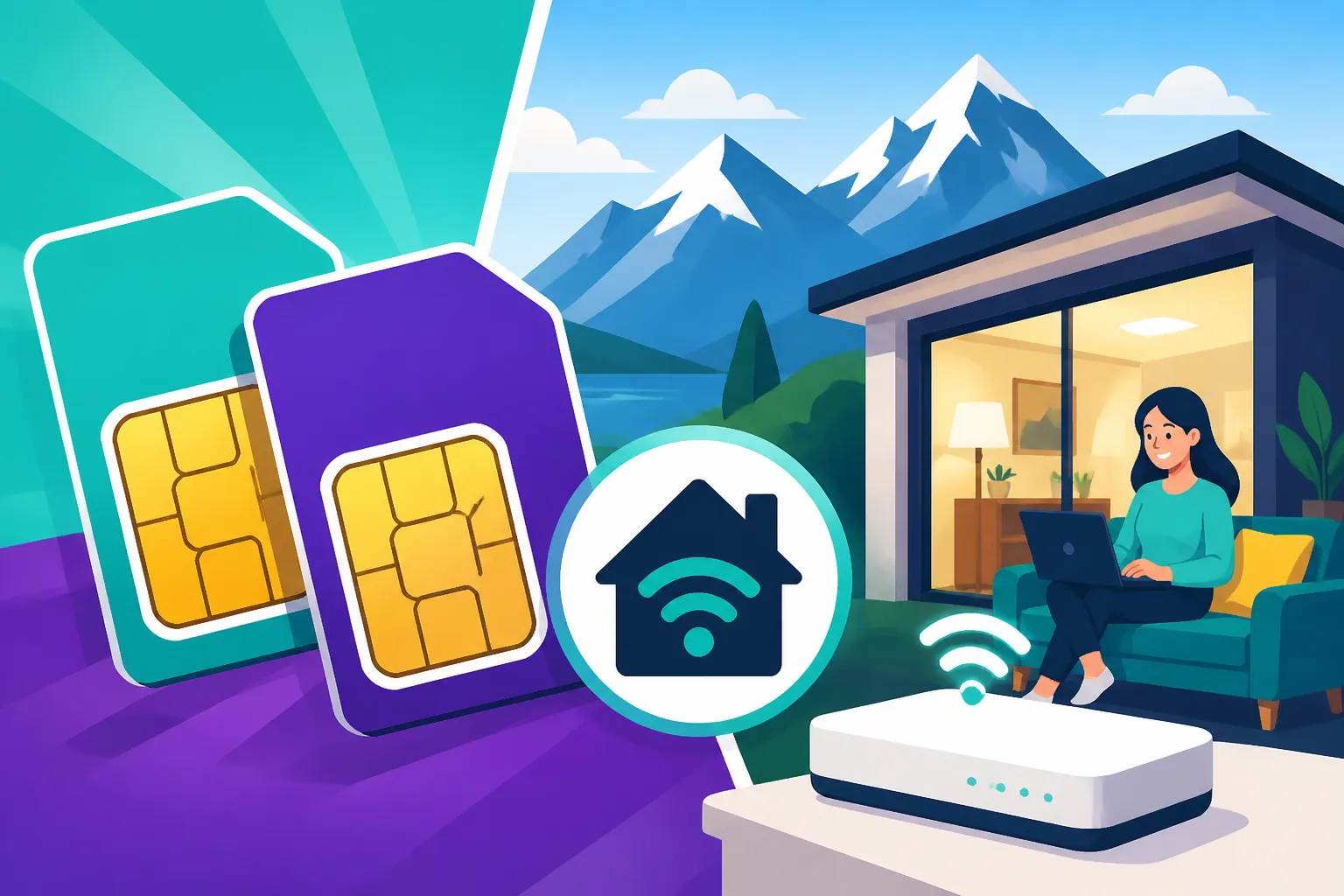
The Yallo Home 5G offer typically includes a Huawei or ZTE 5G router. The setup process is genuinely "idiot-proof." You slide in a SIM card, find a spot near a window, and plug it into the power. Within seconds, you have a high-speed Wi-Fi network that can easily support 4K streaming and multiple Zoom calls. In a country where Utilities in Switzerland: Electricity, Water, Heating, and Internet Setup can be surprisingly fragmented, having one less thing to worry about regarding your building's wiring is a massive relief.
One thing to watch out for with Yallo is their "evergreen" promotions. You should almost never pay the full sticker price. They frequently run "Lifetime Discounts" where the price drops from CHF 50+ down to around CHF 25. If you are browsing for tech gear to optimize your signal, checking a site like Amazon Germany can often net you better deals on high-gain antennas or mesh Wi-Fi extenders than local Swiss electronics shops.
Why Yallo Fits the Expat Lifestyle
Expats often face a "contract trap." Traditional providers want you to sign for 12 or 24 months. If you lose your job or decide to move cantons, canceling those contracts can be a nightmare involving heavy fees. Yallo often provides options with much shorter notice periods. This flexibility is vital, especially when you are still Decoding Swiss Apartment Ads: What 2.5, 3.5, and 4.5 Rooms Actually Mean and haven't yet settled into a long-term home.
Furthermore, Yallo's customer interface is generally more English-friendly than the smaller, local fiber providers. While you should still try to learn the local language, having a dashboard that doesn't require a translation app every time you want to check your bill is a small but significant win for your mental health during the first six months in the country.
Wingo: Swisscom Quality Without the Price Tag
If Yallo is the budget disruptor, Wingo is the "no-frills" version of the best network in the country. Wingo is owned by Swisscom, meaning it uses the exact same towers and infrastructure as the premium brand. The catch? Everything is digital. There are no fancy Wingo shops on the Bahnhofstrasse, and customer support is handled primarily through online tickets and FAQ pages.
For most of us who are comfortable managing our lives via smartphone, this is a perfect trade-off. You get the stability of the Swisscom 5G network—which is widely considered the best in the world for coverage and speed—at a fraction of the cost. I’ve found Wingo to be particularly effective in older buildings with thick stone walls where other mobile signals might struggle to penetrate.
Wingo’s Fixed and Mobile Hybrid Strategy
Wingo doesn't always market a specific "5G Box" in the same way Yallo does; instead, many savvy expats use a Wingo mobile plan with unlimited data and "tether" it or use a dedicated 5G router purchased separately. This allows you to have a single bill for both your phone and your home internet. When you consider the Cost of Living in Switzerland 2026: Budgeting for Singles and Families, combining these expenses can save you upwards of CHF 600 per year.
One tip I always give newcomers: keep an eye on Wingo's "Black Friday" or seasonal deals. They are famous for offering "Unlimited everything" plans for around CHF 25 per month, for life. If you have just arrived and are waiting for your physical SIM to arrive, using an eSIM from a provider like Airalo can keep you connected for those first 48 hours, but Wingo should be your target for a permanent, high-bandwidth solution.
Comparing Yallo and Wingo Performance
Choosing between these two depends largely on your specific location. In Switzerland, geography is destiny. A mountain or even a specifically shaped hill can mean the difference between 500 Mbps and 10 Mbps. Before committing, I highly recommend checking the coverage maps provided by the Federal Office of Communications (OFCOM).
| Feature | Yallo Home 5G | Wingo (Swisscom Network) |
|---|---|---|
| Network Provider | Sunrise | Swisscom |
| Setup Ease | High (Dedicated Box) | Moderate (BYO Router) |
| Typical Monthly Cost | CHF 25 – 35 (Promotional) | CHF 25 – 40 (Promotional) |
| Contract Duration | Usually 12-24 months (Flex options) | No minimum duration (Monthly) |
| English Support | Good | Limited (Web-based) |
| Best For | Heavy downloaders / Families | Reliability / Single Professionals |
While the table shows the technical differences, the "expat reality" is that Wingo’s lack of a minimum contract duration is a massive advantage. If you are on a B-permit and aren't sure if you'll be here in a year, not being tied down is worth an extra few francs a month. It simplifies the process of Renting in Switzerland: The Complete 2027 Guide for Expats because you can take your internet with you just by unplugging the box.
Avoiding the "Nebenkosten" Confusion
One mistake I made early on was assuming that because my apartment had a cable socket, the internet was included in my "Nebenkosten" (ancillary costs). This is rarely the case. While some very modern buildings or serviced apartments found on HousingAnywhere might include Wi-Fi, the vast majority of Swiss leases require you to set up your own contract.
In many older Swiss buildings, you will see a "hidden" fee on your utility bill for the basic TV/Internet connection (often through a company called UPC/Sunrise). This is a legacy charge. If you use a 5G solution from Wingo or Yallo, you can actually ask your landlord to "seal" that socket and remove that monthly fee (usually around CHF 30-40) from your rent. This is a pro-level move that many locals don't even know about, and it can further subsidize your 5G costs.
Technical Tips for 5G Home Success
To make 5G truly work as a "Home Internet" replacement, you can't just throw the router in a cupboard. In Switzerland, buildings are constructed like fortresses. The concrete and insulation designed to keep you warm in the winter are the natural enemies of a 5G signal.
- Placement is Everything: Put your 5G router on the windowsill of the window that has the most direct line of sight to a mobile tower. Even moving it two feet can double your speed.
- Avoid Interference: Don't put the router near your microwave or large mirrors.
- Use Ethernet: For your primary work computer, use a physical LAN cable into the back of the 5G box. This reduces "jitter" and makes those Microsoft Teams calls much smoother.
- External Antennas: If you live in a rural area or a "dead zone," look on Amazon Germany for a 5G external antenna. Many Yallo and Wingo-compatible routers have ports on the back for this. It looks a bit "geeky," but it can turn a frustrated connection into a lightning-fast one.
Remember that Swiss Everyday Rules: Recycling, Quiet Hours, and Neighborhood Etiquette also apply to how you set up your home. While your neighbors won't care about your Wi-Fi signal, they will care if you start drilling holes in the exterior window frame to mount an antenna without permission. Always use "flat" window-gap cables if you need to run a wire outside.
Why This Matters for Your Budget
The difference between a "Standard" Swisscom Fiber package and a promotional Yallo or Wingo 5G deal is roughly CHF 50 per month. Over a three-year stint in Switzerland, that is CHF 1,800. That is enough for a week of skiing in Verbier or a very fancy dinner in a revolving restaurant on a mountain peak.
By choosing 5G, you are also bypassing the "Activation Fee" scam. Many traditional ISPs charge CHF 99 just to "turn on" your line. Yallo and Wingo frequently waive these fees during their monthly "Flash Sales." Staying flexible and avoiding these sunk costs is the best way to handle the Healthcare in Switzerland for Expats: The Complete System Overview (2027) and other high-cost mandatory expenses that will inevitably hit your mailbox.
If you are just starting your journey, don't feel pressured by the "Welcome Packages" that traditional banks or insurers try to sell you. They often include overpriced internet bundles. Stick to the disruptors. Use Swiss Mobile Plans: Best Subscriptions and Prepaid eSIMs for Expats to find a phone plan that complements your home internet, and you’ll find that life in the world’s most expensive country is actually manageable if you know which buttons to press.
Disclaimer
The information provided in this guide is for informational purposes only. Telecommunications pricing, network coverage, and contract terms in Switzerland are subject to frequent changes by providers. While we strive to keep this data current, always verify the latest terms and conditions directly with the service providers before signing any contract. Information regarding third-party brands is based on general market availability and user experience as of 2026.