Geneva Expat Healthcare Guide: International Clinics and Public Hospitals
Trying to find a doctor when you are feverish and confused in a new city is a nightmare, especially when you realize the healthcare system here works nothing like back home. I still remember my first winter in the Petit-Saconnex neighborhood, clutching a confusing medical bill I couldn’t translate while my local pharmacy rejected my foreign prescription. This guide breaks down exactly how to navigate Geneva's hospitals, clinics, and insurance hurdles without losing your mind.
The Dual Pillars of Geneva Healthcare Public versus Private
Geneva offers a world-class healthcare environment, but for a newly arrived expat, the choice between the massive public system and the polished private clinics can feel like a high-stakes guessing game. The city is home to some of the most advanced medical technology on the planet, yet the way you access it depends heavily on your insurance coverage and your personal comfort with the local bureaucracy.
Hôpitaux Universitaires de Genève HUG
The Hôpitaux Universitaires de Genève, universally known as HUG, is the backbone of the canton’s medical system. It is a sprawling complex of buildings, primarily located in the Cluse-Roseraie district, and it serves as the primary teaching hospital for the region. If you have a major accident or a complex, rare condition, this is where the experts are. The beauty of HUG is its "all-in-one" nature; they have specialized departments for everything from neurosurgery to tropical medicine.
However, the experience of being a patient at HUG is very much that of being in a large public institution. Expect busy waiting rooms, a lot of administrative paperwork, and a rotating cast of doctors who may or may not speak perfect English. While the standard of care is impeccable, the "customer service" aspect can feel secondary. When I first visited their ophthalmology department, I was stunned by the efficiency of the testing, but I also felt a bit like a number on a spreadsheet. For most residents, HUG is the go-to for Emergency Medical Services: Ambulances, REGA, and Crisis Protocols because of its comprehensive trauma facilities.
The Private Clinic Network
On the other side of the spectrum, Geneva is famous for its luxury private clinics, such as Clinique Générale-Beaulieu and the Hirslanden Clinique des Grangettes. These facilities often feel more like five-star hotels than hospitals. You get a private room, gourmet meals, and, most importantly, the ability to choose your specific doctor. Many expats prefer these because the administrative staff is usually multilingual and the pace is significantly more relaxed.
The catch, of course, is the cost and the insurance requirements. To stay in a private clinic for a non-emergency procedure, you typically need Supplementary Health Insurance (VVG): What It Covers and When to Buy It or a robust international plan like Cigna Global. Without these, you might still be able to see a specialist at a private clinic for an outpatient consultation, but any overnight stay will result in a massive out-of-pocket bill. If you are someone who values continuity of care and wants to see the same face at every appointment, the private route is worth the investment.
Choosing the Right Path for Your Situation
Deciding between public and private often comes down to the urgency of your needs and your budget. If you are dealing with a routine issue or a minor injury, a private clinic might offer a faster appointment. However, for specialized surgeries, many of the top surgeons in private clinics actually started their careers or still teach at HUG.
One thing I’ve learned is that you don’t have to choose just one for life. You might use HUG for a specialized screening because they have the best equipment, but go to a private clinic for your physical therapy. Many expats use a combination of local mandatory insurance and a portable plan like Cigna Global to ensure they have access to the private clinics in Geneva while also being covered for medical evacuation or care back in their home country. This layering provides a safety net that the local system alone sometimes lacks for those of us who move frequently.
Navigating Geneva Medical Insurance and Billing
The Swiss healthcare system is famously expensive, and Geneva consistently ranks as one of the most expensive cantons for premiums. Unlike many other European countries, healthcare is not funded through taxes; it is a mandatory private insurance system where everyone must participate.
Basic Insurance KVG/LAMal in Geneva
Every resident in Geneva must sign up for Understanding KVG/LAMal: Mandatory Basic Health Insurance Explained within 90 days of arrival. This is a non-negotiable requirement. The basic insurance covers a wide range of services, but it comes with a "franchise" (deductible) that you must pay out of pocket before the insurance kicks in. In Geneva, where even a basic consultation can cost over 150 CHF, your deductible disappears quickly.
It’s also important to understand that the basic insurance is identical across all providers in terms of what is covered, but the premiums vary. Because Geneva has a high density of hospitals and high-tech care, the base costs here are higher than in more rural cantons like Valais or Jura. Many expats find it helpful to supplement their local coverage with international options like Cigna Global, especially if they travel often or want to ensure they can receive treatment in English-speaking environments without the hassle of local reimbursement delays.
The Tiers Payant vs Tiers Garant Billing Systems
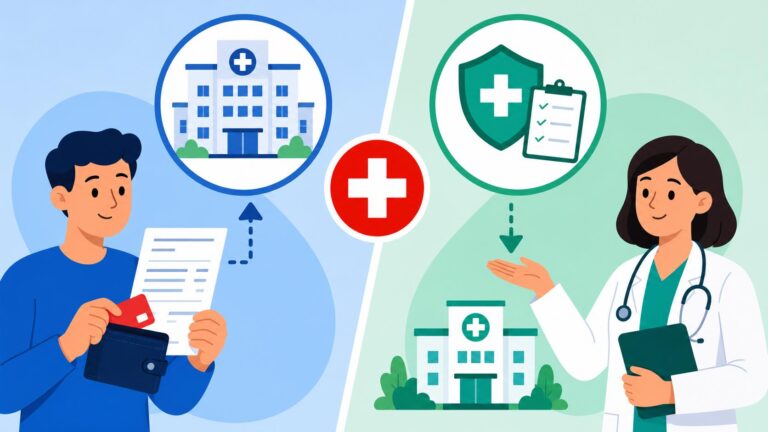
One of the biggest culture shocks for expats is the billing. In Geneva, you will encounter two systems: Tiers Payant and Tiers Garant. In the Tiers Payant system, the doctor or hospital sends the bill directly to your insurance company, and you only receive a bill for your 10% co-pay or your remaining deductible. This is the "easy" way, but not all doctors use it.
In the Tiers Garant system, which is very common among private specialists and therapists in Geneva, you receive the full bill at home. You must pay the doctor first and then send the receipt to your insurance company to get reimbursed. This can be a massive headache if you are hit with a 2,000 CHF bill for a series of tests. Learning How to Read a Swiss Medical Bill (Rückforderungsbeleg) and Claim Refunds is an essential skill for any Geneva resident. If you’re used to a "pay-nothing-at-the-point-of-service" system like the NHS, this feels incredibly burdensome and requires you to keep a significant "health buffer" in your savings account.
Managing Out-of-Pocket Costs for Everyday Wellness
Beyond the big hospital bills, the smaller costs of daily health in Geneva add up. Over-the-counter medications, vitamins, and supplements are notoriously overpriced in local pharmacies (Pharmacies). Because of this, many veteran expats in Geneva rely on services like iHerb to order their supplements and non-prescription wellness items.
While the local Apotheke is great for urgent needs or picking up a prescription, using iHerb for your regular supply of magnesium, protein powder, or specialty skincare can save you hundreds of francs over a year. Just be mindful of Swiss customs rules regarding the quantity of supplements you import, as they can sometimes flag large orders. Balancing your local pharmacy visits with smart online ordering is the best way to keep your "Nebenkosten" of living in Geneva under control.
Emergency Services and Walk-In Care
When an emergency happens at 2:00 AM in a city like Geneva, the last thing you want to do is fumble with a translation app or wonder which door to enter. The emergency system here is highly efficient, but it follows strict protocols that you need to know before you're in a crisis.
Where to Go for Non-Life-Threatening Emergencies
If you have a high fever, a deep cut that needs stitches, or a suspected broken bone, you don't necessarily need to head to the main HUG emergency room, which is often overcrowded. Geneva has several "Permanence" clinics—walk-in centers that operate with extended hours. One of the most central is the Permanence de Cornavin, located right by the main train station. These clinics are designed for Walk-in Clinics in Geneva: Urgences Médicales Options and are generally much faster than the hospital.
For expats, these Permanence clinics are a lifesaver. You don't need an appointment, and they are well-versed in dealing with various insurance types. However, keep in mind that they are not for life-threatening issues. If you show up with chest pains, they will immediately call an ambulance to take you to HUG. It is wise for newcomers to save the address of their nearest Permanence in their phone on day one. It saves so much stress when the inevitable "Saturday afternoon flu" hits.
Calling for Help 144 vs 112
In Switzerland, the number for a medical emergency is 144. This connects you directly to the ambulance dispatch. If you are in a pan-European emergency or aren't sure who to call, 112 also works and will redirect you. It is vital to know that an ambulance ride in Geneva is not fully covered by basic insurance unless it’s a dire emergency, and even then, you might be billed for 50% of the cost. This is a shock to many, as a single ride can cost upwards of 800 CHF.
This is exactly why REGA Membership: Why Expats Need Air Rescue Insurance in the Alps is so frequently recommended. While REGA is primarily for mountain rescue, having proper accident coverage and understanding your insurance limits is crucial. If you have a plan through Cigna Global, check their emergency transport clauses, as they often provide much more generous coverage for ambulance and evacuation services than the local KVG.
| Facility Type | Best For | Typical Wait Time | Insurance Accepted |
|---|---|---|---|
| HUG (Public) | Major trauma, complex surgery, specialists | High (3-6 hours for ER) | All KVG / International |
| Permanence (Walk-in) | Minor injuries, sudden illness, stitches | Medium (30-90 mins) | All KVG / International |
| Private Clinics | Elective surgery, birth, private rooms | Low (By appointment) | VVG / Cigna Global |
| Pediatric ER | Children under 16 years old | Medium | All KVG / International |
Pediatric Emergencies in Geneva
If you have children, the protocol is slightly different. The HUG has a dedicated Children’s Hospital (Hôpital des Enfants) located a short distance from the main building. It is a fantastic facility, designed to be less intimidating for kids. There are also private pediatric walk-in clinics like the Centre de Pédiatrie des Grangettes.
Geneva parents often prefer the specialized pediatric centers because the staff is specifically trained to handle "English-speaking kids" who might be scared and unable to explain their symptoms in French. I’ve found that the pediatricians here are very thorough, but they do tend to follow the Swiss philosophy of "wait and see" for minor fevers, which can be frustrating if you’re used to more aggressive treatment styles.
Finding English-Speaking Doctors and Specialists
For many of us, the biggest hurdle to feeling at home in Geneva is finding a doctor who actually understands us—not just the language, but our cultural expectations of medical care.
The Search for a Family Doctor
In Geneva, your primary point of contact is the "Médecin de premier recours" or "Generaliste." Finding an English-speaking one can be a challenge because the best ones are often fully booked and not taking new patients. I recommend starting your search via the "One-Doc" website or the FMH (Swiss Medical Association) directory, where you can filter by language.
A great tip for expats is to look for doctors in the Nations area (near the UN). Because they cater to the international civil servant community, they are almost universally fluent in English and very accustomed to the paperwork required by international insurance providers. Once you find one, make sure to establish a relationship early. Having a "Hausarzt" is often a requirement for certain insurance models, as explained in Finding an English-Speaking Family Doctor (Hausarzt) in Major Cantons.
Specialized Care and Women's Health
Geneva has an incredibly high density of specialists. Whether you need a cardiologist, a dermatologist, or an endocrinologist, you will find world-class options here. For women, the search is often more personal. Finding an English-Speaking Gynecologist in Geneva is usually top of the list for female expats. Many gynecologists in Geneva have their own private "cabinets" (offices) and are affiliated with the private clinics for deliveries.
When seeing a specialist, be prepared for a very different consultation style. Swiss doctors tend to be very direct and may not spend a lot of time on "small talk." However, they are generally very happy to answer technical questions if you come prepared. If you're managing a chronic condition, like thyroid issues or vitamin deficiencies, you can often find the specific brands you trust on iHerb, which can be helpful if the local Swiss equivalents don't sit well with you.
Managing Referrals and Insurance Restrictions
Depending on your insurance model, you may need a referral from your family doctor to see a specialist. If you chose a "Telmed" or "HMO" model to save on premiums, skipping this step can result in your insurance refusing to pay the bill. This is where the depth of Finding Medical Care in Switzerland: Doctors, Specialists, and Referrals becomes clear.
If you have a more flexible plan, like those offered by Cigna Global, you often have the freedom to go directly to a specialist without a referral. This is a huge advantage in Geneva, where waiting times for a "premier recours" can sometimes be longer than the wait for the specialist themselves. Always double-check your policy before booking that dermatology appointment to avoid a surprise bill in your mailbox three weeks later.
Pharmacies and Medication in Geneva
The green neon cross of the pharmacy is a ubiquitous sight in Geneva, but don't expect it to function like a CVS or a Boots. Pharmacies here are highly regulated, professional spaces where the pharmacist is a key part of your medical team.
Accessing Prescriptions and OTC Meds
In Switzerland, medications are categorized into lists. Some can be bought freely, some require a consultation with the pharmacist, and many require a doctor’s prescription. If you bring a prescription from home, many Geneva pharmacies will honor it for a short period if it’s from an EU/EFTA country, but for US or non-EU prescriptions, you will almost certainly need to see a local doctor to get a Swiss equivalent.
The rules around Pharmacies and Medication: Prescriptions, Costs, and OTC Regulations are quite strict. You won't find aisles of painkillers in the supermarket; even basic Ibuprofen must be bought at the pharmacy counter. This is why many expats keep a small "home pharmacy" stocked with basics from iHerb. It’s much more convenient to have your favorite brand of melatonin or high-dose Vitamin C on hand rather than trekking to the pharmacy and paying Geneva prices for a smaller dose.
The Emergency Pharmacy System
If you need medication outside of normal business hours (most pharmacies close by 6:30 PM or 7:00 PM), Geneva operates a "Pharmacie de Garde" system. Usually, one or two pharmacies in the city stay open 24/7 on a rotating basis. You can find the schedule posted on the door of any pharmacy or online.
Be aware that there is usually a "night surcharge" (usually around 20-50 CHF) for filling a prescription at an emergency pharmacy. It’s a necessary service, but one that rewards preparation. If you have kids, keeping a stock of age-appropriate fever reducers is a must, so you don't find yourself at the Pharmacie de Garde at 3:00 AM paying a premium for a bottle of syrup.
Practical Advice for the Geneva Expat
Living in Geneva means navigating a system that is incredibly efficient but also deeply traditional. Integration into the healthcare system is part of your integration into Swiss life.
Bridging the Language Gap
While many doctors speak English, the administrative staff and nurses often do not. If your French is "un petit peu" at best, don't be afraid to ask, "Est-ce que quelqu'un parle anglais?" Most people in the medical field have at least a working knowledge of English but may be shy to use it.
I’ve found that bringing a written list of symptoms and past medications helps immensely. It bridges the gap when the technical words fail you. Also, keep in mind that medical records are your property in Switzerland. If you move, you should ask for a copy of your "dossier" to take to your next doctor. This is standard practice and ensures your medical history doesn't get lost in translation.
The Final Word on Costs and Quality
Ultimately, healthcare in Geneva is a "get what you pay for" experience. The quality is undeniably high—among the highest in the world. The frustration lies in the complexity of the insurance and the high cost of entry. By choosing the right insurance mix, utilizing walk-in clinics for minor issues, and being smart about where you buy your wellness products (thank goodness for iHerb and Cigna Global), you can manage the "Swiss Health Tax" without it ruining your expat experience.
Geneva is a beautiful city to live in, and knowing that you are surrounded by some of the world's best medical minds provides a peace of mind that is hard to put a price on. Just remember to keep your receipts, pay your bills on time, and always, always keep that insurance card in your wallet.
Medical Disclaimer
The information provided in this guide is for educational and informational purposes only and is not intended as medical advice. Always seek the advice of a qualified healthcare provider with any questions you may have regarding a medical condition or the Swiss healthcare system. Reliance on any information provided in this article is solely at your own risk. This content is based on the author's personal experience as an expat in Switzerland and general knowledge of the system as of 2026.