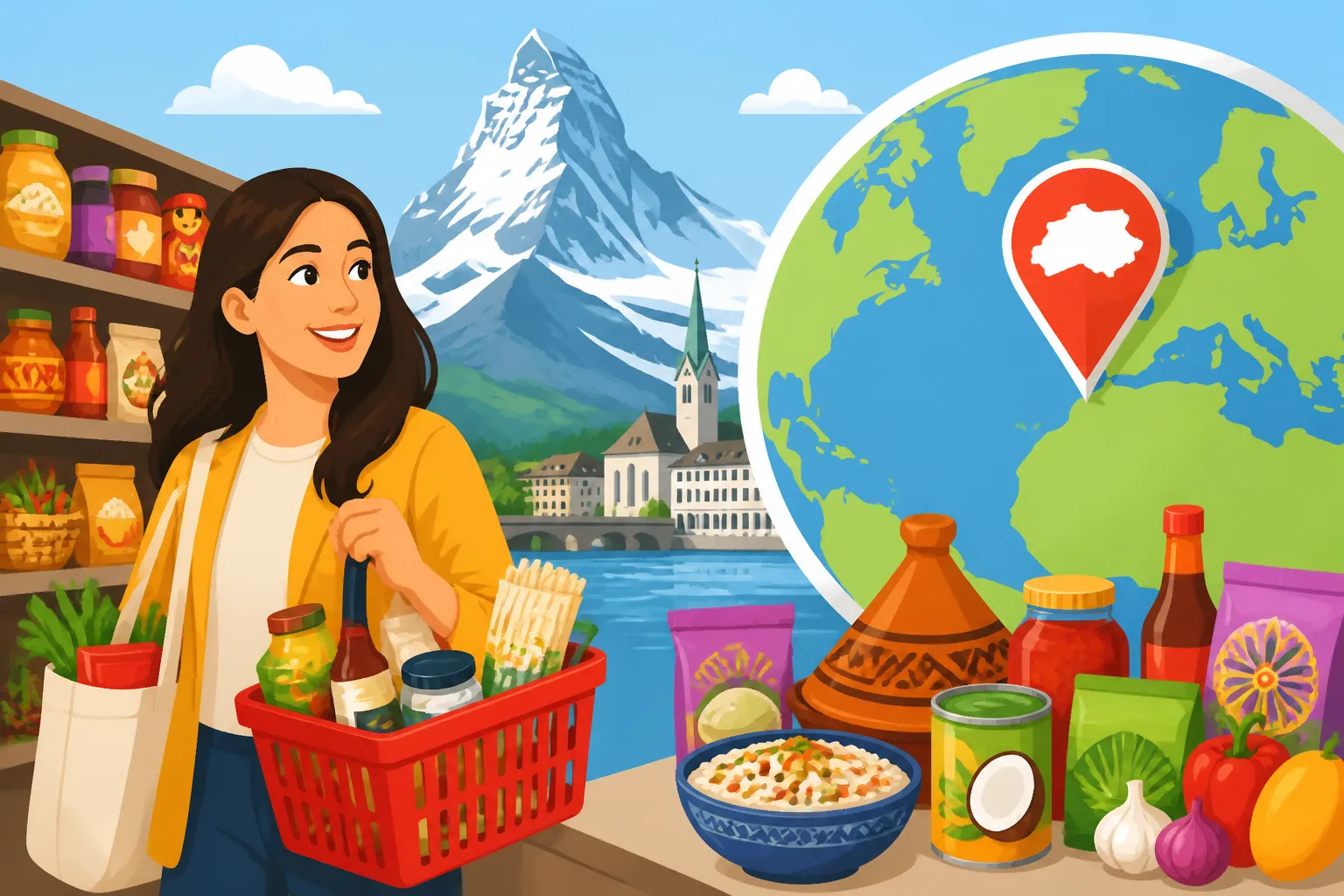
Where to Find International and Ethnic Groceries in Switzerland
Oh, the Swiss grocery store. It's a place that can spark both wonder and utter despair in a newcomer. You walk in, ready to grab your usual staples, only to find a bewildering array of unfamiliar brands, eye-watering prices, and a distinct lack of that specific chili paste or spice mix that makes your favorite home-cooked meal truly home. This guide is here to walk you through the often frustrating, but ultimately rewarding, quest for international and ethnic groceries in Switzerland, helping you rediscover those vital flavors from afar.
The Initial Culture Shock of Swiss Grocery Aisles
Let's be honest, stepping into a Swiss supermarket for the first time can feel like you've landed on a different planet. You arrive, perhaps with a mental list of your go-to products and brands, only to be met with shelves neatly stacked with local produce and products that bear little resemblance to what you're used to. It's not just the price tags that make your jaw drop; it's the sheer absence of the familiar, a stark contrast to the sprawling, globally stocked supermarkets you might have known back home.
This initial culture shock often extends beyond just familiar brand names. It's about the limited general selection compared to larger, more consumer-driven markets. You might find fewer varieties of a single product, fewer organic options (ironically, for a country so green!), and definitely fewer aisle-spanning "international foods" sections. This can be genuinely disheartening when all you want is to recreate a comforting meal from your past after a long, challenging day of navigating a new country.
Why Your Favorite Brands Vanished
One of the first frustrations for many expats is the vanishing act of their beloved brands. Where's that specific type of tortilla chip? Why can't I find my preferred brand of peanut butter that doesn't cost a small fortune? The reason often lies in Switzerland's unique market dynamics. It's a smaller country with specific import regulations, different supply chains, and a strong preference for local products. Swiss grocery stores simply don't have the same impetus or infrastructure to stock every international brand imaginable.
This can be more than just an inconvenience; it can feel like a small piece of your identity or comfort has been taken away. Cooking is a way for many of us to connect with our heritage and cope with the stresses of expat life. When the ingredients for those connections are scarce, it adds another layer to the challenge of settling in. Don't worry, you're not alone in feeling this void; it's a shared expat experience.
The Quest for Specific Ingredients
Beyond brand loyalty, the real challenge often lies in sourcing specific, niche ingredients. If your culinary adventures lean towards making an authentic Thai green curry from scratch, you'll soon discover that fresh galangal, kaffir lime leaves, or certain types of Thai basil are not readily available in your average village Coop. The same goes for a Mexican expat craving specific dried chiles for mole, or an Indian expat needing particular dals, fresh curry leaves, or unique spice blends.
This ingredient hunt can turn every grocery trip into a minor expedition. You might find yourself having to substitute, adapt, or completely rethink your meal plans. It's a testament to your resilience if you manage to produce something close to home with what you find! This struggle often forces expats to either compromise on authenticity or embark on a dedicated mission, which is precisely what this guide aims to prepare you for.
Unearthing Treasures in Mainstream Swiss Supermarkets
While they might not be comprehensive, your everyday Swiss supermarkets do offer some international items. The trick is knowing where to look and managing your expectations. These won't be your ultimate destinations for highly specialized ingredients, but they can surprise you with unexpected finds.
Coop and Migros: The Big Players' "International" Sections
Coop and Migros are the titans of Swiss retail, and they'll be your primary workhorses for daily shopping. They both have designated "international" or "fine food" sections, though the size and variety can vary wildly depending on the branch. A large Coop City in Zurich or a Migros in Geneva's international district will offer far more than their smaller counterparts in a quiet mountain town. You might find a limited selection of Tex-Mex kits, a few types of soy sauce, maybe some British biscuits, or Italian pasta beyond spaghetti and penne.
Migros, for instance, often has a section called "World of Delights," while Coop tends to integrate international items into their broader "fine food" or gourmet aisles. These sections are generally good for basic international staples like various rice types (basmati, jasmine), different kinds of pasta, canned coconut milk, basic curry pastes, or a few Asian sauces. However, if you're looking for something specific like miso paste, tamarind pulp, or specialized spices, you'll likely leave disappointed. Remember, you can get a good overview of their general offerings, including how they stack up against other stores, by checking out guides like Grocery Shopping: Coop, Migros, Aldi, Lidl, and Denner Compared.
Denner, Aldi, Lidl: Budget-Friendly, But Limited Diversity
For those of us watching our francs (and who isn't in Switzerland?), Denner, Aldi, and Lidl are lifesavers for everyday essentials. However, when it comes to international groceries, these discount chains are generally less reliable. Their regular stock focuses on staple Swiss and European products at competitive prices. You won't find a dedicated "international" aisle here.
The magic, however, lies in their "special weeks." Denner, Aldi, and Lidl frequently run promotions focusing on specific national cuisines or themes (e.g., "Asian Week," "American Week," "Mediterranean Delights"). During these limited-time events, you can stumble upon incredible finds – genuine peanut butter, specific German sausages, British snacks, or a broader range of Mediterranean antipasti. The key is to keep an eye on their weekly flyers and be quick; popular items sell out fast! It's an exciting, if inconsistent, treasure hunt.
Online Offerings from the Big Chains
Even if your local store is sparse, don't forget to check the online presence of Coop and Migros. Both Coop.ch and Migros.ch often carry a slightly wider selection of international products than you'd find in their physical stores. This can be particularly useful for those harder-to-find non-perishable items that might not warrant shelf space in every branch.
The convenience of online shopping is undeniable, especially if you're in a more rural area. However, be mindful of delivery fees and minimum order values, which can add up. It's often best to consolidate your shopping or combine it with a larger order to make the delivery cost-effective. While not perfect, it can bridge some of the gaps left by the physical stores.
Here's a quick overview of what you might expect from mainstream supermarkets:
| Supermarket Chain | Typical International Section | Niche Ingredients (e.g., fresh galangal, specific chiles) | Regular "Special" Weeks | Online Availability for International Items |
|---|---|---|---|---|
| Coop | Small to medium, "Fine Food" | Highly limited, basic Asian/Tex-Mex sauces | Occasional themed | Yes, slightly broader selection |
| Migros | Small to medium, "World of Delights" | Highly limited, basic Asian/Tex-Mex spices | Occasional themed | Yes, slightly broader selection |
| Denner | Minimal | Almost none | Frequent, themed | No (in-store focus) |
| Aldi | Minimal | Almost none | Frequent, themed | No (in-store focus) |
| Lidl | Minimal | Almost none | Frequent, themed | No (in-store focus) |
Diving Deep into Specialty and Ethnic Markets
This is where the real magic happens, where the aroma of spices hits you, and you finally feel a flicker of home. For specific international ingredients and authentic products, you absolutely need to seek out dedicated specialty and ethnic markets. They might require a bit of travel, but the rewards are often worth every extra tram stop or train ride.
Asian Supermarkets: Your Go-To for East and Southeast Asian Flavors
For anyone craving East or Southeast Asian cuisine, finding a good Asian supermarket is like discovering a goldmine. These stores are an absolute lifeline for many expats, offering a vast array of fresh, frozen, and pantry items that are simply unavailable elsewhere. Cities like Zurich, Geneva, and Basel are your best bet for these culinary havens.
In Zurich, spots like New Asia Market near the main train station or Lian Hua in Oerlikon are incredibly popular. Step inside, and you're greeted with shelves overflowing with every imaginable soy sauce, chili oil, rice noodle, and exotic snack. You'll find fresh produce like bok choy, gai lan, specific chilies, and even harder-to-find herbs. Their frozen sections are packed with dumplings, spring rolls, and seafood, while the dried goods aisles boast an impressive selection of mushrooms, seaweed, and various rice types. These stores aren't just for Asian expats; they cater to anyone who loves to cook from that part of the world. If you're exploring the Oerlikon area, you might even be looking for a local doctor, so knowing where essentials like Lian Hua are located can be helpful context if you're also trying to find something like Finding an English-Speaking Pediatrician in Zurich Oerlikon.
Geneva, with its large international population, also boasts excellent options like Hao Wah or various smaller Asian Markets. These are often tucked away but are indispensable for sourcing everything from authentic curry pastes and fish sauce to fresh tofu and exotic fruits. Basel also has its own gems, such as Asia Shop Basel, which serves the city's diverse community. The experience itself is wonderful—the vibrant colors, the unique smells, and the sheer joy of finally finding that one essential ingredient you've been dreaming of. These shops are crucial for maintaining a sense of culinary connection to home.
Middle Eastern, Turkish, and African Stores: Spices, Halal Meats, and Fresh Flatbreads
Venturing into neighborhoods with a higher concentration of Middle Eastern, Turkish, or African communities will open up another world of flavors. These stores, often family-run, are a goldmine for bulk spices, an incredible variety of legumes, fresh olives, dried fruits, nuts, and, crucially, specific cuts of halal meat. They are the places to go if you're trying to recreate a rich tagine, a complex lentil stew, or authentic falafel.
You'll find massive bags of cumin, sumac, za'atar, and all sorts of dried herbs and chiles. Many of these shops also bake fresh flatbreads daily, which are miles better than anything you'd find in a mainstream supermarket. They often stock unique cheeses, specialty yogurts, and a selection of teas and coffees. While not as universally distributed as Asian markets, a quick online search for "Turkish grocery Zurich" or "Middle Eastern market Geneva" will point you in the right direction. These stores provide not just ingredients, but a vibrant cultural experience, often with friendly owners happy to help you navigate their offerings.
Latin American and Indian Grocers: Chiles, Samosas, and Specific Grains
While perhaps less common than Asian or Turkish markets, larger Swiss cities do have dedicated Latin American and Indian grocery stores. For those missing the vibrant flavors of Mexico, Central, or South America, these shops are essential. You can find a range of dried chiles (ancho, guajillo, chipotle), specific corn masa flour, tropical fruits, and sometimes even fresh cheeses or specialty sodas. They are often smaller establishments, but incredibly vital for the communities they serve.
Similarly, Indian grocers cater to a large and diverse population, offering an astounding array of dals (lentils), rice varieties, fresh spices, chutneys, and sometimes even ready-to-eat snacks like samosas or pakoras. If you’re looking for specific spice blends that are hard to replicate, or a particular type of atta flour for rotis, these are your destinations. Finding them might take a bit more digging, often requiring local recommendations or a dedicated search on Google Maps. While finding an English-speaking doctor in Zurich might be on your priority list if you're just moving in, discovering these food havens is equally important for your mental well-being and sense of home. For broader advice on navigating life in a major city like Zurich, a Zurich Expat Healthcare Guide: Hospitals, Clinics, and Emergency Contacts might offer clues about diverse neighborhoods where such stores often thrive.
Modern Solutions: Online, Cross-Border, and Community Sourcing
Beyond physical stores, the modern expat has a few more tricks up their sleeve to get those essential international ingredients. These solutions leverage technology and collective expat wisdom to bring the world a little closer to your Swiss kitchen.
Online Specialty Retailers and Direct-to-Consumer
The internet has truly revolutionized how expats source their food. If you can't find it locally, there's a good chance you can order it online. Many smaller, specialized online shops focus on a particular cuisine or region and deliver across Switzerland. For example, British expats frequently turn to BritShop.ch for their tea, biscuits, and Marmite fix. For American cravings, websites like MyAmericanMarket.com (though they ship from France, so be mindful of potential customs duties) can be a godsend. There are also niche online stores emerging for Mexican, Indian, or other specific cuisines directly within Switzerland or neighboring countries.
The convenience here is huge, especially if you live outside a major city. You can get obscure ingredients delivered right to your door. However, prepare for higher prices and shipping costs, which are part and parcel of importing specialty items. Always be aware of potential customs duties and VAT, especially when ordering from outside Switzerland. For more on navigating those tricky waters, our guide on Receiving Packages from Amazon DE/FR: Swiss Customs Fees and VAT is an essential read. When you're fresh off the plane, feeling overwhelmed, platforms like Sirelo can be a great starting point, often providing guides and checklists that cover everything from registering your address to navigating the local shopping scene and finding those crucial international food stores. And for quick delivery of specific meals, don't forget to check out Meal Kit and Food Delivery Apps in Switzerland Compared.
Cross-Border Shopping: The Expat Rite of Passage
Ah, cross-border shopping. For many expats in Switzerland, it's not just a hobby; it's a strategic mission. A quick hop across the border to Germany (think Weil am Rhein or Konstanz), France (like Annemasse or Ferney-Voltaire), or Italy (Chiasso) can unlock a vast array of products at significantly lower prices, including a much wider selection of international goods. People go for cheaper meat, certain types of cheese, foreign brands of household goods, and, of course, those elusive food ingredients.
It's a fantastic way to save money and expand your culinary horizons, but it comes with strict rules. Swiss customs officials are no-nonsense, and you absolutely must be aware of the Cross-Border Shopping: Import Duty Limits for Meat, Alcohol, and Cheese. Exceeding these limits can lead to hefty fines, so plan your shopping list carefully. This strategy is often employed by those looking to manage their overall Cost of Living in Switzerland 2026: Budgeting for Singles and Families. And for those adventurous cross-border grocery runs, consider grabbing an eSIM from a provider like Airalo. It's a real lifesaver for navigating unfamiliar roads, checking opening hours, or even translating labels on the fly, all without racking up hefty roaming charges while you're focused on finding those precious ingredients.
Expat Communities and Local Networks
Never, ever underestimate the power of your fellow expats! Facebook groups like "Expats in Zurich," "Geneva Expats," or "Basel Expats," along with various online forums and local meetups, are absolute goldmines of information. Someone will always know that one tiny, hidden shop, that seasonal market stall, or that online vendor who sells exactly what you're looking for. These communities are incredibly supportive and are often the quickest way to get hyper-local recommendations that search engines might miss.
Joining these groups isn't just about food; it's about building your support network in a new country. They can help you with everything from finding a flat to understanding local customs, as detailed in Making Friends in Switzerland: Expat Groups, Clubs, and Apps. Don't be shy about asking specific questions about where to find your beloved ingredients – chances are, someone else has been on the same quest and has the answer. Knowing What Shops Are Open on Sundays in Switzerland? can also be crucial for weekend shopping trips, and these communities will often share tips on that too.
Final Thoughts on Your Culinary Adventure
Finding international and ethnic groceries in Switzerland can sometimes feel like an uphill battle, especially when you first arrive. You might miss the convenience and variety of your home country's supermarkets, and the prices can certainly be a shock. However, with a bit of patience, local exploration, and the help of online resources and fellow expats, you'll soon discover the hidden culinary gems that make living here even richer.
Embrace the journey! Every new shop you find, every obscure ingredient you track down, adds another layer to your expat story. Your Swiss kitchen doesn't have to be bland or limited. It's a place where you can blend the best of your heritage with the fantastic local produce Switzerland has to offer. So go forth, explore, and happy cooking!
Disclaimer
Please note that this guide provides general information based on common expat experiences and publicly available data. Store offerings, prices, and regulations can change, and it's always advisable to verify details with specific retailers or official sources. We do our best to keep this information as current and accurate as possible for 2026.