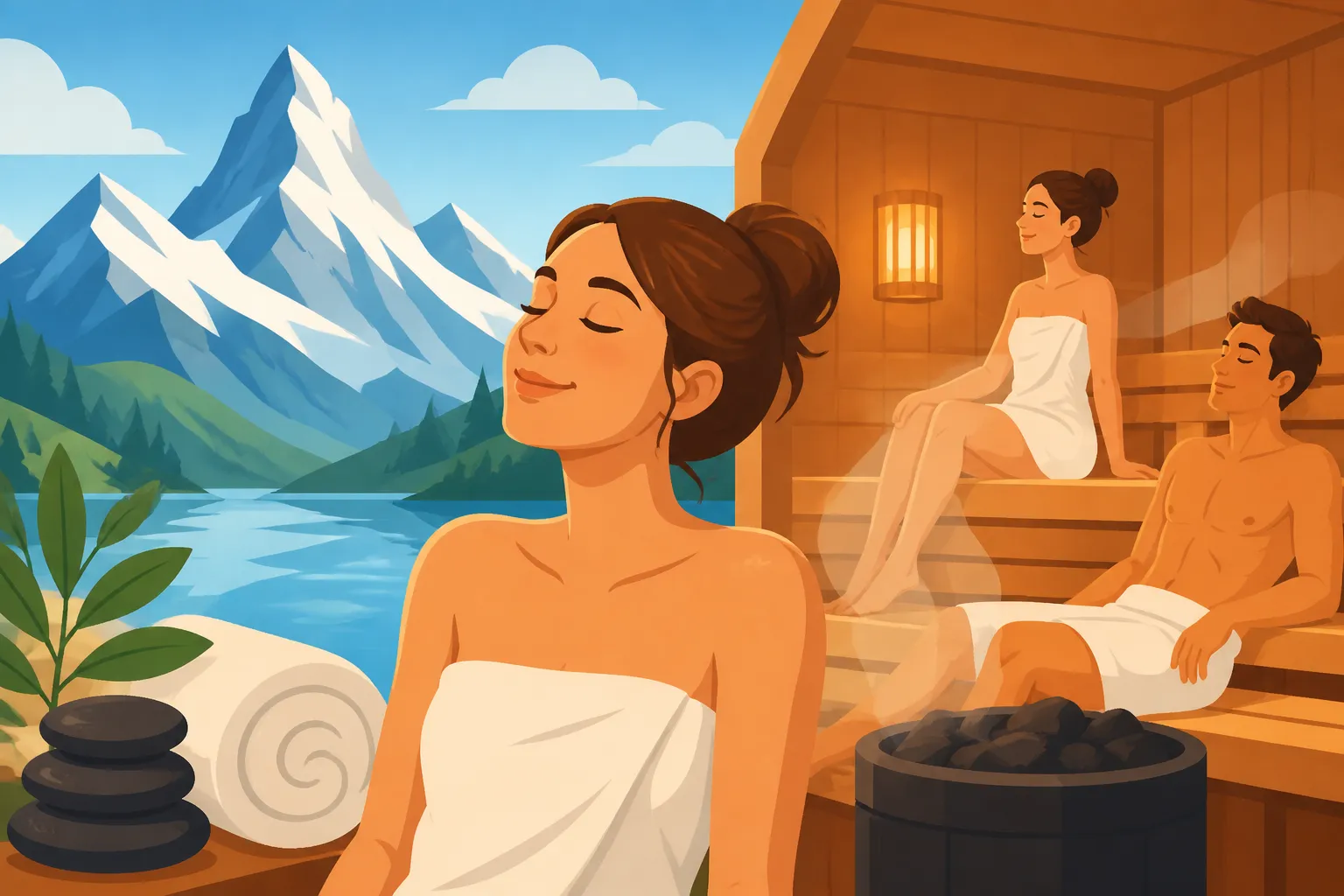
Wellness and Sauna Culture in Switzerland for Newcomers
Let's be honest, moving to Switzerland, with its precise train schedules, impeccably clean streets, and sometimes daunting bureaucracy, can feel like a high-stakes game of adulting. The pressure to conform, to learn the language, and simply to be efficient can quickly pile up, leaving you longing for a moment of genuine peace. Thankfully, the Swiss have a deeply ingrained antidote to this stress: a rich, restorative wellness and sauna culture. This guide is here to demystify it all, helping you tap into this incredible resource for calm and rejuvenation.
Understanding Swiss Wellness: More Than Just Saunas
When you hear "wellness" in Switzerland, it's not just about a quick sweat session in a gym's sauna. It's a holistic approach to well-being, deeply rooted in the country's connection to nature, its emphasis on health, and a quiet appreciation for slowing down. For many expats, this can feel like a hidden gem, a vital coping mechanism against the relentless demands of daily life here.
The Philosophy of Ruhe and Erholung
The Swiss truly value Ruhe (quiet/peace) and Erholung (rest/recovery). It’s not just a buzzword; it’s a lifestyle choice woven into the fabric of their leisure time. You'll notice it in the hushed tones of public transport on Sundays, the strict quiet hours in apartment buildings, and certainly in their approach to wellness. This isn't a place for loud chatter in the sauna or frantic phone checking by the pool. The expectation is respect for personal space and the collective need for tranquility.
Imagine stepping into a thermal bath complex after a long week. You’re greeted not by blaring music, but by the gentle sounds of water, perhaps some soothing instrumental melodies, and the quiet murmuring of other patrons. This deliberate creation of a peaceful atmosphere is central to the Swiss wellness experience. It's about disconnecting from the external noise and reconnecting with yourself, allowing your body and mind to truly unwind. It takes a little getting used to, especially if you're coming from a culture where spas might be more social, but trust me, once you embrace the quiet, you'll understand its profound benefit. It's an opportunity to truly be rather than do.
Types of Swiss Wellness Facilities
Switzerland boasts an impressive array of wellness facilities, ranging from ancient thermal springs to ultra-modern spa complexes. They cater to different tastes and budgets, but all share that underlying commitment to quality and relaxation. Knowing the distinctions can help you pick the perfect spot for your much-needed escape.
You'll find grand, historic thermal resorts, often built around natural mineral springs, that have been drawing visitors for centuries. These places, like the ones you'll find in Leukerbad or Bad Ragaz, are designed for an immersive experience, often including multiple pools with varying temperatures, therapeutic jets, and expansive sauna landscapes. Then there are more modern, often urban, wellness centers that might be part of larger hotel complexes or standalone facilities. These often feature sleek designs, a wider range of massage and beauty treatments, and contemporary sauna options like bio-saunas, infrared cabins, and steam rooms. Some even offer rooftop pools with breathtaking views, blending urban chic with Alpine serenity.
For those who crave a more intimate experience, smaller, boutique spas exist, sometimes tucked away in charming mountain villages. These might focus on specific treatments, local herbal remedies, or a more private atmosphere. And let's not forget the smaller saunas and pools found in many apartment buildings or local community centers; while not grand resorts, they offer a convenient and affordable way to integrate regular wellness into your routine. When planning your trip to thermal spas like Leukerbad or Bad Ragaz, remember that public transport is excellent; you can easily check schedules and book tickets on Omio.
Navigating Public Thermal Baths and Spas
Stepping into a Swiss thermal bath or spa for the first time can feel like entering a secret society with unwritten rules. Don't worry, it's really not that intimidating once you know what to expect. Think of it as a glorious escape, a place where the pursuit of relaxation is taken very seriously.
Famous Thermal Baths and What to Expect
Switzerland is dotted with incredible thermal baths, each offering a unique experience. Here’s a quick rundown of some of the most popular, giving you a taste of what's out there:
Popular Swiss Thermal Baths & Spas
| Name | Location | Unique Feature | Nudity (Sauna Area) |
|---|---|---|---|
| Therme Vals | Vals, Graubünden | Architecturally renowned, built directly into the mountain | Mixed-gender nude |
| Leukerbad Therme | Leukerbad, Valais | Largest alpine thermal spa, multiple indoor/outdoor pools | Mixed-gender nude |
| Tamina Therme | Bad Ragaz, St. Gallen | Historic healing waters, modern glass architecture | Mixed-gender nude |
| Aqua Basilea | Pratteln, Basel-Land | Water park with extensive sauna landscape | Mixed-gender nude |
| Mineralbad & Spa Rigi Kaltbad | Rigi Kaltbad, Lucerne | Designed by Mario Botta, stunning mountain views from thermal pool | Mixed-gender nude |
| Bernaqua | Bern | Adventure pool world, fitness, and large wellness area | Mixed-gender nude |
When you visit any of these, or even a local smaller spa, you'll typically find a system that prioritizes cleanliness and order. Upon entry, you'll receive a wristband that acts as your key for lockers and often for purchasing food or drinks inside. Changing rooms are usually spacious, often with private cubicles. Showers are mandatory before entering any pool or sauna, and it’s expected that you shower again between different areas (e.g., before going from the pool to the sauna, and vice versa). This isn't just a suggestion; it's a deeply ingrained cultural norm for hygiene and respect for others.
Most facilities have a main pool area (often called "Badewelt" or "Wasserwelt") where swimsuits are required, and a separate "Saunawelt" or "Spa-Bereich" which often has different rules regarding clothing. Sometimes there are specific "women-only" or "men-only" hours, but these are less common, especially in the sauna areas. For a fully planned spa day that might include additional treatments or transfers, platforms like GetYourGuide offer convenient packages.
Etiquette and What to Bring to a Swiss Spa
Okay, so you've navigated the entrance and the changing room. Now for the actual spa experience. What should you bring, and how should you behave?
- Swimsuit: For the main pool areas.
- Two Towels: One for drying yourself after showering, and a larger one specifically for the sauna (more on that in a moment).
- Flip-flops: Absolutely essential for hygiene and safety when walking between different areas.
- Robe: Optional, but highly recommended for comfort and modesty when moving between changing rooms, pools, and relaxation areas. You can often rent these at the spa if you forget.
- Water Bottle: Staying hydrated is key, especially with multiple sauna sessions.
- Book/Magazine: For relaxation areas. Avoid electronics; the idea is to disconnect.
As for etiquette, remember the emphasis on Ruhe. Keep your voice low, avoid splashing in the pools, and certainly no running. In the relaxation rooms, silent contemplation is the norm. Don't expect to have a loud chat with your friend in the steam room; that's generally frowned upon. If you need to speak, do so softly.
In the sauna, a large towel is crucial. You must sit or lie on your towel so that no part of your body touches the wooden benches directly. This is a hygiene rule that applies to everyone. Don't drape it just under your bottom; your feet and back should also be on the towel. If you see someone with their bare skin touching the wood, they're probably a tourist who hasn't quite caught on yet! It’s also common practice to rinse off with a cold shower between sauna sessions. This isn't just for shock value; it helps cool your body and is part of the overall ritual. If you want to dive deeper into general social rules, our guide on Swiss Customs and Etiquette: Social Norms Every Newcomer Should Know might be helpful.
The Nudity Question: What Expats Need to Know
Alright, let's address the elephant in the sauna – or rather, the lack of clothing in the sauna. This is perhaps the single biggest culture shock for many newcomers to Switzerland's wellness scene. It can feel incredibly daunting at first, I know. I still remember my first time feeling completely exposed, wondering where to look, and definitely feeling a blush creep up!
Mixed-Gender Nudity: The Unwritten Rule
In almost all dedicated sauna areas (the "Saunawelt" as distinct from the swimsuit-mandatory "Badewelt"), mixed-gender nudity is the default, unwritten rule. Yes, men and women, all ages, all body types, relaxing together completely nude. This is not about being sexual or exhibitionist; it is purely about health and hygiene. The Swiss, like many central Europeans, believe that swimwear traps bacteria and chemicals, which are then released into the high-heat, high-humidity environment of a sauna or steam room. Bare skin, conversely, is seen as cleaner and allows for optimal perspiration and detoxification.
Don't let the initial shock deter you. Everyone there is focused on their own relaxation. People generally avoid staring, and the atmosphere is respectful and serene. You'll see people reading, meditating, or simply sitting quietly. The moment you step in, you realize it's truly not a big deal. You put your towel down, you sit, you sweat, you relax. The awkwardness quickly fades. Trust me, it’s worth pushing past that initial discomfort, because the health benefits and the sense of deep relaxation you get from a proper sauna session are unparalleled.
Finding Textile Saunas for the Uninitiated
If the thought of going au naturel is still too much to handle, especially for your first few visits, you do have options. Some facilities offer "textile" or "family" saunas, where swimwear is permitted or even required. These are typically less common in the dedicated adults-only "Saunawelt" areas but might be found in the main "Badewelt" sections or in smaller, family-oriented pools.
It's always best to check the spa's website or call ahead to confirm their specific rules. Look for terms like "Textilsauna" or "Familiensauna." Many larger facilities are starting to cater to a more international crowd by offering at least one textile-friendly option. However, be aware that the experience might not be quite the same. The air in a textile sauna can feel heavier, and it's simply not as common a practice, so the "vibe" might be different. My advice? Try it nude once, just once. You might surprise yourself. It’s a very freeing experience once you overcome that initial mental hurdle. And if you’re trying to find a balance between Swiss rules and personal comfort, our guide on Quiet Hours (Ruhezeiten): Sunday Rules for Laundry, Mowing, and Noise speaks to the general Swiss propensity for order and respect in shared spaces, which extends to spa culture.
Beyond the Sauna: Complementary Wellness Experiences
While saunas and thermal baths are a huge part of Swiss wellness, the culture extends far beyond just heat and water. It's about a complete package of physical and mental rejuvenation.
Massages and Treatments: Booking and Costs
Almost every major spa and wellness center in Switzerland offers a wide array of massages and beauty treatments. From classic deep-tissue massages to hot stone therapy, Ayurvedic treatments, and specialized facials, you'll find everything you need to pamper yourself.
Booking in advance is highly recommended, especially for popular times like weekends or during holiday periods. You can usually do this online via the spa's website or by calling their reception. Don't be surprised by the prices; like most things in Switzerland, these services come with a premium. A 60-minute massage can easily range from CHF 100 to CHF 180, sometimes more in high-end establishments. While basic health insurance (KVG) generally won't cover these purely wellness-focused treatments, some supplementary insurances (VVG) might offer a contribution towards certain types of recognized therapies if prescribed by a doctor. It's worth checking your policy or our article on Supplementary Health Insurance (VVG): What It Covers and When to Buy It for details.
Remember to communicate your preferences to your therapist. Most will speak English, especially in larger cantons, but don't assume. If you have any specific areas of tension or need a particular pressure, don't hesitate to say so. These treatments are meant to make you feel better, so clear communication is key to a truly relaxing experience. And if you're feeling stressed, beyond just needing a massage, our guide to Mental Health in Switzerland: Accessing Therapists and Psychiatric Care can help you navigate broader wellness options.
Mountain Wellness: Merging Nature with Relaxation
For the Swiss, true wellness often intertwines with their magnificent natural landscape. Mountain wellness isn't just a trend; it's a way of life that extends the spa experience into the fresh air and stunning vistas of the Alps. This is where you really see the Swiss philosophy of Erholung shine through, marrying physical activity with profound relaxation.
Imagine starting your day with a gentle hike through alpine meadows, breathing in the crisp, clean air, and then retreating to a mountain hotel with its own spa. Many hotels in scenic locations, from Zermatt to Grindelwald, boast incredible wellness facilities, often featuring outdoor hot tubs where you can soak while gazing at snow-capped peaks. These places offer more than just saunas; they often include yoga studios, meditation rooms with panoramic views, and locally inspired treatments using alpine herbs and essential oils. The combination of physical exertion, fresh air, and then deep relaxation is incredibly powerful for both body and mind.
For those colder, darker months, this focus on nature-infused wellness can be a true lifesaver. The concept of "Waldtherapie" (forest therapy) or simply long walks in nature is widely embraced as a form of stress reduction and mental clarity. Combine this with the warmth of a spa, and you have a perfect antidote to winter blues. If you’re considering a stay, you’ll find plenty of hotels with fantastic wellness facilities on Booking.com near many of these locations. Even just a day trip to the mountains for some gentle activity, followed by a visit to a regional thermal bath, can do wonders for your well-being. Exploring the country via Mountain Railways and Cable Cars: Reaching Switzerland's Peaks makes these stunning locations incredibly accessible, allowing you to combine breathtaking views with your wellness journey.
Disclaimer
Please note that while this guide provides general information and advice based on common Swiss practices and expert experience, regulations and offerings at individual wellness facilities can vary. Always check the specific rules, prices, and opening hours directly with the thermal bath or spa you plan to visit. Information on health insurance coverage is general and subject to change; please consult your individual insurance provider for definitive details on what your policy covers.