How to Plan a Car-Free Weekend in the Swiss Alps
Oh, the sheer thought of a tranquil weekend in the majestic Swiss Alps often comes with a secret dread for many expats: the car. Renting one, navigating those winding mountain roads, dealing with unexpected snow, and, perhaps worst of all, the relentless hunt for parking in charming but cramped villages. You're not alone if you've felt this familiar expat struggle! But what if I told you that some of the most unforgettable Alpine experiences are not just possible, but actually enhanced by going completely car-free? This guide will dive deep into how you can effortlessly plan a car-free weekend in the Swiss Alps, leveraging Switzerland's world-class public transport to unlock true relaxation and unparalleled views.
Why Go Car-Free in the Swiss Alps?
Let's be honest, the idea of ditching the car for a weekend away, especially when you're used to driving everywhere, can feel a bit daunting at first. Many of us arrive in Switzerland and our instinct is to grab a rental car for any trip outside the city. But trust me, after years of living here, I've learned that the Swiss Alps offer an entirely different, and often superior, experience when you let someone else do the driving – or, more accurately, the driving of the train!
The Joys of Swiss Public Transport
The Swiss Federal Railways (SBB) isn't just a train system; it's a meticulously choreographed ballet of efficiency, punctuality, and breathtaking scenery. Imagine this: instead of white-knuckling it around hairpin bends, you're leaning back in a comfortable seat, sipping a coffee, and watching the glaciers and chalets glide by your window. The journey itself becomes part of the adventure.
I've lost count of how many times I've heard friends, initially skeptical, rave about how much they enjoyed simply looking out the window, pointing out landmarks, and not having to stress about directions or finding a petrol station. The connectivity is astounding, too. These trains don't just go between major cities; they burrow into the mountains, connect to local buses, and link up with panoramic cable cars and funiculars that whisk you straight to your alpine paradise.
It's truly a unique luxury. You step off the train, breathe in that crisp mountain air, and you're already in holiday mode. No wrestling with GPS, no searching for an elusive parking spot, no fumbling for coins at a meter. Just pure, unadulterated enjoyment from the moment you leave your doorstep. Plus, for those living in Switzerland, leveraging passes like the Half-Fare Travelcard (Halbtax): The Must-Have Pass for Swiss Residents can make these trips surprisingly affordable. And if you're a heavy traveler, you might even find the SBB Travelcards: Is the Generalabonnement (GA) Worth the CHF 4000+ Cost? to be an incredible investment.
Environmental Benefits and Stress Reduction
Beyond the sheer convenience, there's a profound sense of calm that comes with a car-free alpine escape. It's about truly disconnecting from the stresses of daily life, and that includes the stress of driving. Instead of arriving at your destination feeling frazzled from the journey, you're refreshed and ready to hit the trails or simply soak in the views.
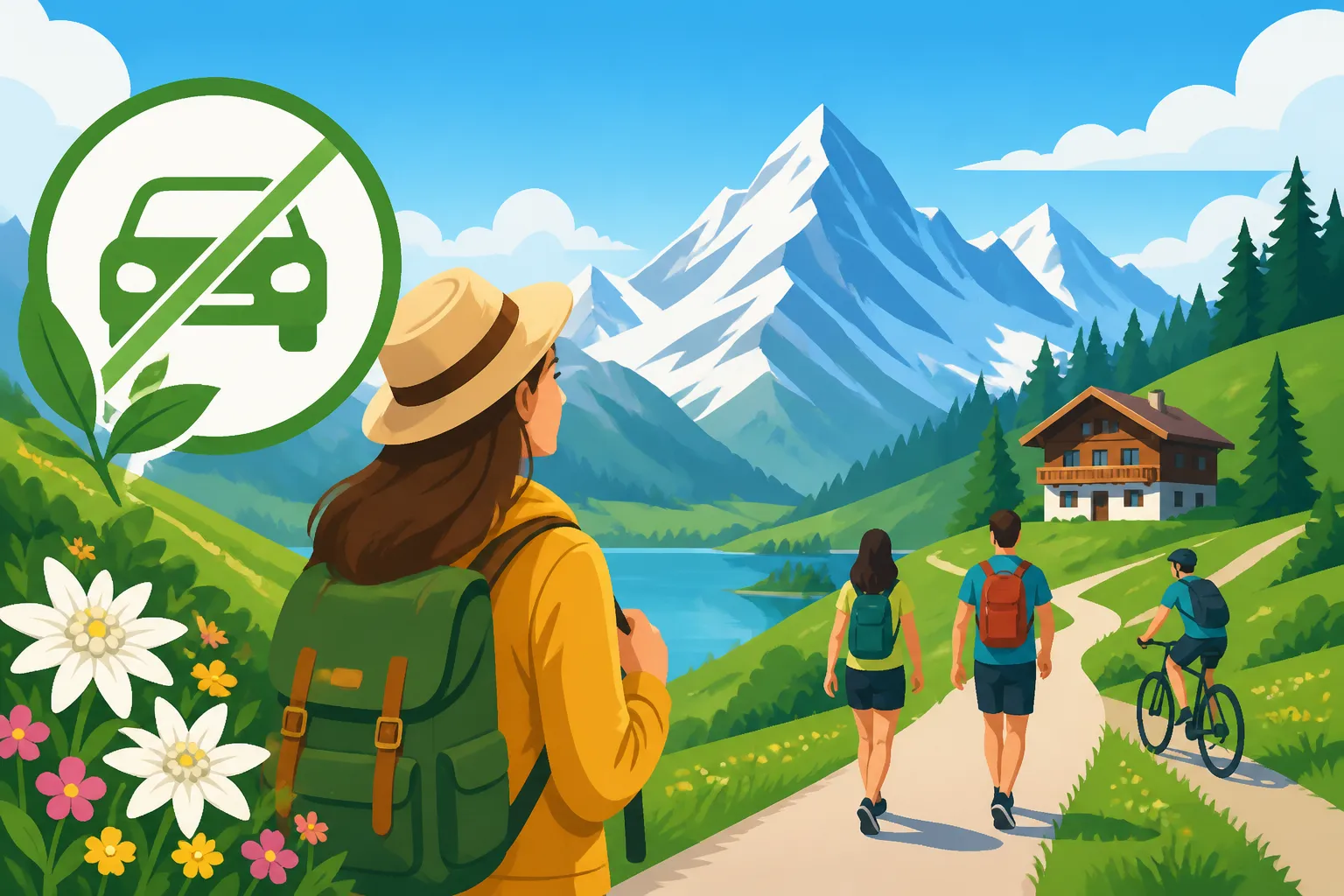
Switzerland, as a nation, is deeply committed to sustainability, and their public transport network is a shining example of this. By choosing trains, buses, and cable cars, you're not just reducing your own carbon footprint; you're actively participating in the country's eco-tourism efforts. Many alpine villages themselves are car-free by design, promoting clean air and quiet streets, which further enhances that sense of tranquil escape. Imagine waking up to the sound of cowbells and distant waterfalls, not car engines.
This lifestyle choice forces you to slow down, to be more present, and to truly appreciate the natural beauty around you. You're not rushing past scenic viewpoints; you're often travelling right through them. The mountain air feels cleaner, the views clearer, and your mind, unbound by driving responsibilities, feels infinitely lighter. It's an opportunity to truly immerse yourself in the serene magic of the Swiss Alps, just as nature intended.
Essential Planning for Your Car-Free Alpine Getaway
Planning a car-free trip isn't just about showing up at the station; it requires a little strategic thinking. But don't worry, it's far easier than trying to figure out if you're allowed to turn right on red in Zurich (spoiler: you're not, usually!). A well-planned car-free adventure simply means focusing on connectivity and smart packing.
Choosing Your Destination Wisely
The Swiss Alps are vast and varied, and while public transport is excellent almost everywhere, some destinations are inherently better suited for car-free travel than others. Your ideal car-free haven will either be entirely car-free by regulation or incredibly well-connected by train and local bus services.
For example, places like Zermatt, Wengen, Mürren, and Saas-Fee are famously car-free villages. This means private cars are simply not allowed beyond a certain point, making them perfect choices where local electric taxis or small buses handle all internal transport. Other gems like Grindelwald, Lauterbrunnen, and Pontresina might allow cars but boast such seamless public transport integration that a car becomes completely redundant.
When you're dreaming up your destination, always check the SBB website (or the fantastic app!) for journey times and connections right to the heart of the village. For general travel inspiration on how trains can take you almost anywhere, you might want to look at our guide on Switzerland by Train: The SBB Network, Scenic Routes, and Day Trips. If you're looking for quick escapes from major cities, we also have a post on Day Trips by Train: The Best Swiss Destinations Within Two Hours that could spark some ideas. The key is to pick a spot where the "last mile" – getting from the nearest train station to your accommodation – is either walkable, served by a local funicular, bus, or electric taxi.
Mastering the SBB: Tickets, Passes, and Apps
The SBB Mobile app is, without exaggeration, your absolute best friend for car-free travel in Switzerland. Download it, get familiar with it, and it will revolutionize how you move around. It's not just for buying tickets; it provides real-time schedules, platform changes, and even tells you how full a train is likely to be. While international booking platforms like Omio can be useful for comparing longer, cross-border journeys, for anything within Switzerland, the SBB app is king.
For ticket purchasing, you have a few options:
- Point-to-point tickets: Simple, one-off tickets for a specific journey. Best for very occasional trips.
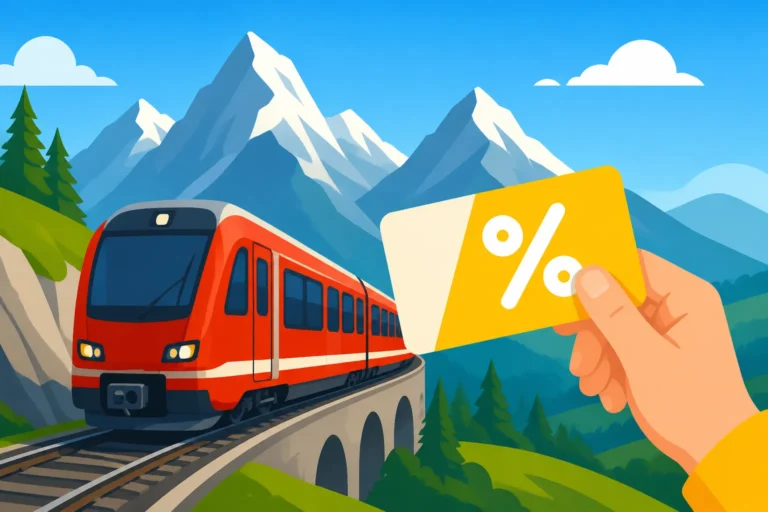
- Half-Fare Card (Halbtax): If you live in Switzerland and plan to travel even a few weekends a year, this is a no-brainer. It gives you 50% off almost all train, bus, boat, and mountain transport. Seriously, if you don't have one, get one. Learn more about it in The Half-Fare Travelcard (Halbtax): The Must-Have Pass for Swiss Residents.
- Saver Day Pass (Spartageskarte): These are fantastic for a car-free weekend! If you book well in advance, you can get unlimited travel for an entire day on the entire SBB network, often for less than a single return journey. They are especially good value if you have a Half-Fare card. Our guide on Saver Day Pass (Spartageskarte): How Residents Save on Day Trips has all the details.
- GA Travelcard (Generalabonnement): If you're a hardcore explorer or a daily commuter, this pass offers unlimited travel on most public transport throughout Switzerland. It's a significant investment, but the freedom it provides is unparalleled. Our article on SBB Travelcards: Is the Generalabonnement (GA) Worth the CHF 4000+ Cost? breaks down if it's right for you.
Here's a quick comparison of popular SBB travel options for reference:
| Pass Type | Best For | Cost (approx.) | Key Benefit |
|---|---|---|---|
| Point-to-Point | Single, infrequent journeys | Variable | Flexibility for spontaneous, isolated trips |
| Half-Fare Card | Most residents, frequent day-trippers | CHF 185 (1-year) | 50% off almost all public transport tickets |
| Saver Day Pass | Spontaneous long-distance day trips (with Half-Fare card) | CHF 29-59 (with Half-Fare) | Cheap full-day travel if booked well in advance |
| GA Travelcard | Daily commuters, extensive travelers | CHF 4'180 (1-year 2nd class) | Unlimited travel on most SBB, buses, boats, trams |
| Swiss Travel Pass | Short-term tourists (not residents/expats) | Variable | All-inclusive travel for a set number of days |
Packing Smart for Mountain Adventures
When you're going car-free, every gram in your backpack counts, especially if you have a short walk from the station to your accommodation, or if you plan to do some hiking. Ditch the huge suitcase and embrace the art of efficient packing.
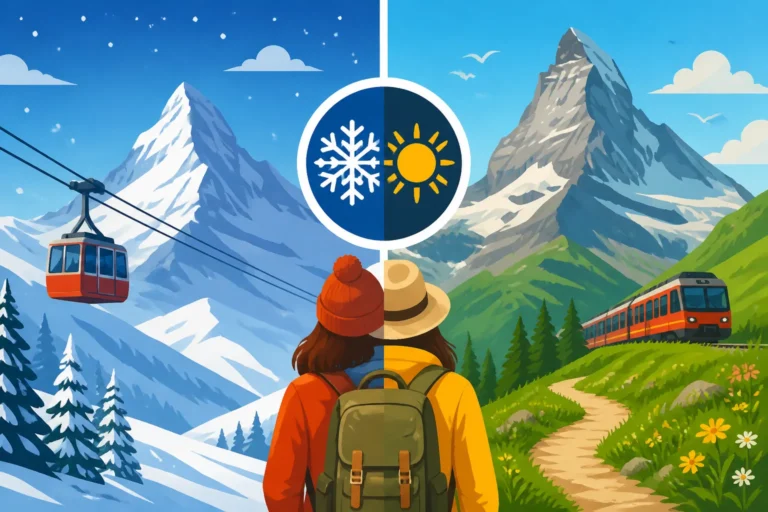
Think layers. Swiss mountain weather can be notoriously fickle, offering sunshine, rain, and even a dusting of snow all in one day, even in summer. A good waterproof and windproof jacket is essential, as is a warm mid-layer (fleece or light down) and breathable base layers. Sturdy, comfortable walking shoes are non-negotiable, even if you only plan to stroll around the village. A small backpack (20-30 litres) should be sufficient for a weekend, allowing you to carry water, snacks, an extra layer, and any souvenirs.
Don't forget the essentials: a reusable water bottle (Swiss tap water is fantastic everywhere!), sunscreen, sunglasses, a power bank for your phone (especially if you're using it for navigation and photos), and a simple first-aid kit. Consider bringing a few reusable shopping bags too, as Swiss shops rarely provide free plastic bags. If you are planning a very long trip or have specialized gear, you can sometimes utilize services for Luggage and Ski Transport on Swiss Public Transport, but for a standard weekend, keeping it light is the strategy.
On-the-Ground Logistics: Reaching and Navigating Your Alpine Village
So, you've arrived at the main train station. Now what? The beauty of a car-free alpine weekend is that the journey doesn't end when the train does. It seamlessly transitions into the next charming mode of transport, making the "last mile" an integral part of your adventure.
From Train to Cable Car: The Last Mile
Once your SBB train has delivered you to the nearest hub, the adventure continues with local transport tailored for the mountain environment. In places like Zermatt, you'll find quiet electric taxis waiting to whisk you to your hotel, preserving the pristine air and peaceful atmosphere of the village. In Wengen, the entire village is car-free, so the train delivers you right into the heart of it, and from there, it's either a short walk or another scenic mountain railway to your door.
For destinations like Grindelwald, local PostBuses (the iconic yellow buses!) connect the train station to various trailheads, cable car stations, and accommodations. These connections are typically well-synchronized with train arrivals, so a quick check on the SBB app will usually show you the full journey, including these local links. It's surprisingly smooth and often more enjoyable than trying to park a car in a crowded village. You'll often find yourself riding a gondola or a historic cogwheel train, ascending higher and higher, offering incredible views that you'd miss if you were focused on driving.
Just remember to check the frequency of these "last mile" connections, especially if you're arriving late in the evening or heading to a very remote spot. While Swiss transport is generally frequent, some smaller village buses or specific cable cars might have less frequent service outside peak hours.
Activities Accessible Without a Car
You might wonder if going car-free means limiting your activity options. Absolutely not! The Swiss Alps are practically designed for exploration without a private vehicle. The entire infrastructure is geared towards hikers, skiers, and sightseers using public transport. If you're looking for structured activities, platforms like GetYourGuide are excellent for browsing tours and experiences that almost always start from easily accessible points.
For hiking, many trails begin directly from train stations or cable car top stations. The network of yellow hiking signs (Wanderwege) is legendary and will guide you seamlessly from one stunning viewpoint to the next. You can find more details on how to understand the trail system in Swiss Hiking for Beginners: Trail Grades and the SAC System. The extensive network of Mountain Railways and Cable Cars: Reaching Switzerland's Peaks means you can ascend high into the mountains, enjoy panoramic views, and then embark on gentle ridge walks or challenging descents, all without needing a car to get to the trailhead.
In winter, many ski resorts are perfectly accessible by train and gondola. Places like Engelberg, Verbier (via Le Châble), and the entire Jungfrau ski region are fantastic examples. If you're planning a winter trip, our guide to Skiing in Switzerland: Resorts, Passes, and Costs for Residents can give you more specific advice on car-free access. You'll also find plenty of opportunities for sledding, snowshoeing, or simply enjoying the festive atmosphere of the car-free villages, with cozy cafés and restaurants inviting you in.
Accommodation Choices for the Car-Free Traveler
When you're booking your stay, location is everything. Look for hotels, guesthouses, or chalets that explicitly mention their proximity to the train station, bus stop, or a mountain lift. Many accommodation providers in car-free villages are very accustomed to guests arriving by public transport and will often offer luggage transfer services from the station or a complimentary electric taxi ride.
Utilize platforms like Booking.com and filter by location or read reviews specifically mentioning ease of access from public transport. Don't be shy to call or email the hotel directly to confirm their advice on arrival without a car. They are usually more than happy to help you plan your journey from the moment you step off the train.
For a truly immersive experience, consider staying in a traditional mountain hut, or "Berghaus." These charming, often rustic, accommodations are typically accessible by hiking or specific mountain transport, and staying there ensures you're right in the heart of the alpine wilderness. Our guide on Mountain Huts vs Hotels: Where to Stay in the Swiss Alps provides more insights into these unique stays. Remember, the goal is effortless enjoyment, and that starts with choosing a place where your arrival and departure are as smooth as your scenic train ride.
Sample Itineraries for a Car-Free Weekend
To give you a taste of what's possible, here are a few ideas for car-free weekend getaways in some of Switzerland's most beloved alpine regions. These are just starting points, of course – feel free to mix and match or delve deeper into one area!
The Iconic Jungfrau Region (Grindelwald/Wengen)
This region is the poster child for car-free alpine adventures, offering dramatic peaks, lush valleys, and charming villages that are perfectly integrated with public transport. The main gateway is Interlaken Ost, easily reachable by train from anywhere in Switzerland.
Day 1: Arrival and Wengen Charm
From Interlaken Ost, hop on the scenic Wengernalp Railway, which winds its way up to the car-free village of Wengen. Check into your hotel, often just a short walk from the station. Spend the afternoon exploring the village, soaking in the views of the Lauterbrunnen Valley and the Jungfrau massif. There are several easy, flat walks around Wengen that offer incredible panoramas. Enjoy a traditional Swiss dinner at a local restaurant.
Day 2: High Alpine Wonders
Take the train even higher from Wengen up to Kleine Scheidegg, where you'll find yourself surrounded by the mighty Eiger, Mönch, and Jungfrau peaks. From here, you have a couple of fantastic car-free options:
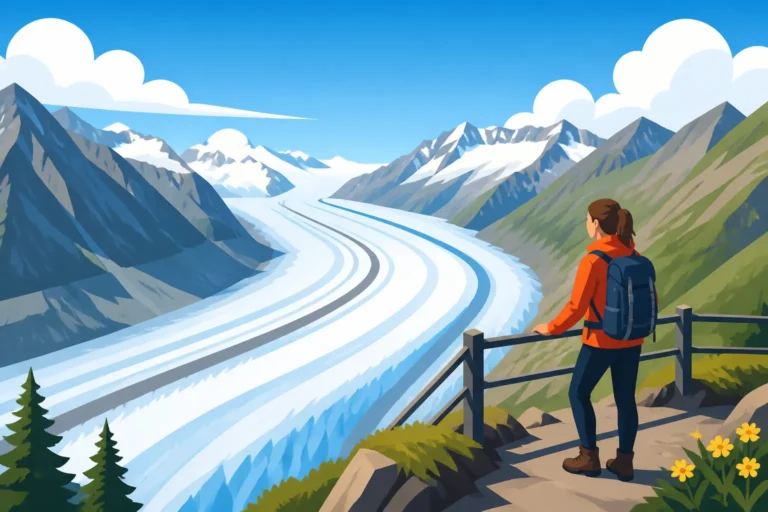
- Option A: Jungfraujoch – Top of Europe: Board the Jungfrau Railway, which burrows through the Eiger itself, emerging at Europe's highest railway station. Explore the Ice Palace, Sphinx Observatory, and simply marvel at the Aletsch Glacier. It's an unforgettable experience, though pricier. Planning your trip here might be easier with our guide on Jungfraujoch 'Top of Europe': Planning the Trip and Saving Money.
- Option B: Grindelwald First: Instead of Jungfraujoch, take the train down to Grindelwald (also accessible from Interlaken Ost). From Grindelwald, a series of gondolas takes you up to First, where you can brave the First Cliff Walk, try the First Glider, or enjoy beautiful, easy hikes with stunning views.
You can easily travel between Grindelwald and Wengen by taking the train via Zweilütschinen. This entire region is a playground of interconnected mountain transport, truly designed for you to leave your car keys at home. For more detailed insights on navigating this area, check out Getting to Jungfrau Region: Interlaken to Grindelwald and Wengen.
Charming Zermatt and the Matterhorn
Zermatt is perhaps the most famous car-free village in Switzerland, instantly recognizable by its quaint electric taxis and the pyramidal perfection of the Matterhorn. Getting there is part of the experience, as you take a shuttle train from Täsch (where you'd leave a car, if you had one) into the village.
Day 1: Arrival and Village Exploration
Arrive in Zermatt via the regional train. An electric taxi can ferry you and your luggage to your accommodation, or you might find it's a pleasant walk. Spend the afternoon strolling along the Bahnhofstrasse, visiting the Matterhorn Museum (a must-see!), and simply soaking in the unique, peaceful atmosphere of a truly car-free town. Find a cozy spot for an apéro and watch the Matterhorn turn golden as the sun sets.
Day 2: Matterhorn Magic
This is where Zermatt truly shines for car-free visitors. You have incredible mountain railways and cable cars at your disposal:
- Gornergrat Railway: Take the historic cogwheel train up to Gornergrat for absolutely unparalleled, close-up views of the Matterhorn and surrounding glaciers. There are easy panoramic walks at the top, and several stops on the way up or down allow for hiking between stations. We have a dedicated article on the Gornergrat Railway: Matterhorn Views from Zermatt.
- Sunnegga, Rothorn, or Glacier Paradise: Choose another lift for a different perspective. Sunnegga is a popular starting point for easy family hikes and offers idyllic lake views (including the famous Stellisee with its Matterhorn reflection). For the truly adventurous, the Matterhorn Glacier Paradise offers Europe's highest cable car station, with year-round snow and glacier experiences.
The entire village and its surrounding mountains are completely navigable without a car, and the lack of vehicle noise truly amplifies the natural sounds of the Alps. For practical tips on how to reach this gem, read How to Reach Zermatt Without a Car (Täsch Park and Ride).
Lakeside Serenity in Lucerne & Mount Rigi
For a beautiful blend of city, lake, and mountain, a car-free weekend based in Lucerne is a fantastic choice. Lucerne itself is highly walkable and perfectly connected to the surrounding natural beauty by boat and mountain transport.
Day 1: Lucerne City and Lake Cruise
Arrive in Lucerne by train, a major SBB hub. Check into your hotel, ideally near the train station or the picturesque old town. Spend the day exploring Lucerne's iconic Chapel Bridge, the historic city walls, and the charming narrow streets. In the afternoon, take a relaxing cruise on Lake Lucerne, offering stunning views of the surrounding peaks from the water. Our guide on Exploring Lucerne: Old Town, Lake Cruises, and Mount Excursions details more about this beautiful city.
Day 2: Mount Rigi – The Queen of the Mountains
From Lucerne, dedicate your second day to Mount Rigi. It's known as the "Queen of the Mountains" because of its accessible grandeur and incredible 360-degree views. You can combine a boat trip across Lake Lucerne with a cogwheel train ride directly to the summit, or take a cable car from Weggis or Vitznau. There are numerous easy to moderate hiking trails at the top, suitable for all fitness levels. Learn more about this popular destination in Mount Rigi, Queen of the Mountains: Easy Alpine Access from Lucerne.
Alternatively, consider the equally stunning Mount Pilatus, which also offers a fantastic "Golden Round Trip" combination of boat, cogwheel railway (the world's steepest!), and panorama gondola back to Lucerne. You can find out more about this option in Pilatus Golden Round Trip: Boat, Cogwheel, and Cable Car. Both Rigi and Pilatus are designed for car-free visitors, making them perfect additions to your tranquil weekend.
Disclaimer
The information provided in this article is intended for general guidance only and is subject to change. While we strive to provide accurate and up-to-date information, local regulations, public transport schedules, and prices can vary. It is always recommended to verify details with official sources such as SBB.ch, local tourism boards, and service providers (e.g., Omio, GetYourGuide, Booking.com) before making any travel arrangements. We cannot be held responsible for any inaccuracies or consequences arising from the use of this information.