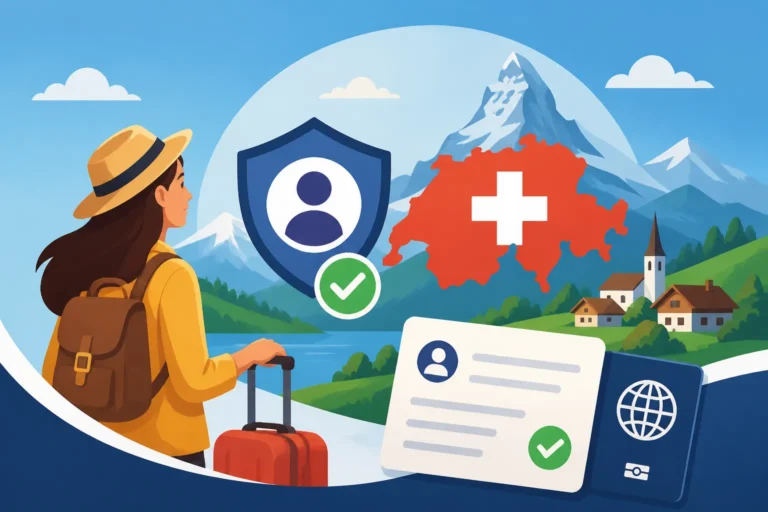
Can You Apply for Swiss Citizenship Online or Must It Be In Person?
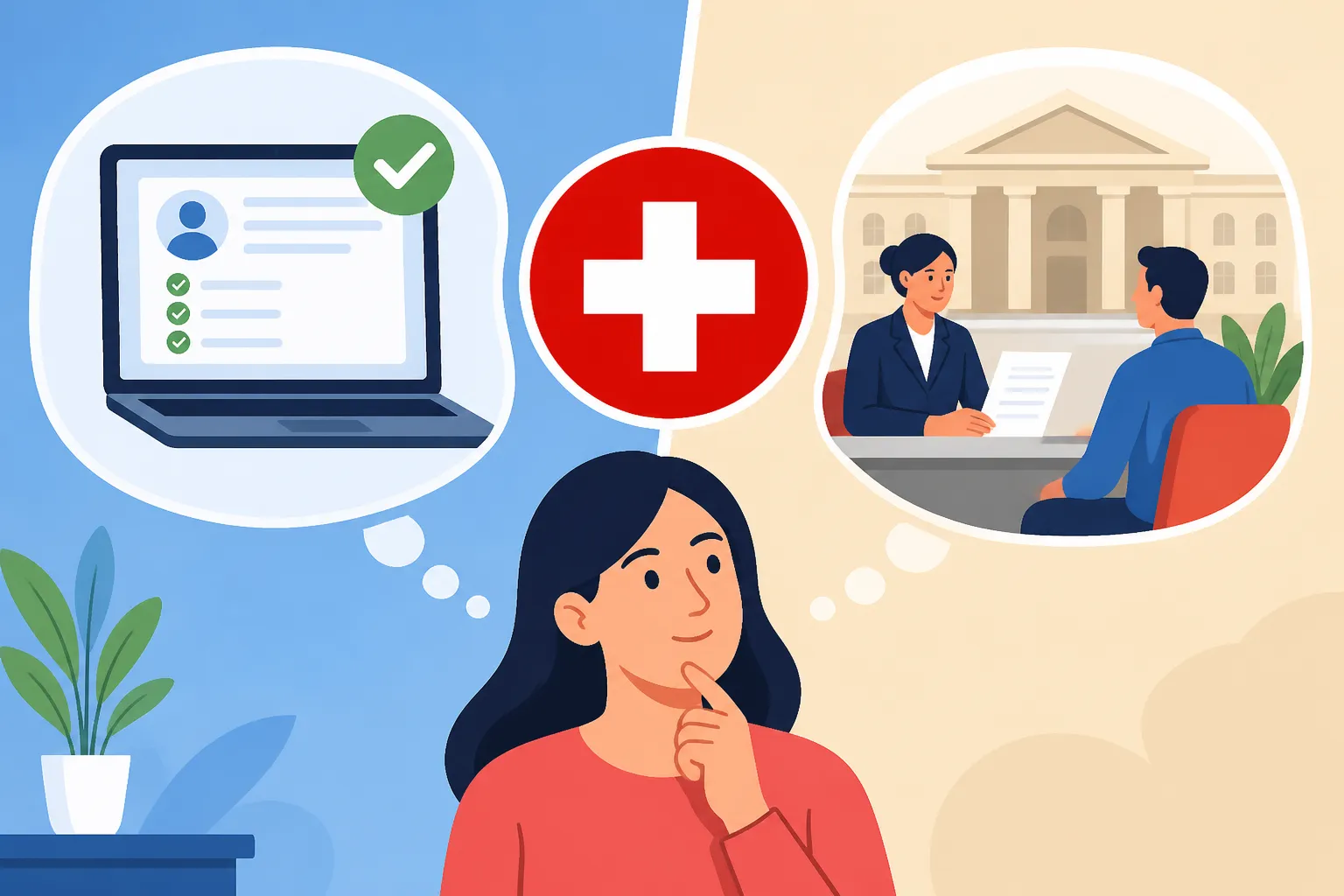
Ah, the dream of becoming a Swiss citizen! It’s a milestone many of us expats consider after years of living here, integrating, and learning to navigate this wonderfully complex country. But let's be honest, the Swiss administrative hurdles can sometimes feel like trying to climb the Matterhorn in flip-flops. One common question that pops up almost immediately is whether you can apply for Swiss citizenship with a few clicks online, especially after getting so used to digital services everywhere else. The short answer, my friends, is a resounding "no." This guide will walk you through the very real, very offline journey of applying for Swiss citizenship, explaining why it's a deeply personal, paper-heavy process that requires your physical presence and active engagement.
The Reality of Swiss Citizenship Applications in the Digital Age
If you've spent any time at all dealing with Swiss bureaucracy, you've probably noticed a pattern: while some things are modern, many foundational processes still lean heavily on tradition and physical interaction. Applying for Swiss citizenship is perhaps the epitome of this. Forget uploading PDFs to a sleek online portal; this journey is far more analogue, requiring actual paper, stamps, and face-to-face meetings. It might feel a bit antiquated in our hyper-connected world, but it’s deeply rooted in the Swiss way of doing things.
Why Switzerland Prefers the Personal Touch
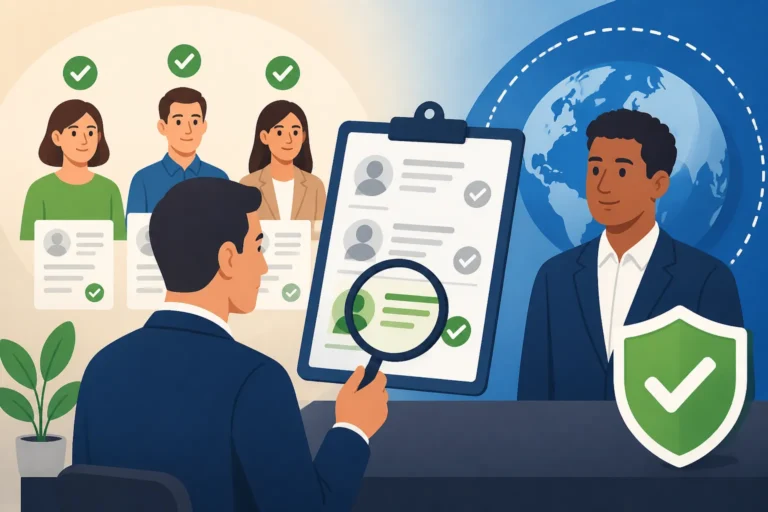
The Swiss system of governance is unique, built on principles of federalism and direct democracy. This means that power is decentralised, and decisions often involve multiple layers of government: federal, cantonal (state), and communal (municipal). When it comes to citizenship, your local commune plays a surprisingly significant role, acting as the first gatekeeper. They want to know you. They want to understand your connection to their community, not just assess a digital profile. It's about personal integration, about knowing your neighbours, understanding local customs, and demonstrating a genuine commitment to Swiss society. This philosophy inherently pushes against a fully online, impersonal application process. It’s not just about ticking boxes on a form; it’s about proving you are truly part of the fabric of your local community.
The Initial Steps: More Paperwork Than Pixels
While you might find information about the naturalization process online, often on your cantonal migration office website or the State Secretariat for Migration (SEM), the actual process of applying begins with obtaining the correct physical forms. This usually means a trip to your local Gemeindehaus (municipal office) or Bureau des Étrangers. They’ll hand you a weighty packet of documents—often in one of the official languages, so brush up on your German, French, or Italian! These forms aren't simple fill-in-the-blanks; they require detailed personal information, residency history, financial declarations, and sometimes even a hand-written essay about your connection to Switzerland. This initial paperwork sets the tone for the entire process: meticulous, thorough, and very much grounded in tangible records.
The Ordinary Naturalization Process: A Marathon, Not a Sprint
For most expats who haven't married a Swiss citizen or aren't third-generation residents, the "ordinary naturalization" route is the one you’ll be on. This is a multi-stage process that tests your patience as much as your knowledge of Swiss geography. It's not uncommon for it to take several years from start to finish. You’ll be dealing with three distinct levels of authority, each with its own set of requirements and evaluation criteria, and each demanding your physical engagement.
Federal, Cantonal, and Communal Layers: Your Three Hurdles
Imagine a relay race, but instead of running, you're shuffling papers between three different administrative bodies, each wanting a piece of your time and attention.
- The Commune (Gemeinde/Commune): This is where it all begins. Your local municipality will assess your local integration, adherence to house rules (yes, really!), participation in local life, and often conduct an interview. They want to confirm you're not just living there, but belonging there. This often involves knowledge of local events, political structures, and perhaps even understanding a bit of the local dialect. Many communes also have local residency requirements, often longer than the federal minimum, so make sure to check your specific commune's rules. This is your first and most personal hurdle.
- The Canton (Kanton/Canton): Once your commune gives its stamp of approval, your application moves up to the cantonal level. Here, they'll review your financial stability, ensuring you haven't been on social welfare, have a clean debt register extract (no Betreibungen!), and generally conduct yourself in an orderly Swiss manner. They'll also check your overall adherence to Swiss laws. The cantons often have their own language requirements, such as taking the fide language test or presenting a Goethe B1 certificate, which, again, are taken in person. Understanding the specifics of your canton's requirements is crucial, as they can vary quite a bit. If you're pondering how to navigate these complexities, exploring resources on Cantonal Residency Requirements for Swiss Citizenship Applications can be incredibly helpful.
- The Federation (Bund/Federal): Finally, after successfully navigating the communal and cantonal assessments, your application goes to the State Secretariat for Migration (SEM) in Bern. They perform a final check, ensuring all federal requirements are met and that there are no red flags on a national level. This is generally more of a formal review, as much of the heavy lifting of assessing integration and character has already been done by the lower levels.
Compiling Your Dossier: The Mountain of Documents
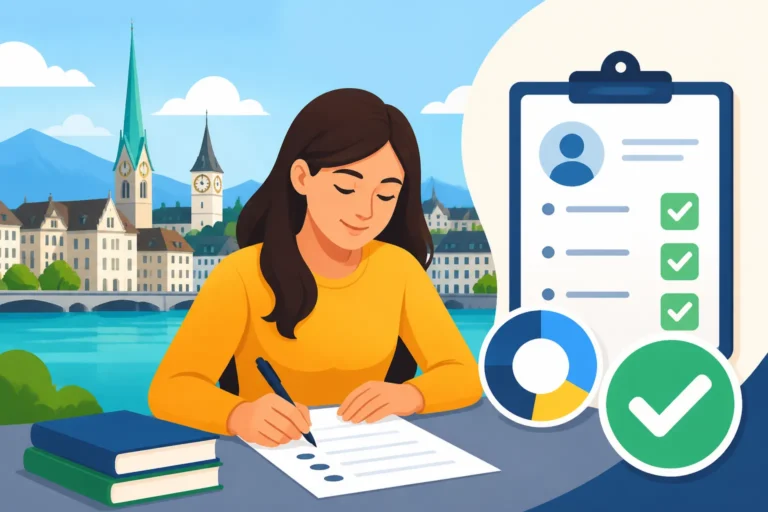
The application dossier for ordinary naturalization is no joke. It's a thick file of personal information, proofs, and declarations that you'll spend weeks, if not months, compiling. You’ll likely need:
- Proof of residency: Your B or C permit, confirmations from your commune about your years of residence.
- Financial stability: Salary slips, tax returns, and that all-important Betreibungsauszug (debt register extract) to prove you're not swimming in debt. Remember, financial independence checks are a major part of the process, and understanding Financial Independence Checks: Why Betreibungen Debt Stops Permit Renewals is vital.
- Language certificates: Official proof of your German, French, or Italian skills, typically A2 written and B1 oral. These require in-person exams.
- Criminal record extract: A clean record is non-negotiable.
- Evidence of integration: This is the squishiest part, but it could include letters from local clubs (Vereine) you’ve joined, confirmation of volunteer work, or even school reports for your children in Swiss public schools.
- Birth certificates, marriage certificates, passport copies: All the usual suspects, often requiring certified translations and apostilles. When thinking about moving and organizing all these vital documents, a relocation service like Sirelo can be incredibly useful, helping you stay on top of all the paperwork, even if the final submission is physical.
This entire collection must be meticulously organized, often copied multiple times, and submitted physically. It’s a paper trail that would make a tree blush!
Facilitated Naturalization: A (Slightly) Smoother Path, Still Offline
For some, there's a slightly less arduous path: facilitated naturalization. This route is designed for individuals with existing close ties to Switzerland, specifically spouses of Swiss citizens and third-generation foreigners. While it bypasses the communal approval process, making it a bit faster and often less intensely scrutinizing on the local integration front, it is still an entirely offline process handled by the federal authorities (SEM).
Who Qualifies for Facilitated Naturalization?
The primary candidates for facilitated naturalization include:
- Spouses of Swiss citizens: If you’ve been married to a Swiss national for at least three years, have lived in Switzerland for a total of five years (with the year immediately preceding the application being continuous residency), and demonstrate integration. For those contemplating this, the article on Facilitated Naturalization: Fast-Track Citizenship for Spouses of Swiss Nationals is a must-read.
- Third-generation foreigners: If you were born in Switzerland, your parent had a C permit, and your grandparent was born here or had a B permit for at least six years, you might qualify.
- Children of naturalized Swiss parents: Certain conditions apply if your parents became Swiss after your birth.
Even with these specific criteria, the application is not a formality; you still need to prove genuine integration, respect for the Swiss legal order, and that you pose no threat to internal or external security.
The Application Process for Facilitated Naturalization
Even for facilitated naturalization, the process remains stubbornly offline. You'll download the official forms from the SEM website, but then you'll print them, fill them out by hand (or impeccably typed), and gather all the supporting documents. These documents are very similar to the ordinary naturalization list, though the emphasis on community involvement might be slightly different. Once everything is assembled, it's submitted via postal mail to the State Secretariat for Migration.
Crucially, facilitated naturalization still involves an interview. The SEM will invite you for a face-to-face conversation where they assess your integration, language skills, and overall understanding of Swiss life. This interview is a critical step, designed to ensure that even those with strong ties genuinely belong and respect the country's values. It’s a highly personal evaluation, and there’s simply no way to replicate that online.
The Interview and Integration Assessments: Your Face-to-Face Moment
No matter which naturalization path you take, you will almost certainly have at least one interview, and possibly several. These aren't just chats; they are formal assessments designed to gauge your genuine integration into Swiss society. This is where the rubber meets the road, and your preparedness, language skills, and demonstrable understanding of Swiss life truly shine (or don't!).
The Communal Interview: More Than Just a Chat
For ordinary naturalization applicants, the communal interview is often the most personal and, frankly, intimidating part of the process. This isn't just about reviewing your documents; it's about the commune getting a feel for who you are as a person and as a community member. Expect questions about:
- Your daily life: Where do you shop? What do you do on weekends? Do you know your neighbours?
- Local knowledge: Who is the local Gemeindepräsidentin (mayor)? What are the main sights or events in your town? How does the recycling system work? What's the local dialect's word for "thank you"?
- Your integration efforts: Are you a member of any local clubs (Vereine)? Have you volunteered? Do you understand the quiet hours (Ruhezeiten) and other local rules?
- Motivation for citizenship: Why do you want to become Swiss? What does it mean to you?
The communal interviewers want to see that you're not just existing in their town but actively participating and understanding its rhythm. It's a chance for them to literally look you in the eye and decide if you're a good fit. This is why you cannot apply online; the personal connection is paramount. To better understand what they're looking for, you might find the article The Swiss Citizenship Interview Questions: What the Commune Asks You highly informative.
Demonstrating Integration and Language Skills
Beyond the interview, your integration is assessed through various means. Your language skills, for example, are paramount. You’ll need to prove proficiency, typically B1 oral and A2 written for German, French, or Italian. These are assessed through official, in-person language tests like the fide test or recognized certificates such as Goethe-Zertifikat. These tests are standardized and require physical attendance, listening comprehension, speaking, reading, and writing in a controlled environment. There’s no online shortcut here; you need to demonstrate your abilities authentically. The article on C Permit Language Requirements: Do I Need A2 Written and B1 Oral? offers excellent insights into these benchmarks, which are very similar for naturalization.
True integration, however, goes beyond language. It's about respecting the Swiss legal order, which means having a clean criminal record and no social welfare dependency. It's about your reputation in the community, your professional stability, and your understanding of the country's democratic principles. The process demands that you actively show these things, not just declare them in a digital form.
Practical Tips for Navigating the Offline Process
Since the online application for Swiss citizenship isn't an option, you'll need to embrace the traditional approach with gusto. This means being organized, proactive, and patient. It's a journey, not a sprint, and preparing yourself for the manual nature of it will save you a lot of headaches.
Engaging with Your Local Commune and Cantonal Office
My best advice as a veteran expat is to build a good relationship with your local communal office from the start. Don't just show up when you need something. Pop in, introduce yourself, ask questions, and be polite. They are your first point of contact and can provide invaluable, localised guidance. Many communes have specific naturalization officers, and a friendly face can make all the difference.
- Be proactive: Don't wait for them to chase you. Follow up politely if you haven't heard back within the expected timeframe.
- Ask for specifics: Requirements can vary even between neighbouring communes. Always ask for a definitive checklist of documents and current fees for your specific location.
- Practice your local language: Even if your B1 is strong, showing you've made an effort with local dialect phrases goes a long way.
For the cantonal level, their migration office websites are usually more comprehensive, but a phone call or an in-person visit to clarify complex points is often better than relying solely on email. Remember, these folks are busy, so have your questions clear and concise.
Document Management and Professional Support
Given the sheer volume of paperwork and the precision required, document management is key.
- Create a master folder: Keep all original documents and multiple copies in a well-organised physical folder. Label everything clearly.
- Certified translations: Any documents not in an official Swiss language (German, French, Italian) will need certified translations. Don't skimp here; use reputable, officially recognized translators.
- Apostilles: Depending on the country of origin, some documents (like birth certificates) might require an apostille for international recognition. Check this early on!
- Professional help: While you can do it yourself, many expats choose to enlist the help of a naturalization lawyer or a specialized consultant, especially if their case is complex or they feel overwhelmed. They can guide you through the intricacies, review your dossier, and prepare you for interviews. Just be aware this comes at a significant cost. For instance, preparing for the extensive interviews and understanding the nuances of Swiss citizenship can be a stressful time, and having reliable long-term health coverage, perhaps through providers like Cigna Global, can offer peace of mind during such demanding periods.
The Swiss naturalization process is a testament to the country's meticulous approach to integration and citizenship. It's a personal journey that demands your physical presence, your paperwork, and your patience. While it might lack the digital convenience of some other countries, it ultimately aims to ensure that those who become Swiss are genuinely connected to their new home, from the smallest commune to the federal level.
| Naturalization Type | Primary Authority(ies) | Application Submission Method | Key Focus Areas | Average Timeline |
|---|---|---|---|---|
| Ordinary | Commune, Canton, Federal (SEM) | Physical Mail/In-person | Local integration, language, financial stability, clean record, Swiss knowledge | 2-5+ years |
| Facilitated (Spouse) | Federal (SEM) | Physical Mail/In-person | Marital duration, integration, language, financial stability, clean record | 1-2 years |
| Facilitated (3rd Gen) | Federal (SEM) | Physical Mail/In-person | Birth in Switzerland, parental residency, integration, language, clean record | 1-2 years |
Disclaimer
Please remember that I am an expat blogger, not a legal professional. While I strive to provide accurate and up-to-date information based on my personal experience and general knowledge of Swiss laws, regulations can change. The information shared here is for general guidance only and does not constitute legal advice. I strongly recommend consulting with the official cantonal migration authorities, the State Secretariat for Migration (SEM), or a qualified legal expert for personalized advice regarding your specific situation and the latest requirements.