Finding an English-Speaking Therapist in Bern
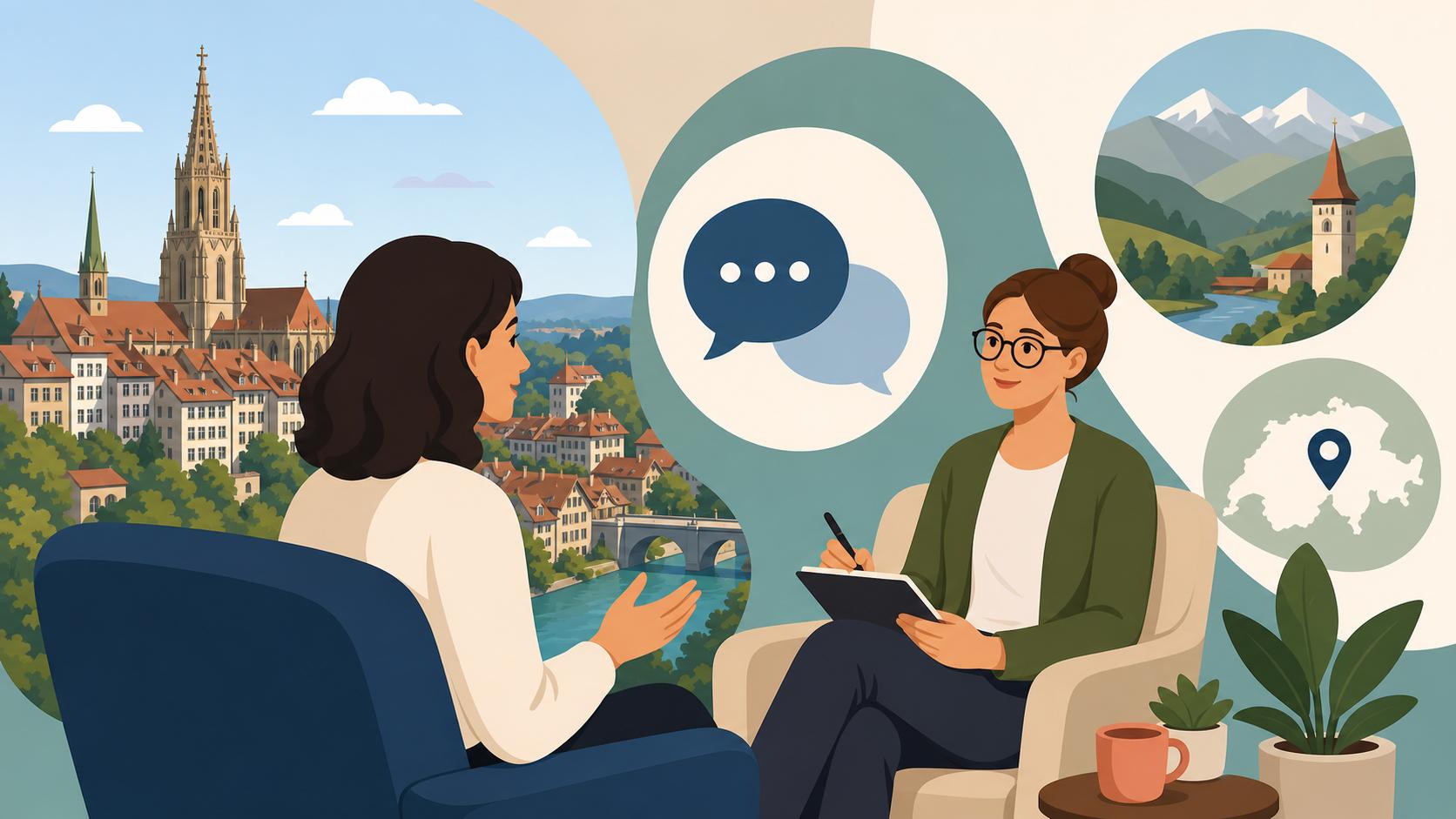
Finding yourself in a beautiful city like Bern but feeling mentally adrift is a uniquely isolating experience that many expats never see coming. I remember staring out at the Aare river from the Kirchenfeld Bridge, surrounded by world-class scenery, yet feeling completely unable to articulate my growing anxiety in High German to a local clerk. This guide is designed to cut through the Swiss administrative fog and show you exactly how to find an English-speaking therapist in Bern while navigating the complex insurance requirements of 2026.
Navigating the Swiss Mental Health System as an Expat
When you first arrive in Bern, the efficiency of the city can be overwhelming, but the mental health system operates on a very specific set of rails. One of the biggest hurdles is understanding the distinction between a psychiatrist and a psychologist, and how your insurance views them. In Switzerland, the rules changed significantly a few years ago with the introduction of the Anordnungsmodell (the prescription model). This means that for your basic insurance to cover psychotherapy, it must be "ordered" by a medical doctor.
If you are struggling with the transition to life in the Swiss capital, your first stop shouldn't necessarily be a Google search for a therapist, but a visit to your primary care provider. Understanding Finding an English-Speaking Family Doctor (Hausarzt) in Major Cantons is the essential first step because they act as the gatekeeper to subsidized mental healthcare. They will assess your needs and provide a formal prescription for up to 15 sessions of psychotherapy, which can then be renewed after a further assessment.
It is also vital to distinguish between a psychiatrist (a medical doctor who can prescribe medication) and a psychologist (who provides talk therapy). If you need pharmaceutical support for conditions like clinical depression or ADHD, you must see a psychiatrist. For those who prefer a more global approach or have specialized international needs, Cigna Global offers plans that can sometimes bypass the local "gatekeeper" model, providing more direct access to private specialists who may have shorter waiting lists than those working strictly within the Swiss KVG system.
The Financial Reality of Therapy in Bern
Let’s talk about the money, because in Switzerland, everything has a price tag that can make your eyes water if you aren't prepared. Most expats are covered under the Understanding KVG/LAMal: Mandatory Basic Health Insurance Explained system. Under this mandatory coverage, psychotherapy is covered, but only after you have cleared your annual deductible.
This is where many newcomers get tripped up. If you chose a high deductible (Franchise) to save on monthly premiums, you might find yourself paying for the first few months of therapy entirely out of pocket. To understand how your specific policy will handle these bills, you should review The Swiss Franchise System: How Deductibles and Copays Work. Even after the deductible is met, you are still responsible for a 10% co-pay (Selbstbehalt).
For those who find the local costs prohibitive or the bureaucracy of the mandatory system too taxing, many expats turn to self-care supplements from iHerb to support their general well-being, such as Vitamin D during the notoriously grey Bernese winters or Magnesium for stress management. However, these are never a replacement for professional clinical care.
| Provider Type | Covered by Basic Insurance (KVG)? | Referral Required? | Can Prescribe Meds? |
|---|---|---|---|
| Psychiatrist | Yes | No (usually) | Yes |
| Delegated Psychologist | Yes | Yes (from a GP) | No |
| Private Counselor | No (usually) | No | No |
| Specialized Clinic | Yes | Yes | Yes |
Where to Find English-Speaking Professionals in Bern
Bern is a diplomatic and academic hub, which works in your favor. There is a higher concentration of English-speaking professionals here than in smaller cantons. Start your search by looking at English-Speaking Therapists: Counseling and Psychological Support Directories. These directories allow you to filter specifically for language and specializations like "expat transitions" or "third-culture kid issues."
A few local "insider" tips for Bern:
- The University of Bern (UniBe): They have a world-class psychology department. While they primarily focus on research, they often have affiliated outpatient clinics (Psychotherapeutische Praxisstelle) that offer high-quality care, often with staff who are perfectly fluent in English.
- The UPD (Universitäre Psychiatrische Dienste): This is the main psychiatric service for the Canton of Bern. They have various locations across the city, including near the Inselspital and in the Bolligen area. They provide comprehensive Mental Health in Switzerland: Accessing Therapists and Psychiatric Care services and usually have English-speaking doctors on staff for intake assessments.
- The Länggasse and Kirchenfeld Neighborhoods: Many private practitioners set up shop in these areas. Walking through the Länggasse, you’ll see many small brass plates for "Psychologische Praxis." Don't be afraid to email them in English; most Swiss psychologists have reached a high level of English proficiency during their academic training.
When you contact a potential therapist, be very specific. Ask: "Do you have experience working with the expat community?" and "Are your services covered under the Swiss KVG Anordnungsmodell?" If they are not covered by the basic insurance, you will need to check if your Supplementary Health Insurance (VVG): What It Covers and When to Buy It includes "alternative" or "non-medical" psychotherapy.
Managing Medication and Ongoing Support
If your therapy journey involves medication, the process in Bern is quite strict. Unlike some countries where a GP can easily manage complex psychiatric prescriptions, in Switzerland, you will likely be referred to a specialist for long-term management. Once you have a prescription, navigating Pharmacies and Medication: Prescriptions, Costs, and OTC Regulations becomes your next task.
The pharmacies in Bern, known as Apotheken, are professional and discreet. Most of the larger ones, like the Amavita in the Bern Train Station (Bahnhof), have staff who speak excellent English. They can help you understand the nuances of Mental Health Coverage: What Basic KVG Insurance Actually Pays For when it comes to specific brands of antidepressants or anti-anxiety meds.
Be aware that some medications that are common in the US or UK might have different names or stricter regulations here. If you are bringing medication with you, ensure you have a doctor's note and understand the local laws. For those looking for supplementary support, iHerb can be a useful resource for finding specific brands of vitamins or herbal supports that are sometimes marked up heavily in Swiss physical stores.
If you find yourself in a situation where you cannot wait weeks for an appointment, Bern has robust emergency services. The Notfallpsychiatrie (Emergency Psychiatry) at the UPD is available 24/7. You should also familiarize yourself with Emergency Medical Services: Ambulances, REGA, and Crisis Protocols so you know exactly who to call if a mental health crisis occurs.
Practical Steps to Starting Therapy This Week
If you are ready to take the plunge, don't let the "Swiss Wall" of paperwork stop you. Follow these steps to get moving:
First, book an appointment with your Hausarzt. Tell them clearly that you are struggling with your mental health and need a "Verordnung für psychologische Psychotherapie." This is the golden ticket that ensures your insurance picks up the tab. To better understand this process, read up on Copays for Psychotherapy: The New Anordnungsmodell Rules Explained.
Second, while waiting for your GP appointment, start emailing 3-5 therapists from the local directories. Don't just message one; English-speaking slots fill up fast in Bern. Mention your insurance type (e.g., "I have a standard KVG policy with Helsana/Swica/CSS") and your language requirements. Some expats choose to supplement their local care with a global policy from Cigna Global to ensure they have access to a wider net of private specialists if the local wait times are too long.
Third, prepare for your first session by writing down your history. It can be exhausting to repeat your life story, especially in a second language or to someone from a different culture. Having a few notes about your "expat journey"—when you moved to Bern, what your support system looks like, and what your specific stressors are—can help bridge the cultural gap quickly.
Finally, remember that the "Bernese pace" of life is intentionally slow. The city values privacy and quiet, which can sometimes feel like coldness to a newcomer. Integration takes time, and seeking therapy is a sign of strength, not a failure to adapt to your new Swiss life.
Disclaimer
The information provided in this article is for educational and informational purposes only and does not constitute professional medical advice, diagnosis, or treatment. Always seek the advice of your physician or other qualified health provider with any questions you may have regarding a medical or mental health condition. Reliance on any information provided in this guide is solely at your own risk. The Swiss healthcare system and insurance regulations are subject to change, and you should verify all coverage details directly with your insurance provider.