Finding a Pediatric Allergist for Your Child in Switzerland
It's incredibly daunting when your child develops allergies, and as an expat parent in Switzerland, the thought of navigating a new healthcare system to find the right specialist can feel overwhelming. You're already juggling so much, and now you have to figure out how to get your little one proper care for their sniffles, rashes, or worse. This guide is here to walk you through exactly how to find a pediatric allergist for your child, cutting through the confusion of the Swiss system and helping you feel confident in securing the best care.
Understanding Childhood Allergies in Switzerland
Living in Switzerland offers incredible natural beauty, but it also brings its unique set of environmental factors that can trigger allergies in children. Whether it’s the high pollen counts during certain seasons, or specific dietary shifts, many expat parents find their kids developing new sensitivities here.
Common Allergens and Symptoms in Swiss Children
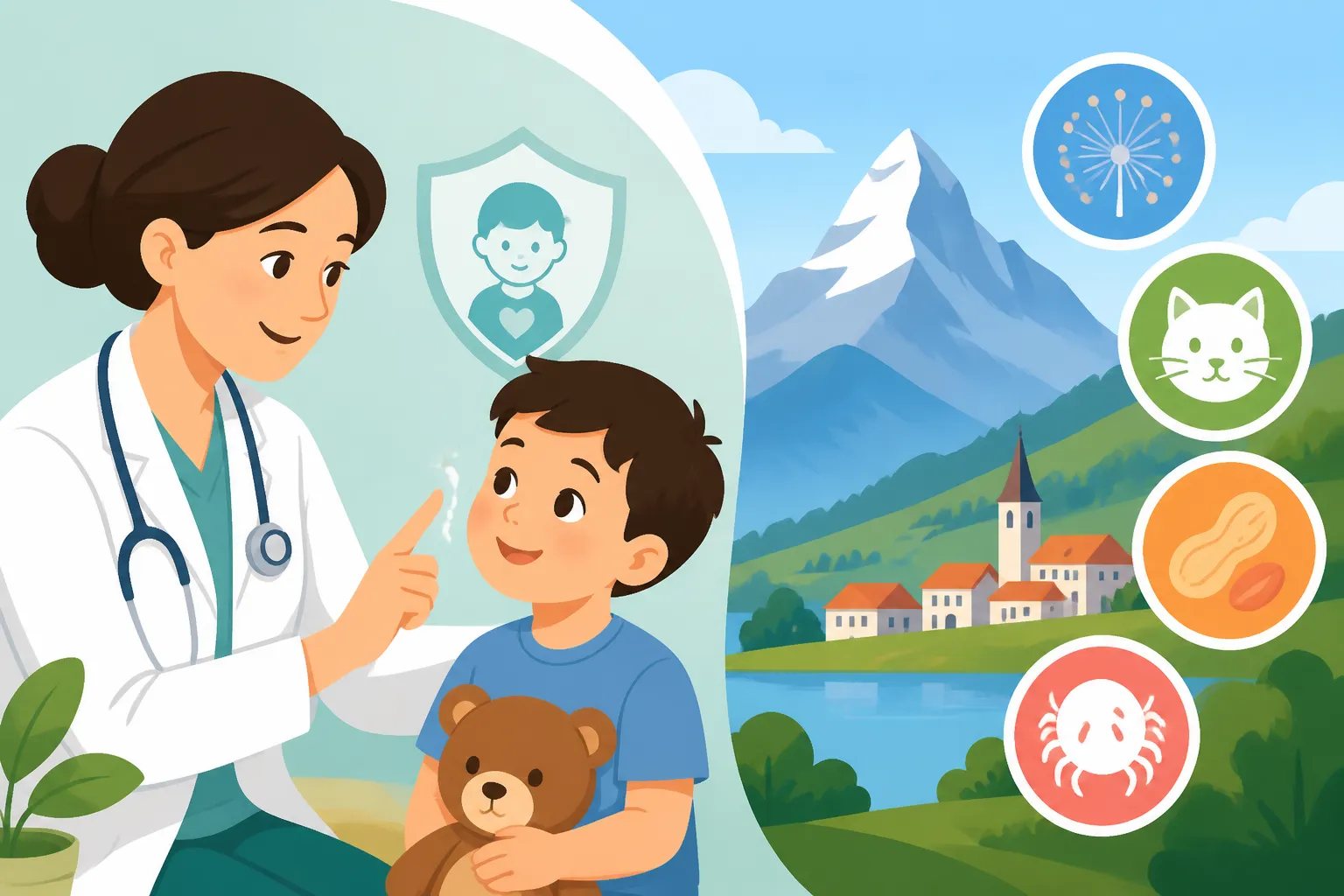
Just like anywhere else in the world, Swiss children can suffer from a wide range of allergies. However, certain allergens tend to be particularly prevalent due to the local environment and lifestyle. Pollen allergies, often called "hay fever," are incredibly common, especially from trees like birch and grasses during spring and summer. You might notice your child with a runny nose, itchy eyes, sneezing fits, or even coughing that seems to linger. Dust mites are another big culprit, thriving in homes, leading to year-round symptoms that might resemble a perpetual cold, especially worse in the mornings. You might see a recurring rash, particularly around bedtime, or persistent sneezing and nasal congestion that just won't clear up.
Food allergies are, of course, a global concern, and in Switzerland, common triggers include cow's milk protein, eggs, peanuts, tree nuts, wheat, and soy. Sometimes, a reaction might be mild, like hives or an upset stomach. Other times, it can be more severe, involving swelling, difficulty breathing, or even anaphylaxis, which is a life-threatening emergency. If your child has a sudden skin reaction after eating something new, or unexplained digestive issues, food allergies should definitely be on your radar. Beyond these, pet dander from the many beloved cats and dogs in Swiss homes, and insect stings, particularly from bees and wasps during warmer months, can also cause significant allergic reactions. Mold spores, which can be an issue in older buildings or humid environments, can also trigger respiratory symptoms.
When to Seek a Pediatric Allergist
It's not always clear when your child's persistent cough is just a cold, or when that recurring rash is simply dry skin. Many parents start with a visit to their regular pediatrician or family doctor, which is absolutely the right first step. Your general practitioner (GP) can assess the symptoms, conduct initial examinations, and rule out other common childhood illnesses. However, if symptoms are severe, persistent, or recurring despite initial treatments, or if there's a suspected serious allergen like a severe food reaction, then it's time to consider a specialist.
A pediatric allergist has specialized training in diagnosing and managing allergies specifically in children. They can perform more detailed tests, such as skin prick tests or blood tests (specific IgE), to pinpoint the exact allergens. If your child's quality of life is significantly impacted – for example, they can't sleep due to congestion, struggle at school because of constant itching, or have to strictly avoid a wide range of foods – a specialist can provide a much clearer diagnosis and a tailored management plan. Don't hesitate to ask your pediatrician for a referral if you feel your child's allergy symptoms are becoming chronic or are difficult to control. Early intervention from a specialist can make a huge difference in managing and even improving a child's allergic conditions long-term.
Navigating the Swiss Healthcare System for Allergy Care
The Swiss healthcare system is excellent but can be a maze for newcomers. When your child needs a specialist like an allergist, understanding the referral process and how your insurance works is key to avoiding unexpected costs and delays.
Referral Process and Insurance Considerations
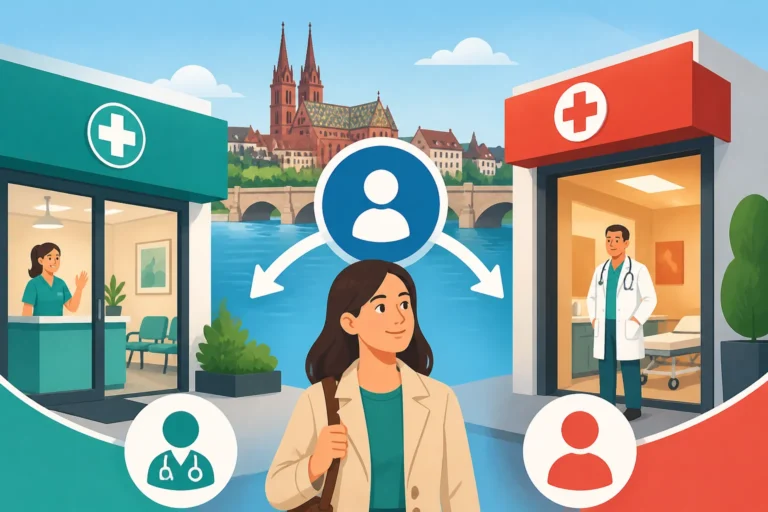
Generally, in Switzerland, your journey to a specialist usually begins with your family doctor or pediatrician. This is especially true if you've opted for a managed care health insurance model, like an HMO or Telmed plan, where you're typically required to consult your primary care physician first before seeing a specialist. They act as a gatekeeper, and frankly, it often makes sense, as they have a holistic view of your child's health history. They will provide a referral if they deem it necessary. If you're on a standard health insurance model, you might have more flexibility to book an appointment directly with a specialist, but even then, a referral often streamlines the process and ensures continuity of care. You can find more details about how these models work in our guide on Comparing Health Insurance Models: Telmed, HMO, Family Doctor, and Standard.
Now, let's talk about the dreaded Swiss health insurance. Basic health insurance, known as KVG/LAMal, covers the costs of medically necessary treatments, including consultations with specialists like pediatric allergists, diagnostic tests (like skin prick tests and blood tests), and prescribed medications. However, remember the franchise (deductible) and copay system. Your child will have their own franchise, and you'll pay a certain percentage (usually 10%) of costs above the franchise until you hit the annual copay maximum. This means you’ll likely incur some out-of-pocket expenses before your insurance fully kicks in. Understanding The Swiss Franchise System: How Deductibles and Copays Work is crucial. For very specific, cutting-edge treatments or certain alternative therapies, supplementary health insurance (VVG) might offer additional coverage, but it's essential to check the policy details carefully.
Sometimes, for new arrivals, coordinating insurance can be tricky. If you're still in the process of setting up your long-term Swiss health insurance or are here on a temporary visa, you might consider international health insurance options. For example, some expat families use providers like SafetyWing for comprehensive travel and medical coverage, especially during initial transition periods or for specific short-term needs, ensuring there isn't a gap in coverage if an emergency allergy situation arises. They offer flexible plans that can be quite useful when you're still finding your feet in a new country.
Finding English-Speaking Pediatric Allergists
One of the biggest hurdles for expat parents is finding medical professionals who speak English, especially when trying to describe complex symptoms or understand nuanced medical advice for your child. While many Swiss doctors have a good command of English, it's not always guaranteed, and in a stressful situation, a language barrier is the last thing you need.
Start your search by asking your pediatrician for recommendations. They often have a network of specialists and can point you towards colleagues known for their multilingual skills. Online doctor directories are also invaluable resources. Websites like Comparis, Docteur.ch (for French-speaking Switzerland), and sometimes even cantonal hospital websites list specialists. You can often filter by language spoken. Major university hospitals in cities like Zurich (Universitäts-Kinderspital Zürich), Geneva (Hôpitaux Universitaires de Genève – HUG), and Basel (Universitäts-Kinderspital beider Basel – UKBB) often have dedicated pediatric allergy departments with staff accustomed to international patients. These institutions are usually at the forefront of medical research and offer comprehensive care.
Expat forums and community groups, both online (e.g., Facebook groups for expats in Zurich or Geneva) and in person, are also fantastic places to get personal recommendations. Fellow expat parents who have been through similar experiences can share their insights and recommend specific doctors they've had positive experiences with. Sometimes, these informal networks yield the best results for finding that perfectly empathetic, English-speaking specialist. Remember, it might take a few calls or emails to clinics to confirm language capabilities and appointment availability, so start your search early if possible.
Key Cantonal Differences
Switzerland's healthcare system is federal, meaning there can be subtle but important differences between cantons. While the basic principles of health insurance (KVG) apply nationwide, things like premium reductions, hospital lists, and even the density of specialists can vary. For instance, in larger, more international cantons like Zurich, Geneva, Vaud, and Basel-Stadt, you'll generally find a higher concentration of English-speaking specialists and more established pediatric allergy clinics within university hospitals. This is simply due to the larger expat populations and the presence of major medical education centers.
In smaller or more rural cantons, the options might be more limited, potentially requiring you to travel to a larger city for specialized care. This is a common reality for many Swiss residents, not just expats. Canton-specific health departments or family services might also offer lists of local specialists. For example, a parent living in a smaller town in Aargau might need to seek a pediatric allergist in Zurich. Always factor in travel time and public transport links when choosing a specialist, especially for follow-up appointments. Our canton-specific guides, such as Zurich Expat Healthcare Guide: Hospitals, Clinics, and Emergency Contacts or Geneva Expat Healthcare Guide: International Clinics and Public Hospitals, can provide more localized details.
The Consultation and Treatment Journey
Once you've secured an appointment with a pediatric allergist, it's helpful to know what to expect. The journey from diagnosis to long-term management involves several steps, all designed to give your child the best possible quality of life.
What to Expect at the First Appointment
Your child's first appointment with a pediatric allergist will be thorough. The doctor will start by taking a detailed medical history, asking about your child's symptoms, when they occur, what seems to trigger them, and any family history of allergies or asthma. Be prepared to discuss your child's diet, environment (pets, type of housing), and any previous treatments. It’s a good idea to bring any existing medical records, especially if you’ve had preliminary tests done by your GP.
Following the history, the allergist will likely perform a physical examination. To pinpoint specific allergens, diagnostic tests are usually conducted. The most common is the skin prick test, where tiny amounts of common allergens (pollen, dust mites, pet dander, specific foods) are pricked onto the skin, usually on the forearm or back. A positive reaction will show up as a small, red, itchy bump, similar to a mosquito bite, within 15-20 minutes. This test is generally well-tolerated by children, though it can be a bit itchy. For some cases, blood tests (specific IgE antibodies) might be used, especially if skin tests are inconclusive, if your child has severe eczema, or if they are taking antihistamines that could interfere with skin test results. In certain situations, particularly for suspected food allergies, an oral food challenge might be recommended, where your child consumes the suspected allergen under strict medical supervision in a clinic setting. This is considered the "gold standard" for confirming food allergies.
Managing Allergies Long-Term
Once a diagnosis is made, the allergist will develop a personalized treatment plan for your child. This usually involves a multi-pronged approach:
- Avoidance: The first and most crucial step is to avoid the identified allergens as much as possible. This might mean making dietary changes, using special dust mite covers for bedding, keeping pets out of bedrooms, or minimizing outdoor exposure during high pollen seasons.
- Medication: Depending on the severity and type of allergy, various medications may be prescribed. These can include antihistamines (oral or nasal sprays) for immediate relief of symptoms like itching and sneezing, nasal corticosteroids for ongoing inflammation in the nose, and bronchodilators or inhaled steroids for asthma symptoms. For children with severe eczema, topical creams or ointments are often part of the regimen.
- Immunotherapy (Allergy Shots/Drops): For certain environmental allergies (like pollen or dust mites) that are severe and not well-controlled by medication, the allergist might recommend immunotherapy. This treatment involves gradually exposing your child to increasing doses of the allergen over several years, either through injections (allergy shots) or sublingual drops/tablets (allergy drops). The goal is to desensitize the immune system, reducing the severity of reactions and potentially offering long-term relief. This is a significant commitment but can be life-changing for some children.
- Lifestyle Adjustments: The allergist will also provide advice on lifestyle changes, such as keeping a clean home, monitoring pollen counts, and understanding food labels. For children with food allergies, carrying an "allergy passport" or a clear list of allergens is highly recommended, especially for school or daycare.
Emergency Protocols and Adrenaline Auto-Injectors
For children with severe allergies, particularly those at risk of anaphylaxis (a severe, potentially life-threatening allergic reaction), an emergency action plan is absolutely vital. The pediatric allergist will educate you on how to recognize the signs of a severe reaction and, most importantly, how to administer an adrenaline auto-injector (often known by brand names like EpiPen or Jext). You will be prescribed at least two auto-injectors, and taught how and when to use them. It's crucial that all caregivers, including school staff, babysitters, and family members, are trained in their use.
The emergency plan will also detail when to call emergency services (144 in Switzerland) after administering adrenaline, as a second dose might be needed, and observation in a medical setting is always recommended. This can be a scary aspect of managing severe allergies, but being prepared and having a clear plan significantly reduces anxiety and ensures your child's safety. Understanding Emergency Medical Services: Ambulances, REGA, and Crisis Protocols is also highly beneficial for all expat parents.
Practical Tips and Resources for Expat Parents
Navigating a new country's healthcare system with a child who has allergies can be a steep learning curve. But with a bit of preparation and knowing where to look for support, you can make the process much smoother.
Preparing for Your Appointment
Going into an appointment prepared can make a huge difference, especially if you're dealing with a language difference or a time-limited consultation. Here’s a checklist:
- Medical Records: Gather any existing medical documents related to your child's allergies, including notes from your GP, previous test results, or a detailed timeline of symptoms. If they are not in German, French, or Italian, consider getting key documents translated.
- Symptom Diary: Keep a detailed diary of your child's symptoms for a few weeks leading up to the appointment. Note down specific symptoms, when they occur, how long they last, what your child was eating, where they were, and any remedies you tried. This information is invaluable for diagnosis.
- Medication List: Bring a list of all medications your child is currently taking, including over-the-counter drugs, supplements, and any allergy medications.
- Questions: Write down all your questions in advance. Don't be afraid to ask about treatment options, test results, insurance coverage, or what to do in an emergency. It's common for doctors here to be quite direct, so come prepared to advocate for your child and yourself.
- Language Support: If you're not fully comfortable in the local language, ask if the clinic offers translation services or if you can bring a friend to translate. Major university hospitals often have multilingual staff.
- Insurance Card: Always have your child's Swiss health insurance card (VeKa) readily available.
Support Groups and Community Resources
You are not alone in this! Connecting with other expat parents facing similar challenges can be a huge source of comfort and practical advice. There are numerous online groups, especially on platforms like Facebook, dedicated to expat parents in Switzerland. Search for groups like "Expat Mums in Zurich" or "Parents in Geneva." Within these larger groups, you'll often find subgroups or discussions specifically about managing allergies or finding specialists.
Organizations like Anaphylaxie Suisse (Anaphylaxis Switzerland) or aha! Allergiezentrum Schweiz (aha! Swiss Allergy Centre) are excellent resources. While their primary language might be German or French, their websites often have English information, and they provide valuable educational materials, support, and connections to specialists. They can also offer advice on living with allergies in Switzerland, from school policies to dining out. Joining local parent-teacher associations (PTAs) at international schools can also be a way to tap into a network of expat families with similar experiences. Sharing stories and tips can demystify the process and help you feel more integrated.
Travel and Allergy Management
Living in Switzerland means you'll likely want to explore Europe and beyond. Managing your child's allergies while traveling requires extra planning, but it's entirely doable. Always carry your child's allergy medications, including antihistamines and, if prescribed, adrenaline auto-injectors, in your carry-on luggage. Make sure you have a doctor's note or a copy of the prescription, especially for auto-injectors, to avoid issues at airport security.
When traveling, particularly to new countries, having robust travel insurance that covers pre-existing conditions and medical emergencies is crucial. If your child has a known severe allergy, ensuring this is declared and covered by your policy is paramount. Companies like SafetyWing offer travel medical insurance that can be a good option for expat families, as their policies often cater to digital nomads and long-term travelers, providing a safety net for unexpected medical needs, including allergy-related incidents, while you’re abroad. This can offer immense peace of mind, knowing that if an allergic reaction occurs in an unfamiliar location, you have support. Always double-check the specific terms and conditions regarding pre-existing conditions and emergency care before purchasing.
| Allergy Test Type | What it Does | What to Expect for Your Child |
|---|---|---|
| Skin Prick Test | Identifies immediate allergic reactions to various substances. | Small drops of allergens are placed on the skin (usually forearm), then pricked. Quick results (15-20 min). Mild itching. |
| Blood Test (Specific IgE) | Measures antibodies to specific allergens in the blood. | A small blood sample is taken. Results take a few days. Useful when skin tests aren't possible or for complex cases. |
| Oral Food Challenge | Confirms food allergy by ingesting the suspected food under supervision. | Child eats increasing amounts of the food in a medical setting. Closely monitored for reactions. Gold standard for confirmation. |
| Patch Test | Detects delayed allergic reactions, typically for contact dermatitis. | Patches with allergens are taped to the skin for 48 hours, then checked. No immediate reaction like a prick test. |
Disclaimer
Please remember that this guide provides general information and should not replace professional medical advice. Always consult with a qualified healthcare professional, such as your pediatrician or a pediatric allergist, for any health concerns or before making any decisions related to your child's medical care. Insurance policies and regulations can change, so always verify coverage with your specific provider.