Freelancing in Switzerland on a B Permit: Is It Legally Allowed?
Freelancing in Switzerland on a B permit requires navigating residency laws, social security registration, sole proprietorship setups, and local taxes.

Freelancing in Switzerland on a B permit requires navigating residency laws, social security registration, sole proprietorship setups, and local taxes.

Sickness Benefits Insurance bridges the legal gap in Switzerland by paying eighty percent of your salary during long illnesses.

Cross-border commuting regulations explain how G permit holders track non-return days to avoid unexpected tax penalties and protect their residency status.

Swiss social security thresholds and A1 certificates help G permit holders safely manage remote work from their home countries.

The 2026 tax treaty updates for G Permit holders commuting from Italy to Ticino explain dual taxation rules, withholding rates, and remote work limits.

G permit withholding tax rules for cross-border commuters living in Germany and working in Basel determine tax rates and filing requirements.
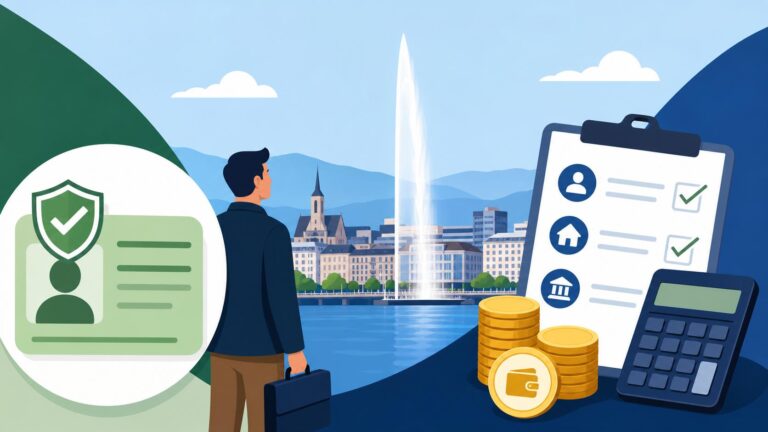
Geneva frontalier taxation rules outline source tax deductions, the 45-day non-return limit, remote work thresholds, and mandatory French tax declarations.

Swiss banking and tech sector compensation differ in variable payouts, equity structures, and local negotiation strategies.

Swiss employment law and contract terms determine your exact pro-rata 13th month salary entitlement when resigning mid-year.
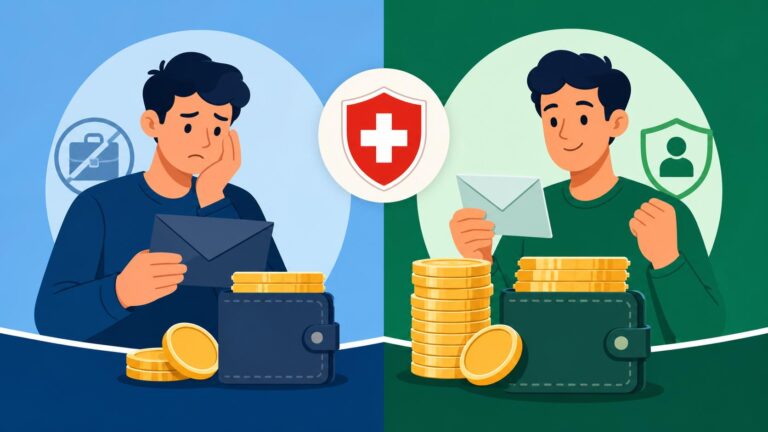
Swiss unemployment insurance payouts provide 70 or 80 percent of a previous salary based on dependent children, low earnings, or disability.