Cross-Border Shopping: Import Duty Limits for Meat, Alcohol, and Cheese
The first time I stood in a Swiss supermarket and realized a single pack of chicken breasts cost more than a three-course meal in my home country, I genuinely thought it was a pricing error. It wasn't until I saw my neighbors loading their trunks with cooler bags for a Saturday trip to Germany that I realized the "border run" is a fundamental part of the Swiss expat survival kit. This guide solves the confusion around what you can actually bring back without getting slapped with heavy fines at the border.
The Duty-Free Allowance: How the CHF 300 Rule Works in 2026
When you cross the border back into Switzerland, the first number you need to memorize is 300. This is the total value of goods you can bring in per person, per day, without paying Swiss Value Added Tax (VAT). However, this rule is often misunderstood by newcomers who think it applies only to groceries. In reality, it covers everything from that new Zara jacket to the electronics you picked up in a French mall.
If your total haul exceeds CHF 300, you are legally required to pay Swiss VAT on the entire amount, not just the portion over the limit. As of 2026, the standard Swiss VAT rate is 8.1%. For most groceries, a reduced rate of 2.6% applies, but the customs office generally calculates based on the higher rate if you have a mix of items and haven't itemized them clearly. It is worth noting that this value limit is separate from the specific "quantity" limits on things like meat and alcohol, which we will break down later.
A common mistake I see expats make is trying to "pool" the allowance for a single expensive item. If you and your partner are in the car and you buy a CHF 500 espresso machine, you cannot claim it is CHF 250 each to stay under the limit. The item is indivisible, so you will have to pay VAT on the full CHF 500. However, if you have CHF 500 worth of individual grocery bags, you can absolutely split those between the two of you to stay within your individual CHF 300 limits. Understanding these nuances is a key part of Budgeting in Zurich and Geneva: Managing Expat Expenses in High-Cost Cities.
Specific Quantitative Limits: Meat, Alcohol, and Dairy
While the CHF 300 limit covers the value of your shopping, Switzerland has very strict quantity limits on specific agricultural products. These are designed to protect Swiss farmers from cheaper foreign competition, and the fines for exceeding them can be astronomical. I once saw a commuter get fined hundreds of francs for being just a few kilograms over the limit on beef—it is not a mistake you want to make.
The 1kg Meat Rule
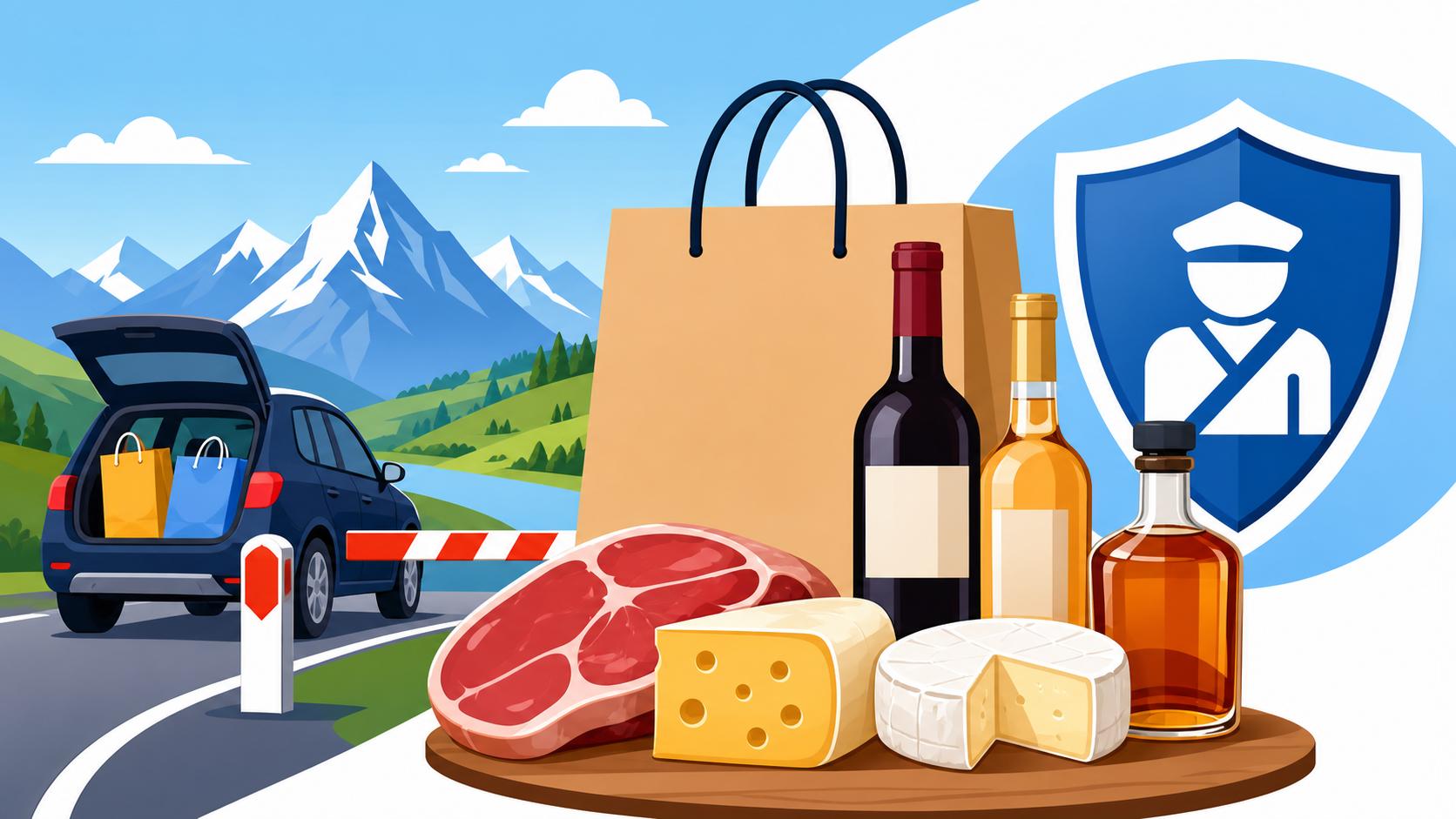
Meat is the most sensitive category. Each person is allowed to bring in a total of 1 kilogram of "meat and meat preparations" per day. This includes fresh meat, sausages, canned meat, and even some processed meat products. It does not matter if it is steak or ground pork; the weight is what counts. There is one small silver lining: fish and shellfish are not counted toward this 1kg limit, though they still count toward your CHF 300 total value limit. If you are struggling with the Cost of Living in Switzerland 2026: Budgeting for Singles and Families, knowing when to stock up on salmon versus beef can save you a fortune.
Alcohol and Tobacco Limits
The rules for alcohol depend on the strength of the drink and the age of the person. You must be at least 17 years old to claim an alcohol allowance. You can bring in:
- Up to 5 liters of beverages with an alcohol content of up to 18% (wine, beer, cider).
- Up to 1 liter of beverages with an alcohol content over 18% (spirits, whiskey, gin).
If you are planning a party and exceed these amounts, you will be charged a "per liter" duty that varies based on the alcohol content. For tobacco, the limit is 250 cigarettes or cigars, or 250 grams of loose tobacco.
Dairy, Eggs, and Oils
Unlike meat, the limits for dairy products are much more generous. You can bring in a total of 5 kilograms/liters of milk and dairy products (including cheese and yogurt) and 5 kilograms/liters of oils and fats. This is particularly helpful for expats who prefer specific brands of butter or cream from France or Italy that aren't easily found in Migros or Coop. If you are curious about the deeper reasons behind these restrictions, you might want to read about Why Groceries in Switzerland Are So Expensive: Tariff Protection Explained.
| Product Category | Duty-Free Quantity (Per Person) | Excess Fees (Approximate) |
|---|---|---|
| Fresh Meat / Sausages | 1 kg | CHF 17.00 per kg |
| Butter / Cream / Oils | 5 kg / 5 liters | CHF 2.00 to 16.00 per kg |
| Wine / Beer (up to 18%) | 5 liters | CHF 2.00 per liter |
| Spirits (over 18%) | 1 liter | CHF 15.00 per liter |
| Cigarettes | 250 units | CHF 0.25 per unit |
Practical Tips for a Stress-Free Customs Experience
The Swiss border is not always manned by a physical officer, especially at smaller crossings or late at night. However, this does not mean you are off the hook. Swiss customs frequently conduct "mobile" checks several kilometers inside the border. If they find you have exceeded the limits without declaring, the fines are doubled, and you may end up with a record in the customs database.
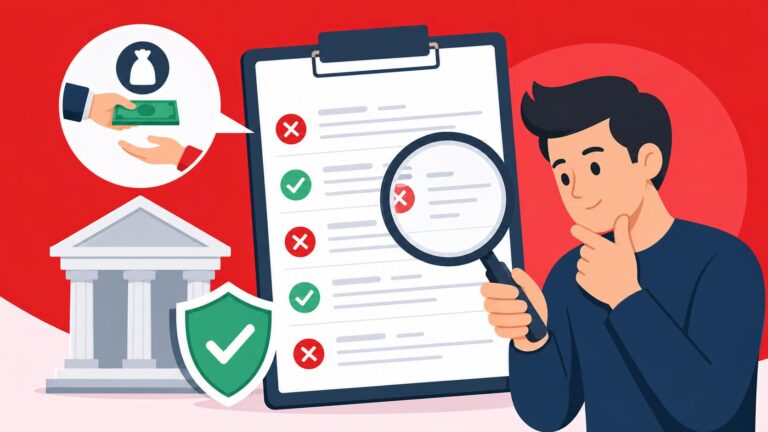
The easiest way to stay legal is using the QuickZoll app. This official federal app allows you to declare your goods and pay any necessary duties or VAT directly from your phone before you cross the border. You simply select the categories you are carrying, enter the value, and pay via credit card or apps like Apple Pay. This is much more convenient than trying to find a working terminal at an unstaffed border post. When I first moved here, I used to worry about the "red" and "green" lanes, but QuickZoll has made the process much more transparent for everyone, from tourists to those with a G Permit Germany: Withholding Tax Rules for Cross-Border Commuters in Basel.
If you prefer the manual route, you must use the "Red Lane" at manned border crossings. You present your receipts to the officer, and they will calculate the duty for you. Always keep your receipts organized. If you cannot prove the value of an item, the customs officer is allowed to estimate it based on Swiss market prices—which will always be higher than what you actually paid.
Financial Strategy: VAT Refunds and Currency Handling
The real "pro" move of cross-border shopping isn't just the lower prices; it is the double-dip savings you get from the VAT refund. When you shop in Germany, for example, you are paying German VAT (usually 19% or 7%). Since you are a Swiss resident, you are entitled to get that German VAT back because you are exporting the goods.
To do this, you must ask the cashier for an "Ausfuhrschein" (Export Certificate) at the time of purchase. You then take this paper to the German customs office before you cross into Switzerland to get it stamped. Once stamped, you can return the paper to the shop on your next visit to receive your cash refund. Some larger stores use services like Global Blue, which take a commission but allow you to get the refund at the airport or via an app.
When paying for your shopping, avoid using a standard Swiss bank card that charges high foreign transaction fees. I always recommend using a multi-currency account like Wise to pay in the local currency (EUR) at the mid-market rate. This saves you an additional 3-5% compared to the terrible exchange rates offered by point-of-sale terminals. If you are focused on Banking and Finance for Expats in Switzerland: The 2027 Guide, you likely already know that every franc saved on fees is a franc you can put into your savings. I often funnel the money I save from these trips into a high-interest account like Trade Republic to let my "grocery savings" earn an extra 3.5% to 4% interest.
For those who are more tech-savvy and manage a diverse portfolio including digital assets on Binance, remember that while you can't pay for your groceries in Bitcoin at a German Lidl just yet, keeping your financial life organized across borders is essential. This includes knowing How to Set Up and Use the TWINT Payment App as an Expat for your domestic Swiss spending while using specialized tools for your international shopping runs.
Important Restrictions Beyond Groceries
It is not just about meat and cheese. There are other items that can get you into trouble if you are not careful. For example, certain plants and vegetables from non-EU countries are strictly prohibited due to phytosanitary risks. If you are driving back from a weekend trip to a non-EU country, you cannot bring in any fruit, vegetables, or plants at all without a plant passport.
Furthermore, if you are Receiving Packages from Amazon DE/FR: Swiss Customs Fees and VAT, remember that the rules for mail-order goods are slightly different than those for goods you carry yourself. The CHF 300 limit only applies to "travelers." For packages, the limit is much lower, and you will often be charged a "handling fee" by the Swiss Post or DHL in addition to the VAT.
Finally, always be aware of "prohibited" goods. This includes certain types of weapons (even some pocket knives), counterfeit goods (that "designer" bag from a market in Italy), and specific medications. Swiss customs take counterfeit laws very seriously; if they find a fake Rolex in your bag, they won't just tax it—they will confiscate and destroy it, and you may face a legal claim from the brand owner.
Legal Disclaimer
The information provided in this guide is for informational purposes only and does not constitute legal or official financial advice. Customs regulations in Switzerland can change frequently, and specific cantonal rules may apply. Always consult the official website of the Federal Office for Customs and Border Security (BAZG) or use the QuickZoll app for the most current rates and limits before traveling. The author and publisher are not responsible for any fines or legal issues arising from the use of this information.