Translating Medical Records from English to German/French for Your Hausarzt
One of the biggest administrative headaches when moving to Switzerland is realizing your complex medical history is essentially "locked" behind a language barrier. I vividly remember sitting in a brightly lit consultation room in Lausanne, trying to explain a decade of thyroid history while my new doctor stared blankly at a stack of English-language lab results. This guide solves the dilemma of how to effectively translate your medical records into German or French to ensure your Swiss Hausarzt provides the best possible care from day one.
Why Your Swiss Hausarzt Needs Translated Records
In Switzerland, the relationship between a patient and their Hausarzt (family doctor) is built on extreme precision and mutual trust. While many Swiss doctors speak excellent English, there is a massive difference between "conversational medical English" and the technical, legal responsibility of interpreting foreign medical documents. When you first settle in, you might find yourself Finding an English-Speaking Family Doctor (Hausarzt) in Major Cantons, but even then, the formal medical dossier that follows you should ideally be in a national language.
The primary reason for this is liability. If a Swiss doctor misinterprets a nuance in an English surgical report and prescribes a treatment that leads to complications, they face significant professional risk. By providing a professional translation, you remove the burden of interpretation from the doctor and place it back onto the facts. Furthermore, if you ever need to apply for Supplementary Health Insurance (VVG): What It Covers and When to Buy It, the insurance providers will almost certainly demand that any history of pre-existing conditions be documented in German, French, or Italian.
Swiss medical culture also values efficiency. Your doctor usually has a 15-to-20-minute window for a standard check-up. If they have to spend ten of those minutes squinting at an English-language discharge summary from a hospital in Chicago or London, you are losing valuable diagnostic time. Having your records ready in the local language ensures that the focus remains on your current health status rather than a translation exercise.
Essential Documents to Translate vs. What to Leave Behind
The cost of professional medical translation in Switzerland is high, so you should never aim to translate every single page of your medical history. You need to be strategic. I’ve seen expats spend thousands of francs translating routine blood tests from five years ago that no Swiss doctor will ever look at. Instead, focus on the "high-impact" documents that define your clinical baseline.
First on your list should be any recent surgical reports. The specific techniques used by a surgeon abroad can dictate how a Swiss specialist approaches future procedures. Second, ensure that any "Long-term Care Plans" or "Chronic Condition Summaries" are translated. If you are managing a condition like diabetes or hypertension, your Hausarzt needs to see the exact titration of your medications over time. You might be sourcing specific vitamins or supplements via iHerb to supplement your Swiss prescriptions, but your doctor still needs the foundational clinical data in a language they can legally record in your Swiss file.
Thirdly, keep your immunization records in mind. While the International Certificate of Vaccination (the little yellow book) is standard, any specialized or regional vaccinations should be clearly noted. This is particularly important when Finding Medical Care in Switzerland: Doctors, Specialists, and Referrals because specialists will often ask for your baseline immunity before starting treatments like biologics or immunosuppressants.
| Document Type | Priority Level | Translation Requirement |
|---|---|---|
| Surgical Discharge Summaries | High | Professional/Certified |
| Chronic Disease Diagnoses | High | Professional/Certified |
| Recent Lab Results (Last 6 months) | Medium | DIY Summary or Doctor Review |
| Routine Check-up Notes (Years old) | Low | Not Recommended |
| Immunization Records | Medium | Usually standard, but clarify rare ones |
| Prescription History | High | Key for Pharmacies and Medication: Prescriptions, Costs, and OTC Regulations |
Professional Translation vs. DIY: The Legal and Practical Reality
When you start looking for translation services, you will encounter the term "Beglaubigte Übersetzung" (certified translation). For most clinical interactions with a Hausarzt, a highly accurate professional translation is sufficient, but for insurance applications or legal disputes, the certification is mandatory.
You might be tempted to use AI tools or Google Translate to save money. While these tools have improved, I strongly advise against using them for primary medical records. A mistranslation of "dosage" or a misunderstanding of a specific anatomical term can have life-altering consequences. In the Swiss system, where Understanding KVG/LAMal: Mandatory Basic Health Insurance Explained is the foundation of your coverage, having accurate records ensures that you aren't denied coverage for treatments based on a linguistic error.
If you have a global health plan, such as those offered by Cigna Global, check your policy. Some premium international plans actually include "Medical Record Translation" as a benefit for expats relocating to non-English speaking countries. If your employer has provided you with an international policy, this is a hidden perk that can save you hundreds of francs in translation fees. Even if you aren't using an international plan, Cigna Global is often a useful reference for how medical documentation is handled across borders.
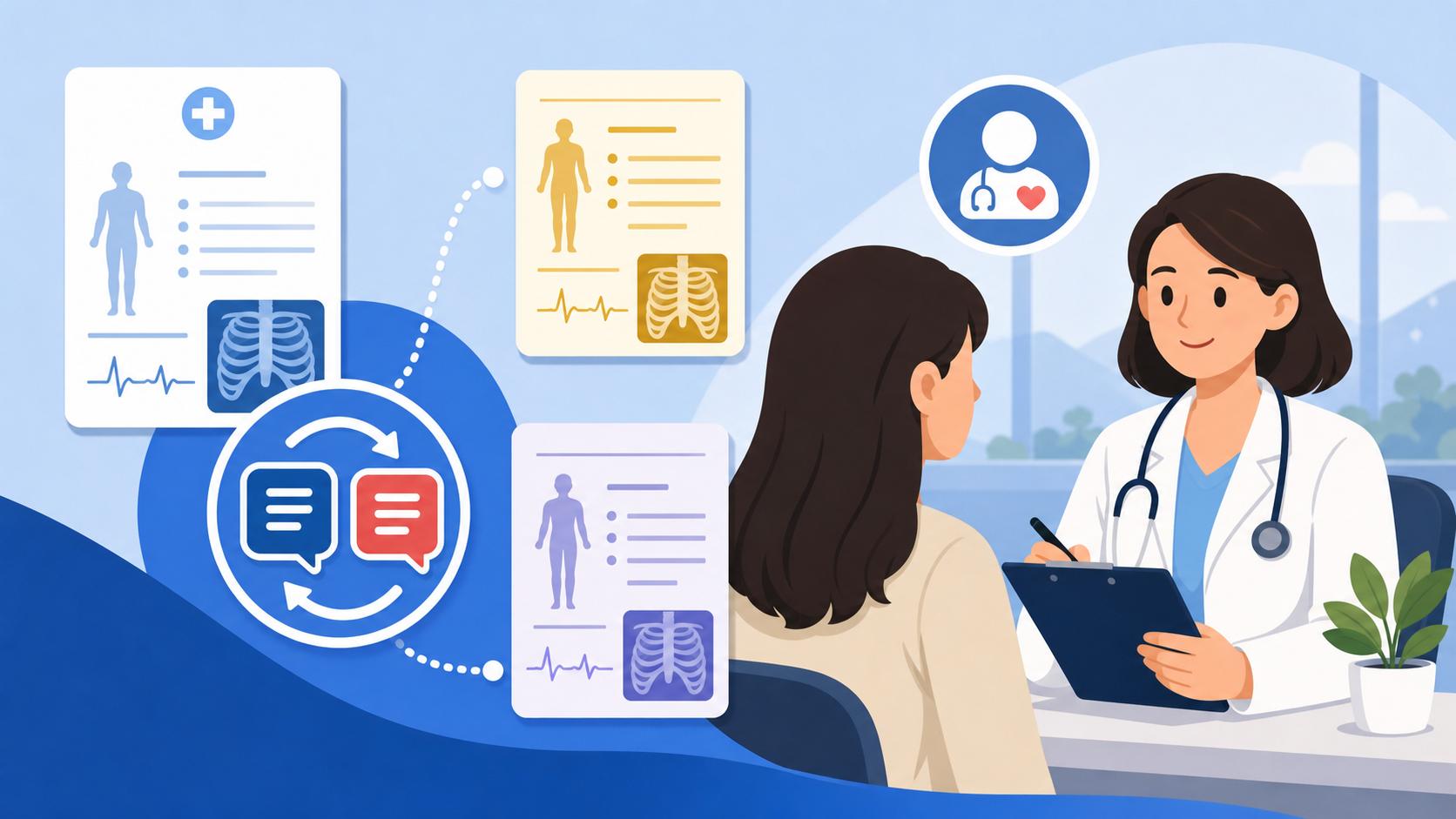
For those on a budget, a "Hybrid Approach" works best. You can create a self-translated "Summary Sheet" that lists your medications, major past surgeries, and known allergies in German or French. You then attach the original English documents behind it. This allows the doctor to quickly scan the summary but refer to the "source of truth" if they need to double-check a specific medical term.
Step-by-Step Guide to Preparing Your Medical Dossier
Preparing your medical dossier for a Swiss doctor requires a level of organization that matches the Swiss "Ordentlichkeit" (orderliness). Do not just show up with a folder of loose papers. I learned the hard way that a disorganized patient is often seen as a difficult patient in the eyes of a busy Swiss clinic.
Start by digitizing everything. Scan your records and organize them into folders by "Condition" or "Year." Once you have a digital trail, select the top 5-10 pages that truly define your health. If you are managing chronic pain or specific women's health issues, you should look into Women’s Health: Gynecologists, Screenings, and Contraception Access to see how specific records might be needed for specialists later.
Once you have your core documents, follow these steps:
- Identify the Target Language: Depending on your canton, this will be German, French, or Italian. Do not assume that a doctor in Zurich wants a French translation just because it is a national language.
- Find a Specialist Translator: Search for translators who are members of the ASTTI (Swiss Association of Translators, Terminologists and Interpreters). They often have specialized medical sub-groups.
- Create a Medication Cheat Sheet: List your current medications, the active ingredient (generic name), and the dosage. This is vital because brand names differ wildly between the US/UK and Switzerland. You may find that your favorite brands from iHerb are not available in local pharmacies, so knowing the generic name helps your Hausarzt find a Swiss equivalent.
- Prepare the "First Appointment" Summary: Write a one-page cover letter in the target language. Include your Health & Medical history in bullet points, your current symptoms, and your goals for the consultation.
If you are a parent, this process is even more critical for Maternity and Child Healthcare in Switzerland: From Pregnancy to Pediatrics. Pediatricians in Switzerland follow a very specific "Gesundheitsheft" (health booklet) system. Bringing a translated summary of your child's milestones and growth charts will make the transition into the Swiss school health system much smoother.
The Role of Insurance and Reimbursement in Translation
A common question I hear is whether the cost of translating medical records is covered by basic health insurance. The short answer is no. Under The Swiss Franchise System: How Deductibles and Copays Work, translation is considered a personal administrative cost, not a medical necessity. It will not count toward your deductible (Franchise).
However, if a Swiss specialist specifically orders a translation of a foreign biopsy or a complex scan report to proceed with a life-saving treatment, there are rare cases where the hospital might handle the translation as part of the clinical pathway. But for the vast majority of expats, this is an out-of-pocket expense. This is why it pays to be selective.
When you are Changing Your Swiss Health Insurance Provider: Deadlines and Notice Periods, having your translated records in order makes the "health declaration" part of any new supplementary insurance application much less stressful. If you can provide a clear, German-language summary of a resolved issue from three years ago, the insurance company is less likely to place a "Zusatz" (exclusion) on your new policy.
Finally, keep a copy of your translated records in a cloud-based service. If you are ever in an emergency situation and need Emergency Medical Services: Ambulances, REGA, and Crisis Protocols, having a French or German medical summary on your phone that you can show a paramedic can save vital seconds. It’s also helpful to keep track of any supplements you regularly order from iHerb on this list, as doctors need to check for potential drug interactions with Swiss-prescribed medicine.
Strategic Advice for Your First Consultation
When you finally walk into that first appointment with your Hausarzt, hand over your translated summary first. Let the doctor know that you have the original English records available if they need to see the raw data. This shows that you respect their time and the local system.
If you find that the doctor’s English is better than expected, don’t regret the translation. The translation isn't just for that one conversation; it is for your permanent Swiss medical record, which may be shared with specialists, hospitals, or insurance companies for decades to come. If you are covered by Cigna Global, they may also require these local-language records if you ever need to file a claim for a high-value treatment performed within Switzerland.
Lastly, don't be afraid to ask your doctor to help you "Swiss-ify" your history. During that first visit, ask them to summarize your past conditions in their system's "Patientenjournal." Once it is entered into the Swiss system in the local language, you likely won't need those old English records ever again. You have successfully bridged the gap and can now navigate the high-quality Swiss healthcare landscape with confidence.
Disclaimer
The information provided in this guide is for informational purposes only and does not constitute legal or professional medical advice. Always consult with a certified medical professional in Switzerland regarding your health and the specific documentation requirements of your healthcare provider or insurance company. External links are provided for convenience and do not imply endorsement of all content on third-party sites.