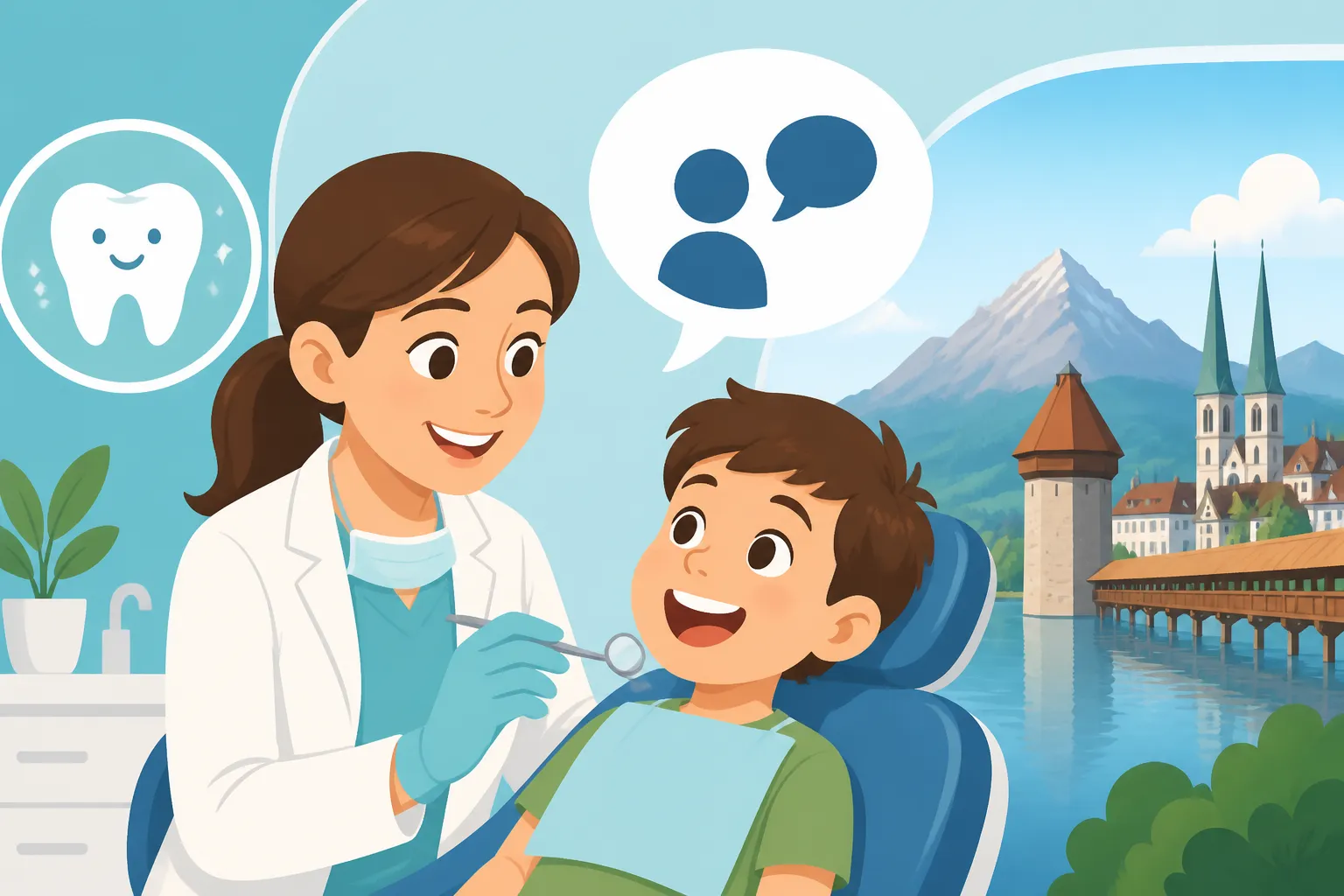
Finding an English-Speaking Pediatric Dentist in Lucerne
Oh, the sheer terror of your child suddenly complaining of a toothache, or worse, taking a tumble and chipping a tooth when you’re living in a foreign country! I've been there, frantically trying to navigate a new healthcare system, often with a language barrier, all while trying to soothe a distressed little one. Finding an English-speaking pediatric dentist in a specific city like Lucerne can feel like a daunting task, but trust me, it’s entirely doable, and this guide is here to walk you through every step.
The Unique Challenge of Pediatric Dental Care in Switzerland (Especially in Lucerne)
Moving to a new country like Switzerland brings a whirlwind of administrative tasks and cultural adjustments. When it comes to healthcare, especially for your children, it's a whole new ballgame. Dental care for kids here has its own set of nuances, and Lucerne, while an international city, still operates primarily in Swiss German.
Why Finding a Pediatric Dentist is Different from a General Dentist
You might think a dentist is a dentist, right? Not quite, especially when it comes to little ones. Pediatric dentistry is a specialized field, much like pediatrics in general medicine. A true Kinderzahnarzt (pediatric dentist) has undergone additional training specifically focused on the oral health of infants, children, and adolescents. This isn't just about smaller tools; it's about understanding child psychology, managing anxiety, and creating a welcoming, non-intimidating environment. They know how to speak to kids, how to make a visit feel less like a scary medical procedure and more like an adventure. They often have colorful offices, toys, and techniques to distract and comfort. Trying to take a nervous child to a general dentist who primarily deals with adults can be a recipe for tears and future dental phobias.
The Language Barrier for Kids: Why English Matters So Much
For us expats, getting by in a foreign language is part of the daily grind. But for a child, especially when they're scared or in pain, having a dentist who can communicate directly and clearly in their native language—English, in this case—is absolutely paramount. Imagine your child trying to explain what hurts or understanding instructions about a procedure through a translation app or even via you, the parent, translating on the fly. It's stressful, confusing, and can breed distrust. An English-speaking pediatric dentist can build rapport directly with your child, explain things in simple terms, and use comforting phrases that resonate. This direct connection makes a world of difference in reducing anxiety and ensuring they cooperate, which ultimately leads to better, less traumatic care. It's about more than just words; it's about comfort, trust, and understanding when your child is at their most vulnerable.
Lucerne's Dental Landscape: What to Expect
Lucerne is a beautiful city, bustling with tourists and a growing expat community. However, like many cities in Switzerland outside of the absolute largest hubs like Zurich or Geneva, the local language, Swiss German, is prevalent in day-to-day services, including healthcare. While many professionals speak excellent English, it's not always a given for every practice, especially when you're looking for a highly specialized field like pediatric dentistry. You'll find general dentists on nearly every corner, but dedicated Kinderzahnärzte are fewer and farther between, and English-speaking ones even more so. You might need to cast a slightly wider net or be prepared to make a few phone calls to find the perfect fit. Don't be discouraged if your first few inquiries don't pan out; persistence is key in the Swiss system.
Your Step-by-Step Guide to Finding an English-Speaking Pediatric Dentist in Lucerne
Finding the right dental care for your children doesn't have to be a shot in the dark. Here’s a practical, step-by-step approach that I’ve found works wonders for navigating the Swiss system.
Start with Recommendations: Your Fellow Expat Network
Seriously, your fellow expats are your golden ticket. They've likely been through this exact process and have first-hand experience, recommendations, and warnings.
- Online Forums and Social Media Groups: Join local expat Facebook groups such as "Expats in Lucerne" or "Mums & Dads in Lucerne." Post your query clearly: "Looking for recommendations for an English-speaking pediatric dentist in Lucerne or nearby areas. Any personal experiences?" You'll often get a flood of helpful suggestions, including specific names of dentists, clinics, and even tips on how to book.
- School Communities: If your child is enrolled in an international school or even a local school with an expat presence, tap into that network. Parents at these schools are a fantastic resource for everything from playdates to medical advice.
- Personal Connections: Word-of-mouth recommendations from friends or colleagues are always valuable. They can tell you about the dentist's demeanor, the clinic's environment, and if their own kids felt comfortable.
Online Directories and Search Tools: Drilling Down
Once you have some names, or if you're starting from scratch, online search is your next best friend. But you need to use the right terms.
- Specific Search Terms: Don't just type "dentist Lucerne." Use phrases like "Kinderzahnarzt Luzern Englisch," "pediatric dentist Lucerne English speaking," or "children's dentist Lucerne expat."
- Professional Association Websites: Sometimes dental associations have directories where you can filter by specialty and language. In Switzerland, try searching the Swiss Dental Association (SSO) website, though specific language filters might be limited.
- General Practitioner Referrals: If you already have an English-speaking family doctor in Lucerne, they might have a network of trusted specialists they can refer you to. For example, if you've been to Finding an English-Speaking Family Doctor (Hausarzt) in Major Cantons, they often have great local knowledge.
Here’s a quick overview of some strategies:
| Search Strategy | Pros | Cons | Key Terms to Use |
|---|---|---|---|
| Expat Networks | Personal, trusted recommendations; real-life experiences | Can be slower; relies on others' experiences matching yours | "English speaking pediatric dentist Lucerne" |
| Online Directories | Wide range of options; search filters for location and specialty | Language filter not always accurate; less personal insight | "Kinderzahnarzt Luzern Englisch" |
| GP Referrals | Vetted professionals; continuity of care | Limited to GP's network; might not always be English-speaking | (Ask your GP directly for recommendations) |
| Direct Clinic Websites | Detailed information on services, philosophy, team profiles | Can be time-consuming to browse many; language often in German/French | "Kinderzahnmedizin Luzern" (then look for "Team" or "Sprachen") |
Direct Contact and Initial Screening Questions
Once you have a list, it’s time to pick up the phone. Don't be shy about asking questions!
- Language Proficiency: Directly ask, "Do you have a dentist or hygienist who is fluent in English and regularly treats expat children?" They might have one or two specific staff members who are designated for English-speaking patients.
- Experience with Expat Children: Inquire about their experience with children from diverse cultural backgrounds. This shows they understand the unique needs and potential anxieties of children who might not be accustomed to the Swiss dental system.
- Child-Friendly Approach: Ask about their approach to anxious children. Do they use distraction techniques? Do they have a calm room? What’s their philosophy on making dental visits positive?
- Emergency Procedures: Understand their emergency protocol. What happens if your child has a dental emergency outside of regular hours? This is crucial for peace of mind. SafetyWing, for instance, offers travel medical insurance that can be a lifesaver for unexpected dental emergencies for new arrivals before they are fully integrated into the local health system.
- Billing and Insurance: Clarify their billing system. Do they send bills directly to you (Tiers Garant) or to the insurance (Tiers Payant, less common for dental)? This leads us nicely to How to Pay Medical Bills: Tiers Garant vs. Tiers Payant Billing Systems.
What to Expect During Your Child's First Visit and Beyond
So, you've found a promising clinic! Now it’s time to prepare for the actual visit, which can be a source of anxiety for children and parents alike.
Preparing Your Child (and Yourself) for the Appointment
A positive first impression can set the tone for all future dental visits.
- Keep it Positive and Playful: Avoid using words like "pain," "hurt," or "drill." Instead, talk about "checking for healthy smiles," "counting teeth," or "cleaning sparkly pearls." You might say, "We're going to visit Dr. [Dentist's Name] to make sure your teeth are super strong, like a superhero's!"
- Read Books or Watch Videos: There are many child-friendly books and cartoons about going to the dentist. This can demystify the experience and show them what to expect in a fun way.
- Role-Play: Play "dentist" at home. Let your child lie down, open their mouth, and pretend to count their teeth with a toothbrush. You can even swap roles.
- Your Own Demeanor: Children pick up on parental anxiety. Try to remain calm and positive. Your confidence will reassure them more than anything.
Understanding Swiss Pediatric Dental Practices and Costs
Swiss dental practices, even for children, are generally high quality and focus heavily on preventive care.
- Check-ups and Prevention: Expect a thorough examination, often with X-rays if deemed necessary (with appropriate child-safe protocols). The emphasis will be on teaching proper brushing and flossing techniques, discussing diet, and potentially applying fluoride treatments or sealants.
- Cost Transparency: Swiss dentists are usually very upfront about costs. Don't hesitate to ask for an estimated breakdown for any recommended treatments. Remember, for a general understanding of the system, you might want to read Dental Care in Switzerland: Costs, Insurance Reality, and Alternative Options.
- No "Surprise" Work: Generally, dentists won't proceed with major work without discussing it with you first and getting your consent, often providing a treatment plan and cost estimate.
Handling Emergencies: Knowing Your Options
Dental emergencies, especially with children, are terrifying. Knowing what to do beforehand is a huge stress reducer.
- Immediate Contact: If your child has a sudden tooth injury, severe pain, or swelling, contact your pediatric dentist immediately. Many clinics will have an emergency number or specific instructions for out-of-hours care on their answering machine or website.
- Emergency Dental Services: Lucerne, like other major cantons, typically has a cantonal dental emergency service (Zahnärztlicher Notfalldienst) available on weekends and public holidays. You can usually find the current emergency number through a quick search on the Canton Lucerne website or by calling a general hospital and asking for the dental emergency service.
- Temporary Solutions: For knocked-out teeth, always try to preserve the tooth in milk or saliva and get to the dentist within an hour. For pain, child-appropriate painkillers like paracetamol or ibuprofen can offer temporary relief.
- Travel Insurance for Emergencies: If you're a new arrival or a tourist, having comprehensive travel insurance, such as SafetyWing, can provide coverage for unexpected dental emergencies, which can save you a significant amount of money and hassle while you're still getting set up with local insurance. It’s always smart to understand what your policy covers for these situations.
Navigating Dental Insurance and Costs for Your Children
This is where many expats get a surprise. Unlike basic medical care, routine dental work for children is generally not covered by mandatory basic health insurance (KVG/LAMal).
The Reality of Dental Coverage in Switzerland
Let me be absolutely clear: basic Swiss health insurance does NOT cover routine dental care, check-ups, cleanings, or fillings for anyone, including children. This is a common point of confusion for new arrivals. The only exceptions are severe illnesses of the chewing system or unavoidable dental treatment due to a serious general illness or accident. Accidents, if they occur, are typically covered by your mandatory accident insurance (UVG), which is usually handled through your employer or, for children, often integrated into your basic health insurance or a separate accident policy.
For everything else – cavities, orthodontics, regular check-ups – you will either pay out of pocket or need supplementary dental insurance (Zahnzusatzversicherung). These supplementary plans vary wildly in what they cover, their waiting periods, and the percentage they reimburse. You might find it helpful to look into Supplementary Health Insurance (VVG): What It Covers and When to Buy It for more detail on these plans, as they are crucial for budgeting for dental care.
Weighing the Costs: Private vs. Public Dental Clinics
In Lucerne, you'll generally encounter private dental clinics. Switzerland doesn't really have a widespread "public dental clinic" system in the same way some other countries do for children. However, university dental clinics (like those in Zurich or Basel) can sometimes offer slightly lower rates, especially for more complex procedures, as they are teaching institutions. These would, however, involve travel from Lucerne.
- Cost Per Point: Swiss dental fees are regulated by a "point system" (Taxpunktwert). Each treatment is assigned a certain number of points, and the dentist sets their Taxpunktwert (point value), usually between CHF 1.00 and CHF 1.70. This value can vary between dentists and cantons. Don't be afraid to ask a clinic for their Taxpunktwert or a preliminary quote for common procedures.
- Preventive Focus: Since you’re paying out of pocket (or with supplementary insurance), emphasize prevention. Regular check-ups and cleanings, fluoride treatments, and good home care are investments that can save you a lot of money on more extensive treatments down the line.
Cross-Border Options (Briefly)
Some expats, especially those in border cantons, consider cross-border dental tourism to countries like Germany, France, or even Hungary for more extensive and expensive dental work, such as orthodontics. However, for routine pediatric care, especially with a young child, the convenience and continuity of care with a local English-speaking dentist in Lucerne usually outweigh the potential savings from traveling. Plus, if there’s an emergency, you want your regular dentist nearby. If you are curious about the cost comparisons, our guide on Dental Costs in Switzerland vs. Border Countries: A Price Comparison delves into this topic in more detail. For tourists or new arrivals, SafetyWing's flexible travel medical insurance might cover acute unexpected dental pain, but for planned cross-border treatment, local supplementary dental insurance is usually the way to go.
Remember, finding the right pediatric dentist for your child in Lucerne might take a little effort, but the peace of mind knowing your child is in capable, comforting, and communicative hands is absolutely priceless.
Disclaimer
Please note that while this guide provides comprehensive information, regulations and healthcare providers can change. It is always recommended to verify specific details, insurance coverage, and professional qualifications directly with the relevant authorities and healthcare providers. This content is for informational purposes only and does not constitute medical or legal advice.