The Ci Permit: Working Rights for Family of Intergovernmental Organization Staff
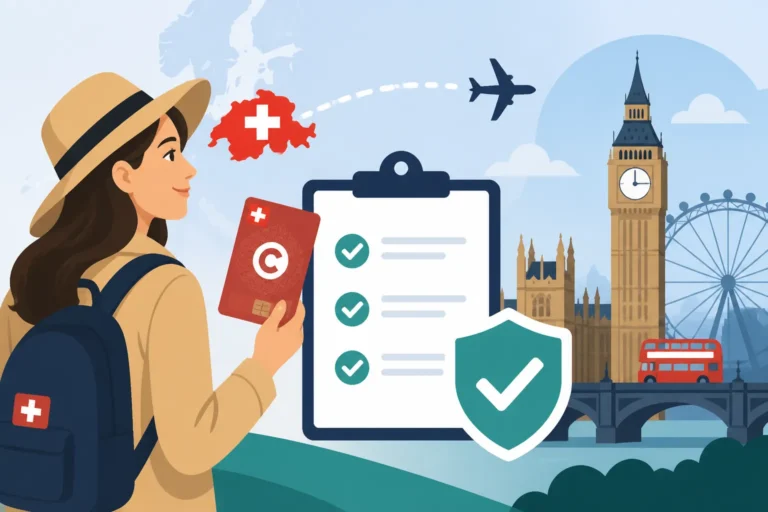
Relocating to Geneva because your spouse secured a prestigious role at an international organization sounds like an Alpine dream, but the reality of being a "trailing spouse" often hits hard when you realize your career might be sidelined. I remember the isolation of holding a legitimation card while my professional skills gathered dust, feeling like a guest rather than a resident. This guide explains how the Ci permit restores your professional independence and unlocks the Swiss labor market.
Understanding the Ci Permit and Who Qualifies
The Ci permit is a specialized residence and work authorization designed specifically for the family members of staff working for intergovernmental organizations or foreign representations. Unlike the standard permits most expats encounter, the Ci permit is governed by bilateral agreements and the Federal Act on Host State Procedures. It is essentially the "golden key" for spouses and children who want to integrate into the local economy without the typical bureaucratic hurdles associated with non-EU nationals.
The Transition from Legitimation Card to Ci Permit
When you first arrive in Switzerland as a family member of an international civil servant, the Federal Department of Foreign Affairs (FDFA) issues you a "Carte de Légitimation" (legitimation card). This card serves as your residency permit and confers certain diplomatic or consular privileges, but it does not, by itself, grant you the right to work in the Swiss private sector. The Ci permit is the mechanism that bridges this gap. You do not apply for a Ci permit the moment you land; instead, it is a dormant right that is activated only once you have a concrete job offer or decide to start a business.
The transition process is unique. Unlike a Residence Permits in Switzerland: L, B, C, and G Permits Explained, where the permit defines your status from day one, the Ci permit replaces your legitimation card only for the duration of your professional activity. Once you stop working, you surrender the Ci permit and revert to your original legitimation card status. This "toggle" system ensures that you maintain your host state privileges while fulfilling your professional ambitions.
Eligible Family Members: Spouses and Children
Eligibility for the Ci permit is strictly defined by your relationship to the primary "principal" holder of the legitimation card. Generally, this includes legal spouses and children up to the age of 25. For children, there is an additional requirement: they must have entered Switzerland before the age of 21 and must be living in the same household as the principal cardholder. This age limit is a frequent source of stress for expat families, as children approaching 25 must often transition to a different permit type or face leaving the country.
It is worth noting that "concubinage" (unmarried partners) is increasingly recognized in Swiss administrative law, but the rights for Ci permits in these cases are more restrictive. If you are in an unmarried partnership, the documentation required to prove a long-term, stable relationship is significantly more rigorous. You may need to provide certified translations of partnership agreements or joint financial records, a service where RushTranslate can be particularly helpful in ensuring your documents meet the exacting standards of the Cantonal Population Offices.
Geographic Scope: Geneva, Vaud, and Beyond
While international organizations are most famously clustered in Geneva, the Ci permit is valid across Switzerland, though the administration happens at the cantonal level. Most applicants will deal with the Office Cantonal de la Population et des Migrations (OCPM) in Geneva or the Service de la Population (SPOP) in Vaud. If your spouse works for the Universal Postal Union in Bern or the Bank for International Settlements in Basel, the local cantonal rules will still apply, though the federal framework remains the same.
Living in the "Arc Lémanique" (the region spanning Geneva and Lausanne) offers the most robust job market for Ci holders. Many local employers are intimately familiar with the Ci permit and value the fact that they do not have to prove "Swiss preference" when hiring you. This geographic concentration also means there is a wealth of English-speaking networking groups and career coaches who specialize in helping the "international family" demographic navigate the local landscape.
The Application Process: Step-by-Step for Spouses
The most important thing to realize about the Ci permit is that the burden of the application falls on you and your prospective employer, not the international organization where your spouse works. Many expats wait for the UN or WHO HR department to "fix" their work rights, only to realize months later that the organization has very little to do with the cantonal work permit process.
Securing a Job Offer: The Catalyst for the Ci
In the Swiss system, the job offer always comes before the permit. You cannot walk into the population office and ask for a Ci permit just because you want to look for work. You must first find an employer willing to hire you. Once you have a signed "promesse d'embauche" (letter of intent to hire) or a formal employment contract, the process begins. This is why Working in Switzerland as an Expat: Jobs, Culture, and Employment Laws is such a critical topic for family members; you need to compete in the open market first.
When applying for jobs, it is wise to mention your eligibility for a Ci permit early in the process. Many HR managers in smaller Swiss companies might see a non-EU passport and automatically think "quota issues" or "expensive legal fees." By clarifying that you are entitled to a Ci permit, you are telling them that the administrative process is a mere formality and that they don't have to prove they couldn't find a Swiss person for the role. Make sure your application materials are perfect; following a guide on Writing a Swiss CV: Formats, Photos, and Professional Norms is essential to getting that first interview.
Required Documentation and the Role of the Mission
Once you have your contract, you must submit an application to the cantonal authorities. This usually includes a specific form (Formulaire E for Geneva), a copy of your current legitimation card, your employment contract, and a passport-sized photo. Crucially, you must also inform the Permanent Mission of your home country (or the international organization’s protocol office), as they need to notify the FDFA that your status is changing.
The authorities will also check your background. If you have any outstanding debts or legal issues, it can complicate the process. This is why keeping a clean "Betreibungsauszug" (debt register extract) is vital. If you are bringing over diplomas or professional certifications from outside Switzerland, you will almost certainly need them translated and notarized. Using a professional service like RushTranslate ensures that the cantonal officials don't reject your file due to formatting errors or linguistic nuances that a standard translator might miss.
Timeline and Waiting Periods
In Geneva and Vaud, the processing time for a Ci permit can range from three to eight weeks. During this period, you are technically allowed to start working if the cantonal authorities grant a "provisional" authorization, but many employers prefer to wait until the physical card arrives. This waiting period is a good time to handle other administrative tasks, such as Opening a Swiss Bank Account: UBS, ZKB, PostFinance, and Neobanks, as your new status as a "salaried resident" will change how banks view your profile.
Do not be alarmed if you are called in for a biometrics appointment even if you already gave your fingerprints for your legitimation card. The Ci permit is a separate system, and the Swiss love their fresh data. Once approved, you will receive a plastic credit-card-sized permit in the mail. Keep your original legitimation card safe; you are still technically "attached" to it, even though the Ci permit is now your primary ID for work purposes.
Working Rights and Labor Market Access
The greatest advantage of the Ci permit is the freedom it provides. Unlike many other permits that tie you to a specific employer or a specific role, the Ci permit grants you "access to the labor market" in a very broad sense. This is a level of flexibility that even many The Swiss B Permit: Eligibility, Renewal, and Restrictions holders envy during their first few years in the country.
Exemption from the Quota System
For non-EU/EFTA nationals, getting a work permit in Switzerland is normally like winning the lottery—there are strict annual quotas and a "Swiss/EU first" policy. The Ci permit bypasses all of this. Because of the international treaties Switzerland has signed with organizations like the UN or CERN, family members are exempt from these restrictions. You are effectively treated as a local in the eyes of the labor market.
This exemption is your strongest selling point. If a company wants to hire you, they don't have to spend months advertising the role to prove no Swiss person could do it. They simply send your contract to the OCPM, and the permit is issued. This makes you an "easy hire," which is a massive competitive advantage in a high-stakes market like Geneva's finance or biotech sectors.
Changing Employers: Do You Need a New Permit?
One of the most common questions I get is: "What happens if I hate my job and want to quit?" With a Ci permit, you have the right to change employers, but you must notify the cantonal authorities. The permit itself is linked to the fact that you are working, so if you leave one job, your Ci permit technically becomes invalid after a short grace period unless you find another role immediately.
If you move from one company to another, the administrative process is much faster than the initial application. You essentially "update" your file with the new contract. However, if you experience a gap in employment, you must revert to your legitimation card. This "use it or lose it" nature of the permit means you should always have your next move lined up before handing in your resignation.
Self-Employment on a Ci Permit
Yes, you can be your own boss! The Ci permit allows for self-employment, which is a fantastic option for consultants, writers, or artists who moved to Switzerland with their partners. To activate a Ci permit for self-employment, you must submit a detailed business plan, a projected budget, and proof that you have the necessary capital to start (usually around CHF 20,000 to CHF 50,000 depending on the canton's assessment of your business type).
The authorities want to see that your business is "viable" and not just a hobby. They will look at whether you can generate enough income to cover your own social security contributions and taxes. Once approved, you are responsible for registering with the compensation office (AHV/AVS) as an "indépendant." This path offers immense freedom but requires a high level of administrative discipline to manage the Swiss tax and social security requirements.
Taxation and Social Security for Ci Holders
This is where things get a bit "un-diplomatic." While your spouse may enjoy tax-exempt status as an international civil servant, as a Ci permit holder, you are fully subject to the Swiss tax and social security system. This "split-household" status can lead to some complicated kitchen-table conversations when you realize how much of your paycheck is deducted.
Understanding Swiss Income Tax (Quellensteuer)
Most Ci permit holders are taxed at source (Quellensteuer). This means your employer deducts your income tax directly from your monthly salary and pays it to the canton on your behalf. The rate is determined by your income level, your residence, and your family situation. Because your spouse is often tax-exempt, the tax authorities have a specific "scale" for Ci holders to ensure you aren't unfairly penalized or given an undue advantage.
It is important to understand how Salary and Compensation: Navigating Swiss Pay, Bonuses, and Deductions works in this context. You will still receive a "Lohnausweis" (salary certificate) every year, and if you earn over a certain threshold (usually CHF 120,000), you may be required to file a regular tax return. Even if you don't hit that threshold, you might want to file a "Tarifkorrektur" to claim deductions for things like professional expenses or Pillar 3a contributions.
AHV and Social Security Contributions
By working on a Ci permit, you are contributing to the Swiss social security system, known as the "first pillar" (AHV/AVS). This is a good thing! It means you are building up a pension entitlement and are covered by Swiss disability and unemployment insurance. If you ever lose your job, having paid into the system for at least 12 months in the last two years qualifies you for RAV and Unemployment Benefits: How to Register and What You Get, provided you meet the residency requirements.
Your employer will also enroll you in a "second pillar" (LPP/BVG) pension fund if you earn more than the entry threshold (currently around CHF 22,050 per year). These contributions are split between you and your employer. If you eventually leave Switzerland, you can often withdraw these funds or transfer them to a vested benefits account, making it a form of forced savings for your future.
Health Insurance Requirements: KVG vs. Private
This is a critical point of divergence. Most international organization staff are covered by internal health schemes (like UNSMIS for the UN). However, once you start working on a Ci permit, the Swiss authorities may require you to join the mandatory Swiss health insurance system (KVG/LAMal). This can be a shock to the system, as Swiss premiums are notoriously high.
You must research Understanding KVG/LAMal: Mandatory Basic Health Insurance Explained to ensure you are compliant. Some cantons allow Ci holders to remain on their spouse's international insurance if they can prove it is "equivalent" to Swiss coverage, but this exemption is becoming harder to get. For many expats, a hybrid approach works best—maintaining the mandatory KVG for local primary care and using a provider like Cigna Global for international supplemental coverage that follows you if you are relocated again.
| Feature | Legitimation Card Status | Ci Permit Status |
|---|---|---|
| Taxation | Exempt (usually) | Fully Taxable in Switzerland |
| Work Rights | None (without activation) | Full Access to Labor Market |
| Social Security | Often International Scheme | Swiss AHV/IV/ALV/AC |
| Health Insurance | International/Private | Mandatory Swiss KVG (usually) |
| Quotas | Not Applicable | Exempt from TCN Quotas |
Life After the Ci Permit: What Happens Next?
The Ci permit is not a permanent solution; it is a "working" solution. Understanding its limitations is just as important as knowing its benefits, especially when it comes to the long-term future of your family in Switzerland.
Turning 25: Rules for Dependent Children
For the children of international staff, the age of 25 is a major milestone. Under the Ci permit rules, once a child turns 25, they lose the right to hold a Ci permit or a legitimation card as a dependent. If they want to remain in Switzerland, they must qualify for a permit in their own right. This usually means finding an employer willing to sponsor a The Swiss B Permit: Eligibility, Renewal, and Restrictions or a work permit for a non-EU national, which is significantly more difficult because the "quota exemption" of the Ci permit no longer applies.
Many families are caught off guard by this. If your child is 23 or 24, they should be aggressively looking for a role that will transition them into a standard permit or considering further education that grants a student visa. Planning ahead is the only way to avoid a sudden forced departure from the country they might have called home for a decade.
Leaving the International Organization
If the primary cardholder (your spouse) leaves their job at the international organization, your Ci permit also becomes invalid. There is usually a short "delai de courtoisie" (grace period) of a few months to wrap up your affairs, but your right to work in Switzerland is legally tied to your spouse’s status. This can be a precarious position if you have built a career and want to stay even if your spouse is transferred or retires.
In such cases, you would need to apply for a standard work permit. The good news is that if you have been working in Switzerland for several years on a Ci permit, you have "local" experience and a network, which makes a potential employer more likely to go through the effort of sponsoring a regular B permit for you. You should also look into Finding Medical Care in Switzerland: Doctors, Specialists, and Referrals to ensure your healthcare transition is seamless if you lose the international organization’s coverage.
Transitioning to a Standard B or C Permit
A common myth is that years spent on a Ci permit count toward the time required for a The Swiss C Permit (Permanent Residency): Fast-Track and Standard Routes. Unfortunately, the FDFA and cantonal authorities generally view time on a legitimation card or Ci permit as "temporary residency," which does not contribute to the 5 or 10-year clock for permanent residency.
However, there is a silver lining. If you decide to leave the "international bubble" and move to a standard B permit (for example, if you get a high-level job at a Swiss firm that is willing to sponsor you independently of your spouse), your previous years in the country are often taken into account for integration purposes. You will still need to meet the language requirements, which usually involve passing a test like the "fide" or Goethe certificate.
Practical Tips for a Successful Integration
Holding the permit is just the beginning. To truly succeed in the Swiss workplace, you need to navigate the cultural nuances that aren't written in any government manual.
Language Skills and Networking in Geneva
While Geneva is very international, the working language in most local companies is French. Even if you are in a tech or finance role where English is common, the "water cooler" talk and administrative emails will be in French. Investing in language classes is the single most important thing you can do for your career. Being a "Ci holder who speaks French" puts you in the top 10% of the candidate pool.
Networking is also different here. It’s less about LinkedIn and more about "le réseautage"—real-world connections. Join local "Vereine" (clubs) or professional associations. Geneva has several groups specifically for the spouses of international staff. These groups are goldmines for "hidden" job openings that never make it to the major boards. They also provide emotional support during the "permit waiting" phases that every expat goes through.
Navigating the Local Administrative Requirements
Living in Switzerland is an exercise in paperwork. From the "Serafe" media tax to the strict recycling rules, the administrative burden can feel overwhelming. As a Ci holder, you are in a unique position where you are "local" for taxes and work but "international" for your residency. This can sometimes confuse local officials at the commune level.
Always keep a folder with certified copies of your marriage certificate, your spouse's contract, and your own employment records. If you are asked to provide an "attestation de non-poursuite" (proof of no debts) for a new apartment or a car lease, remember that your Ci permit is your proof of income. If you ever feel stuck or like the bureaucracy is working against you, don't hesitate to contact the "Bureau de l'Amiable Compositeur" in Geneva, which is a specialized mediator for international staff and their families.
Disclaimer
This guide is for informational purposes only and does not constitute legal or professional advice. Swiss immigration laws and bilateral agreements regarding the Ci permit are subject to change. Always consult the official websites of the Federal Department of Foreign Affairs (FDFA) or your cantonal migration office (OCPM/SPOP) for the most current regulations. Individual cases may vary based on nationality, specific organization treaties, and personal circumstances.